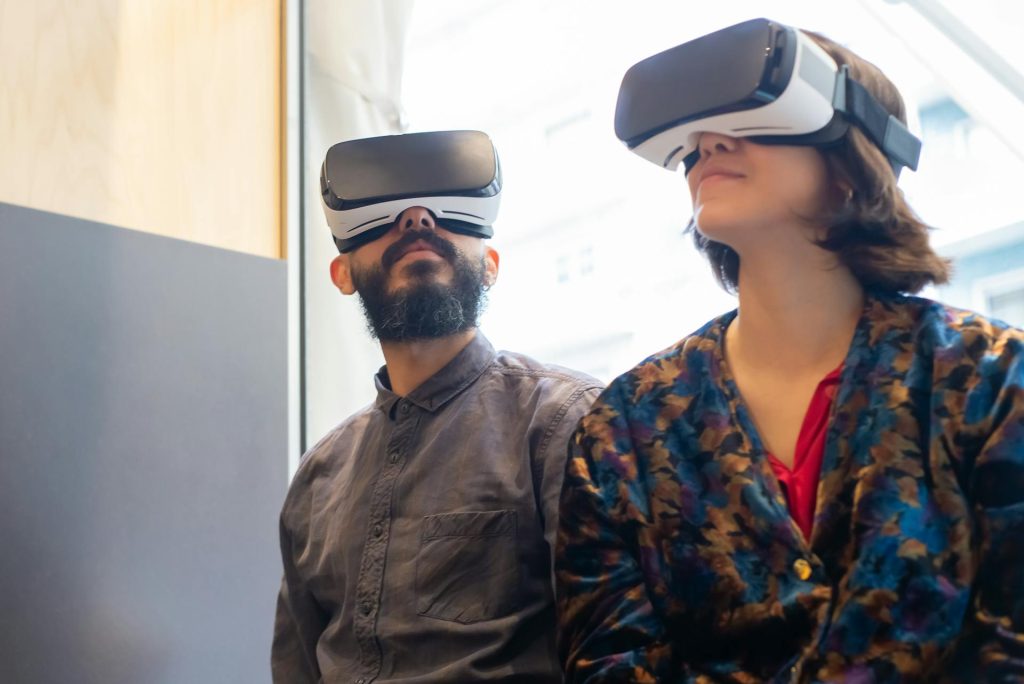
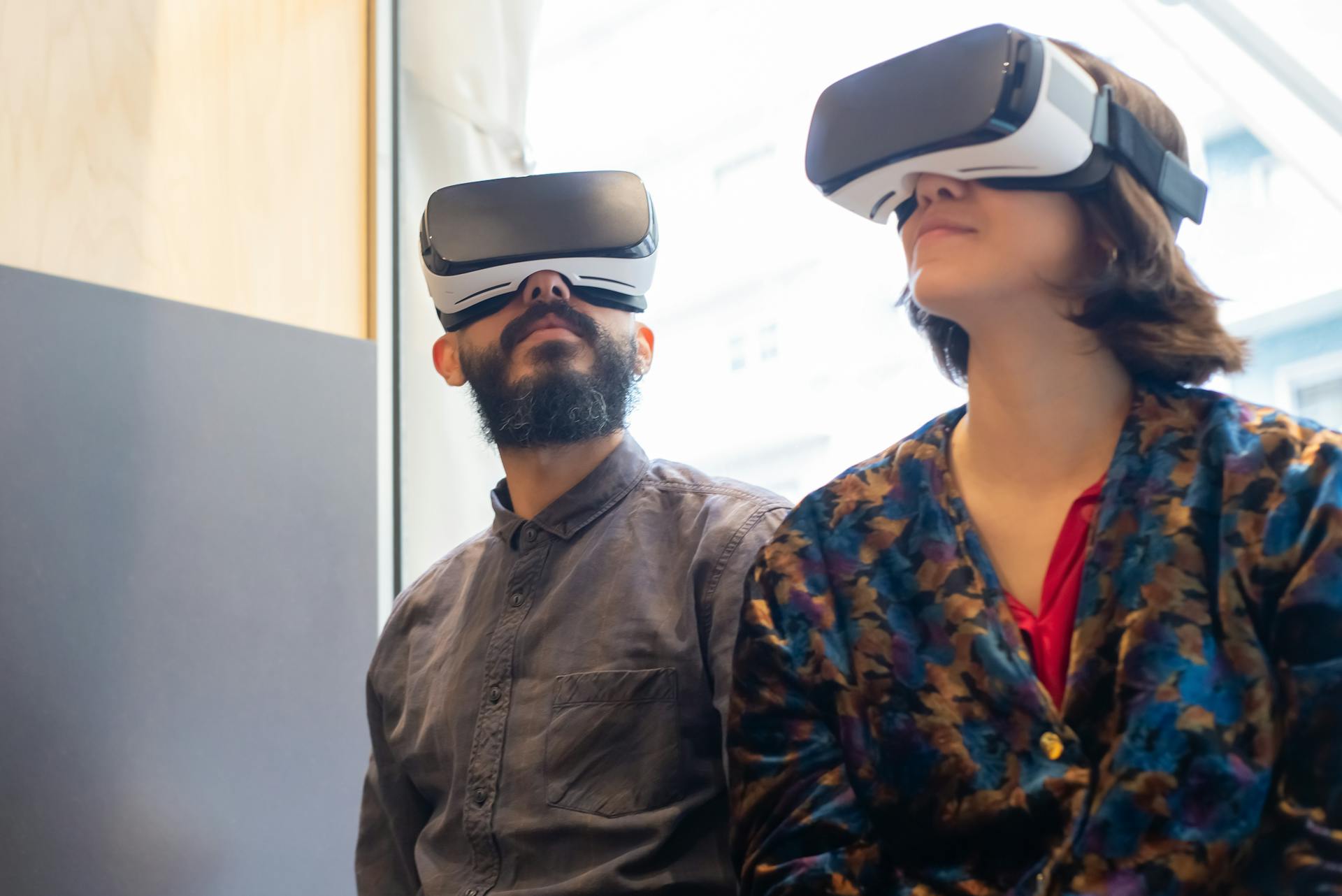
Imagine putting on a headset and stepping right into your blueprints. What if AR and VR could change the way you approach takeoffs?
- What if you could walk through a project site virtually and measure ductwork or piping in real scale before construction even begins?
- What if your team could overlay takeoff data onto real-world job sites using AR, spotting potential clashes instantly?
- What if estimators could collaborate inside a 3D model, reviewing quantities and revisions together as if they were standing on-site?
- What if instead of flipping through 100-page plans, you could interact with every component in immersive 3D-from rebar to roofing tiles?
That’s the future AR and VR are unlocking for blueprint takeoff software. Instead of being stuck with static 2D plans, estimators will soon work with immersive, interactive environments where quantities are easier to validate, errors are spotted earlier, and collaboration feels seamless.
By merging takeoff software with AR/VR, the industry is moving from manual interpretation to real-time, experiential understanding-transforming how projects are estimated, coordinated, and delivered.
But before we step into that futuristic world of headsets and holograms, it’s important to see where the foundation is being laid today. Blueprint takeoff software has already transformed takeoffs by cutting hours of manual counting into minutes of automation. This software isn’t just a tool-it’s the launchpad that makes advanced technologies like AR and VR possible in the first place.
In this article, we’ll explore how AR/VR is reshaping blueprint takeoffs, the benefits contractors can expect, and why this transformation matters in 2025 and beyond.
The Pain Points of Traditional Blueprint Takeoffs
Before diving into the future, it’s important to understand why the industry is ready for change:
- Manual takeoffs eat up 20–40 hours per project, slowing down bid submissions.
- Errors compound quickly-a single missed count can create major cost overruns.
- Plan revisions require rework, meaning estimators spend more time than necessary.
- Collaboration bottlenecks make it hard for multiple team members to contribute in real time.
Blueprint takeoff software has already begun solving these challenges by fully automating measurements and streamlining workflows. But here’s the bigger picture: AR/VR is poised to push this transformation even further-turning static blueprints into walkable, immersive spaces where teams can measure, verify, and collaborate on a real scale.
That means GCs who are still stuck in manual takeoffs won’t just miss the AI wave-they’ll be two steps behind when AR/VR reshapes the game, watching competitors win bids in ways they can’t even imagine yet.
The AR/VR Revolution in Blueprint Takeoff Software
- Immersive Blueprint Visualization: With VR headsets, estimators can literally step inside a 3D model derived from 2D blueprints. This will make it easier to:
- Identify structural elements.
- Visualize complex systems like MEP layouts.
- Detect potential clashes earlier.
Why it matters: Estimators gain context and accuracy that flat drawings often obscure.
- Hands-Free Measurement with AR: AR overlays digital data on physical spaces or digital plans, allowing estimators to point, click, and measure using gestures or devices.
Why it matters: Faster measurements with less manual input reduce fatigue and error risk.
- Collaborative Takeoffs in Virtual Space: Teams can meet inside a virtual model, marking up plans, counting items, and assigning responsibilities in real time.
Why it matters: Instead of siloed spreadsheets, collaboration becomes interactive and visual, cutting down on back-and-forth emails.
- Real-Time Plan Revisions: When project drawings change, AR/VR systems can update instantly, reconfiguring quantities within the immersive environment. In this context, an immersive environment means estimators and teams can step into a virtual model of the project, where every revision is reflected in real scale and real time.
Why it matters: No need to re-measure manually-saves hours and reduces frustration.
Blueprint Takeoffs Today & the AR/VR Future
For takeoffs, AR/VR would mean moving beyond static numbers on a page to interactive, data-rich environments where you would be able to visualize, measure, and collaborate in ways that were previously impossible.
- Visualization: Step into 3D models you can explore and walk through, turning plans into an immersive experience.
- Measurement: Interact naturally with your project—measure, mark, and adjust hands-free in AR/VR, powered by accurate data from your takeoffs.
- Collaboration: Work with your team in real time inside the project environment, seeing updates and annotations as if you’re on-site together.
- Plan Updates: Automatically reflect revisions in the AR/VR space, keeping estimates and quantities up to date seamlessly.
Key Takeaway: Securing strong, accurate digital takeoffs today is essential to unlock the AR/VR future—your existing data and workflows become the foundation for immersive, interactive project planning tomorrow.
Why This Matters in 2025
The construction industry is facing:
- Labor shortages, forcing firms to get more from fewer estimators.
- Tighter bid windows, requiring faster turnaround.
- Owner demands for transparency, increasing the need for clear visuals.
- Rapid tech adoption, where staying competitive means adopting digital-first workflows.
What Estimators Are Saying
In online communities, many estimators are already anticipating AR/VR integration, citing excitement about “seeing blueprints come to life” and the potential to collaborate in real-time across locations.
The Smarter Way Forward
So, here’s the bottom line:
- Blueprint Takeoff Software is already saving estimators time and improving accuracy.
- AR/VR will add a transformative layer—making takeoffs immersive, collaborative, and more intuitive.
- Firms that start experimenting with these technologies now will gain a competitive edge as the industry shifts.
FAQs About Blueprint Takeoff Software and AR/VR
Q1. What is Blueprint Takeoff Software?
It’s a tool that automates the measurement and counting of quantities directly from digital blueprints.
Q2. How will AR/VR improve it?
Modern blueprint takeoff software is already highly capable, automating material quantities, measurements, and plan analysis with speed and accuracy. AR/VR takes it further by enabling immersive visualization, hands-free measurements, and real-time collaboration within virtual environments—turning static plans into interactive, 3D experiences.
Q3. Is AR/VR ready for everyday use in construction?
Yes. While adoption is still growing, many contractors are piloting these tools in 2025.
Q4. Do estimators still need traditional skills?
Absolutely. AR/VR enhances workflows but doesn’t replace the judgment and expertise of estimators.
Q5. Is AR/VR already being used for blueprint takeoffs in real-world construction projects?
Partially. Some firms in the USA and Canada are experimenting with AR/VR to visualize 3D models on-site, spot clashes, and review designs. However, fully immersive AR/VR workflows that directly replace traditional takeoff measurements are still in pilot phases and not widely adopted.
Q6. What can AR/VR do today in construction takeoffs?
AR/VR can overlay digital plans or BIM models onto real-world sites, allowing estimators, project managers, and GCs to review designs, detect conflicts, and collaborate more effectively. These tools enhance accuracy and communication but don’t yet automate material quantity measurement on-site.
Q7. Why isn’t AR/VR fully integrated into takeoffs yet?
Challenges include hardware costs, large BIM model sizes, field usability issues, and accuracy concerns. While the technology is promising, most contractors still rely on digital plan tools and spreadsheets for official takeoff counts. AR/VR adoption is uneven, mostly limited to early adopters and pilot projects.

Peyman Khosravani is a seasoned expert in blockchain, digital transformation, and emerging technologies, with a strong focus on innovation in finance, business, and marketing. With a robust background in blockchain and decentralized finance (DeFi), Peyman has successfully guided global organizations in refining digital strategies and optimizing data-driven decision-making. His work emphasizes leveraging technology for societal impact, focusing on fairness, justice, and transparency. A passionate advocate for the transformative power of digital tools, Peyman’s expertise spans across helping startups and established businesses navigate digital landscapes, drive growth, and stay ahead of industry trends. His insights into analytics and communication empower companies to effectively connect with customers and harness data to fuel their success in an ever-evolving digital world.