
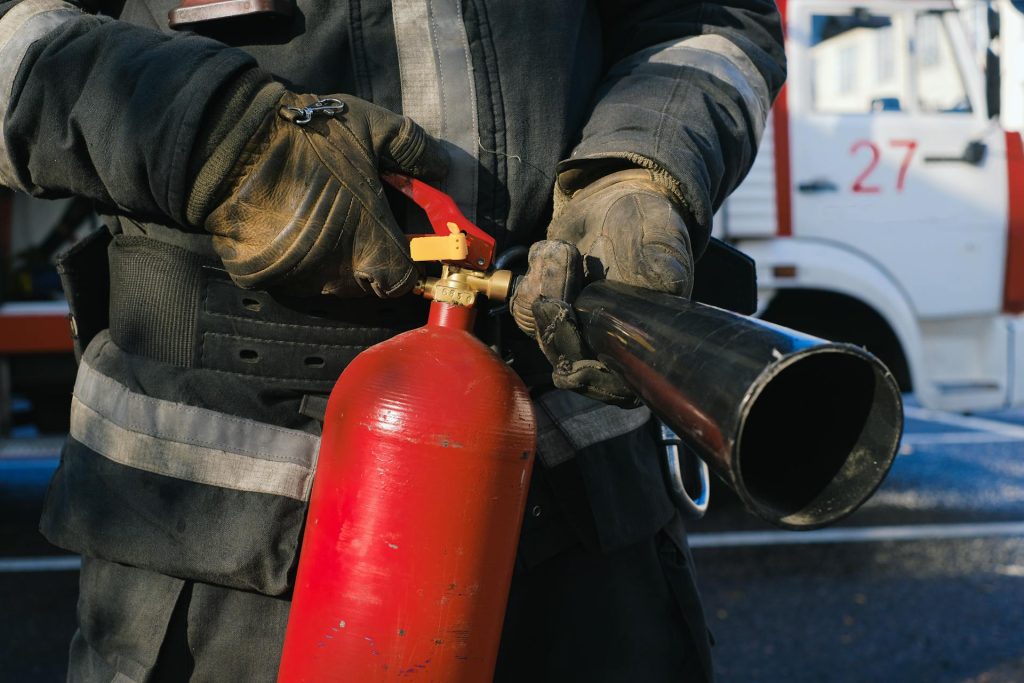
Emergencies can strike at any time, and in high-pressure situations, clear leadership is essential. This is where fire wardens play a critical role. Appointed within workplaces, schools, and large facilities, fire wardens take on the responsibility of ensuring evacuation plans are executed smoothly and safely. Their preparedness, training, and ability to stay calm under stress often make the difference between chaos and a well-organised response.
To support their role, a practical checklist of essential steps helps ensure nothing is overlooked. Below, we’ll break down seven steps that every fire warden should follow for success in 2025 and beyond.
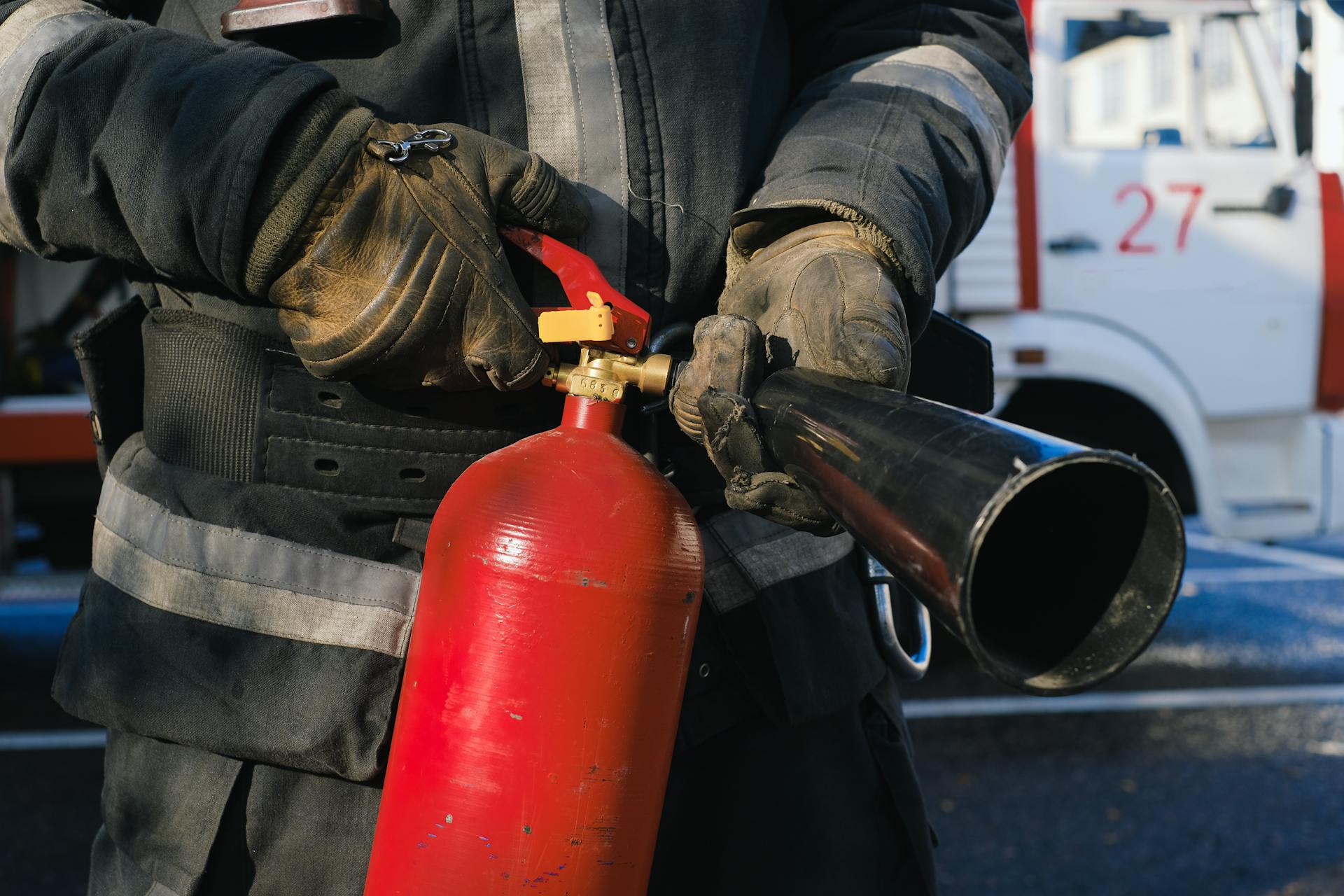
Step 1: Understand Your Responsibilities
Before taking action, a fire warden must have a clear understanding of their duties. These extend far beyond simply guiding people during an evacuation. Responsibilities include identifying fire risks, maintaining clear escape routes, ensuring safety equipment is functional, and communicating with emergency services when needed.
A strong grasp of these core duties forms the foundation of effective performance. For those starting out, reviewing expert fire warden tips can provide valuable insights into the scope of responsibilities and the training required.
Step 2: Conduct Regular Risk Assessments
Prevention is just as important as response. Fire wardens should actively inspect their environments for potential hazards such as blocked exits, faulty wiring, or improperly stored flammable materials. Documenting these risks and addressing them with management ensures the workplace is always prepared for an emergency.
Risk assessments should be conducted frequently and updated whenever significant changes to the building, staff, or equipment occur.
Step 3: Know the Evacuation Plan Inside Out
Every building has a unique layout, which means every evacuation plan is different. Fire wardens must be familiar with all exit routes, assembly points, and safety zones. This knowledge ensures they can guide occupants quickly and confidently, even in low-visibility or high-stress conditions.
Practising these routes regularly through drills helps embed them into memory. It also identifies weaknesses in the plan, such as bottlenecks or confusing signage, which can then be improved.
Step 4: Communicate Effectively During Emergencies
In a crisis, communication is critical. Fire wardens must be able to raise alarms clearly, direct people assertively, and remain calm to prevent panic. They should also ensure that messages are tailored to the audience, accounting for children, visitors, or individuals with limited English proficiency.
Good communication also extends to liaising with emergency services. Wardens provide valuable information on building layouts, missing persons, and hazards, which allows firefighters and paramedics to respond effectively.
Step 5: Assist Vulnerable Individuals
Not everyone in a building will be able to evacuate easily. Fire wardens must be prepared to support individuals with disabilities, medical conditions, or other vulnerabilities. This may involve using evacuation chairs, assigning buddies, or ensuring those individuals are prioritised during the evacuation process.
Planning ahead is crucial here. Wardens should know who may require additional assistance and be trained in the tools and techniques needed to help them safely.
Step 6: Maintain Training and Preparedness
Fire safety procedures evolve, and so should a fire warden’s knowledge. Training should be updated regularly to reflect new regulations, technologies, and workplace layouts. This includes refreshers on using fire extinguishers, understanding alarm systems, and managing crowd control.
A well-trained warden exudes confidence, which in turn reassures others during emergencies. Refresher sessions also help ensure that skills do not fade over time.
Step 7: Perform Post-Emergency Reviews
A fire warden’s job doesn’t end once everyone has evacuated. After an incident or drill, they must participate in post-event reviews to evaluate what went well and what needs improvement. This includes confirming everyone’s safety, reporting hazards, and updating evacuation plans.
Learning from past experiences strengthens preparedness for future emergencies, ensuring each response is more effective than the last.
The Role of Fire Wardens in Team Structures
Depending on the size and complexity of a workplace, there may be multiple wardens, each with distinct roles. These can include chief wardens, area wardens, and deputies. Understanding the hierarchy ensures that responsibilities are clearly defined and no task is left undone. For a deeper look at these different roles, resources explaining the function of a fire warden provide clarity on how each contributes to overall safety.
Common Mistakes to Avoid
Even experienced wardens can make mistakes if they’re not vigilant. Some common pitfalls include:
- Forgetting to update staff lists or visitor logs.
- Overlooking blocked exits or malfunctioning alarms.
- Failing to remain calm, which can spread panic.
- Neglecting to conduct regular drills.
Avoiding these mistakes ensures a smoother, safer evacuation process.
Fire Safety Trends in 2025
Fire safety is constantly evolving, and wardens must stay ahead of the curve. Current trends include:
- Smart alarms: Systems that automatically notify emergency services.
- Wearable safety tech: Devices that track staff during evacuations.
- Hybrid workplaces: Ensuring safety protocols for both remote and on-site staff.
- Eco-friendly systems: Integrating fire safety into sustainable building designs.
By staying updated, fire wardens can adapt their strategies to match modern expectations.
Conclusion
Being a fire warden is about more than wearing a vest or carrying a checklist—it’s about leadership, vigilance, and preparation. By following these seven essential steps, wardens can ensure that they are ready for any emergency, whether it’s preventing hazards, coordinating evacuations, or reviewing responses afterward.
With the right preparation, guided by expert fire warden tips and a clear understanding of the different responsibilities that define a fire warden, workplaces can build safer environments where everyone feels protected. In 2025, success lies in preparation, and fire wardens are at the heart of that commitment.











