
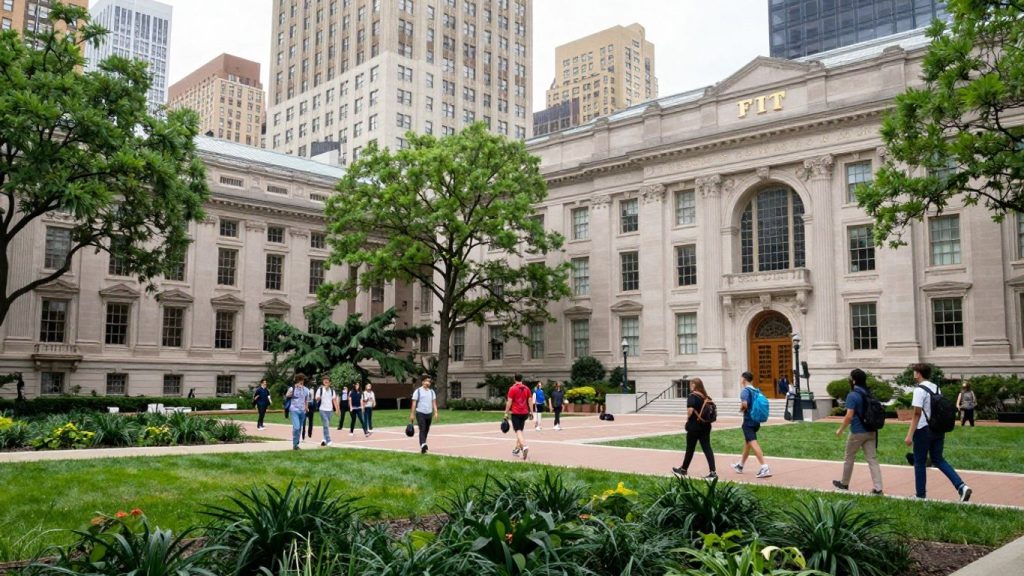
Thinking about a career in the creative industries? The fashion institute of technology us, often called FIT, is a public college in New York City that’s known worldwide for its art and design programs. It’s part of the State University of New York system and has been around since 1944. FIT offers many different programs, from undergraduate degrees to graduate studies, focusing on fashion, business, communication, and technology. It’s a place where students get hands-on experience and prepare for jobs in the global fashion world.
Key Takeaways
- The fashion institute of technology us is a public college within the State University of New York (SUNY) system, founded in 1944.
- FIT provides a wide range of undergraduate and graduate programs, with a strong emphasis on fashion design, business, communication, and technology.
- The college is recognized for its hands-on training, industry connections, and preparing students for careers in creative fields.
- The Museum at FIT, a free public museum on campus, focuses on fashion history and design, serving as an educational resource.
- Admissions require a high school diploma, with a strong portfolio and clear personal narrative being key to standing out.
Understanding the Fashion Institute of Technology US

A Public Institution with Global Recognition
The Fashion Institute of Technology (FIT), part of the State University of New York (SUNY), stands as a globally recognized college focused on design, fashion, art, communications, and business. Established in 1944, it has grown from a small institution serving the needs of the apparel industry into a nine-building campus with a wide array of programs. As a public institution, FIT offers a high-quality education that is more accessible financially compared to many private art and design schools. This makes it a standout choice for students seeking an education deeply connected to the industry.
Mission and Core Values
FIT’s primary mission is to prepare students for successful careers and leadership roles within the creative industries. The college encourages its students, faculty, and industry partners to look beyond geographical and professional limits. Through independent thought, teamwork, and a unique perspective, FIT aims to develop design and business strategies that challenge the current norms, create new chances, and leave a positive, lasting mark on a global scale. A strong commitment to diversity, equity, innovation, and sustainability guides all of its activities.
A History Rooted in Industry Needs
FIT was founded in 1944 by educators and leaders from New York’s garment district. Their goal was to address a growing shortage of skilled workers in the apparel sector. Starting with just 100 students in borrowed classrooms, the institute has expanded significantly. Today, it serves over 8,000 students annually across its extensive campus. This origin story highlights FIT’s long-standing connection to the practical demands of the fashion world, a connection that continues to shape its academic approach.
Academic Programs and Specializations

FIT offers a wide array of programs designed to prepare students for diverse roles within the fashion industry and related fields. The curriculum is structured to provide both theoretical knowledge and practical skills, ensuring graduates are ready for the professional world.
Undergraduate Degree Offerings
At the undergraduate level, FIT provides Bachelor of Fine Arts (BFA) and Bachelor of Science (BS) degrees. These programs cover a broad spectrum of fashion-related disciplines, from the creative aspects of design to the business and technical sides of the industry. Students can specialize in areas such as:
- Apparel Design
- Fashion Business Management
- Textile Design
- Accessories Design
- Cosmetics and Fragrance Marketing
- Graphic Design
The breadth of these programs allows students to tailor their education to their specific interests and career aspirations.
Graduate Studies in Fashion
For those looking to deepen their knowledge and advance their careers, FIT offers Master of Fine Arts (MFA) and Master of Professional Studies (MPS) degrees. These graduate programs are geared towards advanced study and research, often with a focus on innovation and leadership within the fashion world. Areas of graduate study include:
- Fashion Design
- Exhibition and Museum Studies
- Global Fashion Management
These programs encourage a research-driven approach, pushing students to analyze and question the systems that shape the fashion industry.
Key Disciplines Beyond Design
While FIT is renowned for its design programs, it also excels in preparing students for critical roles outside of direct design. The institution recognizes that the fashion industry requires a diverse range of talents.
The business side of fashion is just as important as the creative. Understanding marketing, merchandising, and management is key to a successful career.
FIT’s programs in areas like Fashion Business Management, Cosmetics and Fragrance Marketing, and Textile Development equip students with the strategic thinking and industry knowledge needed to succeed in these vital sectors. The curriculum often includes:
- Market analysis and trend forecasting
- Supply chain and production management
- Brand strategy and retail operations
- Digital marketing and e-commerce
The FIT Experience: Learning and Career Development
At the Fashion Institute of Technology (FIT), the learning environment is designed to be much more than just classroom lectures. It’s about getting your hands dirty and truly understanding how the creative industries work. This approach means you’re not just studying fashion, design, or business; you’re actively preparing for a career in them.
Hands-On Training and Real-World Skills
FIT places a strong emphasis on practical application. You’ll find that many instructors are not just academics but are also professionals currently working in their fields. This brings current industry practices and insights directly into the classroom. Think of it as learning from people who are actively shaping the fashion world right now. This direct connection helps ensure that what you’re learning is relevant and up-to-date with the fast-paced demands of the industry.
- Project-based learning: Many courses involve creating actual projects that mimic industry assignments.
- Studio work: Design students spend significant time in studios, developing technical skills.
- Business simulations: Business students often engage in case studies and simulations of real market scenarios.
The goal is to bridge the gap between academic study and professional practice, making sure graduates are ready to step into their chosen careers with confidence and a solid skill set.
Internship and Industry Connections
FIT understands that experience is key. The college has built strong relationships with businesses and organizations within the fashion, art, and design sectors. These connections are vital for students seeking internships, which are often a required part of the curriculum. Internships provide a chance to work in professional settings, gain practical experience, and build a network of contacts.
FIT’s location in New York City is a significant advantage, offering access to a vast array of companies and opportunities. The college actively facilitates these connections, helping students find placements that align with their career goals. This network is not just for internships; it extends to guest lectures, industry panels, and career fairs, all designed to expose students to potential employers and industry leaders.
Alumni Success Stories
The success of FIT’s alumni is a testament to the effectiveness of its educational model. Graduates have gone on to achieve significant recognition and success across various sectors of the creative industries. From launching their own brands to holding leadership positions in major global companies, FIT alumni are making their mark.
- Calvin Klein: A globally recognized designer who credits FIT with providing his foundational education.
- Clara Son: An MFA graduate who launched her own brand, focusing on post-gender expression and timeless design, informed by her FIT experience.
- Haley Schwartz: A winner of FIT’s PETE Prize for Entrepreneurs, who developed an adaptive clothing line from concept to reality.
These stories highlight the diverse paths alumni take and the lasting impact of an FIT education on their professional journeys. They serve as inspiration, showing current students what is possible with dedication and the right training.
Admissions and Application Process
Getting into the Fashion Institute of Technology (FIT) involves a thoughtful application process. FIT looks for students who are not only academically prepared but also show a genuine passion and potential for their chosen field. It’s about more than just grades; they want to see your creative spark and how you think.
Academic Requirements
FIT has specific academic benchmarks for applicants. For undergraduate programs, you’ll generally need to have completed high school or its equivalent. Official transcripts from all previously attended secondary and post-secondary institutions are required. For international students, proof of English language proficiency is necessary, often demonstrated through standardized tests like the TOEFL or IELTS. Minimum scores can vary by program, so it’s wise to check the specific requirements for your intended major.
The Importance of a Strong Portfolio
For many programs at FIT, especially those in design and creative fields, a strong portfolio is absolutely key. This is your chance to visually showcase your skills, creativity, and unique perspective. It should include examples of your best work, such as sketches, finished pieces, digital designs, or any other relevant projects that demonstrate your abilities and artistic vision. The portfolio should be well-organized and thoughtfully presented, reflecting your dedication and talent.
Standing Out in Your Application
Beyond academic records and a portfolio, FIT wants to get to know you as an individual. This often involves a personal statement or essay where you can articulate your motivations, career aspirations, and why FIT is the right place for you. Letters of recommendation from teachers, mentors, or professionals who can speak to your abilities and character are also important. These components help the admissions committee understand your potential contributions to the FIT community and the fashion industry.
The application process is designed to identify candidates who possess both the technical aptitude and the creative drive to succeed in FIT’s rigorous academic environment. It’s a chance to present your complete self, showcasing not just what you’ve done, but who you are and where you aim to go.
Exploring the Museum at FIT
A Dedicated Space for Fashion Exploration
The Museum at FIT, situated within the Fashion Institute of Technology, is a unique institution focused entirely on the art of fashion. Unlike larger museums that might include fashion within broader art or history exhibits, FIT’s museum dedicates its entire space and resources to exploring clothing, textiles, and adornment. This singular focus allows for a depth of exploration that is quite special. It presents fashion not just as clothing, but as a significant cultural artifact and a form of artistic expression. The museum’s exhibitions are known for their thoughtful curation, often delving into specific themes, historical periods, or the work of particular designers with great detail. This approach makes it a go-to spot for anyone wanting a serious look at fashion’s past and present.
Focus on American Fashion History
While the museum covers fashion globally, it has a particular strength in showcasing American fashion. This is important because New York City is a major fashion hub, and the museum plays a key role in documenting the evolution of style in the United States. You’ll find exhibits that highlight the contributions of American designers, from early pioneers to contemporary innovators. This focus helps to tell a more complete story of fashion, giving due attention to the unique aspects of American design that might be overlooked elsewhere.
Educational Cornerstone for Students and Public
The Museum at FIT serves a dual purpose: it’s a vital resource for FIT students and a welcoming space for the general public. For students, it’s like a living laboratory, offering direct access to historical garments and textiles that inform their studies. They can examine construction techniques, fabric details, and the historical context of clothing firsthand. For the public, the museum provides an accessible and engaging way to learn about fashion history and its cultural impact. Its commitment to free admission means that this educational experience is available to everyone, regardless of their background or financial situation.
Here’s a look at what makes the museum a great educational resource:
- Direct Access to Primary Sources: Students can study original garments, offering insights into historical techniques and aesthetics.
- Contextual Learning: Exhibitions provide historical and cultural context, helping students understand fashion’s role in society.
- Inspiration for Creativity: Exposure to diverse styles and historical periods can spark new ideas for design students.
The museum’s approach is deeply rooted in research and scholarship. Each exhibition is carefully planned to offer a rich narrative, connecting the garments on display to broader social, cultural, and historical trends. This academic rigor ensures that visitors leave with more than just a visual experience; they gain a deeper appreciation for fashion’s complexities.
Key Aspects of the Museum at FIT:
- Dynamic Exhibitions: Temporary exhibitions change regularly, typically every four to six months, ensuring there’s always something new to discover.
- Permanent Collection: While not always on public display, the museum maintains a significant permanent collection of fashion and textile artifacts.
- Public Programs: The museum often hosts lectures, panel discussions, and workshops related to its exhibitions, further enriching the visitor experience.
Visiting the Museum at FIT
Planning a visit to the Museum at FIT (MFIT) is a straightforward process, and it’s an experience that offers a unique window into the world of fashion. Located within the Fashion Institute of Technology campus, MFIT is a specialized institution dedicated to fashion and textile arts. It’s a place where clothing is examined not just as apparel, but as a form of art, a historical document, and a reflection of society.
Location and Accessibility
The museum is situated at 227 West 27th Street, nestled within the Marvin Feldman Center on the FIT campus. This location in Manhattan’s Chelsea neighborhood makes it quite accessible. For those using public transportation, several subway lines and bus routes stop nearby, making it convenient to reach from various parts of the city.
Planning Your Visit Duration
MFIT is known for its focused exhibitions, which means you can typically experience its offerings in a manageable timeframe. Most visitors find that spending 1.5 to 3 hours allows for a thorough exploration of the current exhibitions. This duration allows time to read the exhibit information, appreciate the details of the garments, and reflect on the themes presented without feeling rushed. Of course, if you prefer a quicker overview, you might spend less time, or if you’re deeply engaged with the subject matter, you might extend your stay slightly.
Free Admission for All
One of the most welcoming aspects of the Museum at FIT is its commitment to accessibility through free admission for all visitors. This policy ensures that everyone, regardless of their background or financial situation, can engage with fashion history and design. It truly makes the museum a public resource for learning and appreciation.
The Museum at FIT provides a focused and academically rich environment for exploring fashion. Its dedication to the subject allows for a depth of presentation that is rare, making it an important destination for students, fashion enthusiasts, and the general public alike. The free admission policy further solidifies its role as an accessible cultural institution.
Here’s a quick look at what to expect:
- Dynamic Exhibitions: MFIT features rotating temporary exhibitions that typically change every four to six months. This means there’s often something new to discover on repeat visits.
- Focus on American Fashion: While covering global fashion, the museum places a significant emphasis on American designers and the evolution of style in the United States.
- Educational Resources: Beyond the exhibits, the museum serves as a learning space, offering insights into fashion history, theory, and the cultural impact of clothing.
- Photography Policy: Generally, non-flash photography for personal use is allowed, but it’s always wise to check for specific exhibit guidelines.
Wrapping Up Your FIT Journey
So, that’s a look at what the Fashion Institute of Technology has to offer. From its strong programs in design and business to its connection with the vibrant New York City fashion scene, FIT provides a unique educational path. Whether you’re drawn to the hands-on training, the industry connections, or the chance to learn from experienced professionals, FIT stands out as a place to build a career in the creative industries. It’s a school that really prepares you for the real world of fashion, and that’s something pretty special.
Frequently Asked Questions
What is the Fashion Institute of Technology (FIT)?
FIT is a public college in New York City that focuses on art, design, and business. It’s part of a larger university system called SUNY. FIT was started in 1944 to help train people for jobs in the clothing industry.
What kind of programs does FIT offer?
FIT offers many different programs, including degrees in fashion design, business, communication, and technology. They have programs for both students just starting out (undergraduate) and those looking to study more deeply (graduate).
How much does it cost to attend FIT?
Because FIT is a public college, its costs are generally lower than private schools. For example, the BFA in Fashion Design costs about $21,692 per year for out-of-state students, which is more affordable than many other fashion schools.
What makes FIT’s fashion program special?
FIT is known for its hands-on training, meaning students learn by doing. Many teachers work in the fashion world, bringing real-world experience to the classroom. Famous designers like Calvin Klein and Michael Kors are graduates of FIT.
What are the requirements to apply to FIT?
To apply, you typically need a high school diploma or its equivalent. A very important part of your application is your portfolio, which shows off your creative work, including essays and design projects.
Is the Museum at FIT free to visit?
Yes, visiting the Museum at FIT is completely free for everyone. This makes it a great place for anyone interested in fashion history and design to learn and explore without any cost.

Peyman Khosravani is a seasoned expert in blockchain, digital transformation, and emerging technologies, with a strong focus on innovation in finance, business, and marketing. With a robust background in blockchain and decentralized finance (DeFi), Peyman has successfully guided global organizations in refining digital strategies and optimizing data-driven decision-making. His work emphasizes leveraging technology for societal impact, focusing on fairness, justice, and transparency. A passionate advocate for the transformative power of digital tools, Peyman’s expertise spans across helping startups and established businesses navigate digital landscapes, drive growth, and stay ahead of industry trends. His insights into analytics and communication empower companies to effectively connect with customers and harness data to fuel their success in an ever-evolving digital world.










