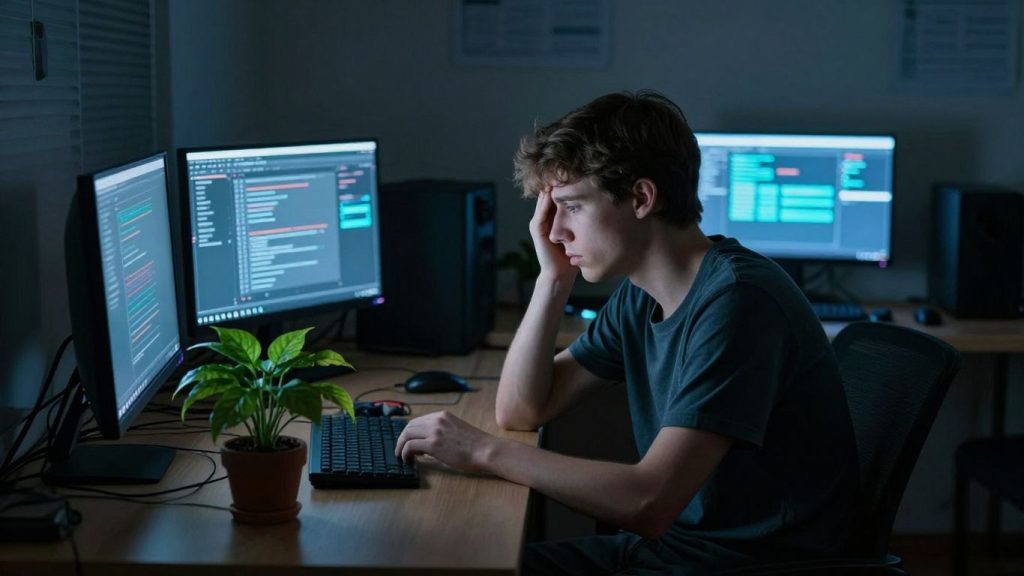
Technology in schools seems like a good idea, right? It promises new ways to learn and connect. But, like anything, there are downsides. We need to talk about the not-so-great parts of using tech in education. It’s not all smooth sailing, and understanding these problems helps us use technology better, or at least know what we’re up against. Let’s look at some of the key disadvantages of technology in education.
Key Takeaways
- Tech can really pull students’ attention away from lessons with games and social media, making it harder to focus.
- Relying too much on tech might stop students from developing important thinking and problem-solving skills on their own.
- Not everyone has the same access to devices and internet, which can make school unfair for some kids.
- Spending too much time on screens can be bad for physical health, like eyes and posture, and might affect mental well-being.
- Schools have to spend a lot of money on tech, and keeping it running and training staff can be a big challenge.
The Pervasive Problem Of Distraction
Digital Temptations Undermining Focus
In today’s classrooms, the allure of digital devices can be a double-edged sword. While they offer access to a universe of information, they also bring a constant stream of potential diversions. Social media notifications, online games, and the endless scroll of the internet are just a click away, often pulling students’ attention from the lesson at hand. This isn’t about students being intentionally disengaged; it’s about the powerful draw of instant gratification that many digital platforms are designed to provide. Even a brief interruption to focus can disrupt the flow of learning, making it harder to absorb and retain new information.
Reduced Attention Spans In Young Learners
There’s a growing concern that the fast-paced, highly stimulating nature of digital content might be affecting the attention spans of younger students. Children are growing up in an environment where information is often delivered in short bursts, with quick visual and auditory cues. This constant, rapid input can make it challenging for them to engage with slower-paced, more in-depth learning activities that require sustained concentration. Research suggests that the average attention span for today’s youth may be shorter than in previous generations, making it harder for them to stay focused during lessons that don’t offer immediate, high-level stimulation.
Balancing Technology Use In The Classroom
Finding the right balance with technology in the classroom is key. It’s not about eliminating digital tools, but about using them thoughtfully. This means educators need strategies to manage distractions and guide students in developing self-control.
- Clear Guidelines: Establishing explicit rules for when and how devices can be used for learning purposes.
- Purposeful Integration: Selecting digital tools that directly support learning objectives, rather than using technology for its own sake.
- Digital Literacy Training: Teaching students how to manage their digital environment, recognize distractions, and practice focused attention.
The challenge lies in harnessing the benefits of technology without succumbing to its inherent distractions. This requires a conscious effort from both educators and students to create an environment where learning remains the priority.
It’s a delicate act, but one that’s necessary to ensure that technology serves as a tool for learning, not a barrier to it.
Over-Reliance And Skill Erosion
Diminished Critical Thinking And Problem-Solving
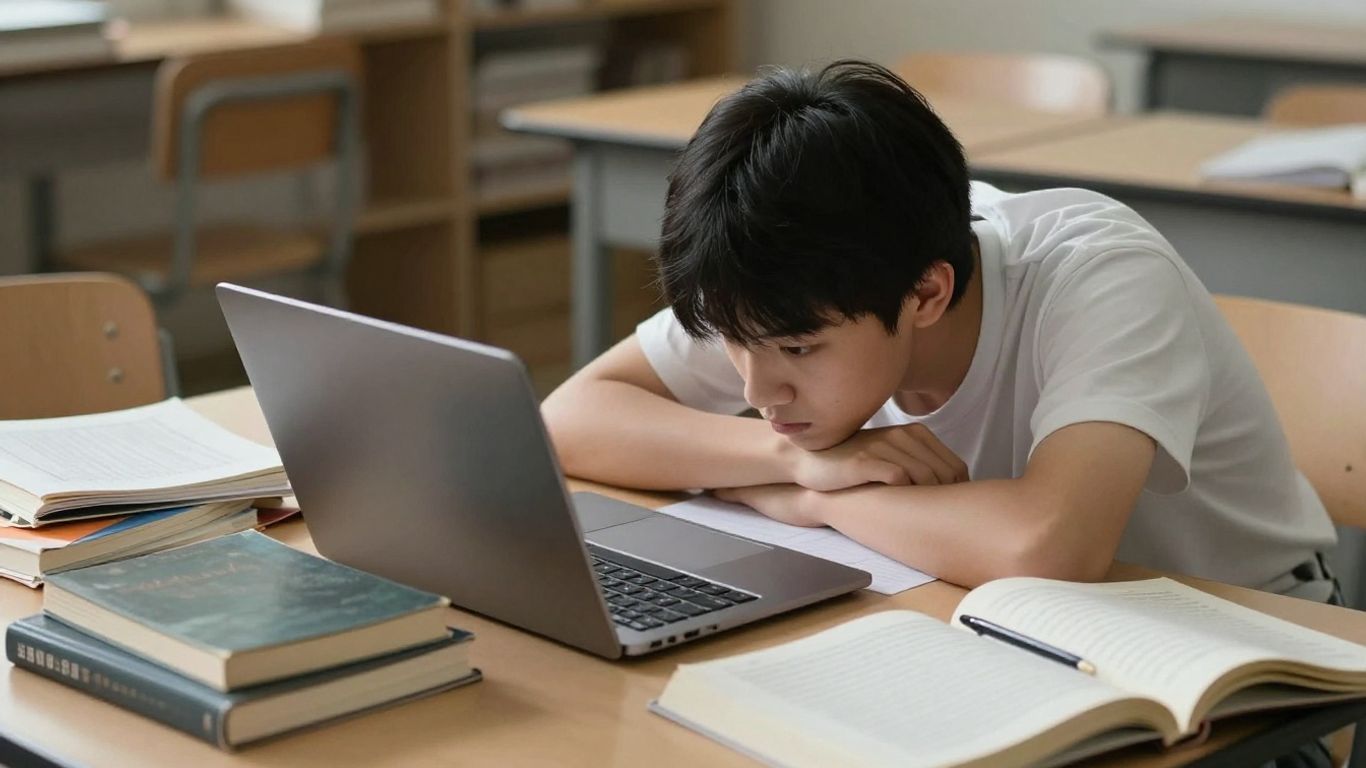
It’s easy to see how technology can make things simpler. Need an answer? Just Google it. Stuck on a math problem? There’s an app for that. While these tools are helpful, relying on them too much can actually stop us from developing our own thinking muscles. When we always have a digital shortcut, we might not spend the time to really figure things out for ourselves. This means we might not get as good at looking at a problem from different angles or coming up with creative solutions. The ability to think critically and solve problems independently is something that needs practice, and too much tech can get in the way of that practice.
The Risk Of Losing Foundational Skills
Think about learning to write. In the past, students spent a lot of time practicing handwriting and spelling. Now, spell check and auto-correct do a lot of the heavy lifting. This is convenient, but it can mean that some basic skills don’t get the attention they need. The same can happen with other areas. If we always use a calculator for simple math, or rely on digital maps instead of learning to read them, those skills can fade. It’s like not using your legs for a long time – they can get weaker.
Here are some skills that might be affected:
- Mental Math: Calculating simple sums or differences without a device.
- Handwriting and Spelling: Forming letters legibly and knowing common spellings.
- Navigation: Understanding maps and directions without GPS.
- Information Recall: Remembering facts and figures instead of just looking them up.
Navigating Dependence In A Digital Age
It’s a tricky balance. Technology offers so many benefits for learning, but we need to be mindful of how much we’re leaning on it. We don’t want to reach a point where we feel lost or unable to function without our devices. This means educators and students need to work together to use technology as a tool, not a crutch. It’s about knowing when to use the tech and when to put it aside and rely on our own abilities.
We need to make sure that while we embrace new digital tools, we don’t accidentally let go of the core abilities that help us learn and grow as individuals. It’s about using technology smartly, so it helps us think better, not just find answers faster.
The Widening Digital Divide

Unequal Access To Technology And Resources
It’s a common sight these days: students with tablets, laptops, and smartboards in their classrooms. But this picture isn’t the same for everyone. The reality is that not all schools, and therefore not all students, have the same level of access to these digital tools. This creates a gap, often called the digital divide, where some students get to use the latest technology to help them learn, while others are left behind with fewer resources. This isn’t just about having a fancy gadget; it’s about having access to the same educational opportunities.
Exacerbating Existing Educational Disparities
This difference in access can make existing problems in education even worse. Schools in wealthier areas might have the budget for up-to-date computers, fast internet, and all sorts of educational software. Meanwhile, schools in less well-off communities might struggle to afford even basic equipment or reliable internet service. This means students in under-resourced schools might not be able to participate in online activities, access digital learning materials, or develop the same tech skills as their peers. This disparity can significantly impact their academic performance and future prospects.
Ensuring Equitable Opportunities For All Students
So, what can be done? It’s a complex issue, but a few things are clear. Schools and communities need to work together to find ways to provide more equal access. This could involve:
- Seeking grants and funding specifically for technology in underserved schools.
- Exploring partnerships with local businesses or non-profits to donate equipment or services.
- Implementing programs that allow students to borrow devices or access technology outside of school hours.
The goal is to make sure that every student, no matter where they go to school or what their family’s income is, has a fair chance to benefit from the educational advantages that technology can offer. It’s about leveling the playing field so that technology becomes a tool for inclusion, not exclusion.
It’s not just about handing out devices, though. It’s also about making sure students and teachers have the training they need to use these tools effectively. Without proper support, even the best technology won’t make much of a difference.
Impacts On Health And Well-Being
While technology offers many benefits in education, its integration also brings potential drawbacks concerning student health and overall well-being. It’s important to look at these effects so we can manage them better.
Concerns Over Increased Screen Time
One of the most talked-about issues is the sheer amount of time students spend looking at screens. This isn’t just about schoolwork; it includes time spent on devices for entertainment and social connection. Prolonged screen exposure can lead to various physical and mental health concerns.
- Eye Strain: Staring at screens for extended periods can cause discomfort, dryness, and blurred vision.
- Sleep Disturbances: The blue light emitted from screens can interfere with natural sleep cycles, making it harder for students to fall asleep and get restful sleep.
- Headaches: Some students report experiencing headaches after prolonged use of digital devices.
The constant engagement with digital content can create a cycle where students feel compelled to stay connected, often at the expense of adequate rest and relaxation.
Physical Health Implications Of Sedentary Learning
When learning becomes heavily reliant on digital tools, it often means more time spent sitting. This shift away from physical activity can have a significant impact on students’ physical development and health.
- Reduced Physical Activity: Increased time spent indoors and seated can lead to a more sedentary lifestyle.
- Risk of Obesity: A lack of regular physical activity is a known contributor to weight gain and related health issues.
- Poor Posture: Spending long hours hunched over devices can negatively affect posture and lead to musculoskeletal problems.
Mental Health Considerations And Digital Overload
The digital world can be overwhelming. Students are not only processing academic information but also navigating social media, online interactions, and a constant stream of notifications. This can contribute to feelings of stress and anxiety. The pressure to be constantly available and responsive online, coupled with the potential for cyberbullying or negative social comparisons, can take a toll on a student’s mental state. It’s a delicate balance to strike, ensuring that technology supports learning without negatively impacting a student’s emotional health. For those concerned about managing educational expenses, resources are available to help understand student loan payments.
| Health Concern | Potential Impact of Technology Use |
|---|---|
| Stress & Anxiety | Constant notifications, social pressure |
| Digital Overload | Feeling overwhelmed by information |
| Reduced Well-being | Less time for physical activity and rest |
| Sleep Quality | Disruption of natural sleep cycles |
Financial And Logistical Hurdles
Bringing technology into the classroom isn’t just about buying a few computers. It involves a significant financial commitment that many schools struggle to meet. The initial cost of devices, software licenses, and necessary infrastructure like robust Wi-Fi can be quite high. Then there’s the ongoing expense of maintenance, repairs, and upgrades. Technology changes fast, and what’s cutting-edge today can be outdated in a few years, requiring continuous investment.
The Significant Cost Of Educational Technology
Schools often face tough choices when budgeting for technology. The price tag for tablets, laptops, interactive whiteboards, and specialized educational software can quickly add up. For instance, a single classroom might need a dozen new laptops, and a whole school district could be looking at hundreds or even thousands of devices. This doesn’t even include the cost of the programs that run on them or the necessary security software to keep everything safe.
Resource Allocation Challenges For Schools
Deciding where to spend limited funds is a constant challenge. Should a school invest in new technology, or is it more important to hire more teachers, update textbooks, or improve building facilities? Often, technology budgets compete with other vital areas of education. This can lead to situations where some schools have the latest gadgets, while others make do with older, less effective equipment, creating an uneven playing field.
Ongoing Maintenance And Training Needs
Once the technology is in place, the work isn’t over. Devices break, software needs updates, and internet connections can be spotty. Schools need dedicated IT staff to handle these issues, which adds to the payroll. Furthermore, teachers need proper training to use new tools effectively. Without adequate professional development, expensive technology might go underused or be used in ways that don’t truly benefit student learning. This training also requires time and resources, often pulling teachers away from their primary teaching duties.
- Initial Purchase: Acquiring hardware (laptops, tablets, projectors) and software licenses.
- Infrastructure: Upgrading Wi-Fi, network security, and power outlets.
- Maintenance: Regular repairs, replacements for damaged devices, and software updates.
- Training: Professional development for teachers and IT support staff.
- Upgrades: Replacing outdated technology every few years.
The financial strain of integrating and maintaining technology can be substantial, often requiring difficult decisions about resource allocation and potentially widening the gap between well-funded and under-resourced educational institutions.
Security And Privacy Vulnerabilities
Protecting Student Data In Digital Environments
When schools bring digital tools into the classroom, they also open the door to new worries about keeping student information safe. Think about all the personal details, like names, grades, and even learning progress, that get stored online. This data needs strong protection against unauthorized access. It’s not just about preventing hackers; it’s also about making sure that only the right people can see and use this information. Schools have to be really careful about where this data is stored and who has access to it. It’s a big responsibility.
Navigating Cybersecurity Threats In Schools
Cybersecurity is a growing concern for educational institutions. As more learning happens online, schools become targets for people who want to steal information or disrupt systems. This can range from simple viruses that slow down computers to more serious attacks that could expose sensitive student records. Keeping school networks secure means staying updated on the latest threats and having good defenses in place. It’s like putting up a strong fence around the school’s digital property.
Maintaining Privacy In An Interconnected System
In today’s connected world, keeping privacy intact is a constant challenge. When students and teachers use various online platforms and apps, their digital footprints grow. It’s important to understand how this information is being used and by whom. Schools need clear rules about data collection and usage, and students should be taught about online privacy. This helps everyone be more aware and careful about what they share and how their information is handled.
- Data Encryption: Making sure data is scrambled so it can’t be read without a special key.
- Access Controls: Limiting who can see or change specific information.
- Regular Audits: Checking systems and practices to find and fix any weak spots.
- Staff Training: Educating teachers and staff on security best practices.
The rush to adopt new technologies in education is understandable, but it must be balanced with a serious consideration of the security and privacy implications. Ignoring these aspects can lead to significant problems down the line, affecting trust and safety for everyone involved.
Erosion Of Essential Social Skills
While technology connects us in many ways, it can also create distance in our face-to-face interactions. When learning happens primarily through screens, opportunities for spontaneous conversations, reading body language, and developing empathy can decrease. This shift can make it harder for students to build strong relationships and understand social cues.
Decreased Face-to-Face Interaction
Think about a typical school day. If lessons, group projects, and even homework help are all done online, students might spend less time simply talking to each other in person. This isn’t just about chatting; it’s about learning how to navigate conversations, resolve minor disagreements, and build rapport. When these moments are fewer, the skills that come with them can weaken.
Impact On Interpersonal Communication And Empathy
Communicating through text or email is different from talking to someone directly. You miss out on tone of voice, facial expressions, and body language, all of which are key to understanding each other. This can lead to misunderstandings and make it harder to develop empathy – the ability to understand and share the feelings of another. Developing strong interpersonal skills requires practice in real-world social settings.
Fostering Social Connections In A Digital World
It’s a challenge for educators and parents to find a balance. How do we use technology for its benefits without letting it take away from the human connections that are so important for development? It means being mindful of how and when technology is used in the classroom and encouraging activities that promote direct interaction.
- Structured Group Work: Design classroom activities that require students to work together in person, sharing ideas and responsibilities.
- Non-Tech Break Times: Schedule regular breaks where technology is put away, allowing for informal social interaction.
- Role-Playing Scenarios: Use classroom time for activities that practice communication, conflict resolution, and understanding different perspectives.
The ease of digital communication can sometimes mask a growing difficulty in handling nuanced, in-person social situations. It’s like learning a language from a book versus actually speaking it with someone – you might know the words, but the flow and feeling are different.
Finding ways to integrate technology thoughtfully means we don’t lose sight of the human element in education. It’s about making sure students are prepared not just academically, but also socially and emotionally for the world beyond the classroom.
Finding the Right Balance
So, we’ve looked at some of the ways technology can make learning tricky. It’s not about ditching our gadgets, though. It’s more about being smart with how we use them in schools. We need to remember that too much screen time can be a problem, and not everyone has the same access to tech. Plus, relying on it too much might mean we don’t practice some important thinking skills. The goal isn’t to go back to chalkboards, but to use technology in ways that truly help students learn, without letting it get in the way or leave anyone behind. It’s about finding that sweet spot where tech supports education, rather than becoming a roadblock.
Frequently Asked Questions
How can technology in school lead to students getting easily sidetracked?
Technology in classrooms can be a major distraction because students might get drawn to games, social media, or other fun websites instead of paying attention to their lessons. This makes it harder for them to concentrate on what the teacher is explaining.
What does it mean if students become too dependent on technology for schoolwork?
When students rely too much on technology, they might not develop important skills like thinking for themselves or solving problems without digital help. If the technology isn’t available, they could struggle to complete tasks they normally would.
Why is the ‘digital divide’ a problem in education?
The digital divide means that not all students have the same access to computers, tablets, or reliable internet. This creates unfairness because some students have better tools to learn with than others, making it harder for those without access to keep up.
Are there any health worries related to using too much technology for school?
Yes, spending too much time looking at screens can cause eye strain and headaches. It can also lead to less physical activity because students are sitting for longer periods. For some, it might even affect their sleep or overall well-being.
What are some of the costs schools face when using technology?
Schools have to spend a lot of money to buy devices, software, and set up the necessary internet connections. They also need to pay for ongoing maintenance and make sure teachers get trained on how to use these new tools effectively.
How can technology affect how students interact with each other?
When students use technology a lot for communication, they might have fewer chances for face-to-face conversations. This could make it harder for them to understand social cues, build strong friendships, or communicate effectively in person.

Peyman Khosravani is a seasoned expert in blockchain, digital transformation, and emerging technologies, with a strong focus on innovation in finance, business, and marketing. With a robust background in blockchain and decentralized finance (DeFi), Peyman has successfully guided global organizations in refining digital strategies and optimizing data-driven decision-making. His work emphasizes leveraging technology for societal impact, focusing on fairness, justice, and transparency. A passionate advocate for the transformative power of digital tools, Peyman’s expertise spans across helping startups and established businesses navigate digital landscapes, drive growth, and stay ahead of industry trends. His insights into analytics and communication empower companies to effectively connect with customers and harness data to fuel their success in an ever-evolving digital world.