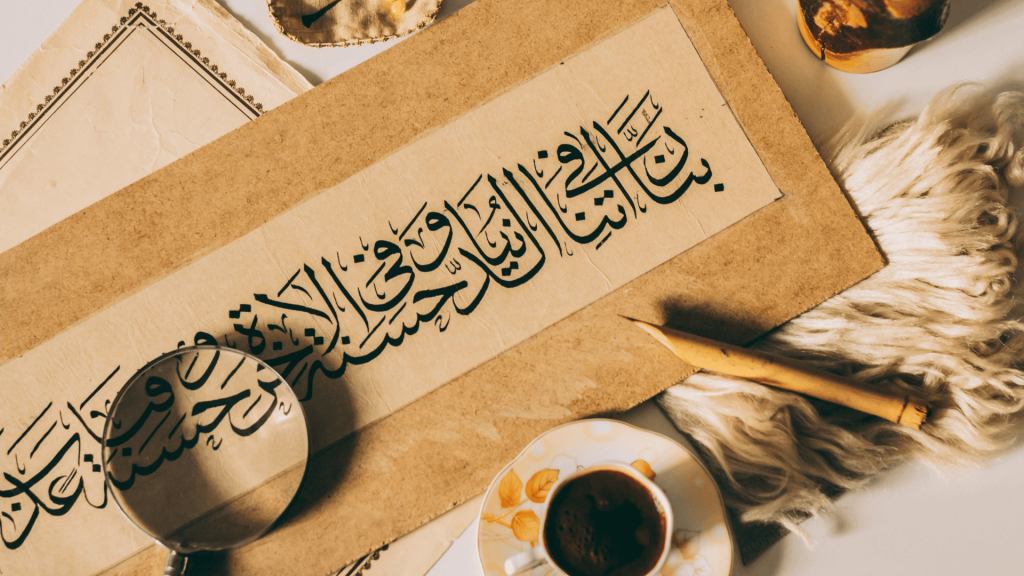
Arabic is one of those languages that refuses to stay in one shape. It stretches across continents, shifts in tone from one city to the next, and somehow manages to keep its heart the same. And one of the most fascinating things about Arabic is that the most basic words — the ones we use every day, like “welcome” and “thank you” — sound beautifully different from one region to another.
If you’ve ever tried to learn how to say welcome in Arabic, you probably discovered there’s no single “correct” version. Instead, you get a collection of dialects: some soft, some musical, some fast, some delightfully dramatic. The Levant says it one way, Egypt says it another, and the Gulf — well, they sometimes add warmth in ways only Gulf Arabic can.
These small, everyday words tell you a lot about a place. They tell you how people greet strangers, how close-knit communities are, and how politeness works in different corners of the Arab world. And once you start noticing the dialect changes, the language becomes less like a puzzle and more like a map — one filled with personality.
Importance of Dialects in Arabic
Arabic dialects aren’t “slang.” They’re living, breathing versions of the language that people use at home, in cafés, at work, in the car, on the phone — everywhere. Modern Standard Arabic (MSA) might be the formal umbrella, but dialects are the heartbeat of daily conversation.
Dialects reflect:
- geography
- history
- accents
- cultural habits
- even the rhythm of life in each region
Understanding them makes you feel much more at home in Arab conversations. It also helps you catch humor, warmth, and subtleties you’d never get from textbooks alone. “Welcome” and “thank you” happen to be two great examples of this.
How “Welcome” Is Said in Different Arabic Dialects
Let’s start with one of the most important words in Arab culture: welcome. Hospitality isn’t just a value in the Arab world — it’s almost a personality trait. And every dialect has its own flavor.
Levantine Arabic (Lebanon, Syria, Jordan, Palestine)
أهلا وسهلا — Ahlan wa sahlan
This is the classic Levantine welcome — warm, singsong, easy on the tongue. You’ll hear it everywhere: when entering someone’s home, stepping into a shop, or joining a group.
أهلا — Ahlan
A shorter, friendlier “hi” or “welcome.”
تفضل — Tfaddal / Tfaddali
Literally “please come forward,” used when inviting someone into your space.
Egyptian Arabic
أهلاً وسهلاً — Ahlan wa sahlan
Spoken with Egypt’s famous soft, bright intonation.
أهلاً — Ahlan
Also extremely common — Egyptians often stretch the “a” warmly.
اتفضل — Etfaddal / Etfaddali
Used when offering a seat, food, or entry.
Egyptian greetings feel immediate and friendly — like the country itself.
Gulf Arabic (Saudi, UAE, Kuwait, Qatar, Bahrain, Oman)
مرحبا — Marḥaba
Simple, warm, and widely used.
هلا والله — Hala wallah
A very Gulf-style welcome meaning “Hello, by God!” — friendly and slightly playful.
تفضل — Tfaddal
Used often and generously.
Gulf welcomings have a certain elegance — polite, comforting, and full of hospitality traditions.
Maghrebi Arabic (Morocco, Algeria, Tunisia, Libya)
مرحبا — Marḥba
The “ḥ” softens and the ending shifts — a distinctly Maghrebi sound.
أهلا — Ahla
Short and sweet.
تفضّل — Tfaddel
Used much like in the Levant and Gulf.
Maghrebi greetings often feel rhythmic and fast-paced, matching the dialect’s lively character.
How “Thank You” Is Said in Different Arabic Dialects
Now for another essential: thank you. Gratitude is huge in Arab culture — and every dialect expresses it differently. Before we dive in, this is a good moment to explore more ways to say thank you in Arabic, because the variety across regions is honestly fascinating.
Levantine Arabic
شكراً — Shukran
Classic, clean, widely used.
يسلمو — Yislamo
Very Levantine — warm, grateful, and often meaning “bless your hands.”
تسلم — Teslam/Teslami
A casual, friendly “thanks,” meaning “may you be safe.”
Egyptian Arabic
شكراً — Shokran
Egyptian pronunciation softens the “u” to an “o.”
متشكر / متشكرة — Muttshakkir / Muttshakkira
A more formal “thankful.”
تسلم — Teslam
Used warmly, especially after someone helps you.
Egyptian gratitude tends to be expressive but lighthearted.
Gulf Arabic
مشكور — Mashkoor / Mashkoorah
Very Gulf-specific and extremely common.
يعطيك العافية — Yaʿṭīk al-ʿāfya
Meaning “may God give you health” — a beautiful way of saying thank you.
شكراً — Shukran
Still common, especially in formal settings.
Maghrebi Arabic
بارك الله فيك — Barak Allah fik
A heartfelt “thank you,” meaning “God bless you.”
ربي يخليك — Rabbi ykhallik
A warm, familiar expression of appreciation.
شكراً — Shukran
Still used but less frequently than in the Middle East.
Key Cultural Differences and Etiquette Around “Welcome” and “Thank You”
Here’s where things get interesting: the words don’t just change — the rules do too.
- In the Levant, people often insist you “don’t thank them,” replying with “ولا يهمك” (don’t worry about it).
- In Egypt, people respond to compliments and thanks with jokes or blessings.
- In the Gulf, gratitude and hospitality often come wrapped in religious phrases.
- In the Maghreb, “thank you” sometimes sounds like a blessing, not just a polite line.
Hospitality in Arab cultures is almost competitive — in a friendly way. Hosts want to outdo themselves, and guests often hear “welcome” ten times before sitting down.
Practical Tips for Learners of Arabic
- Start with MSA but embrace dialects early. You won’t survive daily conversation with MSA alone.
- Listen more than you speak at first. Dialect rhythm matters.
- Match the dialect to your goal. Levantine for travel, Egyptian for media, Gulf if you live in the Gulf.
- Use safe universal phrases. “Shukran” and “Ahlan wa sahlan” work anywhere.
- Practice with locals. Arabs love when learners try their dialect — even imperfectly.
- Note the etiquette. Sometimes the reply matters more than the phrase itself.
Conclusion
Arabic welcomes you differently depending on where you stand — Beirut, Cairo, Dubai, Tunis — each place has its own greeting, its own warmth, its own musicality. The same goes for “thank you,” which can sound formal, playful, spiritual, or poetic depending on the dialect.
Learning these variations doesn’t just improve your language skills — it opens a door into culture, humor, manners, and connection across the Arab world. And honestly? It makes the journey a lot more fun.
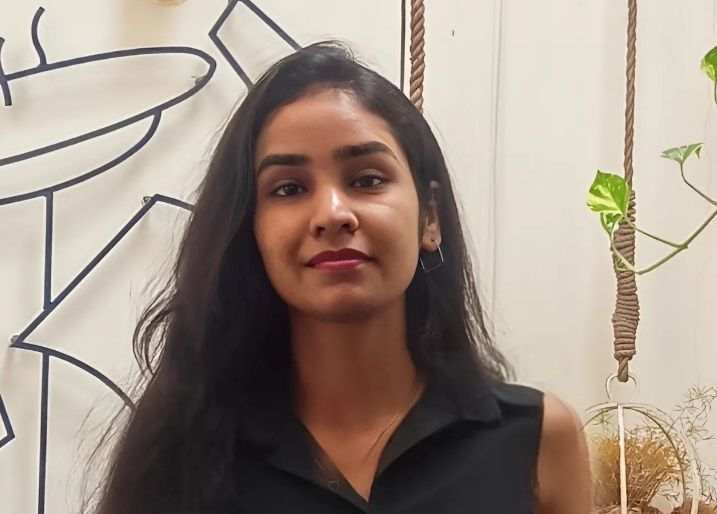
Himani Verma is a seasoned content writer and SEO expert, with experience in digital media. She has held various senior writing positions at enterprises like CloudTDMS (Synthetic Data Factory), Barrownz Group, and ATZA. Himani has also been Editorial Writer at Hindustan Time, a leading Indian English language news platform. She excels in content creation, proofreading, and editing, ensuring that every piece is polished and impactful. Her expertise in crafting SEO-friendly content for multiple verticals of businesses, including technology, healthcare, finance, sports, innovation, and more.