Why Inflatables Are Reshaping Local Events
Across parks, school fields, and town squares, inflatables are changing how communities design gatherings of all sizes. Where classic bounce houses once defined children’s parties, modern inflatables now include lively obstacle courses, interactive games, artful structures, and even entire themed environments. Event organizers value these options for their quick setup, bright visibility, and ability to adapt to groups of all ages. For families, inflatables become a central spot where children play freely and adults connect nearby. They can fill large, open spaces, making venues feel energetic even with modest crowds. This visual impact, versatility, and encouragement of social interaction explains why inflatables are now a staple in neighborhood and city-wide events across the United States.
Interactive Play Zones For All Ages
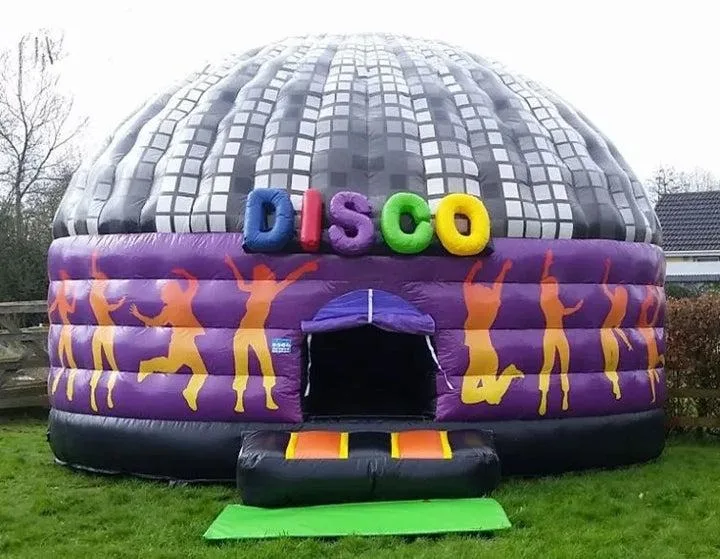
One significant development is the rise of inflatable play zones designed for multigenerational fun. Rather than placing a single bounce castle in a corner, event planners create interconnected modules—slides, climbing walls, and gentle obstacle tracks—that appeal to all ages. Younger children can enjoy low-height structures with soft, secure boundaries, while teens and adults tackle more challenging features that inspire playful competition. This zoned approach encourages families to stay together in one large, cohesive play area, each finding their desired comfort and activity level. Some events also mix inflatables with timeless games or crafting stations, offering a change of pace. Organizing attractions in zones not only enhances the variety of activities but also improves crowd management and safety supervision throughout the event.
Themed Environments That Tell A Story
A growing trend is using inflatables to build immersive themed environments, transforming public spaces into memorable, story-driven experiences. Instead of simply dotting a field with amusements, event organizers now cluster inflatables around concepts like jungle adventures, cosmic journeys, or ocean explorations. Participants are immersed in these settings, moving from one scene to the next, aided by coordinated colors, props, and signage. For school fairs and seasonal celebrations, such storytelling builds cohesion and makes events stand out. These environments also provide room for educational activities, such as pairing a “deep sea” inflatable with marine science displays. Themed planning turns each event into a unified experience, making gatherings more inviting for people of all ages and interests. Resources like https://gotinflatables.com/ illustrate just how dynamic and creative modern inflatable experiences can be, with guidance on matching designs to specific event goals.
New Roles For Inflatables Beyond Play
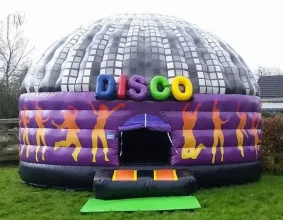
Inflatables are not just for recreation anymore. At charity runs and school sports days, inflatable arches and tunnels now mark start and finish lines, adding energy and visibility. Inflatable domes and tents serve as flexible, weather-protected spaces for workshops, quiet zones, or information areas at festivals. Event organizers also experiment with inflatable art installations that use light, sound, and color to transform familiar settings. These innovations turn inflatables into practical solutions for wayfinding, shelter, and placemaking, all while maintaining a welcoming ambiance. Ensuring safety and accessibility is crucial, so event teams focus on factors such as:
- Strategic placement to keep routes clear for guests and emergency access
- Clear signage distinguishing play spaces, shelters, and art features
- On-site supervision to assist visitors and monitor busy zones
By viewing inflatables as multi-purpose tools, communities can create flexible layouts and activities that traditional structures might not allow. Many inflatable options are reusable and configurable, supporting sustainable, budget-friendly event planning.
Inclusive Design And Practical Planning Considerations
With inflatables becoming integral to local events, organizers are addressing the needs of community members with varying abilities and backgrounds. Strategies that support inclusion include:
- Providing low-sensory zones for quieter, less stimulating play
- Posting simple rules at entrances, often in multiple languages
- Scheduling “quiet sessions” with fewer participants and slower-paced activities
Weather is another important factor, as inflatables are affected by wind and surface conditions; having contingency plans such as indoor alternatives helps events run smoothly. Authorities and partners increasingly expect proper insurance, trained staff, and regular safety checks. With creative vision and careful planning, inflatables are transforming public spaces into lively centers where everyone feels welcome to play, gather, and build lasting memories year after year.