In today’s world, keeping up with how we talk to each other is a big deal. Technology changes fast, and understanding it all can feel like a lot. This guide is here to break down communication technology and ICT, looking at what makes it tick, how it’s changing things, and what we can expect next. We’ll cover the basics of ICT, the pieces that make it work, and the big technologies that are shaping our lives.
Key Takeaways
- Information and Communication Technologies (ICT) are tools that help us share and get information using things like the internet and phones.
- The basic parts of communication technology include the physical gear (hardware), the programs that run it (software), and the systems that connect everything (networks).
- Big technologies like the internet, mobile devices, and cloud computing have changed how we connect and access information.
- ICT has a huge effect on how we learn, do business, and connect with others, making the world feel smaller.
- There are challenges with ICT, like making sure everyone can use it, keeping our information safe, and thinking about how we use technology responsibly.
Understanding Information and Communication Technologies
Defining ICT: A Foundation for Modern Communication
Information and Communication Technologies, or ICT, is a broad term that covers all the ways we use technology to communicate and access information. Think of it as the digital toolbox that lets us connect with each other and the world around us. This includes everything from the phones in our pockets and the computers we use for work, to the vast networks that make the internet possible. ICT is the engine driving our increasingly connected lives. It’s not just about having the latest gadgets; it’s about how these tools help us share ideas, learn new things, and get things done.
The Evolving Landscape of Communication Technology
Communication technology hasn’t always been this advanced. We’ve come a long way from sending letters by mail to instant video calls across continents. The pace of change is pretty remarkable. What was cutting-edge a decade ago might seem old-fashioned now. This constant evolution means that what we consider ‘communication technology’ today will likely look very different in the future. It’s a dynamic field, always pushing boundaries and finding new ways for us to interact.
Here’s a quick look at how communication has changed:
- Early Days: Smoke signals, drums, and messengers.
- The Print Era: Newspapers, books, and the telegraph.
- The Electronic Age: Radio, television, and the telephone.
- The Digital Revolution: Computers, the internet, mobile phones, and social media.
ICT’s Role in a Connected World
Today, ICT plays a massive part in how we live, work, and play. It’s the backbone of global commerce, allowing businesses to reach customers anywhere. It’s transforming education, giving students access to resources they never had before. And, of course, it’s changed how we socialize, keeping us in touch with friends and family, no matter the distance. We’re living in a time where information travels at lightning speed, and ICT is what makes it all happen.
The way we interact with information and each other has been fundamentally reshaped by ICT. It’s not just a tool; it’s become an integral part of our daily routines and societal structures.
Core Components of Communication Technology
Hardware: The Physical Infrastructure
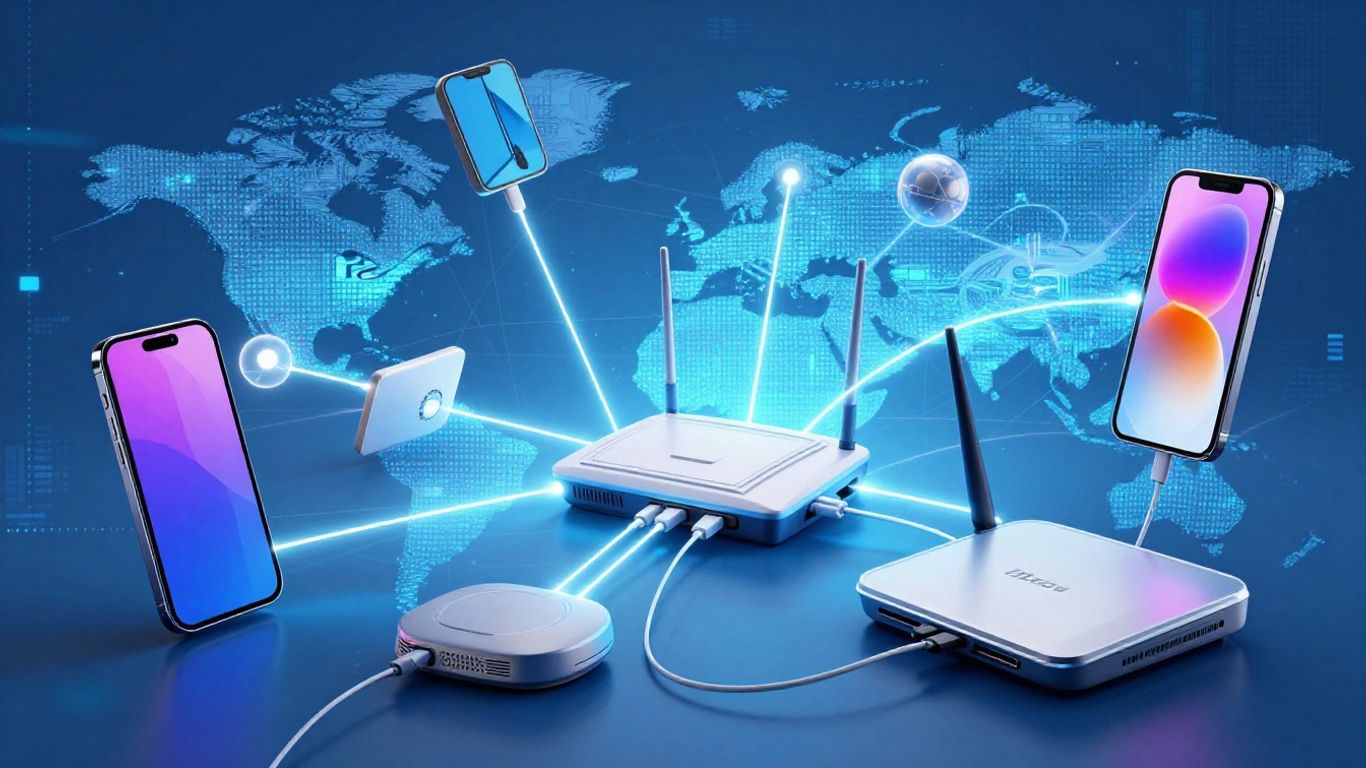
When we talk about communication technology, the first thing that often comes to mind is the physical stuff – the hardware. This includes everything from the computer you’re using right now to the cables that connect everything and the servers that store information. Think of it as the skeleton and muscles of our digital world. Without these physical pieces, none of the digital communication we rely on would be possible. It’s the tangible foundation upon which all our digital interactions are built.
Here are some key hardware examples:
- Computers and Mobile Devices: Laptops, desktops, smartphones, and tablets are our primary tools for accessing and interacting with communication systems.
- Networking Equipment: Routers, switches, modems, and network interface cards (NICs) are vital for directing data traffic and connecting devices.
- Servers: These powerful computers store and manage data, host websites, and run applications that enable communication services.
- Cabling and Wireless Transmitters: Ethernet cables, fiber optics, Wi-Fi antennas, and cellular towers are the pathways that carry our digital signals.
The performance and reliability of communication systems are directly tied to the quality and maintenance of their underlying hardware. Upgrades and proper upkeep are not just about speed; they’re about keeping the lines of communication open and stable.
Software: The Driving Force Behind Communication
If hardware is the body, then software is the brain and nervous system. It’s the set of instructions that tells the hardware what to do and how to do it. Software is what makes our devices smart and allows them to perform complex tasks like sending emails, making video calls, or browsing the web. It’s the invisible engine that powers our digital conversations and information exchange.
Consider these types of software:
- Operating Systems: Software like Windows, macOS, iOS, and Android manage the basic functions of our devices and provide a platform for other applications.
- Applications (Apps): These are programs designed for specific tasks, such as email clients (Outlook, Gmail), messaging apps (WhatsApp, Signal), video conferencing tools (Zoom, Teams), and web browsers (Chrome, Firefox).
- Network Protocols: These are sets of rules that govern how data is transmitted and received across networks. Examples include TCP/IP, HTTP, and SMTP.
- Firmware: Software embedded directly into hardware devices, controlling their basic operations.
Networks: Connecting Devices and People
Hardware and software work together, but they need a way to connect. That’s where networks come in. Networks are the systems that link devices and allow them to share information and communicate with each other. They can range from a small home network connecting a few devices to the vast global network of the internet.
Here’s a look at network types:
- Local Area Networks (LANs): These connect devices within a limited area, like a home, office, or school.
- Wide Area Networks (WANs): These span larger geographical areas, connecting multiple LANs. The internet is the most prominent example of a WAN.
- Wireless Networks (Wi-Fi, Cellular): These allow devices to connect without physical cables, offering mobility and convenience.
The interconnectedness provided by networks is what truly defines the modern communication landscape. It’s how we can instantly share ideas, collaborate on projects, and stay in touch with loved ones, no matter the distance.
Key Technologies Shaping ICT

Information and Communication Technologies (ICT) are built upon a few really important technologies that make everything work. Think of them as the engines and roads of our digital world. Without these, the way we connect, share, and access information would be completely different. Let’s break down the big three that are really driving things forward.
The Internet: A Global Network of Information
The internet is probably the most obvious one. It’s this massive, interconnected web of computers and devices all over the planet. It’s how we get to websites, send emails, and stream videos. It’s not owned by any single entity, which is part of what makes it so powerful and adaptable. The internet has changed how we get news, how we shop, and even how we learn. It’s the backbone for so many other technologies we use every day.
- Global Reach: Connects billions of devices worldwide.
- Information Access: Provides a vast repository of data and resources.
- Platform for Services: Enables everything from e-commerce to social media.
The internet’s decentralized nature means it can adapt and grow without central control, leading to constant innovation and new ways for people to interact and share.
Mobile Technologies: Communication On The Go
Smartphones and tablets have put the power of the internet and communication right into our pockets. Mobile technology has changed how we communicate, work, and entertain ourselves. We can video call, text, access apps, and browse the web from almost anywhere. This constant connectivity has blurred the lines between our personal and professional lives, and it’s still evolving rapidly with faster networks like 5G.
- Ubiquitous Access: Enables communication and information access anytime, anywhere.
- App Ecosystem: Supports a wide range of specialized applications for various needs.
- Location-Based Services: Powers navigation, local search, and personalized experiences.
Cloud Computing: Accessible Resources and Services
Cloud computing is like having a giant, remote computer system that you can access over the internet. Instead of storing all your data and running all your software on your own device, you use services provided by companies like Amazon, Microsoft, or Google. This makes it easier to share files, collaborate on projects, and access powerful software without needing expensive hardware. It’s a big part of how businesses manage their data and how many online services operate today. Protecting sensitive customer information is a big part of cloud security, especially for global organizations [d124].
- Scalability: Easily adjust resources up or down as needed.
- Cost-Effectiveness: Often reduces the need for expensive on-premises hardware.
- Flexibility: Access data and applications from any internet-connected device.
Impact and Applications of ICT
Information and Communication Technologies, or ICT, have really changed how we do things, not just in how we talk to each other, but in pretty much every part of our lives. It’s not just about having faster internet or cooler phones anymore; it’s about how these tools are reshaping entire fields.
Transforming Education Through ICT Integration
Think about schools and learning. ICT has opened up so many new ways for students to learn and for teachers to teach. Instead of just textbooks, students can now access a world of information online, watch educational videos, and even participate in virtual field trips. Teachers can use interactive whiteboards, educational software, and online platforms to make lessons more engaging and personalized. This shift means learning can happen anytime, anywhere, and often in ways that better suit individual student needs.
- Personalized Learning Paths: ICT allows for tailoring educational content to a student’s pace and style.
- Global Collaboration: Students can connect with peers and experts from around the world, broadening their perspectives.
- Access to Resources: Digital libraries, simulations, and online courses provide learning materials that might not be available locally.
The integration of ICT in education isn’t just about adding technology; it’s about rethinking teaching and learning strategies to prepare students for a digital future.
Business and Commerce in the Digital Age
Businesses have been completely transformed by ICT. Online shopping, or e-commerce, is now a massive part of the global economy. Companies can reach customers far beyond their local area, and consumers have access to a wider range of products and services. Internally, ICT helps businesses operate more efficiently. Think about communication tools that let teams collaborate across different offices or even countries, or software that manages inventory and customer relationships. This digital transformation has made businesses more agile and competitive.
Here’s a quick look at some key areas:
| Business Area | ICT Application |
|---|---|
| Sales & Marketing | E-commerce platforms, digital advertising, CRM systems |
| Operations | Supply chain management software, automation tools |
| Communication | Email, video conferencing, instant messaging |
| Human Resources | Online recruitment, HR management software |
Social Interaction and Community Building
It’s not just work and school; ICT has also changed how we connect with each other. Social media platforms, messaging apps, and online forums allow people to stay in touch with friends and family, no matter the distance. They also create new spaces for people to find others with shared interests, forming online communities around hobbies, support groups, or professional networks. This ability to connect and share experiences globally has fundamentally altered social dynamics. While it brings people closer, it also presents new ways for communities to form and interact, sometimes bridging geographical divides in ways never before possible.
Navigating the Challenges in ICT
While Information and Communication Technologies (ICT) offer incredible benefits, their widespread adoption isn’t without its hurdles. We need to be aware of these issues to make sure everyone can benefit and that we use these tools responsibly.
Bridging the Digital Divide
One of the biggest challenges is making sure everyone has access to ICT. This isn’t just about having a computer or a smartphone; it’s also about having reliable internet service and the skills to use the technology effectively. When some people have access and others don’t, it creates a gap, often called the digital divide. This can lead to unequal opportunities in education, jobs, and even staying connected with loved ones.
- Geographic Location: Rural areas often have less access to high-speed internet compared to urban centers.
- Socioeconomic Status: The cost of devices and internet subscriptions can be a barrier for lower-income households.
- Age and Digital Literacy: Older generations or those with less exposure may struggle with learning new technologies.
Addressing this divide requires a multi-faceted approach, including infrastructure development, affordable access programs, and digital literacy training.
Ensuring Data Privacy and Security
As we share more information online, protecting that data becomes really important. Think about all the personal details we put into apps and websites – from our addresses to our financial information. Keeping this information safe from hackers and misuse is a constant challenge. Data breaches can have serious consequences, leading to identity theft and financial loss.
We must be vigilant about how our personal information is collected, stored, and used by companies and organizations. Understanding privacy policies and using strong security practices, like unique passwords and two-factor authentication, are key steps for individuals.
Ethical Considerations in Technology Use
Beyond access and security, there are ethical questions we need to think about. How do we use technology in ways that are fair and respectful? This includes issues like:
- Algorithmic Bias: When the data used to train AI systems reflects existing societal biases, the AI can perpetuate or even worsen discrimination.
- Misinformation and Disinformation: The ease with which false information can spread online poses a threat to informed decision-making and public trust.
- Digital Well-being: The constant connectivity and the design of some platforms can lead to issues like addiction, anxiety, and social comparison.
Thinking critically about the impact of ICT on individuals and society helps us make better choices about how we develop and use these powerful tools.
The Future of Communication Technology
Emerging Trends in ICT
The world of Information and Communication Technology (ICT) is always on the move. What seems cutting-edge today might be standard practice tomorrow. We’re seeing a lot of exciting developments that are set to change how we connect and share information even further. Think about artificial intelligence (AI) – it’s not just for chatbots anymore. AI is starting to play a bigger role in personalizing our digital experiences, from how we get news to how we interact with smart devices. Then there’s the continued expansion of 5G and the upcoming 6G networks. These aren’t just about faster internet speeds; they’re about enabling new kinds of communication, like truly immersive virtual and augmented reality experiences that feel incredibly real.
Preparing for Tomorrow’s Communication Needs
So, how do we get ready for what’s next? It’s a mix of learning and adapting. For individuals, it means staying curious and open to new tools and platforms. For businesses and organizations, it involves thinking ahead about how these new technologies can improve what they do. This could mean investing in training for employees or redesigning systems to take advantage of faster, more connected networks. It’s also about making sure everyone can keep up.
Here are a few key areas to focus on:
- Digital Literacy: Continuing to build skills in using and understanding digital tools is more important than ever.
- Adaptability: Being willing to learn and adjust to new technologies as they emerge.
- Infrastructure Investment: Supporting the development of robust and accessible communication networks.
- Ethical Frameworks: Developing guidelines for responsible use of new technologies, especially concerning data and AI.
The Continuous Evolution of ICT
It’s pretty clear that ICT isn’t a static field. It’s constantly changing, driven by innovation and our own needs to connect and share.
The pace of change in ICT means that what we consider advanced today will likely be commonplace in the near future. This ongoing transformation requires a proactive approach to learning and adoption to fully benefit from the evolving digital landscape.
Looking ahead, we can expect even more integration of technology into our daily lives, making communication more intuitive, efficient, and perhaps even more personal. The journey of ICT is far from over; it’s really just getting more interesting.
Wrapping Up Our ICT Journey
So, we’ve covered quite a bit about Information and Communication Technologies, or ICT. It’s clear these tools are more than just gadgets; they’ve really changed how we connect and share information. From simple emails to complex video calls, ICT helps bridge distances and bring people together. As we move forward, understanding how these technologies work and how we use them will only become more important. Think of it like learning to use a new tool – the more you practice, the better you get. Keep exploring, keep learning, and stay curious about the ever-changing world of ICT. It’s a big part of our lives now, and it’s pretty interesting to see where it all goes next.
Frequently Asked Questions
What exactly are Information and Communication Technologies (ICT)?
Think of ICT as all the tools and systems we use to share and access information. This includes things like the internet, smartphones, computers, and even older technologies like phones. They help us connect and get information quickly, no matter how far apart we are.
How has communication technology changed over time?
Communication technology has come a long way! We’ve gone from sending letters to instant messages and video calls. Each step has made it easier and faster to talk to people and share ideas across the globe, making the world feel smaller.
What are the main parts that make up communication technology?
Communication tech has three main parts: the physical stuff like computers and wires (hardware), the programs that make them work (software), and the way these devices are linked together to share information (networks).
How does the internet fit into communication technology?
The internet is a huge part of ICT. It’s like a giant network connecting billions of devices worldwide, allowing us to share vast amounts of information, communicate instantly, and access services from almost anywhere.
What are some common ways ICT is used today?
ICT is used everywhere! It helps students learn in new ways, businesses operate more efficiently, and people stay connected with friends and family. From online shopping to social media, ICT has changed how we live, work, and play.
Are there any downsides to using so much communication technology?
Yes, there are challenges. We need to make sure everyone has access to these technologies (the digital divide), protect our personal information online, and think about how we use technology in a responsible and fair way.

Peyman Khosravani is a seasoned expert in blockchain, digital transformation, and emerging technologies, with a strong focus on innovation in finance, business, and marketing. With a robust background in blockchain and decentralized finance (DeFi), Peyman has successfully guided global organizations in refining digital strategies and optimizing data-driven decision-making. His work emphasizes leveraging technology for societal impact, focusing on fairness, justice, and transparency. A passionate advocate for the transformative power of digital tools, Peyman’s expertise spans across helping startups and established businesses navigate digital landscapes, drive growth, and stay ahead of industry trends. His insights into analytics and communication empower companies to effectively connect with customers and harness data to fuel their success in an ever-evolving digital world.