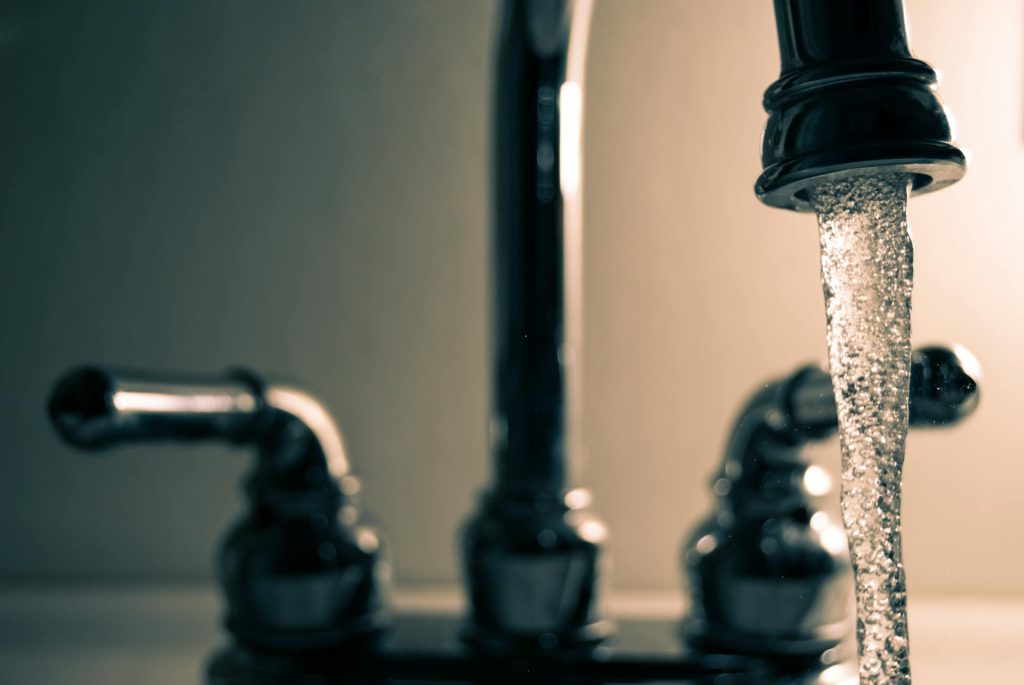
Seeing weird colors in your tap water is a shock for any homeowner. You expect clear liquid when you turn on the faucet to wash your face or fill a glass. These changes usually signal a problem within the pipes or the heater.
Understanding the root cause helps you decide if you need a pro or a simple DIY fix. Most issues are related to mineral buildup or aging components inside the system.
Identifying Rust In Your Plumbing
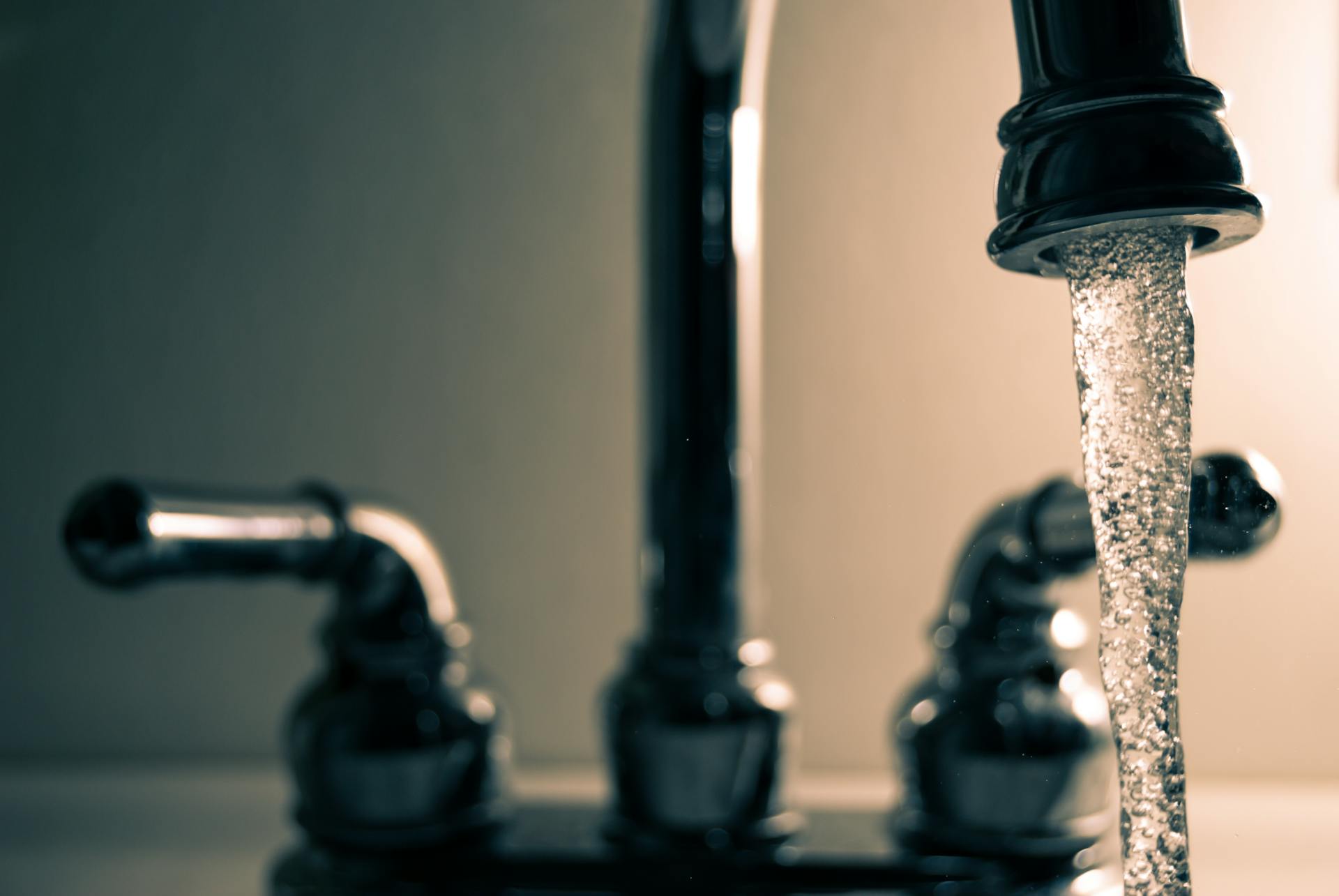
Orange or brown tints often point to iron oxidation inside the metal lines. This happens when older pipes start to corrode from the inside out. The rust flakes off and mixes with the liquid as it travels to your sink.
You might notice the color more after the water has been sitting for a few hours. This is common in guest bathrooms or vacation homes that do not see daily use. The sitting water has more time to pick up metallic particles from the pipe walls.
Running the cold water for several minutes usually clears the temporary buildup. If the color persists, the issue is likely deeper in the main line.
Hard Mineral Buildup at Home
High mineral content is a frequent reason for unexpected stains on sinks and tubs. Many water quality plumbing issues stem from hard water deposits that accumulate. These minerals can clog up your fixtures and reduce the flow of liquid throughout the house.
Magnesium and calcium are the most common elements found in heavy concentrations. They create a scaly buildup that looks white or chalky on your showerheads. This buildup can eventually restrict the movement of liquid and lower your pressure.
Installing a water softener is a long-term solution for this specific problem. It swaps out the heavy minerals for sodium ions to keep the liquid clear.
Solving Yellow Tints In The Bathroom
Yellow water is often a less intense version of the rust problem found in older homes. It can even be caused by local utility work that stirs up sediment in the city mains. When the city flushes fire hydrants, the surge of liquid can pull old deposits into your service line.
One expert blog mentions that flushing out the pipes is a common way to fix rust-related stains. This involves running all your high-flow faucets at once to push out the debris. You should start with the bathtub and outdoor spigots to clear the largest volume of liquid.
If the yellow tint only appears with hot water, the tank might be the source. Sediment at the bottom of the heater can swirl around and change color as the liquid warms up.
Dealing With Black Specks And Particles
Small black flakes can look like coffee grounds floating in your bathtub or sink. These are often bits of rubber or plastic from failing gaskets and washers. As these parts age, they dry out and crumble into the flowing liquid.
A plumbing guide suggests that water heaters older than 20 years usually require a full replacement to stop particle buildup. This prevents the inner lining from disintegrating further and entering your supply.
Newer models are more efficient and help keep your liquid free from these dark contaminants. You can check the faucet aerators to see if they are catching these tiny black pieces.
Fixing Cloudy Or Milky Appearances
Cloudy water is often just trapped air bubbles that eventually rise and disappear. This happens during colder months when the liquid holds more dissolved oxygen than usual. The change in temperature or pressure creates tiny bubbles that make the liquid look opaque.
A maintenance report recommends using pressure-reducing valves to help clear up cloudy liquid flow. These devices manage the force of the liquid to keep air from getting trapped in the lines. This keeps the stream steady and clear as it leaves your faucet.
You can test this by filling a glass and letting it sit on the counter for 2 minutes. If the liquid clears from the bottom up, the cloudiness is only air.
Understanding Green And Blue Tints
Green or blue tints are a sign that copper pipes are corroding. This is often caused by acidic water that eats away at the metal surface of the plumbing. The copper dissolves into the liquid and leaves bright stains on your porcelain surfaces.
These stains are hard to scrub off and can eventually lead to pinhole leaks in your walls. You should check the pH levels of your supply if you see these colors regularly. Acidic liquid is a common problem for homes with private wells or older municipal systems.
Adding a neutralizer to the system can balance the acidity and protect your copper lines. This step saves money by preventing expensive pipe replacements later.
Keeping your home’s liquid supply clean is a top priority for health and comfort. Regular maintenance helps you catch small issues before they turn into major repairs. Simple tasks like flushing lines or checking heaters go a long way in maintaining clarity.
Watch for changes in color or flow to stay ahead of potential plumbing failures. Taking quick action confirms your household stays running without any messy surprises. Clear liquid is the sign of a healthy plumbing system that will last for years.

A dad of 3 kids and a keen writer covering a range of topics such as Internet marketing, SEO and more! When not writing, he’s found behind a drum kit.