
Keeping tabs on your crypto holdings across different blockchains can feel like a juggling act. With assets spread across Ethereum, Polygon, Base, and more, knowing your total balance isn’t always straightforward. This guide is here to simplify things, showing you how to check wallet balance on all chains without breaking a sweat. We’ll look at different ways to keep track, from simple tools to more advanced methods, so you can get a clear picture of your entire crypto portfolio.
Key Takeaways
- Tracking your crypto across multiple blockchains is important for managing your investments and understanding your total net worth.
- Simple methods like using blockchain explorers exist, but they can be time-consuming and don’t show a full portfolio view.
- Dedicated crypto portfolio trackers offer a much easier way to check wallet balance on all chains by connecting your wallets or adding addresses.
- Advanced tools can show not just balances, but also your DeFi positions and NFT collections across different networks.
- Setting up alerts can help you stay informed about important wallet activities and market movements.
Understanding The Need For Multi-Chain Wallet Tracking
Why Tracking Multiple Wallets Is Crucial
Keeping tabs on your crypto assets used to be simpler when everything lived on one blockchain, like Ethereum. But things have changed. Now, you might have some funds on Solana for faster transactions, maybe some NFTs on Polygon, or you’re exploring DeFi opportunities on Arbitrum. Each of these lives on a different network, and if you’re not careful, it’s easy to lose track of where everything is. This scattered approach can lead to missed opportunities and a fuzzy picture of your overall financial health in the crypto space. It’s like having money in several different banks; you wouldn’t just check one to see how much you have, right?
The Evolving Landscape of Blockchain Ecosystems
The world of crypto isn’t just Ethereum anymore. We’ve seen a huge growth in different blockchains, each with its own strengths and uses. Think about it: some chains are built for speed, others for lower fees, and some are specifically designed for things like NFTs or complex financial applications. As a result, people naturally spread their assets around to take advantage of these different features. This means your digital assets might be spread across networks like:
- Ethereum
- Solana
- Polygon
- Binance Smart Chain
- Avalanche
- And many more…
This expansion is great for innovation, but it makes tracking your total holdings a lot more complicated than it used to be.
Benefits of Comprehensive Portfolio Management
When you can see all your crypto assets in one place, regardless of which blockchain they’re on, you gain a lot of advantages. It helps you:
- Get a Clear Financial Picture: You’ll know exactly how much you own and its current value across all your wallets and chains.
- Make Better Decisions: Seeing your entire portfolio helps you decide where to invest next, when to sell, or where to move assets for better returns.
- Improve Security: Regularly checking all your holdings can help you spot any unusual activity or unauthorized transactions quickly.
- Simplify Taxes: Having a consolidated view of your transactions makes tax reporting much easier.
Managing your crypto assets effectively across different blockchains is no longer a luxury; it’s a necessity for anyone serious about their digital investments. A unified view brings clarity and control.
Without a good way to track everything, you’re essentially flying blind, which isn’t ideal when dealing with potentially valuable assets.
Exploring Methods To Check Wallet Balance On All Chains
Keeping tabs on your crypto assets across different blockchains can feel like juggling. You’ve got your main Ethereum wallet, maybe a Polygon wallet for some cheaper transactions, and perhaps even a few assets on a Binance Smart Chain account. It’s easy to lose track if you’re not careful. Fortunately, there are several ways to get a handle on your multi-chain holdings.
Manual Tracking With Blockchain Explorers
This is the most basic approach. Think of blockchain explorers like Etherscan (for Ethereum), BscScan (for Binance Smart Chain), or Polygonscan (for Polygon) as public ledgers. You can type in any wallet address, and it’ll show you the transactions and current token balances for that specific chain.
- Pros:
- Completely free to use.
- Provides real-time transaction data.
- You can see exactly what’s happening on a particular blockchain.
- Cons:
- It’s not very user-friendly, especially if you’re new to crypto.
- You have to check each chain separately – no big picture here.
- Doesn’t show your DeFi positions or NFT collections.
This method is like checking individual bank statements for each account you have, rather than looking at a consolidated financial overview. It works, but it’s time-consuming and easy to miss things.
Leveraging Centralized Exchange Portfolio Trackers
Many major cryptocurrency exchanges, like Coinbase or Binance, offer built-in tools to track your portfolio. If you keep a significant portion of your assets on these platforms, this can be a convenient way to see their value.
- Pros:
- Usually very easy to use, integrated right into the exchange interface.
- Often provides historical trading data and performance charts.
- Cons:
- This method only tracks assets held within that specific exchange. It won’t show you anything in your personal, self-custodial wallets (like MetaMask or Ledger).
- You’re relying on a third party, which carries its own security risks.
The Power of Dedicated Crypto Portfolio Trackers
This is where things get interesting for multi-chain tracking. Dedicated portfolio trackers are designed to pull data from various blockchains and DeFi protocols, giving you a unified view of all your assets. You typically connect your wallet(s) using tools like WalletConnect, or sometimes just by entering your public address.
- Key Features to Look For:
- Multi-Chain Support: Does it cover the blockchains you use (Ethereum, Polygon, BSC, Solana, etc.)?
- DeFi & NFT Tracking: Can it show your staked tokens, liquidity positions, and NFT collections?
- Real-time Updates: How frequently does the data refresh?
- User Interface: Is it easy to understand and navigate?
These tools aggregate information from hundreds of DeFi protocols and can display your balances, transaction history, and even the performance of your investments across different networks all in one place. It’s a much more efficient way to manage a diverse crypto portfolio.
Mastering Wallet Tracking With Advanced Tools
While manually checking balances on blockchain explorers can work for a single transaction or a simple wallet, it quickly becomes impractical when you’re managing assets across multiple chains and protocols. This is where advanced tools come into play, offering a more streamlined and insightful way to keep tabs on your entire crypto presence.
Connecting Your Wallet For Instant Overview
One of the most significant advancements in wallet tracking is the ability to directly connect your wallet to a portfolio management platform. This connection allows the tool to read your wallet’s activity and display your holdings in a unified dashboard, without you needing to manually input every token or transaction. Think of it like linking your bank accounts to a personal finance app – everything appears in one place.
Here’s a general process you’ll find with most advanced trackers:
- Initiate Connection: Most platforms will have a clear "Connect Wallet" button. You’ll typically choose your wallet provider (like MetaMask, Trust Wallet, or WalletConnect for hardware wallets).
- Approve Permissions: Your wallet will prompt you to approve the connection. You’ll grant the platform permission to view your wallet’s public address and transaction history, but crucially, not to move your funds.
- View Your Dashboard: Once connected, the platform will automatically fetch and display your assets across all the chains it supports. This includes tokens, NFTs, and often your positions in decentralized finance (DeFi) protocols.
This direct connection is the fastest way to get a real-time snapshot of your entire crypto portfolio.
Monitoring DeFi Positions And NFT Holdings
Beyond just tracking token balances, advanced tools excel at monitoring your involvement in the decentralized finance (DeFi) ecosystem and your non-fungible token (NFT) collections. These areas can be particularly complex to track manually.
- DeFi Tracking: These platforms can identify your staked tokens, liquidity pool positions, and loans across various DeFi protocols. They often show not just the value of your assets but also accrued rewards and potential impermanent loss.
- NFT Tracking: You can see your entire NFT collection, often with estimated floor prices and historical sales data. This helps you understand the current market value of your digital art and collectibles.
Utilizing Mobile Applications For On-The-Go Tracking
In today’s fast-paced world, being able to check your portfolio from anywhere is a major advantage. Many of the leading advanced tracking tools offer dedicated mobile applications.
These apps typically mirror the functionality of their web counterparts, allowing you to:
- Connect your wallet securely.
- View your consolidated portfolio across multiple chains.
- Monitor DeFi and NFT holdings.
- Receive real-time notifications (which we’ll discuss more later).
Having this capability means you’re never out of touch with your assets, whether you’re commuting, traveling, or simply away from your computer. It provides peace of mind and the ability to react quickly to market changes.
Strategies For Tracking Any Wallet Address
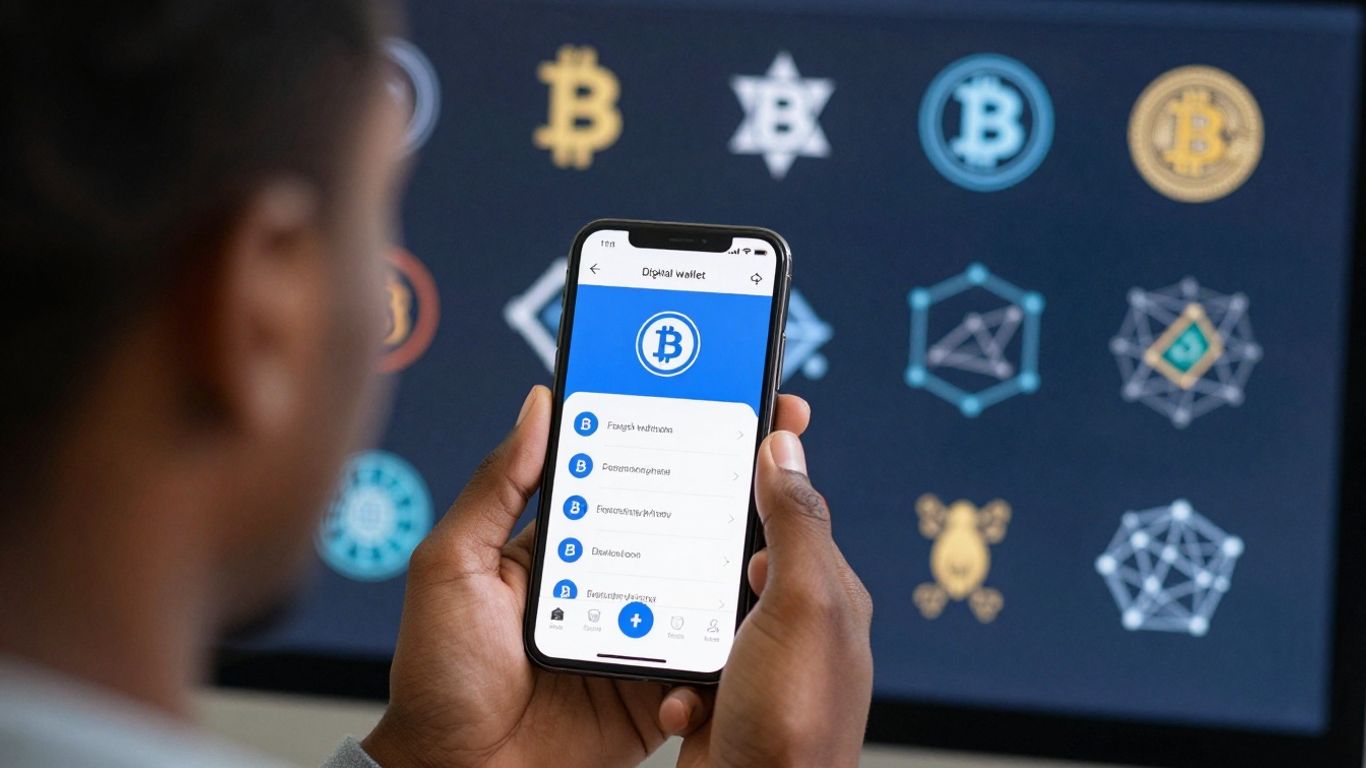
Tracking crypto wallets, whether they belong to you or someone else, is a core part of managing your digital assets. Since blockchains are public ledgers, every transaction and balance is visible. This transparency allows for detailed monitoring, but it also means you need a good system to keep track of everything.
Viewing Your Own Wallet’s Activity
Keeping tabs on your own crypto holdings across different chains can get complicated fast. You might have one wallet for daily spending, another for DeFi farming, and maybe even a hardware wallet for long-term storage. To get a clear picture, you’ll want to use tools that can connect to your wallets directly.
- Connect your wallet: Most portfolio trackers allow you to connect your wallet using methods like WalletConnect or by directly linking your browser extension (like MetaMask).
- See all assets in one place: Once connected, the tool will display your balances, transaction history, and even your DeFi positions and NFTs across all supported chains.
- Monitor performance: You can then see how your overall portfolio is doing, track individual asset performance, and identify any unexpected changes.
The key is to find a tool that supports the blockchains you use and can aggregate data from all your different wallets into a single, easy-to-understand dashboard.
Monitoring Public Wallet Addresses
Ever wondered what a prominent investor is holding, or want to keep an eye on a specific project’s treasury? Because wallet addresses are public, you can monitor them just like your own. This is often called ‘whale watching’ or ‘copy trading’ when people try to mimic the trades of successful investors.
Here’s how you can approach it:
- Find the Address: You’ll need the public wallet address. This can sometimes be found through project documentation, social media announcements, or by using blockchain analytics tools that link addresses to known entities.
- Use a Portfolio Tracker: Input the public address into a portfolio tracker. Tools like Zerion, DeBank, or Zapper can show you the current holdings, transaction history, and DeFi interactions associated with that address.
- Add to Watchlist: Most tracking platforms allow you to add specific addresses to a ‘watchlist’ or ‘favorites’ list. This makes it easy to check on them regularly without having to search for the address each time.
This ability to view public wallet activity is a powerful tool for research and understanding market movements.
Adding Wallets To A Watchlist For Continuous Monitoring
For addresses you want to keep a close eye on – whether they’re your own across multiple accounts or public addresses of interest – using a watchlist feature is incredibly useful. It automates the process of keeping up with changes.
- Set up your watchlist: Navigate to the watchlist section of your chosen portfolio tracker.
- Add addresses: Enter the wallet addresses you want to monitor. You can often add notes to remember why you’re tracking a particular address.
- Receive updates: The platform will then periodically update the information for these addresses, showing new transactions, balance changes, or shifts in holdings. Some tools even offer notifications for specific activities on watched wallets.
Enhancing Your Tracking With Real-Time Alerts
Keeping tabs on your crypto assets is one thing, but getting instant updates when something important happens? That’s where real-time alerts come in. Think of them as your personal crypto watchdog, letting you know the moment a significant event occurs with your wallets or those you’re watching.
Setting Up Custom Notifications For Wallet Activities
Most advanced portfolio tracking tools allow you to set up alerts tailored to your needs. This means you’re not just passively watching; you’re actively informed. You can choose to be notified about:
- Incoming or outgoing transactions: Get a heads-up when funds move in or out of a specific wallet.
- Changes in DeFi positions: Be alerted if your staked assets or liquidity pool contributions change significantly.
- NFT mints or sales: Stay in the loop about new acquisitions or sales in your NFT collection.
- Interactions with specific smart contracts: Monitor when your wallet interacts with particular decentralized applications.
These custom alerts help you stay on top of your portfolio’s activity without constant manual checking. For instance, if you’re involved in yield farming, an alert for a sudden drop in your staked amount could signal a problem with the protocol or a security issue.
Monitoring Whale Movements For Market Insights
Beyond your own wallets, tracking the activity of large holders, often called "whales," can provide valuable market insights. These individuals or entities often move significant amounts of cryptocurrency, and their actions can sometimes precede major market shifts. By setting up alerts for whale transactions, you can:
- Spot potential market trends: Observe if whales are accumulating or distributing specific assets.
- Gain an edge in trading: Use whale movements as a signal for potential entry or exit points.
- Understand market sentiment: Gauge the confidence of major players in the crypto space.
Tools like Arkham Intelligence or Nansen are particularly good at identifying and tracking these large wallet movements, allowing you to set up notifications for their trades or transfers across various blockchains.
Receiving Alerts For Specific Transaction Types
Sometimes, you’re interested in more than just general activity. You might want to know about specific types of transactions. For example:
- Large value transfers: Get notified when a transaction exceeds a certain monetary threshold.
- Cross-chain bridge activity: Monitor movements of assets between different blockchains, which can indicate emerging trends or risks.
- Interactions with newly deployed smart contracts: Keep an eye on early activity in new DeFi projects or protocols.
Setting up alerts for specific transaction types allows for a more granular level of monitoring. It helps filter out the noise and focus on the events that matter most to your investment strategy or security concerns. This proactive approach can save you from potential losses and help you capitalize on opportunities faster than relying on manual checks alone.
By integrating real-time alerts into your crypto tracking routine, you transform your approach from reactive to proactive, giving you greater control and awareness in the dynamic world of digital assets.
Choosing The Right Tools For Your Portfolio
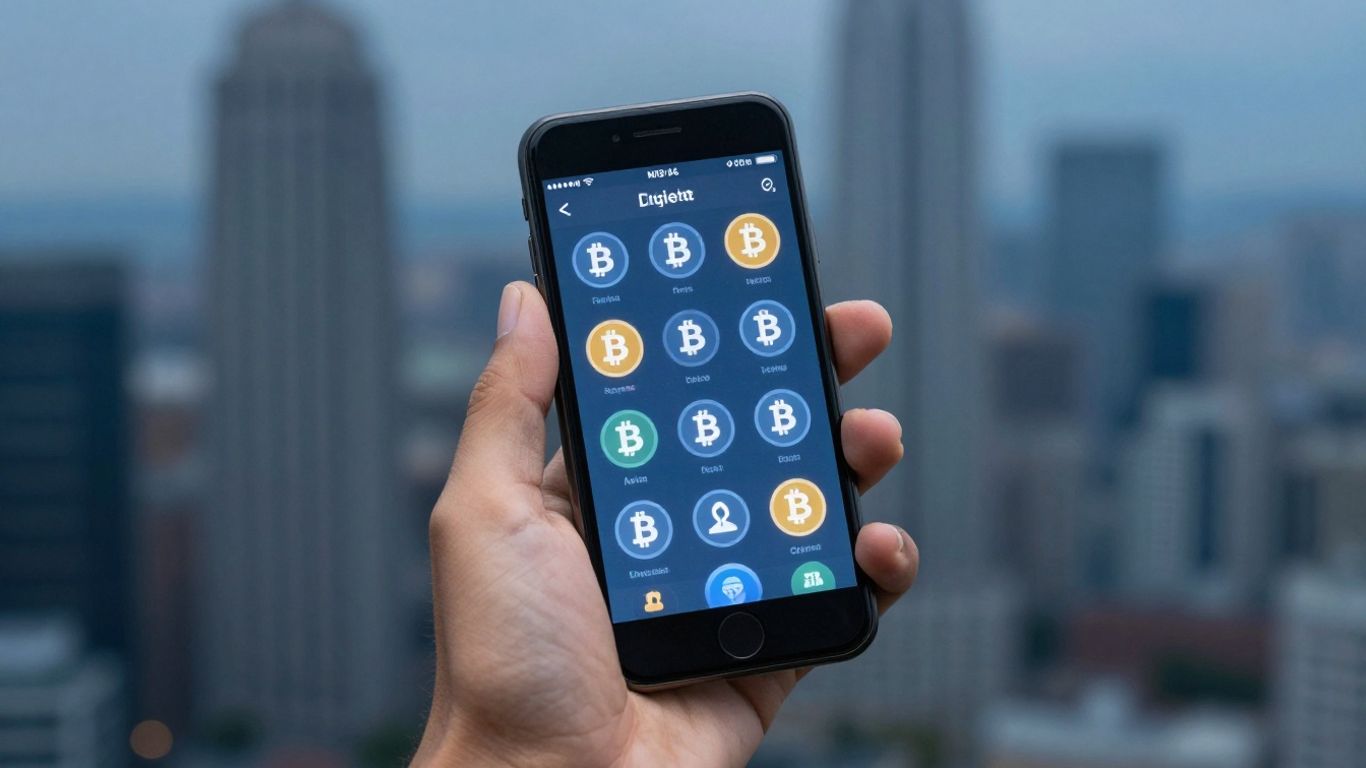
So, you’ve got your crypto spread across different chains, maybe even a few different wallets. That’s pretty common these days, actually. A recent look showed that a good chunk of people use more than one wallet. It makes sense, right? Different chains have different uses, and you might want to keep things separate for security or just organization. But keeping track of it all can feel like juggling. That’s where picking the right tracking tools comes in. It’s not just about seeing numbers; it’s about getting a clear picture of your entire crypto world.
Comparing Popular Multi-Chain Tracking Platforms
When you start looking around, you’ll see a bunch of different platforms. They all aim to do a similar thing – show you your crypto in one place – but they go about it in different ways. Some are really good at showing you every single transaction, down to the smallest detail, like a super-powered magnifying glass. Others are better at giving you a big-picture view, showing trends and how your investments are doing overall. It’s a bit like choosing between a detailed map and a satellite view; both are useful, but for different reasons.
Here’s a quick look at what some of these tools focus on:
- Detailed Transaction Analysis: Tools that let you dig into every single trade, transfer, and interaction. Great for understanding specific movements.
- Portfolio Overview: Platforms that aggregate your assets from various wallets and exchanges into a single, easy-to-read dashboard.
- DeFi & NFT Tracking: Some tools specialize in showing your positions in lending protocols, liquidity pools, and your NFT collections with current values.
- Security Auditing: Certain platforms offer features to scan smart contracts or check wallet permissions for potential risks.
Features That Differentiate Top Portfolio Trackers
What makes one tracker stand out from another? It often comes down to a few key things. First, how many different blockchains and protocols does it support? If you’re on Ethereum, Solana, Polygon, and maybe a few others, you’ll want a tool that can actually see all of them. The more chains and protocols a tracker supports, the more complete your financial picture will be.
Another big difference is how they handle your data. Some might just show you what’s in your connected wallets. Others let you connect to centralized exchanges too, giving you an even wider view. And then there are the extra features. Think about things like:
- Real-time Alerts: Getting notified when certain things happen with your wallets.
- Data Export: Being able to download your transaction history, which is super handy for taxes.
- Visualizations: Charts and graphs that make complex data easier to understand.
- Security Checks: Tools that help you spot risky smart contracts or permissions.
Selecting A Tool That Fits Your Tracking Needs
So, how do you pick the best one for you? It really depends on what you’re trying to do. If you’re heavily into DeFi and NFTs, you’ll want a tracker that excels at showing those specific positions. If you’re more concerned about security and want to avoid scams, look for tools with built-in auditing features. For most people, though, the goal is a clear, consolidated view of everything. Start by trying out a couple of the free versions. See which interface feels most intuitive and which one shows you the information you care about most clearly. Don’t be afraid to connect a wallet or two and just play around with it. You’ll quickly get a feel for which tool clicks with your way of managing your crypto.
Wrapping Up Your Crypto Tracking Journey
So, we’ve looked at a few ways to keep tabs on your crypto assets across different blockchains. From simple blockchain explorers to more advanced tools that show your DeFi positions and NFTs, there’s a method for everyone. Tools like Zerion, De.Fi, and others make it much easier to see everything in one place, especially if you’re juggling multiple wallets or chains. Getting a clear picture of your crypto holdings is key, whether it’s for managing your investments, keeping an eye on security, or just knowing where your assets are. By using these tracking methods, you can feel more confident managing your crypto journey.
Frequently Asked Questions
Why is it important to track crypto wallets across different blockchains?
Imagine you have money in different banks, like checking, savings, and maybe a piggy bank! It’s hard to know exactly how much you have in total if you don’t check all of them. In crypto, people often have wallets on different blockchains (like Ethereum, Solana, etc.). Tracking them all helps you see your complete picture, manage your money better, and keep an eye on your investments.
Can I really see what’s in any crypto wallet?
Yes, most of the time! Blockchains are like public diaries where every transaction is written down. This means anyone can look up a wallet address and see what coins and tokens it holds and what it has done. However, tools make it much easier to read this public diary than looking at it page by page.
What’s the difference between using a blockchain explorer and a portfolio tracker?
A blockchain explorer (like Etherscan) is like a single page in that public diary. It shows you the details for one wallet address, but it can be hard to understand if you have many wallets or different types of crypto. A portfolio tracker is like a smart assistant that reads many pages for you, puts all your crypto information together in one place, and shows you how your investments are doing overall.
Are there tools that can connect directly to my wallet?
Absolutely! Many tools let you connect your crypto wallet safely. This connection usually just lets the tool ‘read’ your wallet’s information, not move your funds. It’s a super quick way to see all your assets across different blockchains without having to type in addresses manually.
Can I get warned when something important happens with a wallet?
Yes, you can! Many advanced tools let you set up alerts. For example, you could get a notification if a large amount of crypto is moved, or if a specific type of transaction happens. This is helpful for staying updated on market movements or keeping an eye on certain wallets.
What should I look for when choosing a crypto tracking tool?
Think about what you need! Do you use many different blockchains? Do you invest in things like DeFi (Decentralized Finance) or NFTs? Look for a tool that supports all the chains you use and shows you the types of assets you own. Also, consider if you want alerts, how easy it is to use, and if it has a good mobile app for checking on the go.

Peyman Khosravani is a seasoned expert in blockchain, digital transformation, and emerging technologies, with a strong focus on innovation in finance, business, and marketing. With a robust background in blockchain and decentralized finance (DeFi), Peyman has successfully guided global organizations in refining digital strategies and optimizing data-driven decision-making. His work emphasizes leveraging technology for societal impact, focusing on fairness, justice, and transparency. A passionate advocate for the transformative power of digital tools, Peyman’s expertise spans across helping startups and established businesses navigate digital landscapes, drive growth, and stay ahead of industry trends. His insights into analytics and communication empower companies to effectively connect with customers and harness data to fuel their success in an ever-evolving digital world.