When managing material handling operations, one of the biggest concerns is ensuring smooth integration between different pieces of equipment to maintain efficient workflows. This leads many facility managers to wonder: can accumulation tables integrate with existing conveyor systems?
Yes, accumulation tables can be integrated with most existing conveyor systems through standardized mechanical interfaces, control systems, and proper planning during implementation.
While this answer may seem straightforward, it’s essential to continue reading to understand the factors determining compatibility, potential challenges during integration, and the steps needed to ensure a successful implementation. This knowledge can help you avoid costly mistakes and maximize the benefits of your investment.
What Factors Determine Compatibility Between Accumulation Tables And Conveyor Systems?
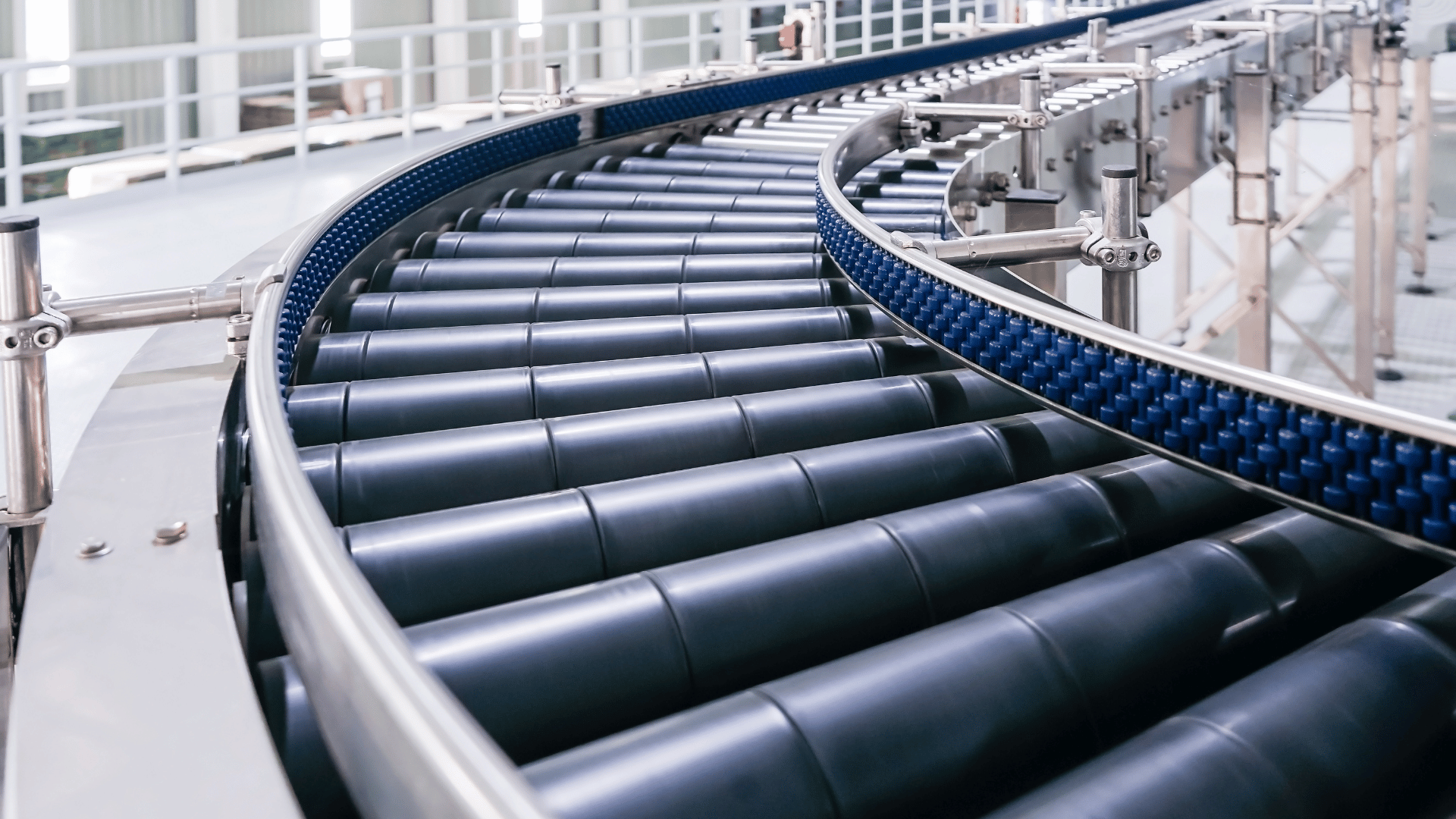
The primary factors determining compatibility are mechanical specifications, control system requirements, and space constraints. Mechanically, the accumulation table’s height, width, and speed must match or be easily adapted to your current layout, whether you are integrating with standard lines or specialized table top conveyor solutions. System transfer points need to align correctly to ensure smooth, seamless product movement across transitions.
Control system compatibility is equally crucial. Your existing conveyor’s PLC (Programmable Logic Controller) must communicate effectively with the accumulation table’s control system. This usually requires proper integration of sensors, emergency stops, and synchronized speed controls.
Physical space considerations can’t be overlooked. You’ll need adequate clearance for the table, maintenance access, and any required electrical cabinets or control panels.
What Modifications Might Be Needed For Successful Integration?
Sometimes, modifications to the existing conveyor or the new accumulation table may be necessary. Standard adjustments include installing transition plates between systems, updating control software, or adding communication modules to existing PLCs.
Height adjustments are frequently required and can be accomplished through support structure modifications or variable height supports. Speed matching across single-file or mass-flow table top conveyor lines often requires installing variable frequency drives (VFDs) on either system to ensure smooth side-transfer without container surging.
Sometimes, you may need to upgrade your existing conveyor’s control system to communicate properly and synchronize with the new accumulation table.
What Are The Common Integration Challenges To Be Aware Of?
The most frequent challenges occur in three main areas: timing synchronization, product handling transitions, and control system integration. Timing issues can arise when products need to move smoothly between systems at different speeds or when accumulation patterns need to be coordinated with upstream or downstream processes.
Product handling transitions can be particularly challenging with delicate, high-speed, or unstable items like bottles and cans. The gap between transfer dead plates and the conveyor chain must be minimal enough to prevent product tipping or damage while maintaining fluid line movement.
Control system integration challenges typically revolve around communication protocols and response times. Older conveyor systems might need additional hardware or software updates to properly communicate with modern accumulation tables, which could impact the overall project timeline and budget.
How Do You Ensure Proper Safety Integration Between Systems?
Safety integration is a critical aspect that requires careful consideration. All emergency stop circuits must be adequately interconnected between the existing conveyor and the new accumulation table. This ensures that both will respond appropriately if an emergency stop is activated on either system.
Guard rails, guide rails, and personnel protection devices need to be continuous across both systems. Any gaps in coverage or pinching hazards at transfer points between table top chains and accumulation surfaces must be addressed using custom dead plates, continuous guide rails, or safety sensors
Regular safety audits should be conducted during and after integration to ensure all safety systems function as intended. This includes testing emergency stops, checking guard rail integrity, and verifying that all safety sensors are properly aligned and functioning.
What Maintenance Considerations Change When Adding An Accumulation Table?
Integrating an accumulation table into an existing conveyor system typically introduces new maintenance requirements that must be incorporated into your regular maintenance schedule. Access points for routine maintenance must be planned carefully, ensuring technicians can reach all critical components of both systems.
Preventive maintenance becomes more complex as you need to coordinate downtime between interconnected systems. What was once a simple conveyor belt replacement might now require consideration of the accumulation table’s maintenance schedule.
Maintaining an adequate spare parts inventory for both systems is important, including any special components used in the integration, such as transition plates or custom control modules. Training maintenance staff on the new combined system is essential for ensuring proper upkeep and quick troubleshooting when issues arise.
Conclusion
Before proceeding with an accumulation table integration project, schedule a detailed site assessment with an experienced systems integrator who can evaluate your existing conveyor system. This professional can provide specific recommendations based on your facility’s unique requirements and help identify potential challenges before they become costly. The insights gained from this assessment will be invaluable in ensuring a successful integration project that meets both your current needs and future expansion plans.