
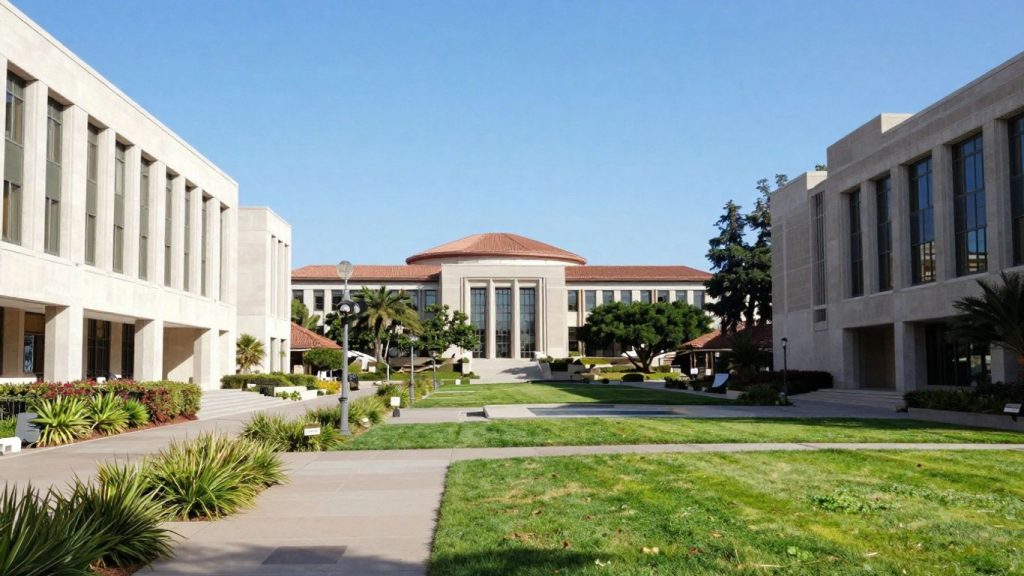
The California Institute of Technology, or Caltech, is a place where big ideas take shape and push the boundaries of what we know. It’s a hub for brilliant minds working on everything from understanding distant stars to creating new ways to improve our health. This article looks at the amazing research happening at the cal institute of technology, how it’s changing the world, and what the future might hold.
Key Takeaways
- Federal funding plays a big role in the research at the cal institute of technology, leading to discoveries that help people and create new technologies.
- Caltech is involved in health and energy innovations that aim to make life better and find cleaner ways to power our world.
- The institute is exploring space, looking for new planets, and studying our own solar system to understand where we came from.
- Caltech has a significant economic impact, founding companies, holding patents, and being a major employer in its local area.
- The cal institute of technology focuses on training talented individuals and encouraging teamwork to solve major global challenges.
Pioneering Research at the Cal Institute of Technology
Caltech has long been a hub for groundbreaking scientific exploration, consistently pushing the boundaries of what we know. A significant part of this progress is thanks to substantial federal investment, which acts as a catalyst for discovery across a wide array of fields. This funding doesn’t just support curiosity-driven projects; it directly translates into innovations that improve our daily lives, from advancements in healthcare to the development of new energy solutions.
Advancing Scientific Frontiers Through Federal Investment
Federal funding plays a vital role in maintaining the United States’ leadership in science and technology. For decades, partnerships between government agencies and institutions like Caltech have been instrumental in driving progress. This investment fuels research that not only bolsters economic competitiveness and national security but also launches new industries and enhances public well-being. It’s about asking big questions and providing the resources to find answers, preparing the next generation of scientists and engineers along the way.
Transforming Lives with Health and Energy Innovations
Federally funded research at Caltech is making a tangible difference in people’s lives. In health, this means gaining a deeper understanding of the human body, leading to better treatments and preventative measures. In energy, the focus is on finding efficient, affordable, and accessible sources of power, crucial for a sustainable future. These efforts contribute to job creation and pioneer technologies that we rely on every day.
Expanding Cosmic Understanding and Technological Capabilities
Caltech’s research extends beyond Earth, driving our exploration and observation of the universe. This quest to understand our origins and future in the cosmos also pushes the limits of our technological capabilities. By integrating deep theoretical knowledge with interdisciplinary approaches, Caltech researchers develop advanced computing tools. These tools, in turn, are used to accelerate scientific discovery and tackle complex societal challenges, demonstrating a powerful cycle of innovation.
The synergy between federal support and Caltech’s intellectual capital creates an environment where fundamental questions lead to practical solutions, impacting everything from personal health to our place in the universe.
Driving Innovation Across Disciplines
Caltech doesn’t just stick to one area; it’s a place where ideas from different fields bump into each other and create something new. This cross-pollination is key to tackling complex problems.
Deep Tech Applications and Industry Impact
Deep tech, which is basically technology built on significant scientific discovery, is a big focus here. Think about areas like advanced materials that can withstand extreme conditions or new ways to process information using quantum computing. These aren’t just theoretical ideas; they have real-world applications that can change industries. Caltech researchers are involved in creating these foundational technologies, which then get picked up by companies to make everything from better medical devices to more efficient energy solutions. It’s about taking cutting-edge science and turning it into practical tools that benefit society.
Robotics, Automation, and Artificial Intelligence
When you think about the future, robots and AI probably come to mind. Caltech is at the forefront of this, exploring how machines can learn, interact, and perform tasks that were once only possible for humans. This isn’t just about building better robots; it’s about understanding the intelligence behind them. Researchers are working on making AI more capable in areas like understanding language, recognizing images, and even helping design new technologies. The goal is to create systems that can work alongside us, making processes more efficient and opening up new possibilities in fields like healthcare and manufacturing.
Advanced Materials for Future Technologies
What things are made of matters a lot. Caltech is exploring new materials that could revolutionize technology. This includes everything from super-strong, lightweight composites to materials that can conduct electricity in novel ways. These advancements are not just for show; they are the building blocks for the next generation of electronics, aerospace components, and even sustainable energy systems. By understanding and manipulating matter at a very small scale, scientists here are paving the way for technologies that are more durable, more efficient, and capable of doing things we haven’t even imagined yet.
The work happening at Caltech in these diverse fields shows a commitment to pushing boundaries. It’s about connecting different scientific and engineering disciplines to create solutions that are not only innovative but also have a lasting impact on the world.
Exploring the Universe and Our World
Caltech’s reach extends far beyond Earth, with researchers actively working to understand our place in the cosmos and the intricate workings of our own planet. This pursuit involves looking both outward to distant stars and inward to the seismic activity beneath our feet.
Discovering Exoplanets and Solar System Mysteries
Scientists at Caltech are at the forefront of searching for planets outside our solar system, known as exoplanets. Using sophisticated instruments and clever observational techniques, they study these distant worlds to learn about their atmospheres, compositions, and potential to support life. The goal is to find and characterize rocky planets similar to Earth, which could offer clues about the origins of life.
Beyond our solar system, there’s also the ongoing quest to understand our own cosmic neighborhood. The possibility of a ninth planet, "Planet Nine," in our solar system continues to be a subject of intense study. If confirmed, this distant world could hold a record of the solar system’s early history, reshaping our understanding of planetary formation and migration. Observatories like the Vera C. Rubin Observatory are poised to play a key role in either confirming or refuting these exciting predictions.
Seismic Monitoring and Earthquake Preparedness
Closer to home, Caltech has a long-standing leadership role, spanning over a century, in seismic measurement and monitoring. The institution is deeply involved in understanding earthquakes, from their underlying geological causes to their potential impact. This work is vital for improving earthquake preparedness and developing strategies to mitigate risks.
Understanding Planetary Science and Formation
The study of planets, both within and beyond our solar system, is a core area of research. Caltech scientists are investigating how planets form and evolve, piecing together the history of our solar system and others. This includes analyzing data from space missions and developing new theoretical models to explain the diverse range of planetary bodies observed.
The ongoing exploration of exoplanets and the detailed study of our solar system’s dynamics are not just academic exercises; they are fundamental to understanding our origins and the potential for life elsewhere in the universe. This work pushes the boundaries of our knowledge and inspires future generations of scientists.
Caltech’s contributions in these areas are significant:
- Exoplanet Characterization: Developing methods to analyze the atmospheres of distant planets.
- Solar System Exploration: Investigating the potential existence and implications of Planet Nine.
- Seismic Research: Leading efforts in earthquake monitoring and understanding geological hazards.
- Planetary Formation Models: Creating and refining theories on how planets come to be.
Impact and Economic Contributions
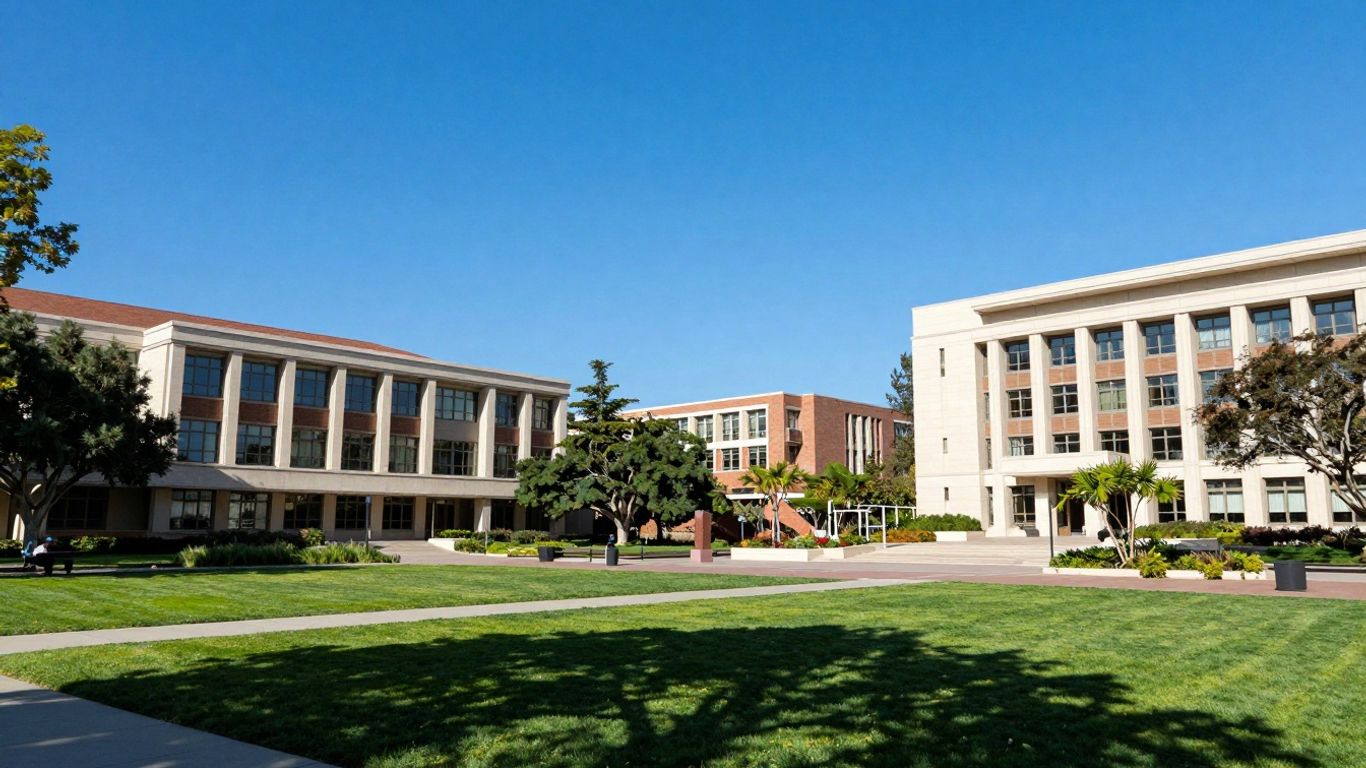
Caltech’s influence extends far beyond its campus, creating a significant ripple effect on the economy and society. The institution is a powerhouse for creating new companies and securing intellectual property, turning groundbreaking research into tangible products and services. This entrepreneurial spirit is a key driver of economic growth.
Founding Innovative Companies and Securing Patents
Caltech has a strong track record of spinning out new ventures. In the last decade alone, over 100 companies have been founded with ties to the institute. These startups often emerge directly from the cutting-edge research conducted by Caltech faculty and students, bringing novel technologies to market. Complementing this, Caltech actively holds more than 2,000 active U.S. patents. These patents represent a vast portfolio of protected inventions, providing a foundation for commercialization and further innovation across various industries.
Global Alumni Network and Local Employment
The reach of Caltech graduates is truly global, with over 26,000 alumni spread across the world. These individuals go on to make significant contributions in science, technology, business, and public service. Locally, Caltech plays a vital role as an employer. Together, the institute and the Jet Propulsion Laboratory (JPL) employ over 7,100 people, making Caltech Pasadena’s largest employer and a cornerstone of the local economy.
Economic Competitiveness Through Research
Caltech’s commitment to advanced research directly fuels economic competitiveness. The discoveries and technologies developed here often lead to new industries, create high-value jobs, and provide solutions to pressing societal challenges. This continuous cycle of innovation, from fundamental research to practical application, helps maintain the United States’ leadership in science and technology on the global stage.
The partnership between federal investment and research institutions like Caltech has been instrumental in driving national progress for decades. It supports advancements that improve public health, develop new energy sources, and create the technologies we rely on daily, all while preparing the next generation of scientific leaders.
The Future of Discovery at Caltech
Cultivating Talent for Societal Problem-Solving
Caltech is dedicated to shaping the next generation of thinkers and doers. The focus isn’t just on imparting knowledge, but on equipping students with the skills to tackle complex global challenges. This involves a hands-on approach, encouraging students to engage with real-world issues from day one. The aim is to produce graduates who can not only understand problems but also develop practical, innovative solutions that benefit society.
Fostering Interdisciplinary Collaboration
Breakthroughs often happen at the intersection of different fields. Caltech actively promotes an environment where scientists and engineers from various disciplines can work together. This cross-pollination of ideas is key to making unexpected discoveries and developing technologies that wouldn’t be possible within a single field. It’s about bringing diverse perspectives to the table to solve problems that are too big for any one area of study.
Investing in Ambitious Research Projects
Looking ahead, Caltech continues to invest in research that pushes the boundaries of what we know. This includes supporting projects that might seem far-fetched today but hold the potential for significant future impact. The institution understands that true innovation requires taking risks and exploring uncharted territory. This commitment to bold, forward-thinking research is what will define the future of discovery at Caltech.
Here’s a look at some areas where this investment is making a difference:
- Space Exploration: Developing new tools and techniques to observe the universe, search for exoplanets, and understand our solar system’s origins.
- Health and Medicine: Advancing our understanding of biological systems to create new treatments and improve human health.
- Sustainable Energy: Researching cleaner, more efficient ways to power our world.
- Artificial Intelligence and Robotics: Creating intelligent systems that can assist humans and perform complex tasks.
The future of scientific inquiry at Caltech is built on a foundation of curiosity, collaboration, and a willingness to explore the unknown. By investing in talented individuals and ambitious projects, the institute is positioning itself to lead in addressing the world’s most pressing challenges.
Looking Ahead
Caltech’s journey is far from over. With a strong foundation in fundamental science and a forward-looking approach to research, the institute continues to push the boundaries of what’s possible. From exploring the cosmos to understanding the human body and developing sustainable energy solutions, Caltech remains a vital hub for innovation. The work happening here not only expands our knowledge but also promises to shape a better future for all of us. It’s exciting to think about what discoveries and advancements will emerge from Caltech in the years to come.
Frequently Asked Questions
What kind of science does Caltech focus on?
Caltech works on many different scientific and engineering topics. They explore space, study our planet, and look for ways to improve health and energy. They also work on things like robots, smart computers, and new materials.
How does Caltech help society?
Caltech’s research leads to new discoveries and inventions that can help people. For example, their work can lead to better ways to treat diseases, create cleaner energy, and develop technologies that make life easier and safer.
What is ‘deep tech’?
‘Deep tech’ refers to new technologies that are based on scientific discoveries. These are often complex and take a lot of time and money to develop, but they have the potential to solve big problems and change industries.
Does Caltech work with other organizations?
Yes, Caltech often works with the government, other universities, and companies. This helps them share knowledge and resources to make big discoveries and create new technologies.
How does Caltech contribute to the economy?
Caltech helps the economy by creating new companies, getting patents for inventions, and employing many people. Their alumni also go on to lead important work in science and technology around the world.
What is Caltech doing for the future?
Caltech is training smart students to solve important problems. They encourage scientists from different fields to work together and support big, ambitious research projects that could lead to major breakthroughs.

Peyman Khosravani is a seasoned expert in blockchain, digital transformation, and emerging technologies, with a strong focus on innovation in finance, business, and marketing. With a robust background in blockchain and decentralized finance (DeFi), Peyman has successfully guided global organizations in refining digital strategies and optimizing data-driven decision-making. His work emphasizes leveraging technology for societal impact, focusing on fairness, justice, and transparency. A passionate advocate for the transformative power of digital tools, Peyman’s expertise spans across helping startups and established businesses navigate digital landscapes, drive growth, and stay ahead of industry trends. His insights into analytics and communication empower companies to effectively connect with customers and harness data to fuel their success in an ever-evolving digital world.










