Real estate projects take years. Mines take decades. Both punish short-term thinking.
Manie Theunis Du BruynManie Theunis Du Bruyn operates in both worlds. As Director of Black Lion Property Group and Black Lion Mining, he leads projects across South Africa, Namibia, and the United States. His work spans residential developments, mixed-use towers, copper mines, and anthracite operations. That mix gives him a clear view of what survives and what collapses.
“Build for the long term,” he says. “If your systems are weak, growth will expose it.”
Property and mining look different on the surface. One builds homes. The other extracts minerals. Underneath, both depend on governance. Structure decides durability.
Governance Is Not Paperwork
Governance is not a binder on a shelf. It is how decisions are made. It is how risk is tracked. It is how capital is protected.
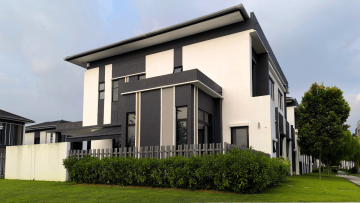
In property development, governance covers land acquisition, zoning approvals, contractor agreements, and financing terms. In mining, it covers geological reporting, environmental permits, safety standards, and resource modeling.
“On one residential project early on, we underestimated municipal approval timelines,” Du Bruyn has said. “The delay hit our cash flow. That was not a market problem. It was a planning problem.”
That lesson changed how his teams build timelines.
Buffers Are Strategy
Regulatory delays are common. Commodity prices shift. Contractors miss deadlines.
A strong governance model builds buffers into forecasts.
Action Step: Add regulatory time cushions to every major project plan. Assume approvals take longer than expected. Protect cash flow early.
Data Before Capital
In both industries, capital moves fast. Mistakes move faster.
Property developers often chase demand trends. Mining companies chase commodity cycles. Governance forces discipline before spending.
“I test ideas on paper first,” Du Bruyn says. “Framework before asset.”
In practice, that means scenario modeling. What happens if material costs rise 15%? What happens if copper prices fall? What if construction financing tightens?
According to industry data, roughly 20% of small businesses fail within their first year. Poor planning is a leading factor. In capital-heavy industries, poor planning is expensive.
Model Worst-Case Outcomes
Governance means modeling downside first.
Action Step: Run three projections for every major investment. Base case. Best case. Worst case. Plan for the worst. Execute toward the best.
Documentation Is Leverage
Deals fail because of unclear documentation. Ownership disputes delay closings. Contract gaps create liability.
In mining, unclear environmental documentation can halt operations. In property, incomplete contractor agreements can trigger disputes.
“Documentation strengthens negotiation power,” Du Bruyn has said. “If your records are clean, you negotiate from strength.”
Institutional investors demand clarity. Banks review compliance line by line.
Action Step: Conduct an annual documentation audit. Confirm shareholder agreements, permits, and contracts are current.
Governance Builds Investor Confidence
Global capital now prioritizes governance standards. ESG-focused assets are projected to exceed $40 trillion in coming years. Investors evaluate environmental and safety compliance carefully in mining. They examine zoning approvals and financing structures in property.
Weak governance increases financing costs.
Strong governance lowers risk perception.
“Our vision with Black Lion Mining is not just to extract resources,” Du Bruyn has said. “It’s to operate at world-class standards.”
World-class standards attract capital.
Institutional Thinking for Growing Firms
Entrepreneurial companies often delay formal systems. That delay creates friction during expansion.
Governance is scalable. Chaos is not.
Action Step: Implement reporting systems before expansion. Do not wait for investors to demand them.
Long-Term Thinking Beats Short-Term Gains
Property cycles rise and fall. Commodity prices spike and drop. Governance smooths volatility.
Short-term profit opportunities often tempt operators. Cutting compliance costs or accelerating timelines can increase margins. It also increases exposure.
“Short-term gains fade,” Du Bruyn says. “Systems endure.”
Mining projects last decades. Residential towers serve families for generations. Governance aligns with that time horizon.
Reputation Is an Asset
Reputation compounds. Contractors prefer reliable developers. Regulators respect compliant operators. Investors return to disciplined teams.
A single compliance failure can damage credibility.
Action Step: Track reputation indicators. Contractor retention rates. Investor repeat participation. Community feedback.
Integration Across Industries
Property and mining may operate separately. Governance principles overlap.
Both require:
- Risk mapping
- Capital discipline
- Regulatory awareness
- Transparent reporting
- Environmental safeguards
The infrastructure-resource connection reinforces this overlap. Mining supports infrastructure. Infrastructure supports property. Governance supports both.
Manie Theunis Du Bruyn has structured his ventures with shared governance frameworks across sectors. Reporting systems developed in property inform mining operations. Risk planning in mining sharpens property forecasting.
That cross-pollination strengthens both.
Practical Governance Framework
Here is a simple structure leaders can apply:
- Define long-term objectives before project launch.
- Map regulatory requirements clearly.
- Assign accountability for each milestone.
- Build timeline buffers into financial models.
- Conduct quarterly governance reviews.
- Audit documentation annually.
- Review environmental and safety standards regularly.
Execution matters more than slogans.
The Cost of Weak Governance
Delayed projects burn capital. Safety incidents halt operations. Poor documentation weakens negotiations.
Urban populations are projected to reach nearly 70% globally by 2050. Infrastructure demand will increase. Resource demand will rise alongside it. Competition for capital will intensify.
Operators without governance discipline will struggle.
Those with structure will scale.
Final Thought
Property builds cities. Mining supplies materials. Governance builds durability.
Manie Theunis Du Bruyn’s work across both sectors shows that long-term growth depends on systems, not speed.
Big projects start with big ideas. They survive because of disciplined execution.
Build for decades, not quarters.
Plan for friction, not perfection.
Structure is not a burden. It is protection.
And in capital-intensive industries, protection is profit preserved.

Peyman Khosravani is a seasoned expert in blockchain, digital transformation, and emerging technologies, with a strong focus on innovation in finance, business, and marketing. With a robust background in blockchain and decentralized finance (DeFi), Peyman has successfully guided global organizations in refining digital strategies and optimizing data-driven decision-making. His work emphasizes leveraging technology for societal impact, focusing on fairness, justice, and transparency. A passionate advocate for the transformative power of digital tools, Peyman’s expertise spans across helping startups and established businesses navigate digital landscapes, drive growth, and stay ahead of industry trends. His insights into analytics and communication empower companies to effectively connect with customers and harness data to fuel their success in an ever-evolving digital world.