So, you’ve got some digital money, huh? Maybe it’s Bitcoin, maybe something else. Either way, you probably want to know what’s going on with it. It’s not like your regular bank account where you can just log in and see everything easily. Keeping track of your crypto wallet activity is pretty important, whether you’re just starting out or you’ve been around the block a few times. This guide will walk you through how to track wallet activity, using simple terms and showing you the tools that can help. Understanding your digital footprint on the blockchain is key.
Key Takeaways
- Blockchain addresses act as unique identifiers for digital wallets, similar to account numbers for transactions.
- Block explorers are public websites that allow you to view the transaction history associated with any given address on a blockchain.
- Specialized tools and wallet trackers can offer more detailed insights and a combined view of digital asset activity.
- Analyzing on-chain activity helps in identifying patterns, tracking fund flows, and understanding interactions between wallets.
- Using a blockchain wallet address tracker is useful for verifying transactions, monitoring personal assets, and assisting with tax reporting.
Understanding Blockchain Wallet Address Trackers

What Is a Blockchain Address?
Think of a blockchain address as a unique digital mailbox for your cryptocurrency. It’s a string of letters and numbers that lets you receive digital money, and it’s different from your private key, which is like the key to open the mailbox and spend your money. This address is publicly visible, but it doesn’t directly reveal your personal identity. When you create a cryptocurrency wallet, it generates a pair of keys: a public key and a private key. The public key is used to derive your address, which you can share freely with others. The private key, on the other hand, must be kept secret as it’s what grants you control over your assets.
The Role of Addresses in Transactions
Every transaction on a blockchain involves at least two addresses: a sender’s address and a recipient’s address. These addresses act as the identifiers for the digital wallets involved in the transfer of assets. When you send cryptocurrency, your transaction is broadcast to the network, specifying the recipient’s address and the amount. The blockchain then records this movement, linking the sender’s address to the recipient’s address. This public record is what allows for transparency and traceability of digital asset movements.
Your Digital Footprint on the Blockchain
Every time you interact with a blockchain – sending, receiving, or even just holding assets – you leave a digital footprint. This footprint is tied to your wallet address. While the address itself is pseudonymous, meaning it doesn’t directly link to your real-world identity, the history of transactions associated with it is publicly accessible. This creates a traceable record of activity. Understanding this concept is key to managing your digital assets responsibly.
- Public Visibility: All transactions linked to an address are viewable by anyone.
- Pseudonymity: Addresses don’t inherently reveal personal information.
- Traceability: The history of transactions can be followed across the blockchain.
While the blockchain is designed to be transparent, it’s important to remember that the information displayed is about the movement of assets, not necessarily the identity of the individuals behind the addresses.
Essential Tools for Monitoring Digital Assets
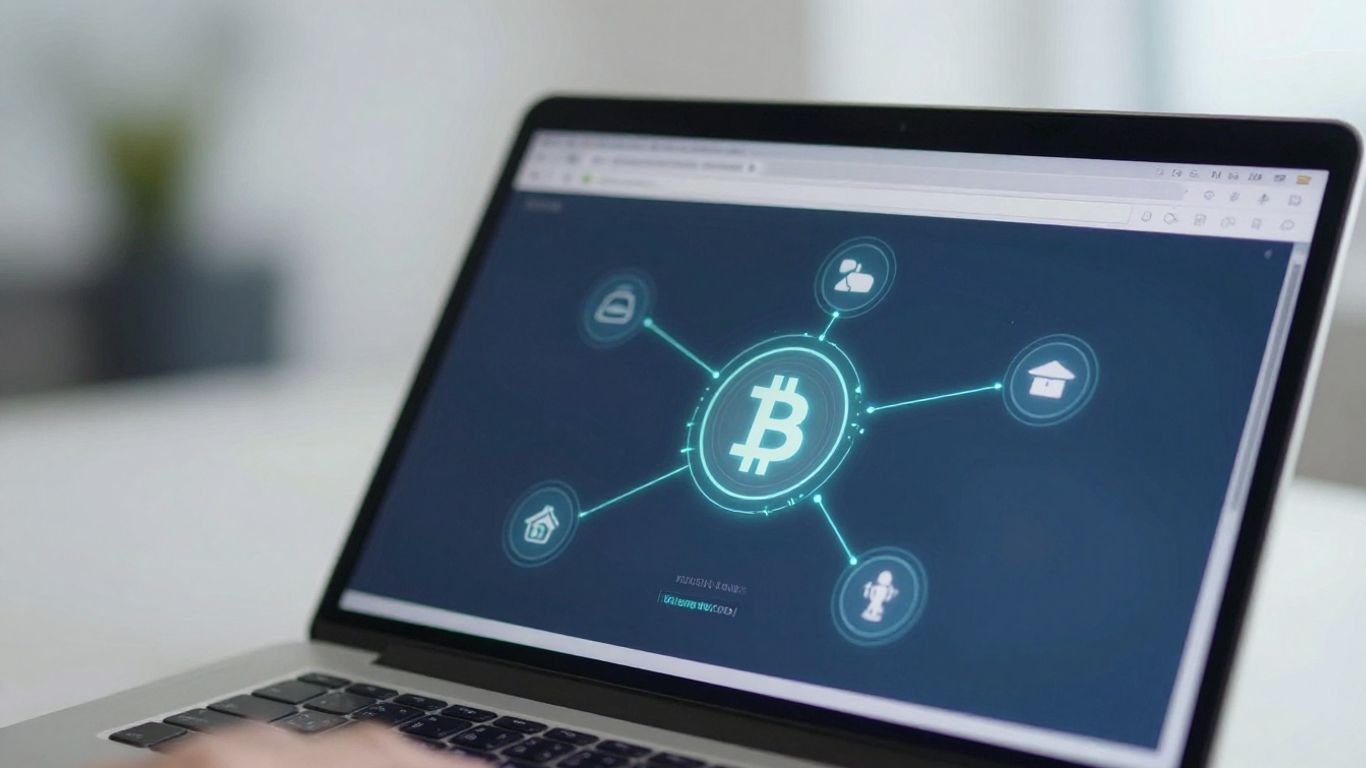
So, you’ve got your digital assets sitting in a wallet, and you want to keep an eye on things. It’s not as complicated as it sounds, really. There are some pretty neat tools out there that make tracking your crypto activity straightforward. Think of them as your personal digital accountants, but way cooler.
Leveraging Block Explorers for Transaction Visibility
Block explorers are your first stop for seeing what’s happening on the blockchain. They are essentially search engines for blockchain data. You can input a wallet address, and it will show you all the transactions associated with it – incoming, outgoing, and the current balance. It’s like looking at a public ledger, but with a user-friendly interface.
- Transaction Details: See the sender, receiver, amount, and timestamp for every movement of funds.
- Balance Tracking: Monitor the current holdings of any public wallet address.
- Network Information: Get insights into block confirmations and transaction fees.
These tools are invaluable for verifying that a transaction has been processed and for understanding the flow of funds.
Exploring Specialized Blockchain Tools
Beyond the general-purpose block explorers, there are more specialized tools designed for specific tracking needs. Some platforms offer advanced analytics, helping you to identify patterns, track the movement of funds across multiple addresses, or even monitor specific types of tokens.
- Token Trackers: Focus on the activity of specific cryptocurrencies or NFTs.
- DeFi Trackers: Monitor your participation and holdings within decentralized finance protocols.
- Analytics Platforms: Provide deeper insights into market trends and wallet behavior.
These advanced tools can help paint a more detailed picture of your digital asset ecosystem, moving beyond simple transaction logs to offer strategic insights.
Utilizing Wallet Trackers for a Consolidated View
For individuals managing multiple wallets or a diverse portfolio, a consolidated view is incredibly helpful. Wallet trackers aggregate information from various addresses and blockchains into a single dashboard. This makes it much easier to get an overview of your total holdings, track performance, and manage your assets efficiently.
- Portfolio Overview: See the total value of your digital assets across different wallets and chains.
- Performance Monitoring: Track gains and losses over time.
- Alerts: Set up notifications for significant price changes or transaction events.
These tools are designed to simplify the process of keeping tabs on your digital wealth, making it more accessible for everyday users.
How to Track a Crypto Wallet Step-by-Step
So, you’ve got some digital money, and you want to know what’s happening with it. It’s not quite like checking your regular bank account, but it’s definitely manageable. Think of tracking your crypto wallet like keeping a close watch on your digital assets – it’s important for security, understanding your finances, and even for tax purposes. Let’s break down how you can do it.
Identifying the Wallet Address You Wish to Track
First things first, you need the specific address of the wallet you want to monitor. This address is like a unique account number for that wallet on the blockchain. It’s a long string of letters and numbers. You can usually find this address in your wallet’s settings, or by looking at a past transaction you sent or received from that wallet. This address is your key to accessing all the public information about that wallet’s activity.
Analyzing Transactions with Block Explorers
Once you have the wallet address, the next step is to use a block explorer. These are websites that act like public ledgers for specific blockchains. You simply enter the wallet address into the search bar on a site like Blockchain.com for Bitcoin or Etherscan.io for Ethereum. What you’ll see is a list of all the transactions associated with that address – both incoming and outgoing.
Here’s a quick look at what you can typically see:
- Incoming Funds: Confirming that payments you expect have arrived.
- Outgoing Transactions: Checking for any transfers you didn’t initiate.
- Balance Changes: Observing shifts in the wallet’s holdings.
- Transaction Fees: Understanding the costs associated with moving crypto.
- Timestamps: Knowing the exact time each transaction occurred.
Block explorers are your primary tool for verifying transaction details. They are free and provide a direct look at blockchain activity.
Remember, while you can see the flow of funds and amounts, block explorers typically don’t reveal the real-world identity of the wallet owner. The information is public, but the identity behind the address is usually pseudonymous.
Interpreting Transaction Data: What to Look For
When you’re looking at the transaction history on a block explorer, there are a few key things to pay attention to. It’s not just about seeing numbers; it’s about understanding the story they tell.
- Transaction Volume: Are there large amounts of cryptocurrency moving in or out? This can indicate significant activity or a change in holdings.
- Frequency of Transactions: Is the wallet active daily, weekly, or infrequently? A high frequency might suggest active trading or usage.
- Intermediary Wallets: Sometimes, crypto doesn’t go directly from one wallet to another. It might pass through several intermediate wallets. Spotting these can help you trace funds further, especially if you’re trying to follow a specific flow.
- Fees Paid: The transaction fees can tell you about network congestion and how quickly transactions were processed. Higher fees usually mean faster confirmation.
- Patterns: Look for recurring patterns. Does the wallet consistently send funds to the same few addresses? Does it receive funds from specific sources? Identifying these patterns can offer insights into the wallet’s purpose or its owner’s behavior.
By carefully examining these details, you can gain a clearer picture of a wallet’s activity and its role within the blockchain ecosystem.
Key Use Cases for Blockchain Address Tracking
Monitoring Your Own Digital Assets
Keeping tabs on your own cryptocurrency holdings is a primary reason many people start looking into blockchain address tracking. It’s not just about knowing how much you have, but also understanding its movement. When you send or receive digital assets, you can use a block explorer to confirm the transaction. This gives you peace of mind and a clear record of your financial activity. For example, if you’ve made a purchase using crypto, you can check the address of the merchant’s wallet to see if the funds have arrived. This transparency helps you manage your portfolio effectively.
- Verify incoming and outgoing transactions.
- Track the status of pending transactions.
- Review historical activity for your wallets.
Verifying Transactions and Confirming Payments
In the world of digital assets, confirmation is key. Whether you’re a buyer or a seller, being able to verify that a transaction has been successfully processed is incredibly important. If you’ve sent funds, you can use the transaction ID or the recipient’s address to check its status on the blockchain. This is especially useful if there’s a delay or if you need to provide proof of payment. Similarly, if you’re expecting a payment, you can monitor the sender’s address or your own to confirm receipt. This proactive approach can prevent misunderstandings and streamline business operations.
The public nature of the blockchain means that transaction verification is straightforward, offering a reliable way to confirm asset movement without needing to rely solely on third-party confirmations.
Assisting with Tax Reporting and Record Keeping
Navigating the tax implications of digital assets can be complex. Blockchain address tracking tools can significantly simplify this process. By aggregating transaction data from various wallets and exchanges, these tools can help you calculate capital gains and losses, track your cost basis, and generate reports for tax purposes. Having a clear, documented history of your digital asset transactions makes tax season much less stressful and helps you stay compliant with regulations. It’s about building a reliable audit trail for your digital finances.
- Calculate capital gains and losses.
- Track the cost basis of your assets.
- Generate reports for tax filing.
Navigating the Nuances of Blockchain Tracking
While the transparency of blockchain technology is a major advantage, it also brings up important questions about privacy and responsible use. It’s easy to get caught up in tracking transactions, but we need to remember that these actions have real-world implications. The blockchain is a public ledger, meaning transaction data is visible to anyone. However, wallet addresses themselves are pseudonymous, not directly linked to personal identities. This creates a delicate balance.
Understanding Pseudonymity vs. Anonymity
It’s a common misconception that blockchain transactions are completely anonymous. In reality, they are pseudonymous. This means that while a wallet address isn’t directly tied to your real-world identity like your name or address, the transaction history associated with that address is publicly visible. If this address is ever linked to your identity – perhaps through an exchange where you provided KYC (Know Your Customer) information, or if you publicly share it – then your entire transaction history can be traced back to you. This distinction is critical for understanding both the privacy implications and the potential for tracking.
Ethical Considerations in Blockchain Tracking
Tracking someone’s wallet without their knowledge or consent can feel like a significant invasion of privacy. Think of it like looking at public records – you can see them, but you shouldn’t misuse that information. The goal should always be to monitor your own assets or follow established protocols, not to engage in unauthorized surveillance. Responsible usage means:
- Informing Parties: If you are monitoring wallets that involve others, ensure they are aware and have given their consent.
- Purposeful Tracking: Only track wallets for legitimate reasons, such as security, tax compliance, or dispute resolution.
- Data Security: Protect any sensitive wallet information you encounter. Avoid sharing it or using it inappropriately.
Acting ethically not only protects you legally but also contributes to a more trustworthy and sustainable digital economy. It builds confidence and encourages broader adoption when users feel their privacy is respected.
Legal Boundaries of Wallet Monitoring
Laws surrounding digital assets are still evolving and vary greatly by region. Generally, monitoring your own wallet activity is perfectly acceptable and often necessary for financial management and tax purposes. However, tracking wallets that do not belong to you, especially with malicious intent or without a legitimate reason, can lead to legal trouble. Different jurisdictions have specific regulations regarding data privacy and financial monitoring. It’s wise to be aware of the laws in your area, particularly if you work with digital assets. Governments are increasingly paying attention to this space, making it important to stay informed.
Best Practices for Digital Asset Management
Managing your digital assets effectively involves more than just knowing how to track transactions. It’s about using that knowledge responsibly and integrating it into a broader strategy for security, compliance, and informed decision-making.
Responsible Usage of Tracking Tools
The blockchain is a public ledger, meaning transaction data is visible to anyone. However, wallet addresses themselves are pseudonymous, not directly linked to personal identities. This creates a delicate balance. Tracking someone’s wallet without their knowledge or consent can feel like a significant invasion of privacy. Think of it like looking at public records – you can see them, but you shouldn’t misuse that information. The goal should always be to monitor your own assets or follow established protocols, not to engage in unauthorized surveillance.
Ensuring Tax Compliance Through Accurate Records
Keeping good records of every buy, sell, and trade is super important. If you’re using a wallet tracker, it can automatically log these for you. This means when tax season rolls around, you’re not scrambling to remember every single transaction from the past year. You can just pull a report. It makes life so much easier and keeps you out of trouble with the tax folks.
Here’s a simple breakdown of what to record:
- Transaction Type: Sale, purchase, swap, gift, etc.
- Date and Time: When the transaction occurred.
- Wallet Addresses: Both sending and receiving addresses.
- Asset and Amount: Which cryptocurrency and how much.
- Transaction ID (Hash): A unique identifier for the transaction.
This data provides an objective record, which can be invaluable when navigating disagreements or legal challenges related to your digital assets.
Integrating Wallet Tracking into Your Strategy
So, you’ve got the tools and you know how to look at what’s happening with your crypto wallets. That’s great! But how do you actually make this useful for, you know, real life? It’s not just about looking at numbers; it’s about using that information to your advantage. Informed decision-making with real-time data beyond taxes and legal stuff, knowing what’s happening with your assets helps you make smarter choices. Are you seeing a lot of incoming funds? Maybe it’s time to diversify. Are your assets sitting idle? Perhaps you should look into staking or other ways to grow them. Tracking your wallet activity gives you the insights you need to manage your digital assets proactively, not just reactively. It’s like having a financial dashboard for your crypto, showing you the performance and helping you plan your next move. This proactive approach can really make a difference in how well your investments perform over time.
Wrapping Up Your Blockchain Address Journey
So, we’ve walked through how to look up blockchain activity using just an address. It’s not as complicated as it might seem at first. Using tools like block explorers and wallet trackers gives you a clear view of transactions, helping you keep tabs on your own digital assets or understand public movements. Remember, while the blockchain is open, it’s important to use these tools responsibly and ethically, especially when it comes to privacy. By understanding how to search by address, you’ve gained a practical skill for navigating the world of digital currencies and decentralized applications. Keep exploring, and stay informed as this technology continues to evolve.
Frequently Asked Questions
What exactly is a blockchain address?
Think of a blockchain address like a unique digital mailbox for your digital money, such as Bitcoin. It’s a mix of letters and numbers that lets people send you digital cash. It’s different from your private key, which is like the secret key to that mailbox that lets you spend your money. You can share your address freely, but your private key must always be kept secret.
How can I see where my digital money is going?
You can use a tool called a ‘block explorer.’ These are like special websites that act like search engines for the blockchain. You can type in a wallet address, and it will show you all the digital money that has gone into or out of that address. It’s like looking at a public record of all the money movements.
What’s the difference between a public key and a private key?
Your public key is used to create your blockchain address, which is like your bank account number. You can share it so others can send you money. Your private key, however, is like your password or PIN. It’s super secret and is the only way you can access and spend the digital money in your wallet. Never share your private key with anyone!
Are there tools to track all my digital money in one place?
Yes, there are! These tools are often called ‘wallet trackers.’ They can connect to your different digital money accounts and show you all your digital money and its activity in one spot. This makes it much easier to see how much you have and what’s happening with it all.
Is it okay to look up someone else’s crypto wallet?
While it’s legal to look up any public wallet address to see its transaction history, it’s important to be respectful. You can see public activity, but you shouldn’t use this information to bother or harm someone. Always focus on tracking your own assets or using these tools for legitimate reasons, like checking on a payment you’re expecting.
How does tracking my wallet help with taxes?
When you track your wallet activity, you create a clear record of all your digital money buys, sells, and trades. This detailed history is exactly what tax collectors need to make sure you’re reporting your digital money profits or losses correctly. It helps you stay organized and follow the rules.