
The retail world is changing fast. New tech is popping up all the time, and one that’s getting a lot of buzz is blockchain. You might have heard of it with cryptocurrencies, but it’s actually way more than that. For the retail industry, blockchain offers some pretty cool ways to make things better, from how products get to you to how you pay for them. It’s all about making things more open, secure, and trustworthy for everyone involved. Think of it as a digital ledger that keeps a clear, unchangeable record of everything. This article looks at how this technology is already shaking things up and what it could mean for shopping down the line.
Key Takeaways
- Blockchain helps make supply chains clearer by tracking products from start to finish, stopping fake items, and confirming they are real.
- It allows for safer and faster payments, cutting down on fees by removing middlemen.
- By using blockchain, retailers can build more trust with shoppers through open records and better data protection.
- New loyalty programs can be created with blockchain, offering personalized rewards that keep customers coming back.
- While there are hurdles like cost and understanding the tech, blockchain offers a way for retailers to get ahead in the changing market.
Enhancing Supply Chain Transparency With Blockchain
In today’s retail world, knowing where your products come from and how they get to you is a big deal. Customers want to be sure about what they’re buying, and businesses need to keep things running smoothly. This is where blockchain technology really steps in to help.
Streamlining Retail Operations Through Blockchain
Think of blockchain as a shared digital notebook that everyone involved in a product’s journey can see and add to, but no one can erase or change what’s already written. This makes the whole process much clearer. It helps sort out any confusion about where items are, who handled them, and when. This kind of clarity can really speed things up and cut down on mistakes.
Real-Time Product Tracking and Immutable Records
One of the coolest parts is being able to follow a product every step of the way. From the moment it’s made to when it lands on the shelf, blockchain keeps a record. This record is permanent, meaning once it’s logged, it can’t be altered. This is super important for proving a product’s history and making sure it’s the real deal. It means if there’s ever a question about a product, you can look back at the exact, unchangeable history.
Here’s a quick look at how it helps:
- Full Visibility: See where products are at any given moment.
- Data Integrity: Records can’t be tampered with, building trust.
- Faster Problem Solving: Quickly pinpoint issues like delays or missing items.
- Authenticity Proof: Easily verify that a product is genuine.
This technology creates a single source of truth that all parties can rely on, reducing disputes and improving overall efficiency in how goods move from origin to consumer.
Combating Counterfeiting and Ensuring Product Authenticity
Counterfeit goods are a huge headache for retailers and a risk for consumers. Blockchain offers a strong defense. By creating a unique, verifiable history for each item, it becomes much harder for fake products to enter the supply chain. Retailers can use this system to confirm that what they are selling is authentic, protecting their brand reputation and giving customers confidence in their purchases. This is especially useful for high-value items or products where safety and origin are critical, like food or pharmaceuticals.
Revolutionizing Retail Payments and Transactions
The way we pay for things in retail is changing, and blockchain is a big reason why. Think about it: traditional payment systems often involve a bunch of middlemen, like banks and payment processors. Each one takes a cut, and the whole process can be slow, especially for international purchases. Blockchain technology offers a different path, one that’s more direct and often more affordable.
Decentralized and Secure Payment Systems
Blockchain’s core idea is a shared, unchangeable ledger. When a payment is made using blockchain, it’s recorded on this ledger, visible to all participants but impossible to alter. This removes the need for a central authority to verify transactions, making them more secure and less prone to fraud. This peer-to-peer nature means transactions can happen directly between the buyer and seller. It’s a significant shift from relying on traditional financial institutions. This technology can also speed up cross-border payments considerably, cutting down on the delays that often plague international commerce.
The Rise of Cryptocurrency in Retail
Cryptocurrencies, built on blockchain, are becoming more common in retail. While Bitcoin is well-known, other digital currencies are also being adopted. Some retailers are even exploring stablecoins, which are cryptocurrencies pegged to a stable asset like the US dollar, to avoid the price swings often associated with digital money. This allows them to benefit from blockchain’s efficiency without the risk. For instance, some businesses are looking into agentic payments that can be integrated with just a few lines of code. This opens up new possibilities for automated and secure transactions.
Reducing Transaction Costs and Enhancing Efficiency
One of the most attractive aspects of blockchain for retailers is the potential to cut costs. By cutting out intermediaries, retailers can save on processing fees. This can translate into lower prices for consumers or higher profit margins for businesses. The speed and security of blockchain transactions also contribute to overall efficiency. Imagine fewer chargebacks, less time spent reconciling accounts, and a smoother checkout process for everyone involved. It’s about making the entire financial side of retail simpler and more effective.
Building Consumer Trust Through Blockchain
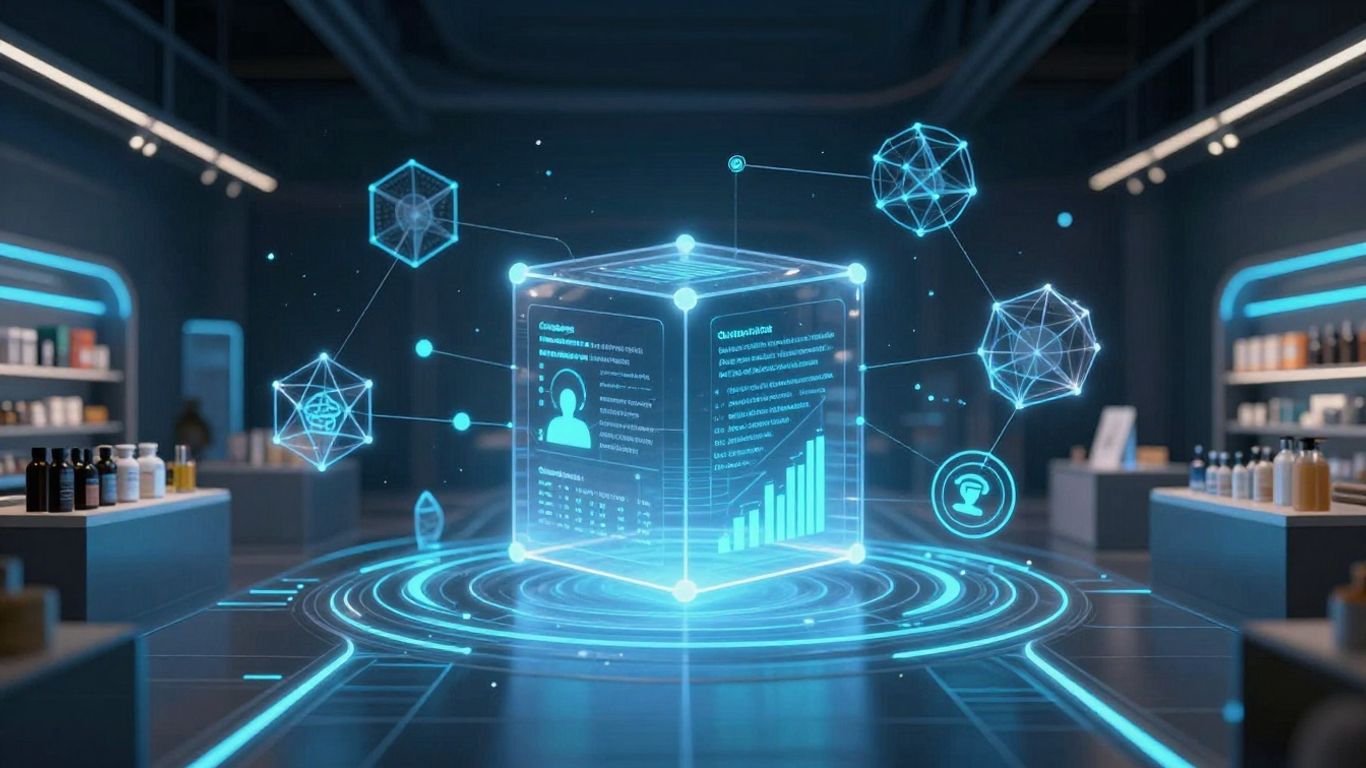
In today’s market, trust is a retailer’s most valuable asset. Consumers want to know where their products come from, how they were made, and that they are getting the real deal. Blockchain technology offers a powerful way to build this trust by creating a transparent and verifiable record of a product’s journey.
Verifying Product Origins and Authenticity
One of the biggest wins for consumers with blockchain is the ability to confirm a product’s authenticity. Think about high-value items like luxury goods or even everyday products where quality matters. Blockchain provides an unchangeable history, showing every step from the raw materials to the final sale. This makes it incredibly difficult for counterfeit items to enter the market.
- Consumers can scan a QR code on a product to see its entire history on the blockchain.
- This history includes details like manufacturing location, materials used, and shipping routes.
- Retailers can use this to prove ethical sourcing and combat fake goods.
For instance, luxury brands can track items like handbags or watches, giving buyers confidence they are purchasing a genuine article. Similarly, food producers can show exactly where their ingredients came from, which is a big deal for people concerned about food safety and ethical farming.
The ability to trace a product’s lineage back to its source, all recorded on an immutable ledger, fundamentally changes the relationship between brands and consumers. It shifts from a position of ‘take our word for it’ to one where verifiable proof is readily available.
Protecting Consumer Data and Privacy
Beyond product authenticity, blockchain also plays a role in safeguarding consumer information. Traditional systems often store vast amounts of personal data in central locations, making them targets for breaches. Blockchain’s decentralized nature means data can be spread out, and consumers can have more control over who sees their information.
- Decentralized identity systems allow individuals to manage their own data.
- This reduces the risk of large-scale data breaches.
- Retailers can still access necessary information for personalized experiences, but with consumer consent.
This approach helps retailers comply with privacy regulations like GDPR, while also giving customers peace of mind that their personal details are more secure.
Creating Transparent and Trustworthy Shopping Experiences
Ultimately, all these features combine to create a more trustworthy shopping environment. When consumers can easily verify product claims and trust that their data is protected, they are more likely to engage with a brand. This transparency builds a stronger connection, moving beyond simple transactions to a relationship built on reliability. Blockchain helps bridge the gap between what a retailer says and what a consumer can independently verify. This open approach can lead to greater customer loyalty and a more positive overall shopping journey.
Transforming Customer Loyalty and Engagement
Loyalty programs have long been a staple in retail, but blockchain technology is bringing a fresh wave of innovation to how businesses connect with their customers. Forget simple points for purchases; we’re talking about creating deeper, more meaningful relationships.
Innovative Loyalty Programs with Blockchain
Traditional loyalty programs often feel a bit stale. You collect points, maybe get a discount, but it rarely feels truly special. Blockchain changes this by introducing digital assets, like non-fungible tokens (NFTs), that can represent membership or rewards. These aren’t just points; they’re unique digital items that can offer exclusive benefits. Think of it like owning a special club membership that grants you access to limited-edition products, early event invitations, or even special experiences. Brands like Nike and Adidas have already shown how NFTs can blend digital ownership with physical goods, creating exciting new ways for customers to engage and feel connected to the brand. This moves beyond transactional relationships to something more akin to community building.
Personalized Rewards and Incentives
Blockchain allows for a much more granular and personalized approach to rewards. Instead of a one-size-fits-all discount, retailers can use blockchain to track customer interactions and preferences more securely and transparently. This data can then be used to offer tailored incentives. Imagine receiving a special digital collectible for attending a virtual event, or a unique discount on an item related to your past purchases, all managed through a secure digital wallet. This level of personalization makes customers feel seen and valued, moving beyond generic offers.
Enhancing Customer Satisfaction and Retention
When customers feel they are getting unique value and personalized attention, their satisfaction naturally increases. Blockchain-powered loyalty programs can also build trust. Because transactions and ownership are recorded immutably, customers have greater confidence in the rewards they earn and the benefits they receive. This transparency reduces the potential for disputes and builds a stronger foundation of trust. Ultimately, this leads to happier customers who are more likely to return and continue doing business with a retailer. It’s about creating a positive feedback loop where engagement leads to satisfaction, which in turn drives retention.
The shift towards blockchain in loyalty programs is not just about new technology; it’s about rethinking the very nature of customer relationships. It’s about creating digital experiences that are as tangible and rewarding as physical ones, making customers feel like true partners in a brand’s journey.
Navigating the Challenges of Blockchain Adoption
While the potential benefits of blockchain in retail are significant, getting it into everyday use isn’t always straightforward. Businesses face a few key hurdles that need to be cleared before they can fully take advantage of this technology. It’s a bit like trying to build a new road – you need the right tools, a clear plan, and a lot of coordination.
Addressing Technological and Regulatory Hurdles
One of the main bumps in the road is the technology itself. Some blockchain systems can be slow when handling a lot of transactions, which isn’t ideal for busy retail environments. Plus, keeping detailed records on a blockchain can take up a lot of digital space. On top of that, the rules around using blockchain in business are still being figured out in many places. Retailers have to make sure whatever blockchain solution they choose plays nicely with existing laws and protects customers.
- Scalability: Some blockchains struggle to keep up with high transaction volumes.
- Data Storage: Comprehensive transaction logs can require substantial storage.
- Regulatory Uncertainty: Clear guidelines for blockchain in retail are often missing.
- Interoperability: Connecting blockchain systems with current retail software can be complex.
The path to widespread blockchain adoption in retail requires careful consideration of both the technical capabilities and the evolving legal landscape. Finding solutions that are both robust and compliant is key.
Overcoming Implementation Costs and Resistance to Change
Let’s be honest, setting up new technology costs money. Implementing blockchain solutions requires a significant upfront investment in hardware, software, and training. This can be a big ask, especially for smaller businesses. Beyond the cost, there’s also the human element. People are used to doing things a certain way, and switching from old, familiar systems to something new like blockchain can meet with resistance. It takes time and effort to get everyone on board and comfortable with the changes.
The Importance of Awareness and Education
Finally, a big part of the challenge is simply making sure people understand what blockchain is and what it can do for retail. There’s still a lot of confusion and sometimes even skepticism about the technology. Educating both employees and customers about the advantages – like better security, more transparency, and improved loyalty programs – is vital. Without a clear understanding of the benefits, it’s hard for businesses to justify the investment and for consumers to embrace the new systems.
The Future of Retail with Blockchain Technology
Driving Digital Transformation in the Industry
Blockchain isn’t just a passing trend; it’s a foundational technology that’s reshaping how retail operates. Think of it as a digital backbone that makes everything more open and reliable. Retailers are starting to see that this tech can fix a lot of old problems, like making sure you know exactly where your food came from or proving that a fancy handbag is the real deal. It’s about building a more connected and trustworthy system for everyone involved, from the factory floor to your shopping cart.
Emerging Trends and Opportunities
We’re seeing some really interesting developments. For starters, loyalty programs are getting a major upgrade. Instead of just collecting points that might expire, imagine owning digital tokens that represent your loyalty, which you could even trade or use in new ways. This makes rewards more exciting and gives customers more control. Also, imagine paying for your groceries with cryptocurrency – it’s becoming more of a reality, cutting out middlemen and speeding things up.
Here are a few key areas to watch:
- Hyper-personalized rewards: Using blockchain to track customer interactions and offer truly unique incentives.
- Decentralized marketplaces: Platforms where buyers and sellers connect directly, reducing fees.
- Digital product passports: Immutable records detailing a product’s journey, materials, and ethical sourcing.
- Tokenized assets: Representing ownership of goods or experiences as digital tokens.
The shift towards blockchain in retail is about more than just new technology; it’s a fundamental change in how trust is built and value is exchanged between businesses and consumers. It’s a move towards greater accountability and a more direct relationship.
Achieving a Competitive Advantage in the Evolving Market
Companies that get ahead of the curve with blockchain will likely find themselves with a significant edge. They can offer customers a level of transparency and security that competitors can’t match. This builds strong customer loyalty and can even lead to lower operational costs. For example, automating processes with smart contracts can reduce errors and save time. It’s a smart move for retailers looking to stay relevant and thrive in the years to come.
Consider these potential benefits:
- Reduced operational costs: Through automation and fewer intermediaries.
- Increased customer trust: Via transparent supply chains and verified authenticity.
- New revenue streams: From tokenized products and digital collectibles.
- Improved data security: Protecting sensitive customer information more effectively.
Looking Ahead: The Evolving Role of Blockchain in Retail
So, we’ve seen how blockchain is really changing things in the retail world. It’s not just a buzzword; it’s actually making a difference in how products move from farms or factories to our homes, making sure what we buy is real, and even changing how we pay for things. While it’s still early days and there are definitely some hurdles to jump over, like figuring out the rules and the costs, the potential is huge. Retailers who are paying attention and starting to use this tech are likely going to be the ones leading the way in the future. It’s an exciting time to watch how this technology continues to shape the way we shop and how businesses operate.
Frequently Asked Questions
What exactly is blockchain technology and how does it help stores?
Think of blockchain as a super secure digital notebook that many people share. Every time something happens, like a product moving from a factory to a store, it’s written down in this notebook. Because everyone has a copy and it’s super hard to change anything once it’s written, it makes things very honest and clear. For stores, this means they can easily track where their products come from, making sure they are real and not fake, and customers can trust what they are buying.
How does blockchain make shopping safer and easier?
Blockchain helps make shopping safer in a few ways. It can track products from where they are made all the way to the store shelf, which helps stop fake items from being sold. It also makes payments more secure because the information is protected. Imagine being able to scan a tag on a product and see its whole journey – that’s blockchain making things more open and trustworthy for shoppers.
Can stores use blockchain to give us special deals or rewards?
Yes, absolutely! Stores can use blockchain to create really cool reward programs. Instead of just getting points, you might get special digital tokens that you truly own. These could be used for discounts, special access to new products, or even traded with others. This makes loyalty programs more exciting and gives you more control over your rewards.
Does blockchain help protect my personal information when I shop?
It can! Blockchain technology can help keep your shopping information safer. Instead of all your data being stored in one place where it could be stolen, blockchain can spread it out and protect it better. This means retailers can still give you personalized offers without risking your private details.
Is it hard for stores to start using blockchain?
Starting with blockchain can be a bit tricky for stores. It costs money to set up, and sometimes the technology is still new and needs to be figured out. Also, people who work at stores might be used to older ways of doing things and might not want to change. So, while it’s helpful, it takes effort and planning to get it working right.
What’s the future of shopping with blockchain?
The future looks really interesting! Blockchain could make shopping super smooth, from how you pay to how you get your rewards. Imagine paying with digital money easily, knowing exactly what you’re buying, and getting amazing personalized deals. Stores that use blockchain will likely be more trusted and offer better experiences, giving them an edge over others.

Peyman Khosravani is a seasoned expert in blockchain, digital transformation, and emerging technologies, with a strong focus on innovation in finance, business, and marketing. With a robust background in blockchain and decentralized finance (DeFi), Peyman has successfully guided global organizations in refining digital strategies and optimizing data-driven decision-making. His work emphasizes leveraging technology for societal impact, focusing on fairness, justice, and transparency. A passionate advocate for the transformative power of digital tools, Peyman’s expertise spans across helping startups and established businesses navigate digital landscapes, drive growth, and stay ahead of industry trends. His insights into analytics and communication empower companies to effectively connect with customers and harness data to fuel their success in an ever-evolving digital world.