We’ve all heard about Bitcoin and other digital money. But blockchain technology is way more than just currency. It’s also a really secure way to handle personal information and digital stuff. Think about your ID, or important documents – blockchain digital identity could make them safer and give you more control. This article looks at how it works and what it means for the future.
Key Takeaways
- Blockchain digital identity uses unique digital certificates to prove who you are, making records hard to change.
- Non-fungible tokens (NFTs) are important for blockchain digital identity because they are unique and can store specific information.
- NFTs can change how loyalty programs work, improve warranty tracking, and let people control how their data is shared.
- Companies are looking at ways to secure digital assets, like IBM’s new platform, to protect against theft and hacks.
- New standards are making it easier to build applications using blockchain digital identity, allowing for cheaper testing and new uses.
Understanding Blockchain Digital Identity
Think about how we prove who we are in the real world. We use things like driver’s licenses, passports, or even a simple ID card. These are physical documents that verify our identity. Now, imagine bringing that same level of verifiable identity into the digital world, but with a whole lot more security and control. That’s essentially what blockchain digital identity is all about.
The Foundation of Digital Trust
At its core, blockchain digital identity is built on the idea of creating a secure and verifiable way to represent ourselves online. Instead of relying on centralized databases that can be hacked or misused, blockchain offers a decentralized approach. This means information isn’t stored in one single place, making it much harder for unauthorized parties to access or alter it. This distributed nature is what forms the bedrock of digital trust. It allows for interactions and transactions online with a higher degree of confidence that everyone involved is who they claim to be. It’s a shift from trusting a single company or government to trusting a network. For instance, verifying personal details for financial services can be streamlined, as seen in the process for same-day loans.
Beyond Cryptocurrencies: Storing Information
When many people hear ‘blockchain,’ they immediately think of Bitcoin or other digital currencies. While cryptocurrencies are a major application, blockchain technology is far more versatile. It can be used as a secure ledger to record all sorts of information, not just financial transactions. This includes personal data, credentials, ownership records, and much more. The key here is that this information is stored in a way that is transparent, immutable (meaning it can’t be changed once recorded), and verifiable by anyone on the network, depending on the permissions set.
The Role of Non-Fungible Tokens
This is where things get really interesting. You might have heard of Non-Fungible Tokens (NFTs). Unlike cryptocurrencies like Bitcoin, which are fungible (meaning one Bitcoin is the same as another and can be exchanged), NFTs are unique. Each NFT is distinct and cannot be replaced with another identical item. Think of it like a one-of-a-kind piece of digital art or a collectible card. In the context of digital identity, NFTs can act as unique digital certificates. They can represent specific attributes or credentials, like a degree, a professional license, or even membership in a group. Because they are unique and stored on the blockchain, they provide a secure and verifiable way to prove ownership or qualification without needing a central authority to vouch for them. This opens up a whole new world for managing personal data and digital assets.
Building Secure Digital Credentials
Unique Digital Certificates on the Blockchain
Think about all the important documents you have – birth certificates, diplomas, professional licenses. Traditionally, these are physical papers, prone to damage, loss, or even forgery. Blockchain technology offers a new way to create and manage these credentials, making them digital, secure, and verifiable. By issuing unique digital certificates on a blockchain, we can create a permanent, unchangeable record of these important pieces of information. This means a university could issue a digital diploma that can’t be faked, or a licensing board could issue a digital professional license that’s always up-to-date and verifiable by anyone, anywhere.
Tamper-Proof Records for Personal Data
One of the biggest advantages of using blockchain for digital credentials is its inherent security. Because data on a blockchain is distributed across many computers and cryptographically secured, it’s incredibly difficult to alter or delete. This makes it ideal for storing sensitive personal data. Imagine having a digital record of your property deeds, medical history, or even your voting record that is protected from tampering. This level of security builds a foundation of trust for digital interactions.
Decentralized Control Over Identity
Beyond just security, blockchain digital identity systems give individuals more control over their own information. Instead of relying on a central authority to manage and verify your identity, you can hold your digital credentials in a secure digital wallet. You then decide who gets to see what information and for how long. This shift from centralized control to decentralized self-sovereignty is a major step forward in how we manage our digital lives.
Innovations Driven by Non-Fungible Tokens
While cryptocurrencies like Bitcoin are easily swapped for another of the same kind, like trading one dollar bill for another, non-fungible tokens (NFTs) are a different story. Think of an NFT as a unique digital certificate. It can’t be exchanged one-for-one with another NFT because each one has distinct information attached. This uniqueness is where the real innovation lies, moving beyond just digital money.
Transforming Loyalty Programs
NFTs can completely change how businesses reward their customers. Instead of simple points that can be easily lost or forgotten, imagine a loyalty program where customers receive unique digital collectibles. These NFTs could represent different tiers of membership, special access, or even a share in a product’s success. This makes customer loyalty tangible and verifiable on the blockchain. Owning a rare NFT from a brand could signify a deeper connection and offer exclusive benefits that are easily managed and traded, if the customer chooses.
Enhancing Warranty and Licensing
Think about the paperwork involved with warranties or software licenses. It’s often a mess of physical documents or scattered digital files. NFTs offer a cleaner solution. When you buy a product, its warranty could be issued as an NFT. This NFT would contain all the necessary details: purchase date, product serial number, warranty terms, and ownership history. If you decide to sell the product later, the NFT can be transferred to the new owner, proving its authenticity and warranty status without any hassle. This also applies to digital licenses, making ownership clear and transferable.
Direct Data Exchange for Services
NFTs also open up new ways for individuals to control and monetize their personal data. Currently, companies collect vast amounts of user data, often without clear consent or compensation for the individual. With NFTs, you could issue a unique token that grants a specific service temporary access to certain pieces of your data. For example, a health app might request access to your fitness tracker data. You could issue an NFT that allows them access for a limited time or for a specific purpose, and perhaps receive a small payment or service in return. This puts you in charge of who sees your information and for how long.
The ability of NFTs to represent unique digital items with verifiable ownership is a game-changer. It moves blockchain technology from just a ledger for financial transactions to a powerful tool for managing digital identity, ownership, and access in entirely new ways.
Ensuring Corporate Digital Asset Security
As businesses increasingly interact with digital assets, from cryptocurrencies to unique digital certificates, the need for robust security measures becomes paramount. The complexity of managing these assets, especially in a rapidly evolving technological landscape, presents significant challenges. Protecting corporate digital assets requires a multi-layered approach that addresses both technical vulnerabilities and operational risks.
Addressing the Complexity of Digital Assets
The rise of digital assets means companies are dealing with more than just traditional financial instruments. This includes everything from company-issued tokens to digital representations of physical goods. Each type of asset comes with its own set of security considerations.
- Custody and Key Management: Securely storing private keys is vital. A lost or stolen key can mean permanent loss of the asset.
- Transaction Integrity: Verifying the legitimacy of transactions and preventing unauthorized transfers is a constant concern.
- Regulatory Compliance: Navigating the often-changing rules around digital assets adds another layer of complexity.
- Integration with Existing Systems: Connecting blockchain-based assets with legacy IT infrastructure can create new security weak points.
IBM’s Digital Asset Haven Platform
To help organizations manage these complexities, solutions like IBM’s Digital Asset Haven are emerging. This platform aims to provide a unified system for handling digital assets throughout their lifecycle. It integrates tools designed to reduce single points of failure, which are often targets for malicious actors.
The platform’s design focuses on combining enterprise-grade infrastructure with specialized capabilities for digital asset custody and key management. This approach seeks to simplify the process for businesses looking to engage with digital assets while adhering to necessary compliance and regulatory standards.
Strengthening Protection Against Hacks
Cyber threats are a significant concern in the digital asset space. Reports indicate substantial amounts of digital assets are lost annually due to hacks and thefts. Platforms like IBM’s Digital Asset Haven incorporate advanced security features to combat these risks.
- Hardware Security Modules (HSMs): These specialized devices provide a secure environment for cryptographic operations.
- Multi-Party Computation (MPC): This technique distributes cryptographic keys across multiple parties, meaning no single entity holds the complete key, thus reducing the risk of a single point of compromise.
- Offline Signing Orchestrator: This feature supports cold storage strategies, where private keys are kept offline, significantly minimizing exposure to online threats.
By implementing these and other security protocols, companies can build a more resilient defense against the growing sophistication of cyberattacks targeting digital assets.
The Evolution of Digital Identity Standards
Emerging Standards for Digital Certificates
Think about how we handle important documents today. We have paper certificates for degrees, birth records, and property deeds. These are often physical, can be lost, damaged, or even faked. Blockchain technology is changing this by offering a way to create digital certificates that are much more secure and reliable. Early on, people experimented with this, and it became clear that having common rules, or standards, would make things much easier for everyone.
One of the big steps forward was the development of standards for what are called non-fungible tokens (NFTs) on platforms like Ethereum. You might have heard of NFTs in relation to digital art, but their real power lies in their ability to represent unique items. For digital identity, this means we can create unique digital certificates for things like qualifications, licenses, or even membership in a group. These certificates are recorded on the blockchain, making them incredibly hard to alter or forge. This move towards standardized digital certificates is paving the way for a more trustworthy digital world.
Facilitating New Distributed Applications
With these new standards in place, building new kinds of applications becomes much simpler. Before, each project might have had to figure out its own way to handle unique digital items, which is a lot of work. Now, developers can use established standards, like those for NFTs, as a foundation. This means they can focus more on the unique features of their application rather than reinventing the wheel for basic functions.
These applications, often called distributed applications or dapps, can do all sorts of new things. Imagine a system where you can prove you have a certain qualification without revealing all your personal details, or a way to manage your digital assets securely. The standards help ensure that these different applications can work together, creating a more connected and functional digital ecosystem. It’s like having a common language that allows different software programs to communicate effectively.
Enabling Cost-Effective Experimentation
One of the great things about these evolving standards, especially on public blockchains, is that they make it much cheaper to try new ideas. Setting up complex systems from scratch can be very expensive and time-consuming. However, by using existing, well-defined standards and the infrastructure of a public blockchain, businesses and developers can experiment with new applications and services without a huge upfront investment.
This low barrier to entry is important for innovation. It means that even smaller companies or individual developers can test out concepts related to digital identity, secure data sharing, or new forms of digital ownership. They can build small-scale versions of applications, see how they work, and make improvements. This iterative process, supported by cost-effective tools and standards, is what drives progress in the digital identity space.
The development of common rules and guidelines for digital assets and identities on the blockchain is crucial. It allows for interoperability, reduces development costs, and speeds up the creation of new, secure applications that individuals and organizations can trust.
The Future of Blockchain Digital Identity
Unlocking New Opportunities
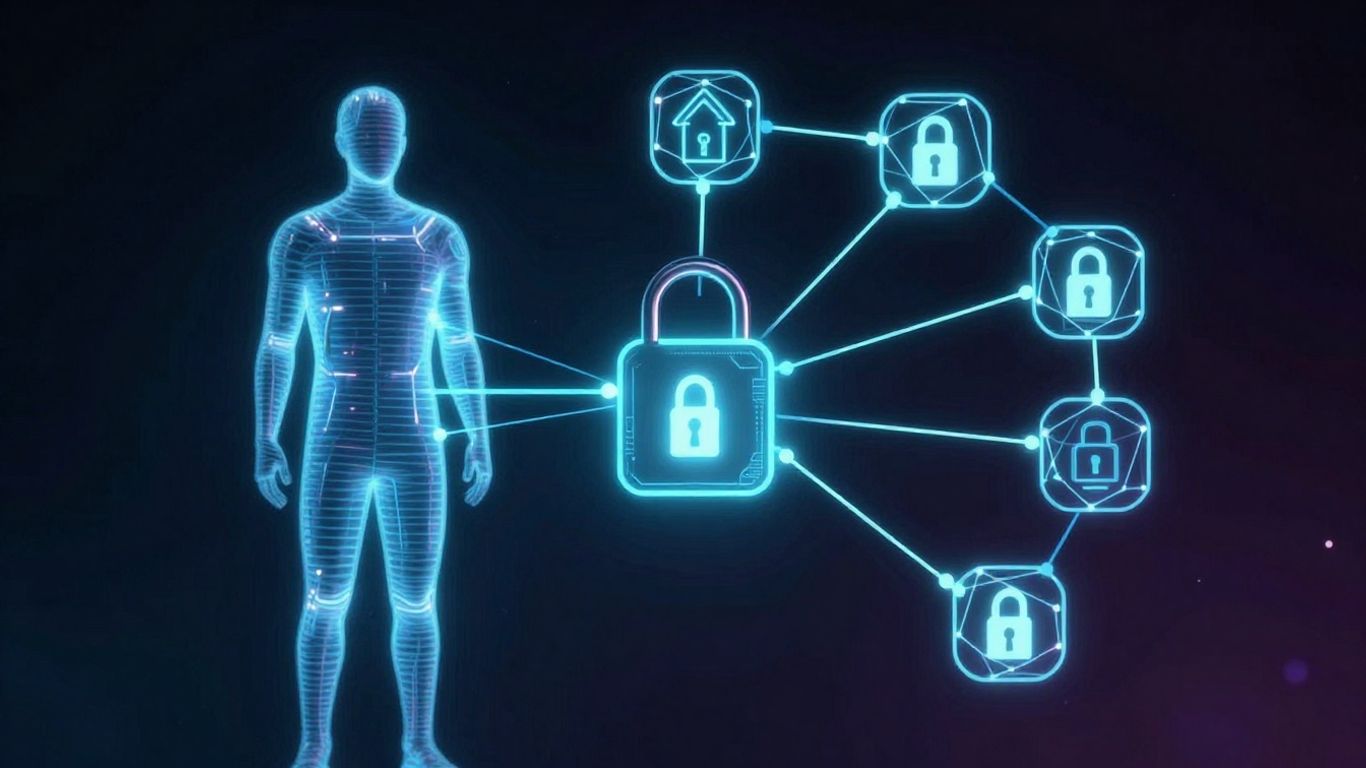
The path forward for blockchain digital identity is looking pretty exciting. We’re moving beyond just thinking about digital money. The real game-changer is how we can use this technology to manage unique pieces of information, like digital certificates. Think about it: instead of a pile of paper documents, you could have a secure, verifiable digital record for almost anything. This opens doors for all sorts of new applications that we’re only just starting to imagine. It’s like having a digital passport for your entire life, but one that you control.
Securing Personal Information
One of the biggest promises is giving people more control over their personal data. Right now, our information is scattered across countless databases, often with little transparency about who has access or how it’s being used. Blockchain offers a way to create tamper-proof records of important personal details – like birth certificates, academic degrees, or property ownership. These records can be stored securely, and you decide who gets to see them. This means less risk of identity theft and more confidence in the accuracy of your own information.
Empowering Individuals and Businesses
Ultimately, this technology is about putting power back into the hands of individuals and businesses. For individuals, it means a more secure and private way to manage their digital lives. For businesses, it means more efficient and trustworthy ways to interact with customers and manage assets. Imagine loyalty programs that are truly yours to control, or warranties that are instantly verifiable. Companies like IBM are already working on platforms to help manage digital assets securely, showing that this isn’t just a futuristic idea, but something being built right now. The development of standards, like ERC-721 for non-fungible tokens, is making it easier and cheaper for developers to experiment and build these new applications. This makes it a really dynamic space to watch.
The shift towards decentralized digital identity isn’t just about technology; it’s about redefining trust in the digital age. It’s about creating systems where individuals have sovereignty over their personal data and where digital interactions are inherently more secure and verifiable.
Looking Ahead: The Evolving Landscape of Digital Identity
So, we’ve talked about how blockchain technology is changing things, especially with these unique digital items called non-fungible tokens, or NFTs. It’s not just about digital art or collectibles anymore. Think about it: these tokens can act like secure, digital certificates for all sorts of important stuff – like your school diplomas, property records, or even proof of who you are. Because they live on the blockchain, they’re really hard to fake or change. This means we could have a much safer and more personal way to manage our identities and important documents online. Companies are already building tools, like IBM’s new platform, to help manage these digital assets securely. As this technology gets better and easier to use, we’re likely to see more and more practical uses for blockchain in our everyday lives, making things more secure and giving us more control over our own information.
Frequently Asked Questions
What is blockchain digital identity?
Think of blockchain digital identity as a super secure way to prove who you are online. Instead of having many different passwords and logins for different websites, blockchain can create a single, unique digital ID for you. This ID is stored on a special, shared computer system called a blockchain, making it very hard to fake or steal.
How is blockchain different from storing my information normally?
Normally, your information is stored by many different companies, and they can lose it or misuse it. With blockchain, your digital identity is spread across many computers, not just one. This makes it much safer and gives you more control over who sees your personal details.
What are Non-Fungible Tokens (NFTs) and how do they relate to identity?
NFTs are like unique digital certificates. They can’t be swapped for another identical one, unlike money. For identity, NFTs can represent things like your diploma, a unique membership, or even proof of ownership, all stored securely on the blockchain.
Can my personal information be changed or deleted on the blockchain?
Because blockchain records are permanent and can’t be easily changed, your digital identity information is very secure. Once something is recorded, it’s there for good, like writing in stone. This means your records are safe from tampering.
Who controls my digital identity when it’s on the blockchain?
The great thing about blockchain digital identity is that you are in charge. You decide what information to share, when to share it, and with whom. It’s not controlled by a single company, giving you back the power over your own data.
How can blockchain digital identity help businesses?
Businesses can use blockchain digital identity to create more trustworthy systems. For example, they can offer better loyalty programs using unique digital tokens, manage warranties more securely, and ensure that digital assets, like company data, are protected from hackers.

Peyman Khosravani is a seasoned expert in blockchain, digital transformation, and emerging technologies, with a strong focus on innovation in finance, business, and marketing. With a robust background in blockchain and decentralized finance (DeFi), Peyman has successfully guided global organizations in refining digital strategies and optimizing data-driven decision-making. His work emphasizes leveraging technology for societal impact, focusing on fairness, justice, and transparency. A passionate advocate for the transformative power of digital tools, Peyman’s expertise spans across helping startups and established businesses navigate digital landscapes, drive growth, and stay ahead of industry trends. His insights into analytics and communication empower companies to effectively connect with customers and harness data to fuel their success in an ever-evolving digital world.