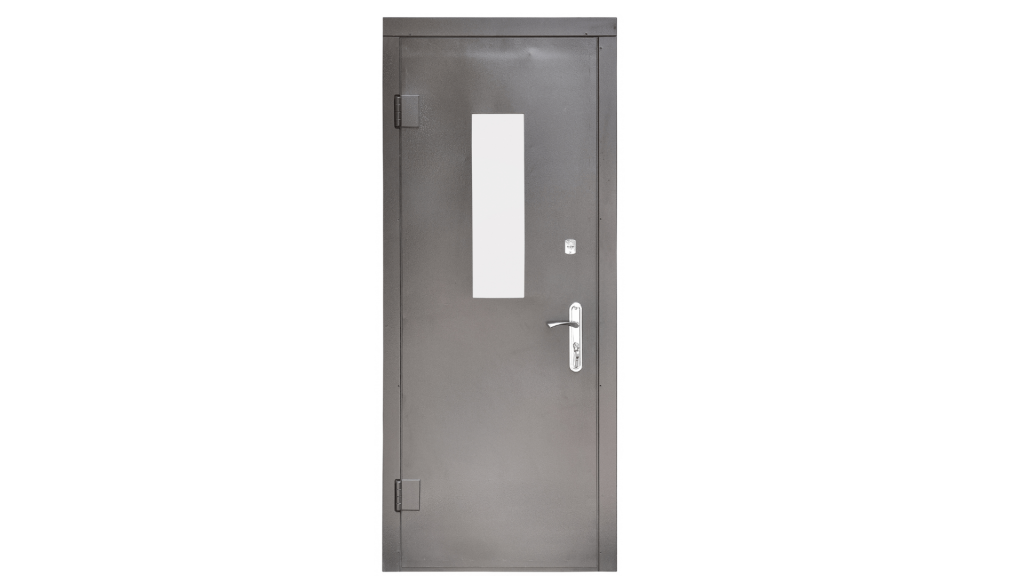
In the realm of architecture and interior design, doors are often relegated to an afterthought, perceived more as ornamental pieces than structural components. While aesthetics play a key role in overall presentation, the construction and composition of doors influence numerous aspects of a building’s performance. From acoustics and insulation to durability and security, the materials used in door manufacturing carry long-term implications.
Among various options, solid core doors stand out for their engineered strength and practical value. These doors are not completely solid throughout, but rather consist of a solid composite or wood-based core enveloped by a veneer or laminate surface. This structure offers a robust alternative to the more commonly used hollow core doors, providing superior performance in both commercial and residential settings. Though more expensive upfront, their long-term benefits far outweigh the initial cost.
Property owners and builders who prioritize quality and resilience are increasingly shifting toward solid core solutions. While the visual appeal remains comparable to that of traditional hollow core doors, the internal structure of a solid core door lends itself to an entirely different level of utility. In commercial and industrial applications, where traffic and wear are considerable, investing in a solid core option is often seen not only as a sensible decision but as a crucial one.

Soundproofing and Acoustic Benefits
One of the most compelling arguments for solid core doors lies in their capacity to manage sound. Unlike their hollow counterparts, solid core doors significantly reduce sound transmission between rooms. This makes them particularly desirable in settings such as offices, hotels, hospitals, and multifamily residential buildings where noise control is a priority.
The denser core material, often composed of particleboard or mineral core, provides a natural barrier to airborne sound. As a result, conversations and ambient noise are less likely to seep through, fostering a more private and comfortable environment. For businesses, this means enhanced discretion in meetings and a quieter workspace, while for homes, it can contribute to greater peace and quiet, especially in busy households or shared living arrangements.
To fully capitalize on these benefits, it’s crucial to ensure proper installation. Acoustic performance can be compromised if the door is not fitted correctly within its frame or if gaps are left unsealed. Therefore, it’s not just the material that matters, but the craftsmanship involved in placing it. Attention to detail in fitting and sealing transforms a well-constructed solid core door into a high-performance acoustic barrier.
Durability That Withstands the Test of Time
Durability remains one of the most practical and compelling reasons to invest in solid core doors. These doors are constructed to endure frequent use and resist damage that typically affects hollow core alternatives. For spaces that experience high foot traffic, such as educational institutions or commercial properties, solid core doors offer longevity that justifies their cost.
Unlike hollow doors that can crack or deform under pressure, solid core models maintain their structural integrity even after years of use. The solid internal composition is less susceptible to punctures, warping, or splitting, making it a preferred choice in environments that demand resilience. In the long term, this translates into fewer replacements, less maintenance, and greater overall value.
Notably, the added weight of solid core doors contributes not just to their sturdiness, but also to a more secure and tactile feel when operated. This heft can make a significant psychological impression, signaling quality and permanence. Users instinctively recognize the distinction, and in commercial settings, that can reinforce a sense of professionalism and care.
Security and Safety Considerations
Security is often a paramount concern in building design, particularly in commercial and industrial environments. Solid core doors offer a significant advantage in this regard due to their dense construction and impact resistance. The integrity of a solid core door acts as a deterrent to forced entry and can support advanced locking mechanisms better than hollow alternatives.
In addition to physical security, solid core doors are often chosen for their fire-resistant properties. Many are available with fire ratings that comply with safety codes, which can be crucial for both regulatory compliance and occupant safety. These doors can help contain the spread of fire and smoke, providing vital time for evacuation and emergency response.
It’s worth noting that many commercial suppliers specialize in this class of doors. For example, builders and facility managers often source reliable products like the solid core wood door models from nationwide providers such as USA Fire Door, which combine tested durability with enhanced safety ratings. Such doors are engineered not only to meet visual expectations but to fulfill stringent building codes across a range of industries.
Energy Efficiency and Climate Control
Solid core doors contribute meaningfully to the energy efficiency of a building. Their denser composition helps in maintaining interior temperatures by limiting the flow of air between spaces. This thermal insulation reduces the load on HVAC systems, promoting better climate control and lower utility costs.
In commercial spaces, where energy consumption can significantly affect the bottom line, installing solid core doors is a practical way to improve performance. Whether used for exterior entrances or internal partitions, these doors support consistent temperature regulation, which is vital for both occupant comfort and operational efficiency. In climates with extreme temperatures, this function becomes even more critical.
Moreover, energy codes and green building standards increasingly recognize the role of doors in overall building performance. Choosing solid core doors can contribute to certifications such as LEED or compliance with local sustainability requirements. In this way, an architectural detail becomes a strategic component of a building’s ecological footprint.
Aesthetic Versatility Without Compromise
Despite their functional focus, solid core doors offer no shortage of design flexibility. These doors can be finished with a wide variety of veneers, laminates, and paints to match virtually any architectural style or interior motif. The surface appearance is often indistinguishable from hollow core options, allowing designers to maintain visual consistency while upgrading on performance.
The core structure does not limit customization. In fact, because of their stability and weight, solid core doors are often more amenable to high-quality finishes and hardware. They can support more substantial hinges, handles, and locks without compromising alignment or smooth operation. This makes them a favored choice in high-end residential and boutique commercial projects alike.
In historic renovations or architecturally significant projects, solid core doors offer the ability to replicate period details while modernizing internal performance. In this way, they serve as a bridge between tradition and innovation. Stakeholders do not have to choose between beauty and function, as these doors deliver both.
Environmental and Regulatory Impact
Environmental considerations are increasingly influencing construction decisions, and solid core doors align well with sustainability goals. Many are made from recycled or responsibly sourced materials, and manufacturers often provide Environmental Product Declarations (EPDs) to verify these claims. This transparency is becoming a standard requirement in large-scale development projects.
Additionally, building codes and accessibility standards frequently specify requirements that solid core doors are better suited to meet. This includes criteria for fire safety, sound attenuation, and ADA compliance. Their robust construction allows for the integration of features like automatic closers and accessible hardware without undermining structural integrity.
Investing in doors that support environmental and regulatory compliance is a prudent move for developers and property managers. Beyond meeting legal obligations, it signals a commitment to responsible building practices. The result is a product that not only performs well but also supports broader goals of safety and sustainability.
Long-Term Economic Value
Though the upfront cost of solid core doors may seem steep in comparison to hollow options, the long-term financial implications are generally favorable. Their durability reduces replacement frequency and maintenance costs, while their insulation properties contribute to energy savings. Over time, these factors culminate in a lower total cost of ownership.
In commercial leasing scenarios, high-quality doors can also impact tenant satisfaction and retention. A well-constructed door enhances both the aesthetic and functional appeal of a space, contributing to a perception of professionalism and reliability. For property managers, this can translate into fewer vacancies and better lease terms.
Moreover, resale value can be positively influenced by such infrastructural upgrades. Potential buyers or investors often look for signs that a property has been built or renovated with quality in mind. Solid core doors, though easily overlooked, serve as subtle indicators of thoughtful construction that add to a building’s appeal and marketability.

Founder Dinis Guarda
IntelligentHQ Your New Business Network.
IntelligentHQ is a Business network and an expert source for finance, capital markets and intelligence for thousands of global business professionals, startups, and companies.
We exist at the point of intersection between technology, social media, finance and innovation.
IntelligentHQ leverages innovation and scale of social digital technology, analytics, news, and distribution to create an unparalleled, full digital medium and social business networks spectrum.
IntelligentHQ is working hard, to become a trusted, and indispensable source of business news and analytics, within financial services and its associated supply chains and ecosystems