Imagine a world where computers can think and learn, and where transactions are recorded in a way that’s impossible to tamper with. That’s the promise of artificial intelligence (AI) and blockchain technology. When you put them together, you get something truly special – a way to make systems smarter, more secure, and more efficient. This isn’t just about making things faster; it’s about changing how entire industries work, from finance to healthcare and beyond. Let’s look at how this combination, often called artificial intelligence in blockchain, is shaping our future.
Key Takeaways
- Artificial intelligence (AI) enables systems to learn and make decisions, while blockchain provides a secure, transparent record of transactions.
- Combining AI and blockchain can greatly improve data security and the integrity of information used by AI.
- This integration allows for more efficient operations through automation and intelligent decision-making.
- Industries like finance, healthcare, and supply chain management are seeing major changes thanks to AI-powered blockchain solutions.
- While challenges exist, the future of artificial intelligence in blockchain points towards more trustworthy, decentralized, and automated systems.
Understanding The Core Technologies: AI And Blockchain
Artificial Intelligence: The Thinking Machine
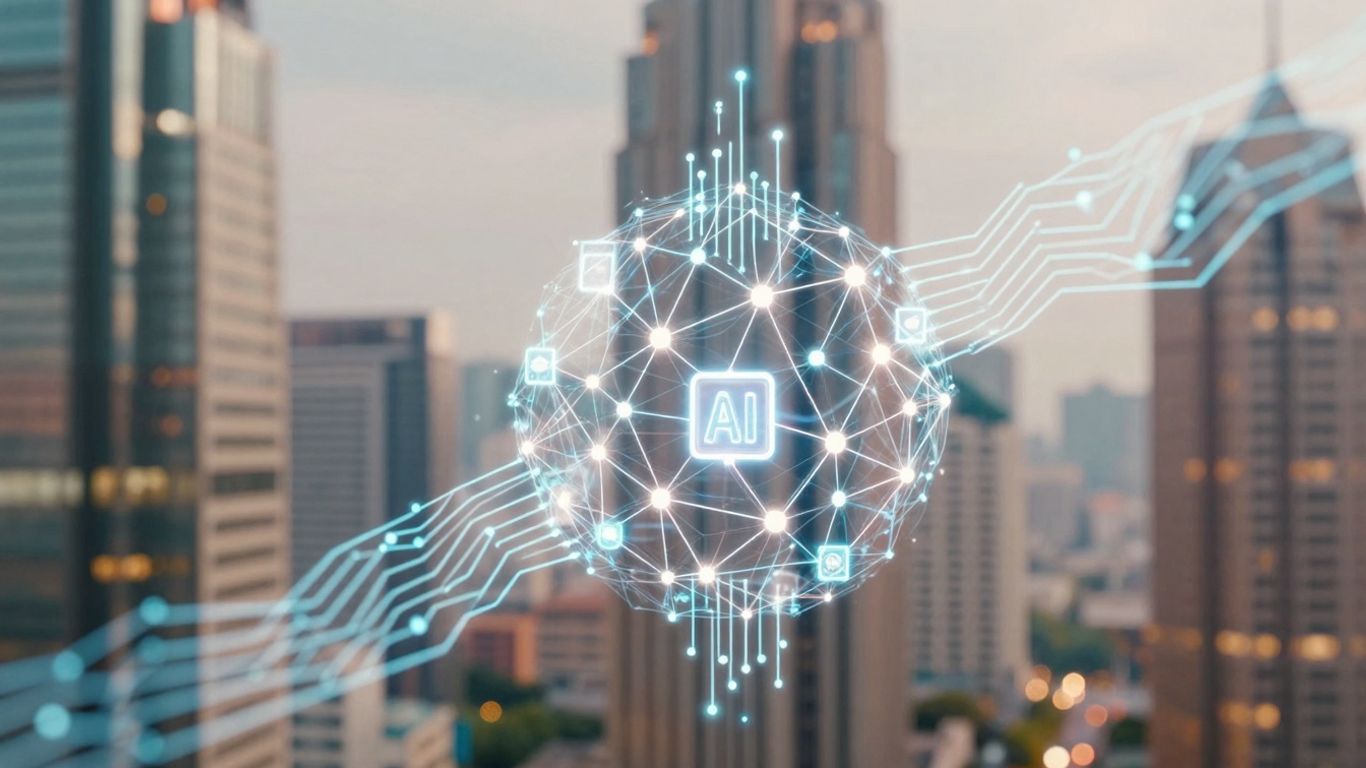
Artificial Intelligence, or AI, is essentially about making computers think and act in ways that mimic human intelligence. Think of it as teaching a machine to learn, solve problems, and make decisions. It’s not just about simple commands; AI systems can analyze huge amounts of information, spot patterns we might miss, and then use that knowledge to perform tasks. This can range from recognizing faces in photos to helping doctors diagnose illnesses. The goal is to create systems that can adapt and improve over time, much like we do.
There are a few main ways AI learns:
- Machine Learning: This is a big part of AI. Instead of being programmed for every single scenario, machines learn from data. You show them lots of examples – say, pictures of cats – and they start to figure out what makes a cat a cat. The more data they see, the better they get at identifying new cats.
- Deep Learning: This is a more advanced form of machine learning that uses complex structures called neural networks, inspired by the human brain. It’s particularly good at handling very complex data like images, sound, and text.
AI is already woven into our daily lives, from the recommendations you get on streaming services to the navigation apps that guide you through traffic. It’s a tool that helps us process information and make sense of the world around us more effectively.
AI is not about replacing human thought, but about augmenting our capabilities. It provides tools to handle complexity and scale that were previously unimaginable.
Blockchain: The Unbreakable Ledger
Now, let’s talk about blockchain. Imagine a digital notebook that’s shared among many people. Every time something new happens – like a transaction – it’s written down on a new page, called a "block." This block is then added to the end of the notebook, forming a "chain." What makes this special is that once a page is added, it’s incredibly difficult to change or remove it. Plus, everyone in the network has a copy of the entire notebook, so if someone tries to alter their copy, it won’t match everyone else’s, and the change is rejected.
This system has a few key features:
- Decentralization: No single person or company controls the entire notebook. It’s spread out across many computers.
- Transparency: While identities can be protected, the transactions themselves are often visible to everyone on the network.
- Immutability: Once data is recorded, it’s permanent and cannot be altered or deleted.
These characteristics make blockchain a very secure and trustworthy way to record information, especially when trust between parties is low. It’s the technology that first powered cryptocurrencies like Bitcoin, but its uses go far beyond just digital money, extending to tracking goods, verifying identities, and much more.
The Synergy Of Their Convergence
When you put AI and blockchain together, something really interesting happens. AI is great at analyzing data and making smart decisions, but it needs reliable, trustworthy data to do its job well. Blockchain, on the other hand, provides a secure and transparent way to store and manage that data, making it tamper-proof.
Think of it like this: AI is the brain, and blockchain is the secure memory. The AI can process information, and the blockchain can store the results of that processing in a way that everyone can trust. This combination can lead to:
- More secure AI: Blockchain can help verify the data AI uses, reducing the risk of biased or manipulated information affecting AI decisions.
- Smarter blockchain operations: AI can analyze patterns on the blockchain to identify potential issues, optimize network performance, or even automate complex smart contract executions.
- New possibilities: Together, they can create systems for things like decentralized AI marketplaces, where AI models are traded securely, or automated supply chains that are both intelligent and transparent.
This partnership is where the real revolution begins, allowing us to build systems that are not only intelligent but also incredibly secure and reliable.
How Artificial Intelligence In Blockchain Enhances Operations
Augmented Data Security and Integrity
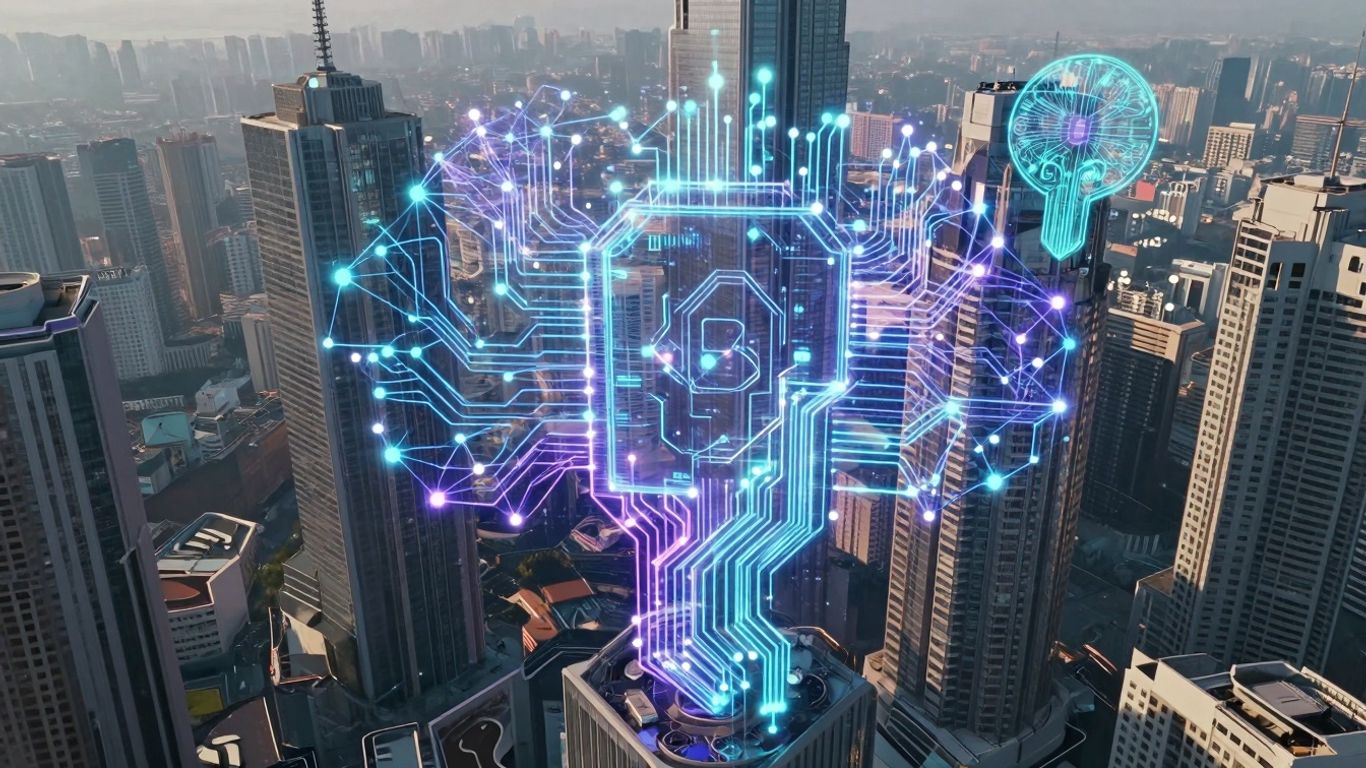
When we talk about security and making sure data is trustworthy, combining AI with blockchain is a pretty big deal. Blockchain itself is built on being secure and unchangeable. Think of it like a digital notebook where every entry is locked down and linked to the one before it. This makes it really hard for anyone to go back and change things without everyone else noticing. Now, add AI into the mix. AI is great at spotting patterns and weird stuff in large amounts of information. So, AI can watch over the blockchain network, looking for any unusual activity that might signal a security problem. If it finds something suspicious, it can flag it right away, helping to stop potential issues before they become major breaches. This means sensitive information stays safer.
Streamlined Processes Through Automation
One of the most practical ways AI and blockchain work together is by making things run more smoothly. AI can handle repetitive tasks that usually need a person to do them. Imagine verifying transactions or managing where goods are in a supply chain. AI can do these things much faster and with fewer mistakes than humans often do. When you combine this with blockchain’s reliable record-keeping, processes become not only quicker but also more accurate. This automation can save a lot of time and resources across different industries.
Intelligent Decision-Making Capabilities
Beyond just security and speed, AI brings smarts to blockchain operations. AI can look at all the data stored on the blockchain and find useful insights. This helps businesses make better choices. For example, in finance, AI can analyze transaction history to predict market trends or identify potential risks. In healthcare, it could help doctors understand patient data better to suggest the best course of treatment. The blockchain ensures the data AI uses is reliable and hasn’t been tampered with, making the AI’s decisions more trustworthy and effective.
The combination of AI and blockchain creates a powerful system where data is both secure and intelligent. This allows for processes that are not only efficient but also highly reliable, leading to better outcomes and new possibilities for businesses.
Revolutionizing Industries With AI-Powered Blockchain
The combination of Artificial Intelligence (AI) and blockchain technology is not just an incremental improvement; it’s a fundamental shift that’s reshaping how various sectors operate. Think of AI as the brain, capable of complex analysis and decision-making, and blockchain as the secure, transparent nervous system that records and verifies everything. Together, they create powerful new ways to do business.
Transforming Financial Services
The financial world, with its inherent need for security and speed, is a prime candidate for this technological fusion. AI can sift through vast amounts of transaction data to spot fraudulent patterns or predict market movements with remarkable accuracy. Blockchain, in turn, provides an unalterable record of every transaction, making it incredibly difficult for illicit activities to go unnoticed. This synergy means faster, more secure transactions, improved risk management, and potentially new financial products that were previously too complex or risky to implement.
- Fraud Detection: AI algorithms analyze transaction histories to identify anomalies, flagging suspicious activity in real-time.
- Automated Compliance: Smart contracts on the blockchain, guided by AI, can automatically enforce regulatory requirements.
- Personalized Financial Products: AI can assess individual financial needs, while blockchain can facilitate the secure and efficient delivery of tailored services.
The financial sector stands to gain immensely from the combined strengths of AI and blockchain, moving towards systems that are both more intelligent and more trustworthy.
Advancing Healthcare And Patient Care
In healthcare, the stakes are incredibly high, and the need for accurate data and secure patient records is paramount. AI can analyze patient data – from medical images to genetic information – to help diagnose diseases earlier and suggest personalized treatment plans. Blockchain ensures that this sensitive patient data is stored securely, with access controlled by the patient themselves. This allows different healthcare providers to share information safely, leading to better-coordinated care and improved patient outcomes.
- Secure Medical Records: Blockchain creates an immutable and auditable record of patient history.
- AI-Driven Diagnostics: AI analyzes scans and data to assist doctors in identifying conditions.
- Drug Traceability: Blockchain tracks pharmaceuticals from manufacturer to patient, preventing counterfeits.
Optimizing Supply Chain Management
Imagine knowing exactly where your product came from, how it was handled, and when it will arrive, all with complete certainty. AI can optimize logistics by predicting demand, managing inventory, and finding the most efficient routes. Blockchain provides a transparent, real-time ledger of a product’s journey, from raw material to the end consumer. This not only boosts efficiency but also combats issues like counterfeiting and ensures ethical sourcing.
- Real-time Tracking: Blockchain records every movement and handover of goods.
- Demand Forecasting: AI analyzes market trends to predict consumer needs accurately.
- Counterfeit Prevention: Verifying the authenticity of goods through blockchain records.
Innovations In The Energy Sector
The energy industry is moving towards decentralization and sustainability, and AI-powered blockchain is a key enabler. AI can predict energy consumption patterns and optimize grid management for efficiency. Blockchain can then facilitate peer-to-peer energy trading, allowing individuals or businesses with solar panels, for example, to sell excess energy directly to their neighbors. This creates a more resilient, efficient, and green energy ecosystem.
- Smart Grid Management: AI balances energy supply and demand dynamically.
- Peer-to-Peer Trading: Blockchain enables direct energy transactions between producers and consumers.
- Renewable Energy Certificates: Transparent tracking and trading of green energy credits.
Emerging Trends In Blockchain AI Integration
As artificial intelligence and blockchain technologies mature, their combined potential is sparking exciting new developments. We’re seeing a shift towards more sophisticated and integrated applications that push the boundaries of what’s possible.
Decentralized Artificial Intelligence Models
Traditionally, AI models are built and run on centralized servers. This means a single entity controls the data and the algorithms. However, integrating AI with blockchain allows for a different approach: decentralized AI. Imagine AI models that aren’t housed in one place but are distributed across many computers on a blockchain network. This distribution makes the AI more resilient and transparent. No single point of failure exists, and the data used to train these models can be managed more openly.
- Enhanced Security: Distributing data and processing reduces the risk of a single breach.
- Increased Transparency: The operations and data lineage of the AI can be recorded on the blockchain, making them auditable.
- Reduced Bias: By using diverse, blockchain-verified datasets, AI models can potentially become less biased.
Enhancing Trustworthiness Of AI Systems
One of the biggest hurdles for AI adoption is trust. How do we know the AI is making decisions based on reliable data? Blockchain can help here by providing an immutable record of the data used to train AI models. Every piece of data, its source, and how it was processed can be logged on the blockchain. This creates a verifiable audit trail, giving users and developers confidence in the AI’s outputs.
Building trust in AI is paramount. By using blockchain to track data provenance, we can create AI systems that are not only intelligent but also demonstrably reliable and fair.
AI-Powered Smart Contracts
Smart contracts are self-executing contracts with the terms of the agreement directly written into code. They run on a blockchain and automatically execute when predefined conditions are met. Now, imagine infusing these smart contracts with AI. This means smart contracts could become far more dynamic and intelligent. Instead of simple, rigid conditions, AI could analyze complex data inputs to trigger contract execution. For example, an AI could analyze market conditions to automatically adjust insurance payouts or optimize energy trading based on real-time demand and supply.
- Automated Negotiations: AI could facilitate complex, multi-party negotiations within a smart contract framework.
- Predictive Execution: Contracts could be triggered based on AI’s predictions rather than just current data points.
- Dynamic Pricing: AI can adjust pricing in real-time for goods or services governed by a smart contract.
Navigating The Challenges Of Integration
Bringing artificial intelligence and blockchain together sounds like a recipe for amazing new things, and it is. But, like any big project, it’s not always smooth sailing. There are some real hurdles we need to get over before this combination can truly change the world.
Addressing Technical Hurdles
One of the biggest bumps in the road is simply making these two technologies work well together. AI often needs a lot of data and processing power, sometimes in real-time. Blockchain, especially public ones, can sometimes be slow when lots of people are using it at once. Think of it like trying to get a super-fast sports car (AI) to run on a dirt road (a slow blockchain). We’re seeing new ideas like ‘sharding’ and ‘off-chain transactions’ to speed things up, but it’s still a work in progress. Plus, getting different systems to talk to each other, known as interoperability, is tricky. They often speak different ‘languages,’ and creating a common way for them to communicate takes time and smart engineering.
The Evolving Regulatory Landscape
Governments and law-makers are still figuring out how to deal with AI and blockchain. Because these technologies change so fast, the rules and laws are always playing catch-up. This can make it hard for businesses to know exactly what they can and can’t do. For example, rules about data privacy, like the GDPR, can be complicated when you’re dealing with blockchain’s permanent records and AI’s data analysis. Finding the right balance between letting innovation happen and protecting people is a big challenge.
Ethical Considerations For Responsible Development
Beyond the technical and legal stuff, we also have to think about what’s right. How do we make sure the AI systems we build on blockchain are fair and not biased? Who is responsible if something goes wrong, especially when the system is decentralized? These are important questions that need careful thought. Building trust in these combined systems means being open about how they work and considering the impact on everyone involved.
- Ensuring AI algorithms are transparent and free from bias.
- Defining clear lines of accountability for data security and system integrity.
- Protecting user privacy in decentralized data environments.
The path forward requires ongoing research and collaboration. Developing clear standards and frameworks will help guide the responsible integration of AI and blockchain, making sure the benefits are shared widely and potential risks are managed effectively. For more on how fashion businesses are using these tools, check out this global fashion directory.
Real-World Applications Of Artificial Intelligence In Blockchain
Secure and Transparent Transactions
AI and blockchain are teaming up to make transactions safer and more open than ever. Think about it: blockchain already keeps a super secure record of every transaction. Now, AI comes in to watch over that record. It can spot unusual patterns that might signal something fishy, like someone trying to cheat the system. This means fewer mistakes and less fraud, which is great for anything from sending money to tracking where your food came from.
- Fraud Detection: AI algorithms analyze transaction data on the blockchain to identify suspicious activities in real-time.
- Identity Verification: AI can help verify user identities before they interact with blockchain networks, adding an extra layer of security.
- Auditing: AI can automate the auditing process for blockchain transactions, making it faster and more reliable.
The combination of AI’s analytical power and blockchain’s immutable ledger creates a robust framework for trust and security in digital interactions.
Automated Logistics and Tracking
Keeping track of goods as they move around the world can be a headache. AI and blockchain are changing that. Blockchain can create a clear, step-by-step record of a product’s journey, from the factory to your doorstep. AI then uses this information to figure out the best routes, predict when things might get delayed, and even manage inventory automatically. This means less waste, fewer lost items, and happier customers.
- Supply Chain Visibility: Real-time tracking of goods from origin to destination.
- Predictive Maintenance: AI analyzes sensor data from shipments to predict potential issues.
- Automated Payments: Smart contracts on the blockchain can trigger payments automatically once delivery milestones are met.
Personalized Healthcare Solutions
Healthcare is a field where accuracy and privacy are super important. AI can look at patient data – like medical history and test results – to help doctors make better diagnoses and suggest treatments tailored just for you. Blockchain steps in to keep all this sensitive health information safe and private, giving you control over who sees it. This way, you get better care without worrying about your data falling into the wrong hands.
- Secure Medical Records: Blockchain stores patient data securely, with access controlled by the patient.
- AI-Powered Diagnostics: AI analyzes medical images and patient data to assist in disease detection.
- Drug Traceability: Blockchain tracks pharmaceuticals from manufacturing to patient, preventing counterfeit drugs.
Decentralized Energy Trading
Imagine being able to sell your extra solar power directly to your neighbor. AI and blockchain are making this possible. Blockchain can manage the transactions between energy producers and consumers in a fair and open way. AI can help predict energy production and demand, making sure the grid stays balanced and efficient. This could lead to lower energy costs and a more sustainable energy system for everyone.
- Peer-to-Peer Energy Markets: Blockchain facilitates direct trading of energy between individuals.
- Grid Optimization: AI analyzes energy usage patterns to improve grid stability and efficiency.
- Automated Billing: Smart contracts handle billing and payments automatically based on energy consumption.
The Road Ahead: AI and Blockchain Together
So, we’ve seen how artificial intelligence and blockchain, when they work together, can really change things. It’s not just about cryptocurrencies anymore; it’s about making systems more secure, more open, and just plain smarter. Think about how much smoother things could run in areas like tracking goods or managing sensitive information. While there are still some bumps in the road, like figuring out the best ways to put it all into practice and making sure it’s used responsibly, the potential is huge. This combination is setting the stage for some pretty interesting developments in the years to come.
Frequently Asked Questions
What exactly is AI and blockchain?
Think of Artificial Intelligence (AI) as a smart computer program that can learn and make decisions, much like humans do. Blockchain, on the other hand, is like a super secure digital notebook that records information in a way that’s almost impossible to change or cheat. It’s shared by many people, so everyone can see what’s happening, making it very trustworthy.
How do AI and blockchain work together?
When AI and blockchain team up, it’s like giving AI super-powered eyes and a secure place to store its findings. AI can analyze lots of information to make smart choices, and blockchain can safely record those choices. This makes AI’s decisions more reliable and secure, and it helps blockchain run more smoothly and intelligently.
What are some real-world examples of this technology in action?
You can see this technology helping out in many areas. For example, in banking, AI can spot tricky transactions, and blockchain can make sure those transactions are recorded safely. In managing goods, AI can figure out the best way to move things, while blockchain can track where each item is, making sure you get what you ordered and it’s not a fake.
Does combining AI and blockchain make things more secure?
Yes, it definitely can! Blockchain is already very secure because it’s hard to tamper with. AI can make it even better by spotting unusual patterns that might mean someone is trying to cheat the system. It’s like having a super-smart security guard watching over the secure record book.
What are the main benefits of using AI with blockchain?
The biggest advantages are making things more secure and trustworthy, speeding up processes through automation, and allowing for smarter decision-making. Imagine faster, safer online payments or medical records that are both private and easily shared with your doctor when needed. It’s all about making systems work better and more reliably.
Are there any difficulties in putting AI and blockchain together?
Yes, there are challenges. Both technologies are still growing, and fitting them together perfectly can be tricky. Sometimes it takes a lot of computer power, and making sure everything follows the rules and is fair for everyone is important. But people are working hard to solve these issues so we can use this technology to its fullest.

Peyman Khosravani is a seasoned expert in blockchain, digital transformation, and emerging technologies, with a strong focus on innovation in finance, business, and marketing. With a robust background in blockchain and decentralized finance (DeFi), Peyman has successfully guided global organizations in refining digital strategies and optimizing data-driven decision-making. His work emphasizes leveraging technology for societal impact, focusing on fairness, justice, and transparency. A passionate advocate for the transformative power of digital tools, Peyman’s expertise spans across helping startups and established businesses navigate digital landscapes, drive growth, and stay ahead of industry trends. His insights into analytics and communication empower companies to effectively connect with customers and harness data to fuel their success in an ever-evolving digital world.