From Europe’s AI Act to China’s data-control laws and India’s rapidly expanding digital public infrastructure, nations are rewriting the rules of digital power. As AI becomes a geopolitical weapon, not just a technology, countries are racing to secure data, models, and cloud systems. Digital sovereignty is no longer a policy idea; it’s the new battleground shaping global influence.

In the rapidly evolving world of digital technology, the concept of digital sovereignty has become an increasingly important focus for nations around the globe. With the rise of artificial intelligence (AI), nations are not only grappling with how to control their digital infrastructure but are also reshaping the policies that govern data, AI models, and digital ecosystems within their borders. Digital sovereignty is the idea that a nation has the right to control and regulate its digital infrastructure, data, and AI, ensuring that these technologies align with its national interests, security, and values.
According to the International Monetary Fund (IMF), almost 40 % of global employment is exposed to artificial intelligence (AI) technologies, underscoring how deeply AI is touching national economic and social structures. Meanwhile, a survey in Europe found that 84.2 % of respondents identified end‑to‑end encryption as a top priority for digital sovereignty, while 63.2 % said open‑source software was “critical” to their strategies.
This concept, although not new, has gained significant momentum in recent years, especially with the increasing dominance of AI in various sectors. Nations are now realising that digital technologies, including AI, are not only tools for economic development but also instruments of power, influence, and control. AI is no longer just a tool for businesses; it has become a critical factor in shaping national security, economic competitiveness, and geopolitical relations.
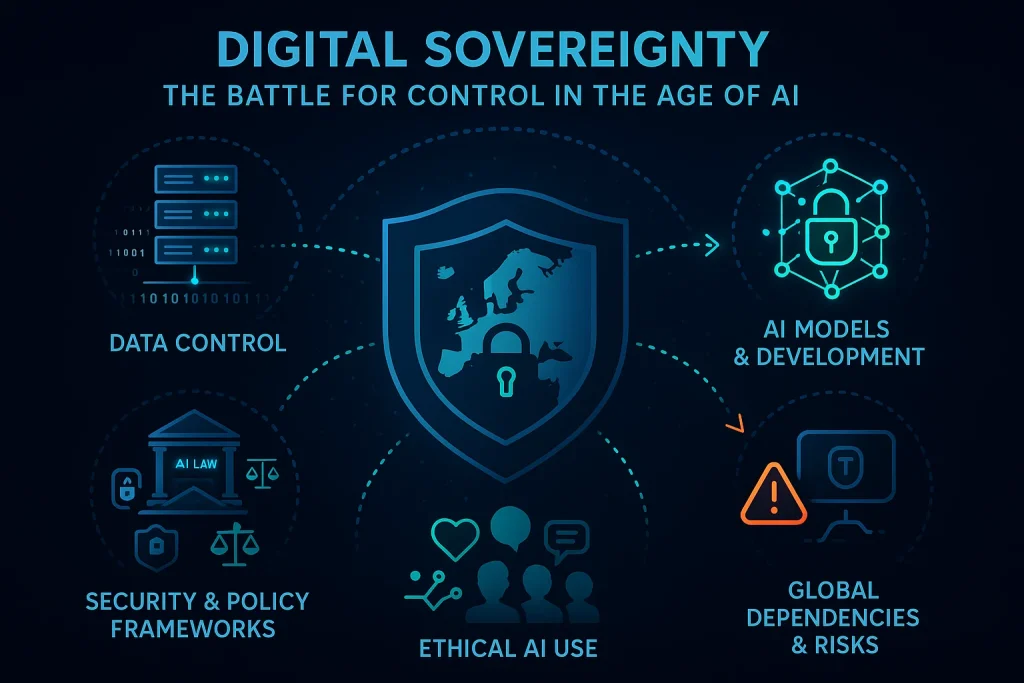
What is Digital Sovereignty in the Context of AI?
Digital sovereignty is essentially the ability of a nation to have full control over its digital infrastructure, including data, cloud services, AI models, and the regulation of online platforms. This control extends to ensuring that the data generated by citizens, businesses, and government activities remains within national borders, or at least under the control of domestic laws and regulations. In essence, it’s about a country asserting its authority over the digital space, just as it does with physical territory.
In the context of AI, digital sovereignty takes on an even greater importance. AI technologies are data-hungry, and the ability to control data flows, data storage, and data processing has become a strategic advantage. Nations are increasingly realising that without control over the development and deployment of AI systems, they risk becoming dependent on foreign technology providers, which could have serious implications for national security, economic growth, and public policy.
Moreover, AI has the potential to influence everything from public opinion to national defence strategies. With AI systems now capable of making decisions that affect millions of lives, nations are under pressure to create frameworks that ensure these technologies are used responsibly, ethically, and in a manner that aligns with national values. The ability to influence and regulate AI systems that operate within a country’s borders is, therefore, seen as a key aspect of maintaining digital sovereignty.
The Importance of AI in Reshaping Digital Sovereignty
As AI continues to advance, it has become a driving force in reshaping the landscape of digital sovereignty. AI is not just a technological innovation; it is a transformative force that can redefine economies, political systems, and social structures. This makes the governance of AI a central concern for countries seeking to preserve their sovereignty in the digital era.
There are several reasons why AI is crucial to digital sovereignty:
- Economic Competitiveness: AI is rapidly becoming a key driver of economic growth. Nations that control and leverage AI have a significant competitive advantage in sectors like healthcare, finance, manufacturing, and even agriculture. Countries are investing heavily in AI to ensure they remain economically competitive on the global stage. However, this requires controlling the development and deployment of AI systems, as well as ensuring that the data used to train these systems is handled in ways that support national economic interests.
- National Security: AI has the potential to revolutionise national security strategies, including cybersecurity, surveillance, and defence systems. Nations that can develop and deploy advanced AI systems will have an edge in defending against cyber threats, maintaining public order, and even gaining strategic advantages in international conflicts. This has led many countries to prioritise the development of AI technologies that are not reliant on foreign entities.
- Public Trust and Rights: With AI systems increasingly making decisions that affect people’s lives—such as in healthcare, criminal justice, and social services—governments are recognising the importance of ensuring that these systems operate in a transparent, accountable, and ethical manner. Digital sovereignty allows nations to set their own rules for how AI should be used, ensuring that it aligns with the country’s values and protects citizens’ rights.
- Data Control: As AI relies heavily on data, nations that control access to their citizens’ data have a significant strategic advantage. Data is often called the “new oil,” and its control is key to gaining influence in the digital age. Nations are now taking steps to ensure that data generated within their borders is protected and that they are not dependent on foreign corporations for data storage or processing.
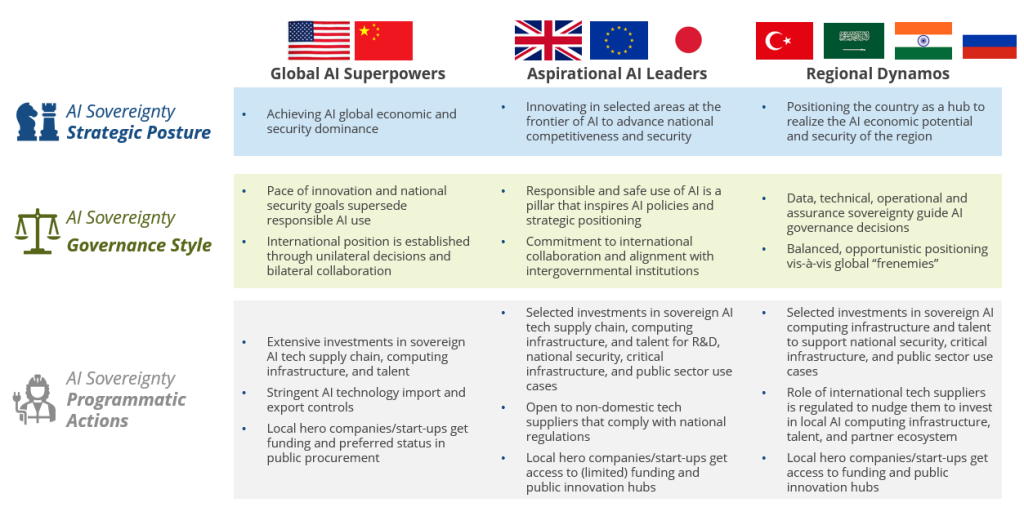
National Approaches to Digital Sovereignty and AI
Nations around the world are taking different approaches to AI governance and digital sovereignty, shaped by their political, economic, and social contexts. Here are three distinct models that have emerged in recent years:
1. The European Union: Sovereignty with Openness
The European Union (EU) has been at the forefront of advocating for digital sovereignty while maintaining its commitment to openness, democratic values, and human rights. The EU has sought to create a regulatory framework that ensures AI and digital technologies align with its values, particularly in areas such as privacy, transparency, and accountability.
The EU’s General Data Protection Regulation (GDPR), which was implemented in 2018, set the standard for data privacy and sovereignty in the digital age. The GDPR gives EU citizens control over their personal data and imposes strict rules on companies that collect and process data. It has become a model for other countries seeking to regulate digital platforms and protect their citizens’ privacy.
In addition to data privacy, the EU has proposed the Artificial Intelligence Act, which is the first comprehensive AI regulation aimed at ensuring that AI systems are developed and deployed in ways that respect EU values. The EU’s approach to AI governance focuses on risk-based regulation, requiring AI systems to meet certain safety and ethical standards based on their potential impact on society. This regulatory approach seeks to strike a balance between fostering innovation and protecting citizens’ rights.
The EU has also made efforts to reduce its dependency on foreign tech providers, particularly in the areas of cloud computing and AI. Initiatives such as the EU Sovereign Cloud and the Digital Sovereignty Fund are aimed at fostering domestic AI development and reducing reliance on non-EU companies like Amazon, Google, and Microsoft. These efforts are part of a broader strategy to achieve digital autonomy and ensure that AI technologies are developed in ways that align with European values.
2. China: Centralised Control and Self-Reliance
China represents a different approach to digital sovereignty, one that emphasises state control and self-reliance. The Chinese government has adopted a top-down model for regulating AI, with a strong focus on developing indigenous technologies and reducing dependence on foreign suppliers. This approach is closely tied to China’s broader geopolitical ambitions, as the country seeks to become a global leader in AI and other advanced technologies.
The Chinese government has implemented a series of laws and policies aimed at asserting control over the digital domain. The Cybersecurity Law (2017) and Data Security Law (2021) require companies operating in China to store data locally and ensure that it is subject to Chinese laws. These laws have been designed to protect China’s national security and ensure that sensitive data does not fall into foreign hands.
China’s AI Governance Framework is also one of the most advanced in the world. The government has set ambitious goals to become a global leader in AI by 2030, with a focus on developing AI technologies for national security, economic growth, and social stability. The Chinese government has also prioritised the development of AI chips, data centres, and other critical infrastructure to support its AI ambitions.
However, China’s approach to AI governance has raised concerns about privacy, surveillance, and individual freedoms. The Chinese government has been criticised for using AI systems to monitor and control its citizens, particularly through facial recognition and other forms of surveillance. Despite these concerns, China’s model of digital sovereignty has been highly effective in advancing its technological ambitions.
3. India: Navigating Between Opportunity and Risk
India represents a middle ground between the European and Chinese models. India has recognised the importance of digital sovereignty, particularly in the areas of AI and data governance. However, India faces unique challenges, including a lack of domestic infrastructure, talent, and capacity to fully realise its digital sovereignty goals.
India has made significant strides in digital public infrastructure, such as the Aadhaar digital identity system and the Unified Payments Interface (UPI), both of which have been widely adopted across the country. These initiatives have helped India create a robust digital ecosystem that enables citizens to access services, make payments, and authenticate their identity online.
At the same time, India has recognised the need to develop its own AI capabilities to avoid becoming dependent on foreign technologies. The government has launched initiatives such as Atal Innovation Mission and National AI Strategy to foster AI research and development in India. However, India’s reliance on foreign cloud providers, AI models, and semiconductor imports remains a significant challenge to its digital sovereignty.
India is also facing pressure to regulate AI in ways that protect citizens’ rights while fostering innovation. The government has set up an expert committee to draft an AI policy that addresses issues such as data privacy, algorithmic accountability, and AI ethics. However, balancing the need for regulation with the desire to promote innovation remains a key challenge for India.
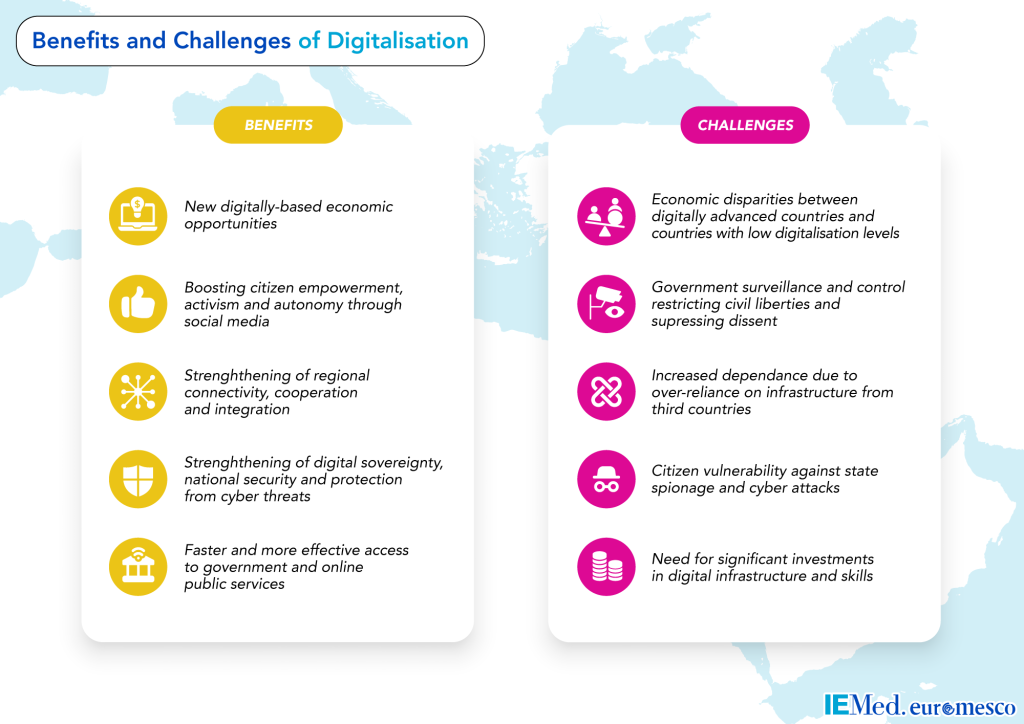
The Key Policy Tools for Digital Sovereignty
As nations seek to assert control over their digital futures, they are adopting a variety of policy tools to achieve digital sovereignty. Some of the key policy levers being used include:
- Data Localisation: Requiring that data generated within a country be stored and processed domestically. This is a key element of many digital sovereignty strategies, as it ensures that data remains under the control of the national government.
- AI Governance Frameworks: Establishing regulations that govern the development, deployment, and use of AI systems. These frameworks typically focus on issues such as transparency, accountability, fairness, and ethics in AI.
- Domestic Infrastructure Investment: Governments are investing in domestic AI infrastructure, including data centres, cloud computing platforms, and AI research labs. This helps reduce dependence on foreign technology providers and promotes the development of local AI ecosystems.
- Public Digital Infrastructure: Governments are increasingly providing digital services such as e-governance platforms, digital identity systems, and payment infrastructure. This enables them to retain control over critical digital services and data flows.
- Talent Development: Many countries are investing in education and training programs to develop local AI talent. This is crucial for ensuring that countries can develop and maintain AI systems without relying on foreign expertise.
The Challenges of Digital Sovereignty
While digital sovereignty offers significant benefits, it also presents several challenges:
- Global Interdependence: Despite efforts to build domestic AI ecosystems, countries are still dependent on global supply chains for components such as semiconductors and cloud infrastructure. This global interdependence makes it difficult to achieve true digital sovereignty.
- Balancing Innovation and Control: Striking the right balance between promoting innovation and ensuring control over digital technologies is a delicate task. Countries that impose too many regulations may stifle innovation, while those that do too little may become overly dependent on foreign technology.
- Ethical Concerns: As AI systems become more powerful, there are growing concerns about their ethical implications. Nations must find ways to regulate AI without infringing on citizens’ rights or freedoms.
- Skills Gap: Developing the necessary talent to build and maintain AI systems is a significant challenge for many countries. Without the right skills, countries may struggle to build their own AI ecosystems and become dependent on foreign providers.
The Road Ahead
As nations continue to shape their policies around digital sovereignty and AI, the future will likely see a more fragmented global digital landscape. Countries will adopt different models of AI governance, and regional digital blocs may emerge, each with its own rules and regulations.
For businesses, this presents both opportunities and challenges. Companies that operate across borders will need to navigate different regulatory environments, and those that rely on foreign technology may face increased scrutiny and potential barriers to entry in certain markets.
For citizens, digital sovereignty will affect everything from data privacy to access to digital services. As countries take control of their digital futures, the way AI is used in governance, business, and everyday life will evolve.
Ultimately, the global race for digital sovereignty will shape the next phase of technological and geopolitical development. As AI becomes an ever more central part of national strategies, the nations that successfully navigate these challenges will be the ones that lead in the digital age.

Himani Verma is a seasoned content writer and SEO expert, with experience in digital media. She has held various senior writing positions at enterprises like CloudTDMS (Synthetic Data Factory), Barrownz Group, and ATZA. Himani has also been Editorial Writer at Hindustan Time, a leading Indian English language news platform. She excels in content creation, proofreading, and editing, ensuring that every piece is polished and impactful. Her expertise in crafting SEO-friendly content for multiple verticals of businesses, including technology, healthcare, finance, sports, innovation, and more.