
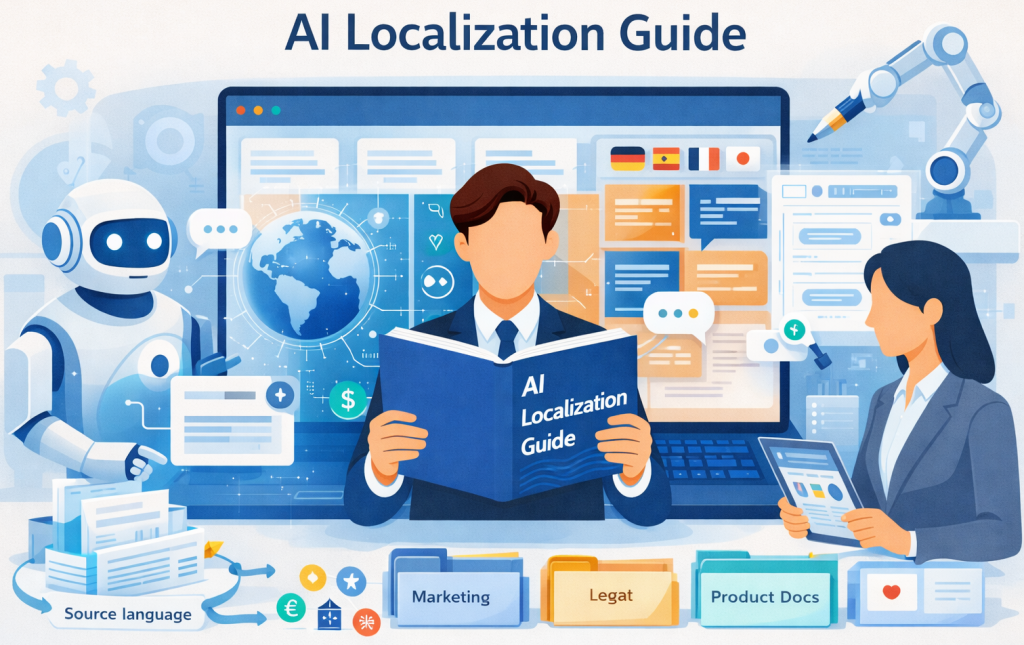
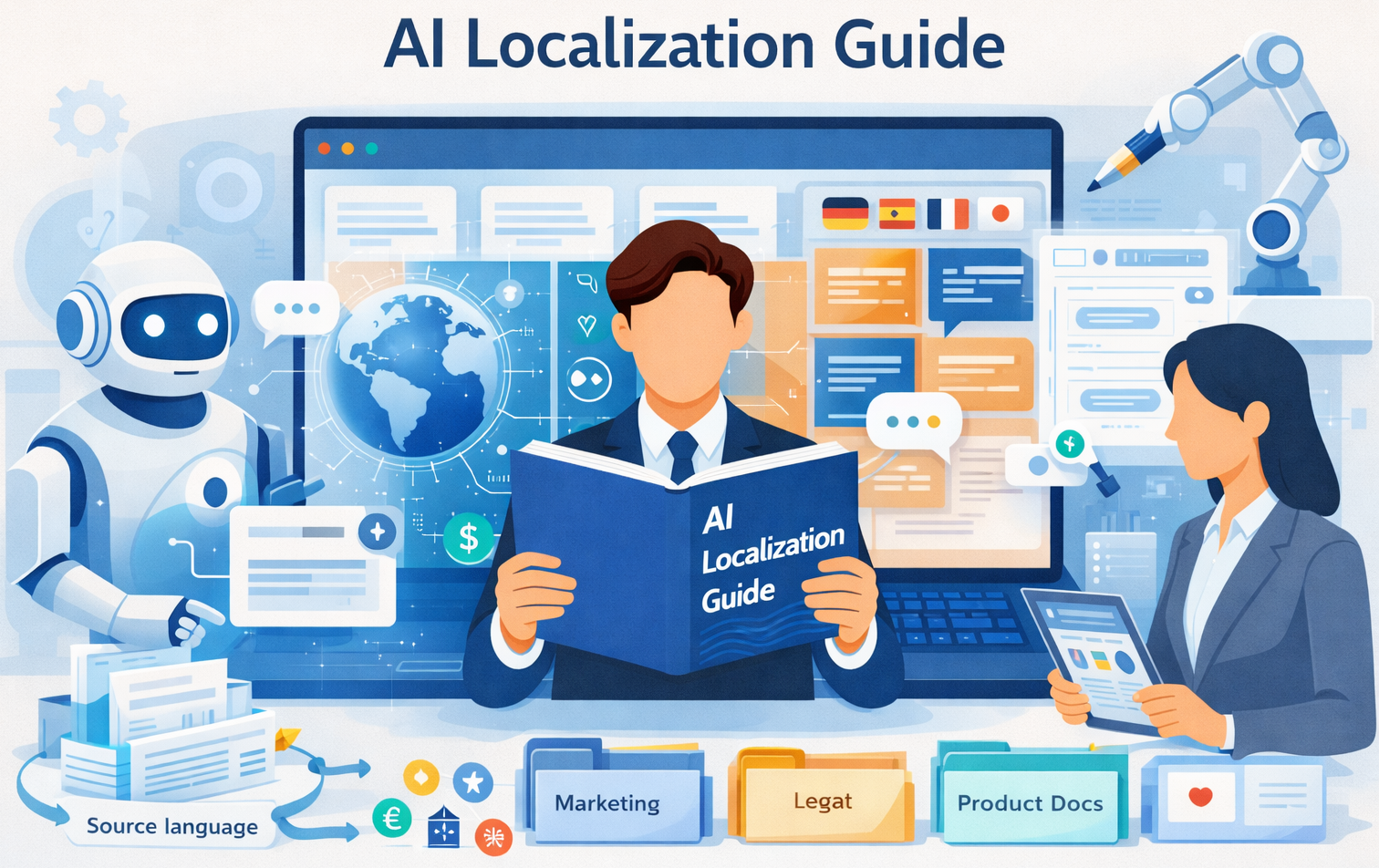
Global audiences demand content that feels native, not translated. Artificial intelligence has moved localization from a manual, error-prone process into a strategic, scalable discipline. AI Localization guide explores how AI can streamline translation, preserve brand voice, and respect cultural nuance, while outlining practical steps to implement an effective AI-driven localization program. By understanding the core components – strategy, technology, data governance, and quality assurance – organizations can deliver fast, accurate, and culturally resonant content across markets.
Foundations of AI localization
Why AI localization matters
The digital landscape is inherently global, and multilingual experiences are a key differentiator for brands seeking growth in diverse markets. AI accelerates translation workflows, reduces turnaround times, and enables iterative content updates across channels. This shift helps teams respond to local needs more quickly than ever before, without sacrificing quality. The result is a better user experience that aligns with local preferences and regulatory requirements.
The limits of automation and the role of humans
AI excels at scale and consistency but still benefits from human oversight, especially for legal, technical, or highly nuanced content. Human-in-the-loop workflows combine machine efficiency with linguistic expertise to maintain accuracy, ethics, and brand integrity. The best AI localization strategies use humans for critical reviews while machines handle repetitive tasks, enabling teams to focus on higher-value work.
The core components of an AI localization stack
- Translation management system (TMS): Centralizes translation assets, workflows, and QA.
- Terminology and style guides: Ensure consistent terminology across languages and domains.
- Machine translation with post-editing: Leverages neural models for speed, with professional editors refining output.
- Glossaries, memory, and metadata: Maintain brand voice and contextual accuracy across content types.
- Content source control and integration: Connects localization with content creation platforms for seamless updates.
Strategy and governance
- Defining objectives and success metrics: Clear objectives guide AI localization investments. Common goals include faster time-to-market, improved translation quality, higher engagement in target markets, and reduced localization costs. Key metrics to track include translation speed (pages per day), post-editing effort (hours per page), quality scores from internal reviews, and global engagement indicators (time-on-site, conversion rates) by locale.
- Content prioritization and scoping: Not all content needs equal treatment. Start with high-impact assets: product pages, help center articles, marketing campaigns, and legal terms. Create a tiered localization plan that prioritizes critical content, while non-core materials can be localized on a longer schedule or updated less frequently.
- Data governance for AI localization: Data quality drives AI effectiveness. Curate source content, maintain clean terminology databases, and enforce data privacy and security standards. Proper data governance minimizes model drift, preserves brand consistency, and reduces risk in regulated sectors.
- Brand and localization governance: A centralized brand voice and localization guidelines help AI systems reproduce consistent messaging across markets. Include tone, style, glossary entries, and preferred phrasing to guide AI outputs and human reviewers alike.
Technology and workflow
- Selecting AI-enabled localization tools. Modern localization stacks combine machine translation, glossaries, translation memories, and QA tooling. The right mix depends on content type, languages, and integration needs. Tools should support customizable glossaries, efficient post-editing, and easy collaboration between translators and reviewers.
- Content workflows and automation. Automate the path from content creation to localization: source content is pushed to the TMS, translated by MT where appropriate, post-edited by humans, and published back to the product or site. Automations should preserve version control and support rollback if needed.
- Quality assurance in AI localization. QA processes include linguistic review, glossary checks, and UI/text length validation to ensure that localized content fits layouts and conveys intended meaning. Implement automated checks for terminology consistency and string length constraints, complemented by human reviews for critical content.
- Cultural and contextual adaptation. AI translation benefits from cultural context. Localize idioms, humor, measurements, and date formats to align with local expectations. When in doubt, involve local experts to validate content and guard against cultural missteps.
- Security, privacy, and compliance. Localized content may contain sensitive information. Ensure data handling complies with regional regulations and internal policies. Implement access controls, encryption, and clear data retention practices to protect customer information.
Content types and localization strategies
- Product pages and e-commerce. Accurate translations of features, benefits, and specifications are vital. Use structured data and localized metadata to support search optimization and improve relevance in local marketplaces.
- Marketing and branding. Localization here blends translation with adaptation. Tailor messaging to local cultural contexts, avoiding literal translations that feel foreign or off-brand. Maintain consistent brand voice across campaigns and landing pages.
- Help center and support content. Clear, concise guidance reduces churn and improves satisfaction. Localize steps, screenshots, and error messages in a way that aligns with local user expectations and support workflows.
- Legal and regulatory texts. Precision matters. AI can draft first-pass translations, but legal teams should review and finalize terms, policies, and disclosures to ensure compliance and enforceability.
- Product documentation and manuals. Technical accuracy and clarity are paramount. Structured content (tables, figures, diagrams) should be preserved or adapted to regional standards and units of measurement.
- Visual and multimedia localization. Video captions, audio localization, and graphics require specialized handling. Ensure voice-overs match regional dialects and use culturally appropriate visuals and on-screen text.
Measuring success and continuous improvement
- Quality measurement frameworks. Adopt standardized QA metrics such as BLEU,TER, or human-rated quality scores, complemented by post-editing effort and reviewer feedback. Track improvements over time to demonstrate ROI.
- Speed and efficiency metrics. Monitor cycle times from content creation to publication, as well as the volume of content localized per week or month. Use dashboards to identify bottlenecks and optimize workflows.
- Global impact indicators. Assess engagement and performance by locale, looking at metrics like page views, time on page, conversions, and customer satisfaction scores. Use this data to adjust localization priorities and invest in high-impact languages.
- Feedback loops. Establish mechanisms for translators, editors, and end-users to provide feedback on translations. Use this feedback to refine glossaries, training data, and model configurations.
Best practices and common pitfalls
Start small, then scale
Begin with high-value assets and gradually expand to new content types and languages as processes mature.
Invest in data quality
Clean, well-organized content and terminology databases yield better AI outputs and faster post-editing.
Balance automation with human oversight
Maintain a humane balance between machine speed and human judgment, especially for content with high risk or cultural sensitivity.
Prioritize user experience
Localized content should feel native, not just translated. Prioritize natural phrasing, cultural resonance, and alignment with local customer journeys.
Choose scalable architectures
Build localization pipelines that can grow with business needs, including multi-language support, automation hooks, and modular components for easy updates.
AI localization in practice: case highlights
- Accelerating launch timelines. Companies report faster product introductions in new markets by leveraging MT with guided post-editing and automated QA, reducing manual translation cycles.
- Maintaining brand consistency. Centralized glossaries and style guides help preserve voice across languages, minimizing drift in technical or legal language.
- Enhancing customer engagement. Localized content tailored to regional preferences improves onboarding and support experiences, boosting retention and satisfaction.
Case study considerations (summarized)
- Define scope and success metrics at project outset.
- Map content types to localization treatments (translate, adapt, or both).
- Establish governance for terminology and brand voice.
- Implement a scalable pipeline with integrated QA and feedback loops.
- Continuously measure impact and iterate on workflows, data, and models.
Future directions
- Generative AI and real-time localization. Advances in generative AI enable more natural-sounding translations that adapt to context in real time, potentially shrinking localization cycles further.
- Multimodal localization. Beyond text, multimedia localization will increasingly consider visuals, audio, and interactive components to deliver cohesive regional experiences.
- Localization as a strategic capability. AI localization evolves from a supporting function to a core strategic capability that informs product development, marketing, and customer engagement across borders.
Conclusion
An AI localization program, when well-governed and thoughtfully implemented, unlocks faster time-to-market, scalable content delivery, and more meaningful connections with global audiences. The most effective implementations blend strong strategy and governance with capable technology, robust data practices, and disciplined QA. By treating localization as an ongoing, data-informed process rather than a one-off project, organizations can maintain high-quality, culturally resonant content across markets.
FAQs about ai localization
What is a localization guide?
The term refers to a comprehensive approach that combines artificial intelligence with human expertise to translate and adapt content for local markets, ensuring linguistic accuracy, cultural relevance, and brand consistency.
How does AI improve localization quality?
AI accelerates translation, maintains consistency with terminology databases, and enables scalable quality checks, while human review handles nuance and complex content.
What content should be prioritized for localization?
Prioritize high-impact assets like product pages, help center articles, marketing campaigns, and legal texts, then expand to other materials as processes mature.
What metrics indicate localization success?
Time-to-market, post-editing effort, translation quality scores, user engagement by locale, and conversion rates are common measures.
How can brands maintain tone across languages?
Maintain a centralized style guide and glossaries, and use a human-in-the-loop process to preserve voice while leveraging AI for scalability.
What challenges should be anticipated?
Data quality, model drift, cultural missteps, and ensuring compliance are common hurdles that require ongoing governance and review.
Is AI localization suitable for regulated industries?
Yes, with rigorous human review for critical sections such as legal, financial, and safety content, plus strict data handling controls.
What role do humans play in AI localization?
Humans provide strategic guidance, perform post-editing, validate cultural context, and ensure regulatory compliance, complementing AI’s speed and scale.
How to start an AI localization project?
Define objectives, inventory content, establish glossaries, choose a compatible toolset, set up governance, pilot with a high-impact content batch, and measure results before scaling.

Peyman Khosravani is a seasoned expert in blockchain, digital transformation, and emerging technologies, with a strong focus on innovation in finance, business, and marketing. With a robust background in blockchain and decentralized finance (DeFi), Peyman has successfully guided global organizations in refining digital strategies and optimizing data-driven decision-making. His work emphasizes leveraging technology for societal impact, focusing on fairness, justice, and transparency. A passionate advocate for the transformative power of digital tools, Peyman’s expertise spans across helping startups and established businesses navigate digital landscapes, drive growth, and stay ahead of industry trends. His insights into analytics and communication empower companies to effectively connect with customers and harness data to fuel their success in an ever-evolving digital world.










