The world of art is changing fast. New tools are showing up that can make images using artificial intelligence. This is called ai generated imagery. It’s a big shift, and it makes people think about what art really is and who can make it. We’re going to look at how this works, what it means for artists, and where it might lead.
Key Takeaways
- AI generated imagery is created by computer programs that learn from many existing pictures and text.
- These AI tools can make unique visuals from simple written descriptions, opening up new ways to create art.
- The use of ai generated imagery brings up questions about who owns the art and if machines can be truly creative.
- AI art tools are already being used in areas like advertising and game design, showing practical uses beyond just art.
- The relationship between human artists and AI is changing, with AI becoming a tool that can help artists make new kinds of work.
The Dawn Of AI Generated Imagery
Understanding The Technology Behind The Art
The world of digital art has seen constant change. From simple pixel art to complex 3D designs, it’s always moving forward. The newest development making waves is AI-generated imagery. It’s an exciting, and sometimes debated, step in this journey.
AI’s role in making art is growing fast. It gives artists new ways to express themselves. Tools like DALL-E and DeepDream show how capable AI is at creating detailed and imaginative works. These systems use complex math to make visuals that were once hard to imagine. This technology is built on machine learning, where AI learns from huge amounts of existing art.
From Pixels To Algorithms: An Evolution
Think about how digital art has changed. Early computer graphics were blocky, made of individual pixels. Then came more advanced software, allowing for smoother lines and colors. Now, we’re seeing a shift from direct human control over every pixel to guiding algorithms. These algorithms, trained on vast datasets of images and text, can produce entirely new visuals. It’s a move from manual creation to a more guided, computational process.
This evolution can be seen in a few key stages:
- Early Digital Art: Focus on pixel manipulation and basic vector graphics.
- 3D Modeling and Rendering: Creating complex, realistic or stylized three-dimensional scenes and objects.
- Algorithmic Art: Using code and mathematical formulas to generate patterns and visuals.
- AI-Generated Imagery: Employing machine learning models trained on data to create images from prompts or other inputs.
Machine Learning Meets Artistic Expression
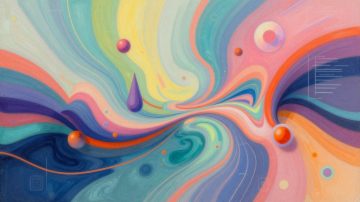
At its core, AI art generation relies on machine learning. These systems are trained on massive collections of images and their descriptions. Through this training, they learn patterns, styles, and the relationships between words and visual elements. When given a text prompt, the AI uses what it has learned to construct an image. It’s not simply copying; it’s synthesizing information to create something novel. This process allows for a unique blend of computational power and what appears to be artistic intuition, leading to surprising and often beautiful results.
AI Generated Imagery: A New Creative Landscape
Exploring The Capabilities Of AI Art Tools
AI art tools are changing how we think about making images. These programs use complex computer instructions, called algorithms, to create pictures. They learn by looking at huge collections of existing images and text. This lets them generate visuals that can be quite surprising. The results often blend familiar styles with entirely new ideas. Think of it like a digital artist who has studied every painting ever made and can now combine elements in ways no human has thought of before.
Generating Visuals From Textual Prompts
One of the most interesting things AI art tools can do is create images based on written descriptions. You type in what you want to see – maybe "a cat wearing a spacesuit on the moon" – and the AI tries to make it. The way these tools work is by understanding the words you use and then finding patterns in the data they learned from to build a matching picture. It’s a bit like giving instructions to a very imaginative, but very literal, assistant.
Here’s a look at how the process generally works:
- Input: A user provides a text description, often called a "prompt."
- Processing: The AI model analyzes the prompt, breaking down the words and their relationships.
- Generation: Using its training data, the AI constructs an image that attempts to match the prompt’s meaning.
- Output: The AI presents one or more generated images.
The Unpredictability And Surprise In AI Art
While AI can follow instructions, it doesn’t always do exactly what you expect. Sometimes, the images it creates are a bit strange or unexpected. This unpredictability is actually a big part of what makes AI art exciting for many people. It can lead to happy accidents and unique visual styles that might not have been planned. It’s like the AI has its own way of interpreting things, leading to results that can be both familiar and completely new.
The interaction between human instruction and algorithmic interpretation means that AI art often exists in a space of creative ambiguity. The final image is a product of both the user’s vision and the AI’s learned patterns, creating a unique collaborative output.
This blend of control and surprise opens up a whole new area for artistic exploration. Artists can use these tools to discover ideas they might not have come up with on their own, pushing the boundaries of visual creation.
Redefining Artistry In The Age Of AI
Can Machines Truly Be Creative?
The question of whether machines can be genuinely creative is one that sparks a lot of debate. For centuries, we’ve associated creativity with human consciousness, emotion, and lived experience. When an AI generates an image, it’s not drawing from personal memories or feelings. Instead, it’s processing vast amounts of data, recognizing patterns, and then assembling elements based on its training. This process is undeniably sophisticated, but does it equate to human creativity? Some argue that true creativity requires intent, a subjective inner world, and the capacity for original thought that goes beyond algorithmic prediction. Others suggest that if the output is novel, surprising, and evokes a response, then the origin – whether human or machine – becomes less important.
The Role Of Human Intent In AI Art
Even with advanced AI tools, human input remains a significant factor. The artist’s role shifts from the direct manipulation of a medium to that of a curator, director, or prompt engineer. The initial idea, the selection of the AI model, the crafting of the text prompt, and the refinement of the generated output all involve human decision-making. This human intent guides the AI, shaping its output and imbuing the final piece with a layer of meaning that wouldn’t exist otherwise. Without a human to conceive of the image and direct the AI, the generated visuals would simply be random outputs. It’s this collaboration between human vision and machine capability that defines much of AI art today.
Challenging Traditional Notions Of Artistry
AI-generated imagery is forcing us to reconsider what art is and who can be an artist. Historically, art has often been tied to technical skill, physical craftsmanship, and a singular artistic vision. AI art challenges these norms. Consider the historical precedent of Marcel Duchamp’s readymades; he argued that an object, when chosen and presented by an artist, could be considered art, regardless of its original purpose or the artist’s direct creation of it. Similarly, AI art prompts us to think about the conceptual aspect of art. If an AI can produce visually compelling or thought-provoking images based on human direction, does that make the human directing it an artist? This technology pushes us to look beyond the physical act of creation and consider the ideas, concepts, and curation involved in bringing art into existence.
- Shift in Skillset: Artists may need to develop new skills, such as prompt writing and AI model selection.
- Democratization of Creation: Tools can lower the barrier to entry for visual creation, allowing more people to express ideas visually.
- New Aesthetic Possibilities: AI can generate styles and combinations that human artists might not conceive of on their own.
The ongoing dialogue around AI art isn’t just about technology; it’s a reflection of our evolving understanding of creativity itself. As these tools become more integrated into our lives, they prompt us to ask deeper questions about authorship, originality, and the very essence of artistic expression. The conversation is less about replacing human artists and more about expanding the definition of what art can be and who can participate in its creation.
Ethical Considerations In AI Generated Art
Copyright And Originality Debates
The rise of AI-generated imagery brings up some tricky questions about who owns what. When an AI creates an image based on countless existing works, where does the line between inspiration and copying fall? This is a big one for artists and legal experts alike. Is the AI the creator, or is it the person who wrote the prompt? Or is it the developers who built the AI? These questions are still being worked out, and different countries are starting to form their own rules.
The Value Of Human Creativity
As AI gets better at making art, some people worry that it might make human artists less important. If a machine can produce stunning visuals quickly and cheaply, what does that mean for people who have spent years honing their craft? It’s a valid concern. We need to think about how we support human artists and make sure their unique skills and perspectives aren’t overlooked.
- Recognizing the emotional depth and lived experience that human artists bring.
- Supporting art education that emphasizes critical thinking and personal expression.
- Finding ways for AI and human artists to work together, rather than compete.
The conversation isn’t just about whether AI can create art, but about what kind of art world we want to build. It’s about making sure technology serves creativity, not the other way around.
Navigating The Future Of Artistic Ownership
Figuring out ownership in AI art is complex. Right now, many AI-generated images don’t qualify for copyright protection in the same way human-made art does. This leaves a lot of gray area. We’re seeing new models emerge, like artists using AI as a tool and then claiming ownership of the final piece they guided. It’s a developing situation, and how it settles will shape how art is bought, sold, and valued in the coming years.
Practical Applications Of AI Generated Imagery
AI-generated imagery is moving beyond the realm of digital art experiments and finding its place in many real-world industries. It’s not just about creating pretty pictures; it’s about solving problems and opening up new possibilities.
Transforming Advertising and Marketing
In advertising, AI can quickly generate a wide variety of visuals for campaigns. Imagine needing dozens of different images for a social media push – AI can produce these variations in a fraction of the time it would take a human artist. This allows marketers to test different visual approaches and tailor content to specific audiences more efficiently.
- Rapid Prototyping: Quickly visualize campaign ideas before committing to expensive photoshoots.
- Personalized Content: Create ad variations that speak directly to different customer segments.
- Cost Reduction: Lower the expenses associated with traditional graphic design and photography.
Enhancing Film and Game Development
For filmmakers and game developers, AI offers powerful tools for world-building and asset creation. Generating concept art, background environments, or even character designs can be significantly sped up. This frees up human artists to focus on more complex, nuanced aspects of their work.
AI can assist in generating textures, creating unique character models, or even visualizing complex scenes that would be difficult or time-consuming to render manually. This technology acts as a powerful assistant, not a replacement, for creative teams.
Innovations Across Various Industries
The impact of AI imagery extends to many other fields:
- Architecture: Visualizing building designs and interior layouts from simple descriptions.
- Fashion: Generating new clothing designs and patterns.
- Education: Creating custom illustrations for learning materials.
- Product Design: Quickly mocking up product concepts and variations.
The ability to translate abstract ideas into concrete visuals rapidly is what makes AI-generated imagery so transformative across these diverse sectors. It’s a tool that can democratize visual creation and accelerate innovation.
The Evolving Relationship Between Artists And AI
AI As A Tool For Human Creators
The integration of artificial intelligence into the creative process is not about replacing human artists, but rather about providing them with powerful new instruments. Think of it like the invention of the camera; it didn’t end painting, but it opened up entirely new avenues for visual expression. AI tools can handle repetitive tasks, generate initial concepts, or even offer unexpected variations that a human artist might not have considered. This allows artists to focus more on the conceptualization and refinement stages of their work. AI can be seen as a sophisticated paintbrush, capable of executing complex strokes based on the artist’s direction.
Consider the following ways AI is becoming a partner:
- Idea Generation: AI can quickly produce a multitude of visual concepts based on textual prompts, giving artists a broad starting point.
- Style Exploration: Artists can use AI to experiment with different artistic styles or to blend existing ones in novel ways.
- Efficiency Boost: AI can automate certain rendering or editing processes, saving significant time.
- Accessibility: Tools are emerging that lower the barrier to entry for creating complex visuals, aiding those without extensive traditional training.
This shift means artists are learning to collaborate with algorithms, guiding them to achieve their unique vision. It’s a dynamic partnership that expands the possibilities of what can be created.
Collaborative Artistry With Machines
Beyond simply using AI as a tool, a more profound relationship is emerging: true collaboration. This involves a back-and-forth interaction where both the human artist and the AI contribute to the final piece. The artist might generate an image, then use AI to modify it, then further refine the AI’s output, and so on. This iterative process can lead to outcomes that neither the human nor the AI could have achieved alone. It challenges the traditional idea of a single creator and introduces the concept of a hybrid creative entity.
The nature of creativity itself is being re-examined. If we consider the complex, adaptive traits generated by microbial evolution as a form of creativity, then it becomes more plausible to view AI’s outputs as a type of emergent, machine-driven creativity. This perspective encourages us to look beyond simple comparisons and consider how creative capacities can develop differently in machines.
This collaborative approach is already making waves in fields like fashion, where AI is used to generate unique visual content for marketing campaigns. The ability to rapidly produce diverse imagery helps creators meet high visual standards, democratizing high-quality image production. AI image editing is transforming how visual content is made.
Expanding The Artist’s Toolkit
Ultimately, AI represents an expansion of the artist’s toolkit, not a replacement. Just as digital software revolutionized graphic design and photography, AI is opening new frontiers for visual artists. It offers new ways to visualize abstract concepts, to create immersive experiences, and to push the boundaries of aesthetic expression. The key lies in how artists choose to integrate these technologies into their practice. The future of art will likely be shaped by those who can skillfully blend human intuition and artistic sensibility with the computational power of AI, leading to forms of expression we are only just beginning to imagine.
Looking Ahead
So, where does all this leave us with AI-generated art? It’s clear that these tools are changing how we think about creativity and art itself. We’ve seen how AI can produce striking visuals, sparking new ideas and even finding its way into different industries. While there are still big questions about originality, copyright, and the role of the human artist, it’s also true that AI offers exciting new possibilities. Instead of seeing it as a replacement for human artists, perhaps we should view AI as a new kind of collaborator or a powerful tool. The conversation is ongoing, and as AI technology keeps developing, so too will its place in the art world. It’s a space worth watching, as it promises to keep pushing the boundaries of what art can be.
Frequently Asked Questions
What exactly is AI-generated art?
AI-generated art is pictures or images made by computer programs called artificial intelligence. These programs study lots of existing art and images. Then, they can create new pictures based on written descriptions or by learning patterns. Think of it like a super-smart computer that can draw or paint based on what it has learned.
How does AI create art?
AI uses special computer instructions, called algorithms, to make art. It looks at huge amounts of pictures and text to understand how things look and how words describe them. Then, when you give it a prompt, like ‘a cat wearing a hat in space,’ it uses what it learned to put together a new image that matches your idea.
Is AI art considered real art?
That’s a big question people are still discussing! Some believe that because a machine made it, it’s not as meaningful as art made by a person. Others think that if the art is new, interesting, and makes people feel something, then it can be considered art, no matter how it was made. It’s like how people used to argue about photography being art.
Can AI be creative like a human?
This is a tricky one. AI can create surprising and new images, which is part of being creative. However, it doesn’t have feelings or personal experiences like humans do. So, while it can produce creative-looking results, it doesn’t ‘feel’ or ‘intend’ in the same way a human artist does. It’s more like a very advanced tool.
Who owns the copyright for AI-generated art?
Copyright rules for AI art are still being figured out. Generally, copyright protects the original creator. Since AI isn’t a person, it’s unclear if the AI itself can own copyright. Often, the person who used the AI tool to create the image, or the company that made the AI, might have some claim, but it’s a complex legal area.
How can artists use AI in their work?
Artists can use AI as a powerful new tool. They might use it to get ideas, create backgrounds for their work, experiment with different styles, or even collaborate with the AI to make something neither could create alone. It can help artists explore new possibilities and speed up certain parts of the creative process.
Peyman Khosravani is a seasoned expert in blockchain, digital transformation, and emerging technologies, with a strong focus on innovation in finance, business, and marketing. With a robust background in blockchain and decentralized finance (DeFi), Peyman has successfully guided global organizations in refining digital strategies and optimizing data-driven decision-making. His work emphasizes leveraging technology for societal impact, focusing on fairness, justice, and transparency. A passionate advocate for the transformative power of digital tools, Peyman’s expertise spans across helping startups and established businesses navigate digital landscapes, drive growth, and stay ahead of industry trends. His insights into analytics and communication empower companies to effectively connect with customers and harness data to fuel their success in an ever-evolving digital world.