There are no longer boardrooms and locked filing cabinets for sharing sensitive business information. The business environment today is inter-border, multi-time zone, and non-internal. As a result, security is a major consideration when selecting document sharing tools.
Virtual data rooms (VDRs) emerge at this point. A virtual data room is an online secure environment for storing, handling, and sharing confidential information during critical business processes, such as mergers and acquisitions, fundraising, audits, legal reviews, and real estate transactions.
When buyers are unfamiliar with this technology, choosing the right VDR platform can be challenging. This checklist breaks down aspects that are actually significant from a security perspective and how the current VDR software facilitates secure collaboration and data protection compliance.
Why Security is the Priority
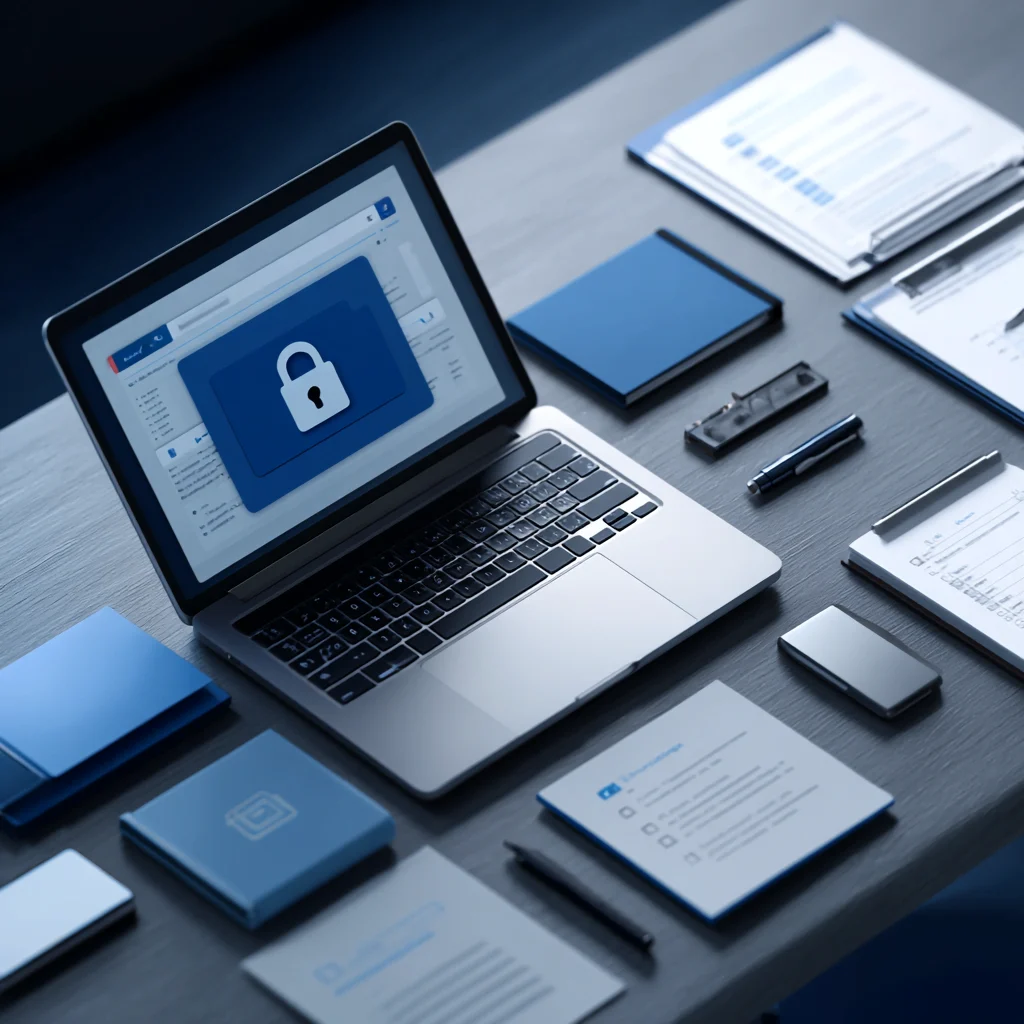
Unlike basic cloud storage, virtual data rooms are built to share high-value, high-risk information. They ensure that financial records, contracts, personal data, and strategic documents are well secured to prevent unauthorized access.
Strong virtual data room security guarantees that:
- Files can only be accessed by authorized users
- All the actions are monitored and traceable
- Confidential information is secured during its lifecycle
A security-first strategy is not an option. That is why organizations prefer secure data room solutions over consumer-grade file-sharing tools.
Must-haves for a Secure Virtual Data Room: Checklist
Let’s focus on the security-first buyer’s checklist for selecting VDR software.
1. Encryption to Protect Data Everywhere
Secure file sharing is based on encryption.
An authorized VDR is encrypted:
- At rest, to secure documents in storage
- At transit, to lock files during uploading or accessing
It is impossible to consider any platform a secure solution without offering strong encryption standards. Authoritative platforms typically provide AES-256 encryption for data at rest and TLS protocols for data in transit.
2. Clear and Granular Access Controls
Access for users does not have to be the same.
VDR software with security orientation enables administrators to:
- Grant role-based authorization
- Control access at the folder or document level
- Limit downloading, printing, or editing
Granular controls minimize accidental exposure risks and limit the effects in case of credential exposure. They also ensure that external advisors, investors, or partners are easier to handle without any loss of control.
3. Multi-factor User Authentication
Passwords cannot guarantee additional security.
Multi-factor authentication (MFA) adds an extra layer to the security of your data as it requires an extra verification of the user’s identity. This process can include actions such as:
- A single-use code sent to a mobile device
- An authentication app
- Device-based verification
MFA has become the minimum level of virtual data room security. It greatly reduces the risk of unauthorized access, especially when users log in remotely.
4. Audit Trails and Full Activity Visibility
Visibility is one of the fundamental security characteristics.
A trusted virtual data room offers audit trails, which are detailed and capture:
- Who accessed each document
- Viewing files and downloading files
- Permission or user role modifications
These records support internal control, regulatory inspection, and conflict management. They also help organizations track abnormal behavior earlier, before it becomes a real issue.
5. Built-in Protection of Documents
Security cannot be limited to access controls.
Secure data room solutions are advanced and contain document-level protection, including:
- Dynamic watermarks with user information
- View-only modes that do not allow downloads
- Automatic expiration dates
- Remote access revocation
These characteristics deter unauthorized sharing and provide sensitive information protection when a file is open.
6. Secure Infrastructure and Data Hosting
Data location is equally important to data access.
Buyers must ask about:
- Data center certifications (ISO/IEC 27001 and SOC 2 Type II)
- Server locations
- Backup and disaster recovery procedures
Professionally administered, redundant, and fully monitored data centers are the foundation of high-quality and secure data room solutions. Such infrastructure helps uptime, resiliency, and long-term consistent data protection.
7. Ease of Use Without Security Trade-Offs
Collaboration should not be complicated by security.
The virtual data room should be well-structured and provide:
- Simple navigation
- Clear permission settings
- Fast onboarding for new users
If a platform is confusing, users can bypass it, leaving security vulnerabilities. Ease of use is not a vulnerability.
8. Vendor Transparency and Ongoing Support
Security is not static.
An effective VDR service provider must:
- Make its security architecture very clear
- Deliver responsive customer support
- Periodically update the platform to address new risks
Vendors who are open about their security practices will probably keep their VDR secure and react quickly to new dangers.
Conclusion: Be Confident and Make a Security-First Choice
Security requirements can be complex for buyers who are not familiar with virtual data room software. Nonetheless, the decision-making process can be simplified with a structured checklist.
The appropriate VDR program is a combination of:
- Strong virtual data room security
- Secure file sharing tools
- Compliant and trustworthy infrastructure
Before addressing the security issue, ensure that sensitive information is protected, expectations are fulfilled, and organizations are comfortable working together. A safe data room is not just a luxury but also a need of the modern digitalized business environment.