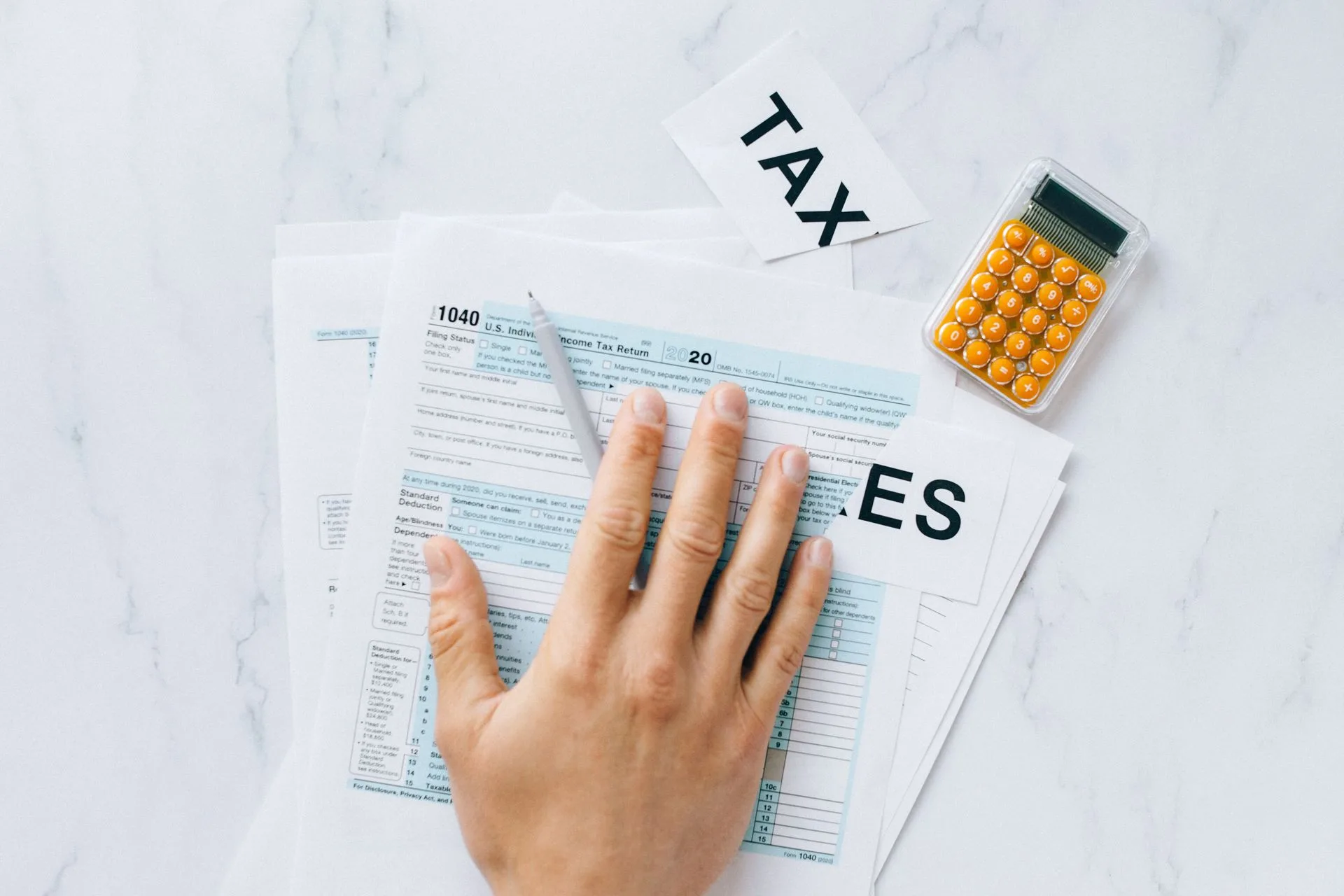
Switzerland built a long-standing reputation for financial privacy. For Americans who live there, though, banking confidentiality does not cancel U.S. tax reporting obligations. International reporting rules have made foreign financial accounts far more transparent. U.S. authorities now have established channels for obtaining information about accounts that American taxpayers hold abroad.
The Foreign Account Tax Compliance Act (FATCA) sits at the center of this change. It requires foreign financial institutions to identify accounts connected to U.S. taxpayers and to follow the applicable reporting rules. Americans in Switzerland need to understand these requirements to manage Switzerland taxes for US expats and avoid costly reporting errors.
How FATCA Changed Swiss Banking Transparency
FATCA, enacted in 2010, targets offshore tax evasion. It requires foreign financial institutions to identify and report information about accounts held by U.S. taxpayers. An institution that fails to comply can face a 30% withholding tax on certain payments from U.S. sources.
Switzerland implemented its FATCA agreement with the United States in 2014. Under the current Model 2 arrangement, Swiss financial institutions report account information directly to the Internal Revenue Service (IRS) when the relevant U.S. account holders consent. When consent is withheld, the bank reports certain information in aggregated form, and U.S. authorities may seek specific account information through established administrative assistance procedures.
The distinction matters. Swiss accounts are not necessarily transmitted directly to the IRS in every case. Refusing consent, however, does not guarantee that an account stays undisclosed, because FATCA gives U.S. authorities established ways to request more information. The practical message for American expatriates is simple. Swiss banking privacy should not be treated as protection from U.S. tax reporting requirements.
Why Swiss Bank Accounts Are Increasingly Visible
Financial transparency keeps expanding through international cooperation. Switzerland and the United States signed a new FATCA agreement in June 2024. The revised framework is intended to introduce reciprocal automatic exchange of financial account information, and the transition is expected to take effect in 2029. The planned change reflects a broader shift in international banking: financial institutions must identify relevant account holders, keep appropriate records, and meet reporting obligations under the applicable rules.
For Americans in Switzerland, the consequences go beyond opening an account. Banks may ask for information about U.S. citizenship, tax residency, and taxpayer identification numbers. Moreover, account holders may receive documentation requests or notices about information reporting.
None of this means that holding a Swiss account is prohibited. U.S. citizens can hold legitimate foreign bank accounts. What matters is whether they understand the Switzerland taxes for the US expats and meet their U.S. tax reporting obligations.
U.S. Tax Filing Requirements Continue Abroad
Moving to Switzerland does not end U.S. federal income tax obligations. U.S. citizens and resident aliens, including many green card holders, generally remain subject to U.S. taxation on worldwide income wherever they live. Filing requirements depend on the applicable rules and individual circumstances.
So salary earned in Switzerland, interest from Swiss savings accounts, dividends, investment gains, and other reportable income may all affect a U.S. tax return. How each item is treated depends on its nature, its source, and the applicable tax provisions.
Americans researching US taxes for expats in Switzerland should separate income tax reporting from foreign account reporting. Reporting an account does not replace the obligation to report taxable income, and reporting income on a U.S. return does not automatically satisfy the separate foreign account disclosure requirements.
FBAR and FATCA Form 8938: Two Different Reporting Obligations
Foreign account reporting runs through more than one system. Two important requirements are the Foreign Bank Account Report (FBAR) and FATCA-related Form 8938.
FBAR: Reporting Foreign Financial Accounts
A U.S. person generally must file an FBAR when the combined maximum value of their foreign financial accounts exceeds $10,000 at any point during the calendar year, and the other filing conditions are met. The report goes electronically to the Financial Crimes Enforcement Network (FinCEN) on FinCEN Form 114.
The threshold applies to the aggregate value of qualifying foreign accounts, not to each account separately. Someone with several Swiss accounts has to consider their combined value when deciding whether the requirement applies. An account may require FBAR reporting even when it earns no taxable income. The obligation attaches to the financial account itself, not only to the income it produces.
Form 8938: Specified Foreign Financial Assets
Form 8938 is filed with the federal income tax return when the applicable reporting thresholds and conditions are met. It covers specified foreign financial assets, which can include foreign financial accounts and certain other interests.
Thresholds vary with filing status and with whether the taxpayer lives in the United States or abroad. FBAR and Form 8938 also differ in their definitions, filing procedures, and exceptions. Some taxpayers need to file both. Others have only one applicable obligation.
Reviewing both requirements is essential when assessing obligations for income tax of US expats in Switzerland. Neither form substitutes for the other.
What Should American Expats Do Now?
Start by identifying every Swiss account you own or control, including relevant joint accounts and accounts where you hold signature authority. Review the statements, determine the maximum annual balances, and establish whether FBAR or Form 8938 reporting applies.
Next, review your U.S. income tax returns for completeness. Swiss employment income, interest, dividends, and other relevant income should receive appropriate treatment. If earlier filings left out accounts or income, tax advice for US expats in Switzerland can help you assess the available correction procedures. The appropriate response depends on the facts, filing history, and applicable rules.
Keep bank correspondence, tax records, foreign tax assessments, and supporting financial documents organized. Respond promptly to legitimate requests from financial institutions, and seek professional guidance when reporting requirements are unclear.
Conclusion
Swiss banking privacy no longer offers a reliable basis for assuming that U.S. authorities cannot obtain foreign account information. FATCA already establishes reporting and administrative assistance mechanisms, and a transition to reciprocal automatic exchange is planned for 2029.
For Americans in Switzerland, compliance takes more than an annual income tax return. Understanding worldwide income reporting, FBAR requirements, Form 8938, and the available tax relief provisions helps reduce errors and manage cross-border obligations. A coordinated review of income, accounts, and prior filings is a sound place to start as international financial transparency continues to evolve.