Personal wellness is becoming increasingly data-driven. Smartwatches, fitness trackers, connected scales, sleep sensors, and mobile apps can now capture information that once required deliberate measurement or a visit to a healthcare professional.
But the bigger shift is not simply that people have access to more data. Smart technology is changing how that data becomes part of everyday decisions. For companies investing in wellness app development, the opportunity is increasingly about turning continuous streams of information into experiences people can actually understand and use.
From Occasional Measurements to Continuous Tracking
Traditional health tracking offered snapshots. Users weighed themselves, measured their pulse, or recorded workouts at specific moments.
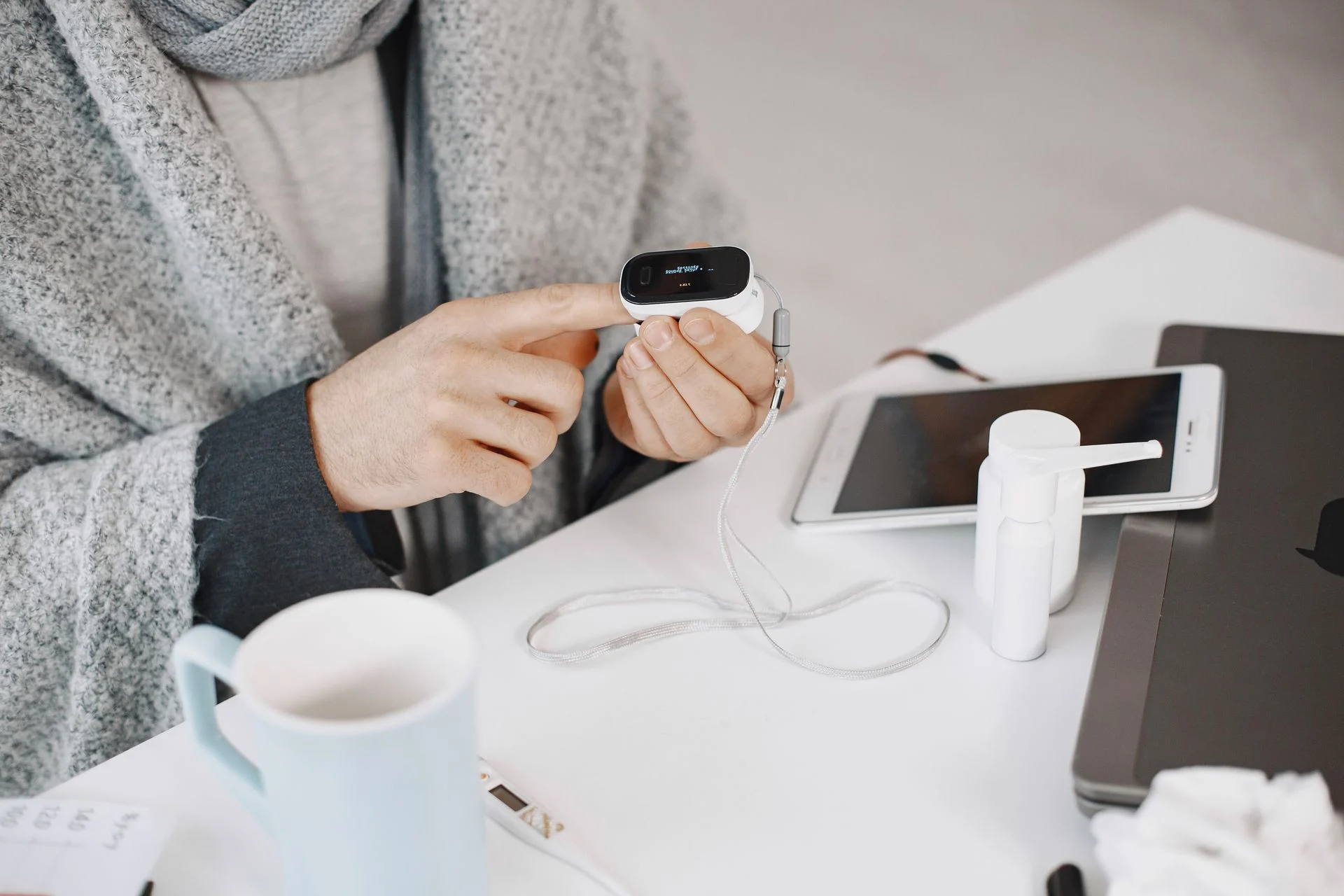
Wearables make tracking more continuous. Depending on the device, they can collect information about heart rate, activity, sleep, blood oxygen, glucose trends, and other signals throughout the day.
This creates a richer picture of behavior over time. Instead of focusing on a single number, users can begin recognizing patterns and seeing how sleep, exercise, stress, and daily habits interact.
Data Alone Is Not Enough
Collecting thousands of data points has little value if users cannot understand what they mean.
This is where the software layer becomes essential. A well-designed wellness app can organize raw information into trends, progress indicators, reminders, and practical recommendations.
The experience might follow a simple cycle:
The strongest products avoid overwhelming users with dashboards. They prioritize information that supports a decision or encourages a useful action.
Personalization Makes Tracking More Relevant
Two people can record similar activity levels while having completely different goals. One may be training for a race, another improving sleep, while someone else simply wants to become more active.
Smart wellness products can adapt the experience around these differences. Personalization may include:
- activity goals based on previous behavior;
- workout recommendations;
- sleep and recovery insights;
- reminders triggered by user patterns;
- progress summaries based on individual objectives.
Personalization does not necessarily require complex AI from day one. Even relatively simple rules can make an experience feel more relevant when they use the right context.
Connected Devices Expand the Product Ecosystem
A wellness app increasingly acts as a central layer connecting different sources of information.
Instead of requiring users to enter everything manually, apps can integrate with smartwatches, fitness trackers, connected scales, or other sensors. This reduces friction and gives the product more consistent information to work with.
However, more integrations also create greater responsibility. Developers need to consider data accuracy, interoperability, permissions, privacy, and how information from different devices should be interpreted.
Consumer wearables can provide useful wellness insights, but their measurements should not automatically be treated as equivalent to clinically validated medical devices.
The Goal Is Better Decisions, Not More Metrics
The next generation of personal wellness technology will not be defined by how many numbers it can display.
Its value will come from connecting continuous tracking with meaningful feedback. Smart technology can help users notice patterns, understand progress, adjust routines, and become more active participants in their own wellbeing.
For wellness products, the challenge is therefore moving from data collection to useful guidance. When technology makes health information easier to understand and act on, tracking becomes less about watching numbers and more about building better everyday habits.