Most drivers assume that if they have a dashcam and the other car has lane-keeping and automatic braking, the truth of a crash is settled. The footage will show what happened, the sensors will back it up, and fault will fall where it belongs.
The reverse is closer to the truth. Video and vehicle data usually reveal more about the driver holding the camera than the one who hit them, and that shift is reshaping how insurers, reconstructionists, and courts decide who pays.
A crash today isn’t a single event at a single moment. It’s a data timeline that starts seconds before impact and keeps writing itself long after the airbags deploy. Reading that timeline is what separates a clean claim from a lost one.
The 20 Seconds Before Impact Are Now on the Record
Event data recorders sit in nearly every new passenger vehicle sold, and they no longer capture only the instant of the crash. A recent federal rulemaking extended the pre-crash recording window to 20 seconds at 10 samples per second, meaning speed, throttle, brake, steering angle, and seatbelt status are all logged in fine detail well before the collision. Add ADAS logs from forward cameras and radar, and reconstructionists can watch a driver drift out of a lane, ignore two forward-collision warnings, and lift off the brake a half-second before impact.
That evidence isn’t hypothetical. It’s downloadable, timestamped, and admissible, and it doesn’t care which driver called the police first.
AI Dashcams Cut Both Ways, and Usually Against the Owner
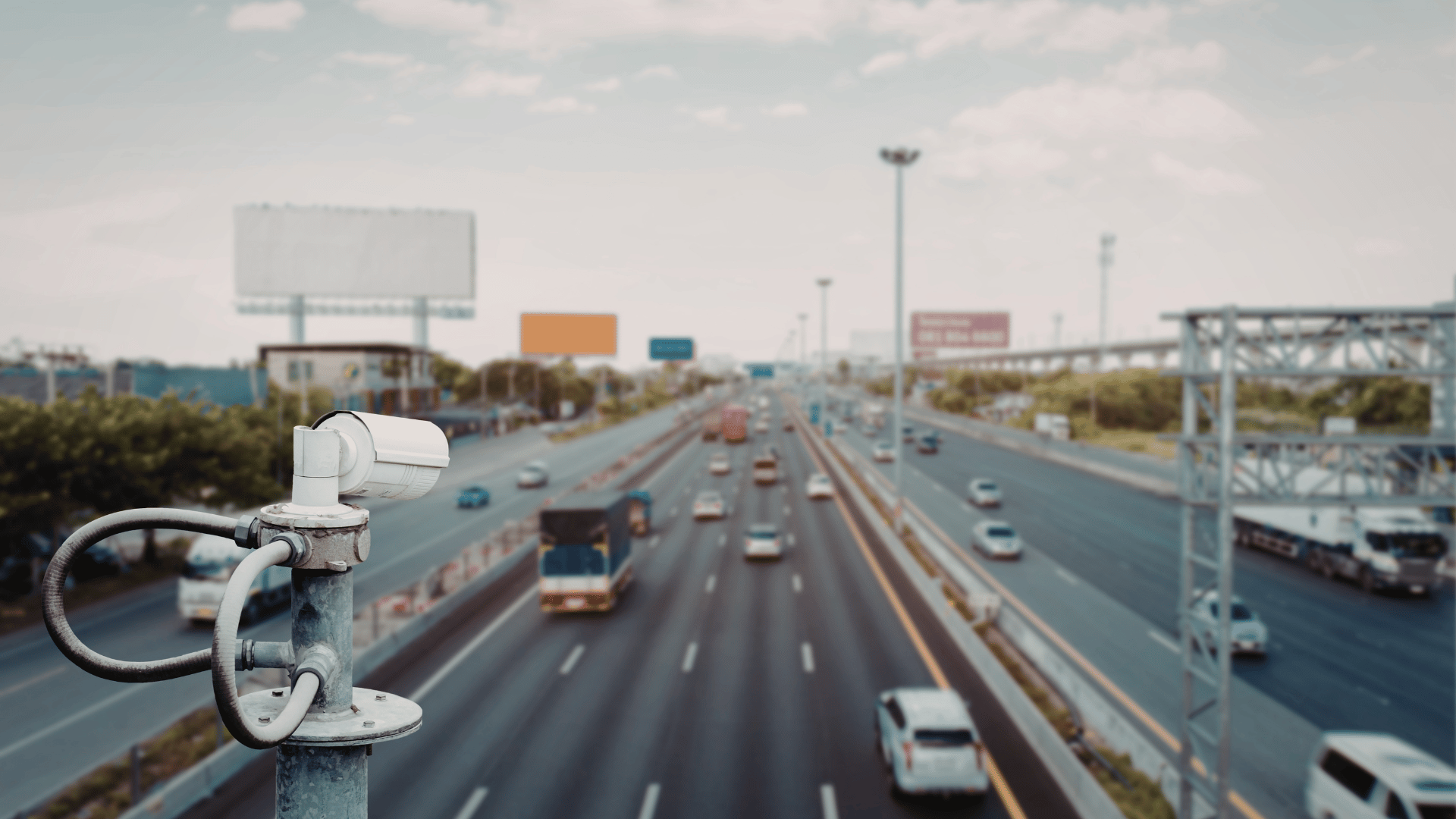
The pitch for a modern dashcam is simple: mount it, forget it, and let the footage protect you. The same clip that shows the other driver running a light also shows your speedometer, your following distance, your phone in the cupholder, and the exact moment your eyes left the road. Insurance defense teams know this. They subpoena the footage as eagerly as plaintiffs do.
A few practical things are worth knowing before you lean on a dashcam as your safety net.
- Audio consent. Several jurisdictions require all-party consent to record audio inside a vehicle, and violating that rule can knock your own footage out of evidence. Check the law where you drive, not only where you live.
- Deletion is not neutral. Once a claim is anticipated, wiping or editing clips can trigger spoliation sanctions. Judges have wide discretion to instruct juries that missing footage would have hurt the party that erased it.
- Cloud sync matters. Local-only storage gets overwritten in a loop, sometimes within hours. If you want the ten minutes before a crash preserved, the camera has to push them somewhere you can’t accidentally overwrite.
ADAS Changes Who the Defendant Even Is
When a car brakes itself, steers itself, or warns a driver who ignores the warning, fault stops being a two-driver argument. The IIHS has documented both the crash-avoidance benefits of these systems and the disengagement problem that comes with them: drivers trust the car, stop scanning the road, and react late when the system hands control back.
Liability shifts in ways the old playbook doesn’t cover. If a forward-collision warning fired and the driver did nothing, that’s one case. If the system should have fired and didn’t, that’s a very different case, and the automaker’s software becomes a party of interest. Investigators now pull firmware versions and sensor calibration records alongside skid marks.
The First Hour After the Crash Decides What Survives
Data is fragile. EDR modules can be overwritten by a tow or a jump start. Dashcam loops keep recording over themselves. Manufacturer telematics purge on their own schedule.
The window to preserve everything is short, and it opens the moment the vehicles stop moving.
A few concrete moves protect the record:
- Photograph the scene wide and close. Skid marks, debris fields, and sightlines can be reconstructed from good photos long after the road is cleared.
- Pull the dashcam card before driving anywhere. Don’t trust that the impact-lock feature caught the right clip. Remove the storage and set it aside.
- Ask the tow yard to preserve the vehicle. A written preservation request stops anyone from powering the car up, moving modules, or scrapping it before the EDR is imaged.
- Write down what the other driver said. Roadside admissions rarely survive to the deposition, and your notes may be the only record.
The Claim Now Turns on Data Nobody Sees Coming
ADAS has already changed the economics of the claim before anyone files it. A joint IIHS and HLDI study found that driver-assist packages cut property damage and bodily injury claims meaningfully, while pushing repair costs up because the sensors themselves are expensive to replace. Insurers are pricing that in. So are defense lawyers, who now argue comparative fault using the same telemetry that once seemed like a plaintiff’s best friend.
In jurisdictions that bar recovery once a driver crosses a fault threshold, a five-percent shift in the reconstruction can end a case. The smart move, well before any of this data gets subpoenaed, is to talk to a car accident attorney who knows how to request, preserve, and read it. The driver who understands the timeline controls it. The one who doesn’t usually learns what was on the record only after it’s been used against them.