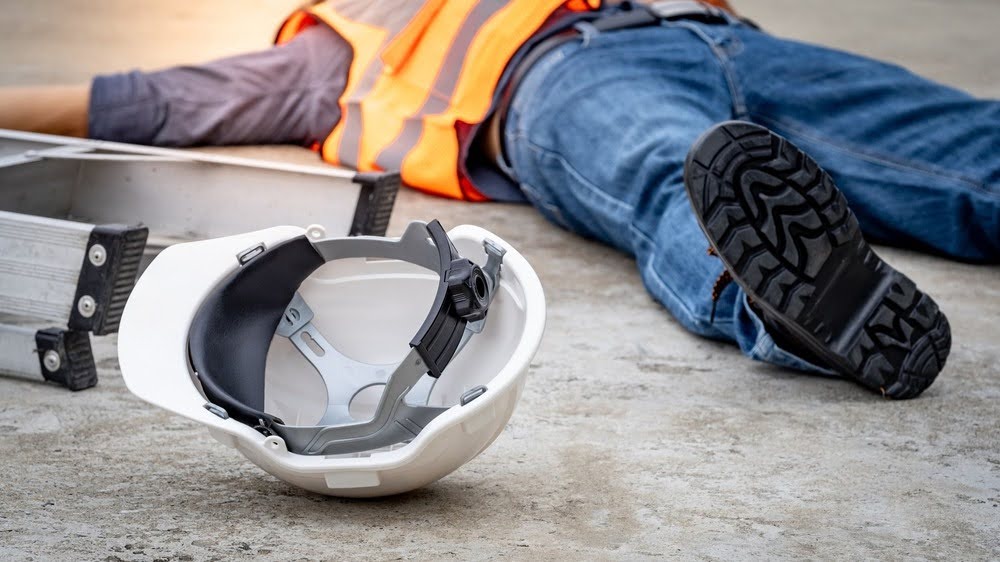
A construction accident can raise important questions long after the injury occurs. Was the work area properly maintained? Did someone know about a dangerous condition? Were safety rules followed before the accident happened? An unsafe work site accident lawyer in New York, NY, may investigate these issues by reviewing the scene, speaking with witnesses, and examining relevant records.
Because construction sites can change quickly, preserving photographs, documents, and other evidence early may help create a more accurate account of what happened.
Starting With the Accident Scene
The first place to look is often where the injury happened. A careful review of the site can show details that may disappear after work continues or repairs are made. The condition of a ladder, scaffold, floor, machine, stairway, or protective barrier can help establish what the work area looked like.
Photographs and videos may record the site. Measurements and notes can preserve details missed by a picture. It may also consider lighting, warning signs, access points, and nearby conditions.
The goal is to document the setting and physical facts surrounding the accident. Each detail can help form a clearer accident record.
Tracing What Happened Before the Injury
An accident can make more sense after the events leading up to it are placed in order. The investigation may look at what task the worker was performing, what equipment was being used, and what instructions were given before the injury.
People who were nearby can provide another part of the record. Coworkers, supervisors, contractors, and other witnesses may describe what they saw or heard. Their accounts can be compared with other evidence instead of being treated as the only source of information.
Safety training and work instructions may also be reviewed. If a worker was given a warning, assigned a different task, or told to use certain safety equipment, those details can help establish a clearer timeline.
Checking the Worksite’s Safety Records
Paperwork can reveal things that are not obvious from the accident scene. Construction projects often create records about inspections, equipment maintenance, safety meetings, training, and reported incidents. These documents may show how a work area was managed before an injury occurred.
The investigation may look for earlier complaints about the same hazard. It may also examine inspection records to see whether a condition had been noted, repaired, or left unresolved.
Important records can include:
- Safety inspection reports and maintenance records
- Worker training and instruction records
- Earlier incident or complaint reports
- Worksite policies and safety procedures
These records become more useful when compared with photographs, witness accounts, and other site evidence.
Identifying Who May Be Responsible
Construction sites can involve several companies and people working under different roles. A property owner may have one responsibility, while a general contractor or subcontractor may control another part of the project. An equipment company may also have a separate role.
The investigation looks beyond the injured worker’s direct employer. It may examine who controlled the work area, provided equipment, performed inspections, or addressed a known condition.
For construction injuries in New York, NY, this part requires close attention to the project’s facts. Responsibility is not decided simply by identifying the injured worker’s employer. The roles of different parties need to be examined from the available evidence.
Connecting the Evidence to the Injury
A strong investigation also needs to connect the site evidence with the injury itself. Medical records can document the nature of the injuries and the treatment received. Accident reports may provide another account of what happened.
The evidence is then considered together. A photograph may show a condition at the site, while a witness may describe how the accident happened. Medical records can document the resulting injury. Looking at these details as parts of one record can help show whether the evidence supports a clear account of the event.
Conflicting accounts or missing records may also become part of the review. A good investigation does not ignore information that creates questions. It records those gaps and examines them carefully.
Conclusion
Construction sites in New York, NY, do not stay the same for long. Equipment is moved, damaged areas are repaired, and workers continue with the next phase of a project. Those changes can make an accident harder to examine later.
An unsafe work site accident lawyer in New York, NY, may therefore focus on preserving the facts that remain available and checking them against records and accounts from the site. In a construction injury case, the details surrounding the accident can matter just as much as the accident itself.