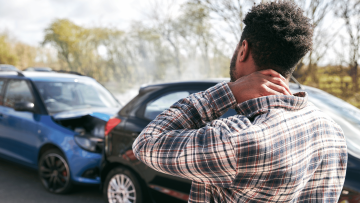
Fleet accidents can leave companies sorting through conflicting accounts, damaged vehicles, and unanswered questions about what went wrong. Modern dash cameras can provide useful information, while Kherkher Garcia truck accident lawyers may get involved when a serious collision raises legal questions. New technology gives fleet managers more ways to review incidents and improve safety practices.

Dash Cameras Can Capture Critical Moments
After a fleet accident, drivers and witnesses may give different versions of what they remember seeing. That is not unusual, since a collision can happen quickly and leave everyone involved shaken. Dash camera footage gives companies another way to look at the moments surrounding the crash.
Depending on where the camera is positioned, it may show traffic lights, nearby vehicles, road conditions, or what happened just before the collision. Some fleet cameras also record inside the cab and may provide more information about what the driver was doing. These recordings can help answer questions that might otherwise be difficult to settle.
Still, a dash camera does not capture everything happening around a vehicle. Something outside the camera’s view could be just as important as what appears in the recording. Police reports, photos, witness statements, and vehicle information should also be reviewed when trying to understand the full situation.
AI Can Flag Important Driving Events
Reviewing hours of fleet footage by hand can take considerable time. AI enabled systems can identify certain events and bring them to a manager’s attention more quickly. Depending on the technology, these events may include sudden braking, sharp turns, possible distraction, or changes in following distance.
This can make the initial review of an incident more manageable. Instead of searching through an entire shift, a manager may be able to start with footage from the minutes surrounding a flagged event. The company can then decide what additional records to review.
Automated alerts are not always proof that someone drove carelessly. Sudden braking, for example, could be a reasonable response to a vehicle pulling into traffic unexpectedly. Human review remains important before drawing conclusions about a driver’s actions.
Investigations Can Begin More Quickly
Time matters after a serious fleet collision. Vehicles may be moved, road conditions can change, and witnesses may become harder to locate as the days pass. Quick access to recorded footage can give investigators an earlier look at the circumstances.
Some connected dash camera systems can send information to fleet managers without waiting for the vehicle to return. That can help the company determine whether an accident requires immediate attention from insurers, safety personnel, or other professionals. Managers can also quickly learn whether important footage needs to be preserved.
Faster access does not mean the investigation should be rushed. Companies still need to gather information carefully and verify what they are seeing. Treat an early video review as a starting point, not the final answer.
Driver Statements Gain More Context
Employees involved in collisions are often asked to explain what happened. Stress and confusion can make it difficult to remember every detail immediately after an accident. Video may help place a driver’s statement within the broader sequence of events.
For example, footage might show when another vehicle entered the lane or when traffic began slowing. It could also reveal road construction, poor visibility, or other conditions that affected the driver’s decisions. These details can make an employee’s description easier to understand.
Companies should avoid using footage only to search for employee mistakes. A recording may show that a driver reacted appropriately to a hazard that could not have been predicted. A fair investigation considers evidence that supports the employee as well as evidence that raises concerns.
Data Storage and Privacy Need Attention
AI dash cameras can collect a large amount of information about employees and their workdays. Companies should know what is being recorded, where the information is stored, and who can access it. Clear policies can help employees understand how the technology is being used.
Businesses should also decide how long footage and related information will be kept. Records connected with a serious collision may need to be preserved for insurance, investigation, or legal purposes. Accident-related material should not be deleted simply because a normal storage period has passed.
Access should be limited to people with a legitimate reason to review the information. Casual sharing of accident footage can create privacy and workplace concerns. Written procedures can help companies handle recordings consistently across the fleet.
Technology Does Not Replace Careful Investigation
AI can organize information and identify events that deserve attention, but it cannot answer every question about a collision. Software may misread a situation or lack important context about traffic and driver decisions. Experienced human review remains essential to the process.
Companies should compare camera footage with other available records before deciding what happened. Vehicle data, driver statements, photographs, police reports, and witness information may all contribute useful details. Looking at several sources reduces the risk of relying too heavily on one piece of evidence.
Final Thoughts
AI dash cameras can give fleet managers a clearer view of what happened before and during a serious crash. Companies should save important footage, consider it alongside other evidence, and know when Kherkher Garcia truck accident lawyers may be able to help with questions about the collision. When handled properly, this information can also help businesses improve driver safety and prevent similar incidents.