The Promise of New Dental Technologies
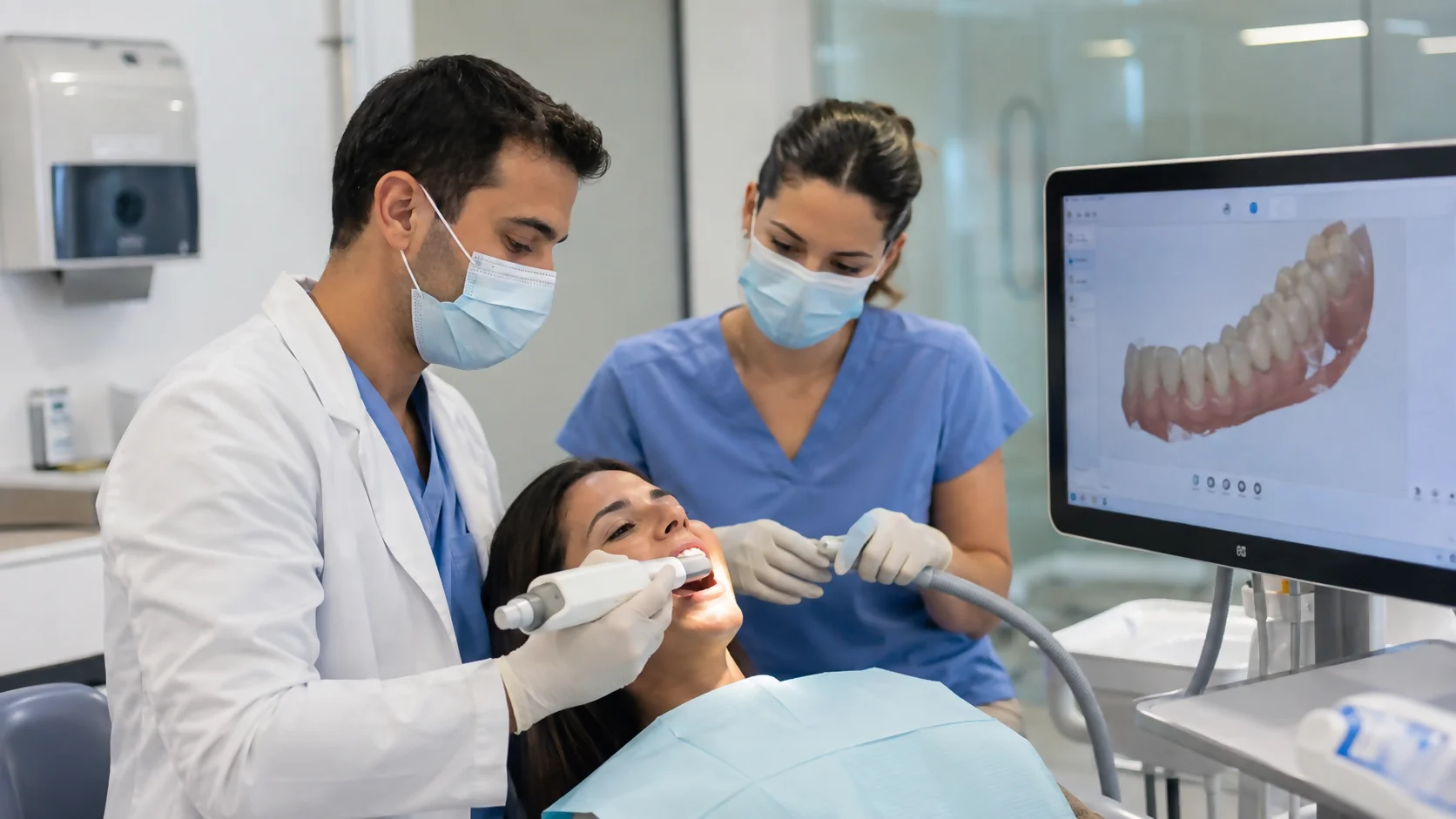
Advances in imaging, digital workflows, and chairside devices have transformed how clinicians diagnose and treat oral conditions. Cone beam computed tomography offers three-dimensional insights that change treatment planning for implants and complex endodontic cases. Intraoral scanners speed up impressions and improve patient comfort while offering precise digital records. Software-driven decision support can make restorations more predictable and help clinicians simulate outcomes. These technologies can raise the standard of care, expand the scope of services a practice can deliver, and enhance patient satisfaction when incorporated thoughtfully.
The Patient Safety Imperative
Every adoption decision must be filtered through the lens of patient safety. New devices introduce new failure modes: hardware malfunctions, software bugs, and user errors can all compromise outcomes. Infection control protocols must be reassessed with each change to workflows; a digital intraoral scanner still requires stringent disinfection practices for tips and trays. Patient communication is also a safety measure. Explaining how a new technology will be used, what benefits are expected, and what risks remain reduces misunderstandings and builds informed consent into daily practice.
Integration, Training, and Competency
One of the most common gaps between potential and realized benefit is inadequate training. A technology that promises faster, more accurate treatment can produce harm if operators do not fully understand its limitations. Effective training programs should include hands-on sessions, competency assessments, and periodic refreshers. Integration into the practice’s workflow must be mapped in advance: who captures the scan, how files are stored, how backups are managed, and how data flows between systems. A clear escalation path for device issues and a protocol for reverting to conventional methods when necessary preserve continuity of care.
Regulatory, Legal, and Ethical Considerations
Regulatory compliance and device validation are not optional. Many products carry manufacturer instructions that become part of the standard of care and can be relevant in medicolegal settings. Practices should document training, maintenance, and any deviations from recommended use. Ethical considerations include equitable access—adding high-cost technologies should not create unnecessary barriers to routine care. Data protection and patient privacy are central concerns when digital records leave the practice or are stored in the cloud. Cybersecurity must be part of the safety strategy rather than an afterthought.
Cost, Value, and Clinical Evidence
Financial pressure can push practices toward rapid adoption, but value should be measured as much by improved outcomes as by efficiency gains. Prioritize investments that are supported by robust clinical evidence and that align with patient needs. Pilot projects within the practice, with careful monitoring of metrics like treatment times, patient comfort, complication rates, and return on investment, help determine whether a technology should be expanded. Vendors will emphasize features and case studies; clinicians must critically appraise independent research and, whenever possible, rely on peer-reviewed evidence.
Interoperability and Data Stewardship
Seamless data exchange between devices, imaging systems, and electronic records reduces transcription errors and lost information. However, heterogeneous systems increase complexity and may introduce compatibility risks. Establishing standards for data formats and backup policies prevents information loss that could jeopardize patient care. Regular audits of data integrity and access logs support accountability. When third-party service providers are involved, contractual safeguards for privacy, continuity of access, and disaster recovery are necessary parts of a comprehensive safety plan.
Communication, Consent, and Shared Decision-Making
Introducing a new technology into care pathways is as much a communication challenge as it is a technical one. Patients should be given clear, balanced explanations of what the technology does, why it is recommended, possible alternatives, and the uncertainties that remain. Shared decision-making emphasizes patient values and preferences and helps avoid overuse of novel interventions. Documenting these conversations protects both patients and clinicians and reinforces a culture in which safety and autonomy are prioritized over novelty.
Building a Culture of Responsible Innovation
Adopting new tools responsibly requires a culture that balances curiosity with caution. Leadership should encourage reporting of near misses and foster multidisciplinary review of adverse events, using them as learning opportunities rather than reasons to assign blame. Cross-training team members and maintaining competency matrices ensure that knowledge is not siloed in a single individual. Periodic reviews of technology performance and a willingness to decommission tools that do not meet safety or efficacy benchmarks keep the practice aligned with patient-centered goals.
Navigating Contemporary Challenges
Clinicians must remain aware of evolving topics that shape practice priorities. At the same time, practical frameworks—risk assessment, staff training, documented protocols, and patient communication—help translate innovation into safer care. When researching issues in dentistry you will encounter debates about evidence thresholds, reimbursement, and liability; the responsible path is to combine critical appraisal of the literature with pragmatic safeguards in the clinic. Awareness of current issues in dentistry is essential, but the real work is building processes that allow technologies to enhance care without introducing avoidable harm.