The office is often treated as a cost to keep down. That is a mistake. The physical workspace shapes how well people focus, how they feel at the end of the day, and whether they choose to stay. Treat furniture and layout as a business decision rather than a decorating afterthought, and the returns show up in places most budgets never measure.
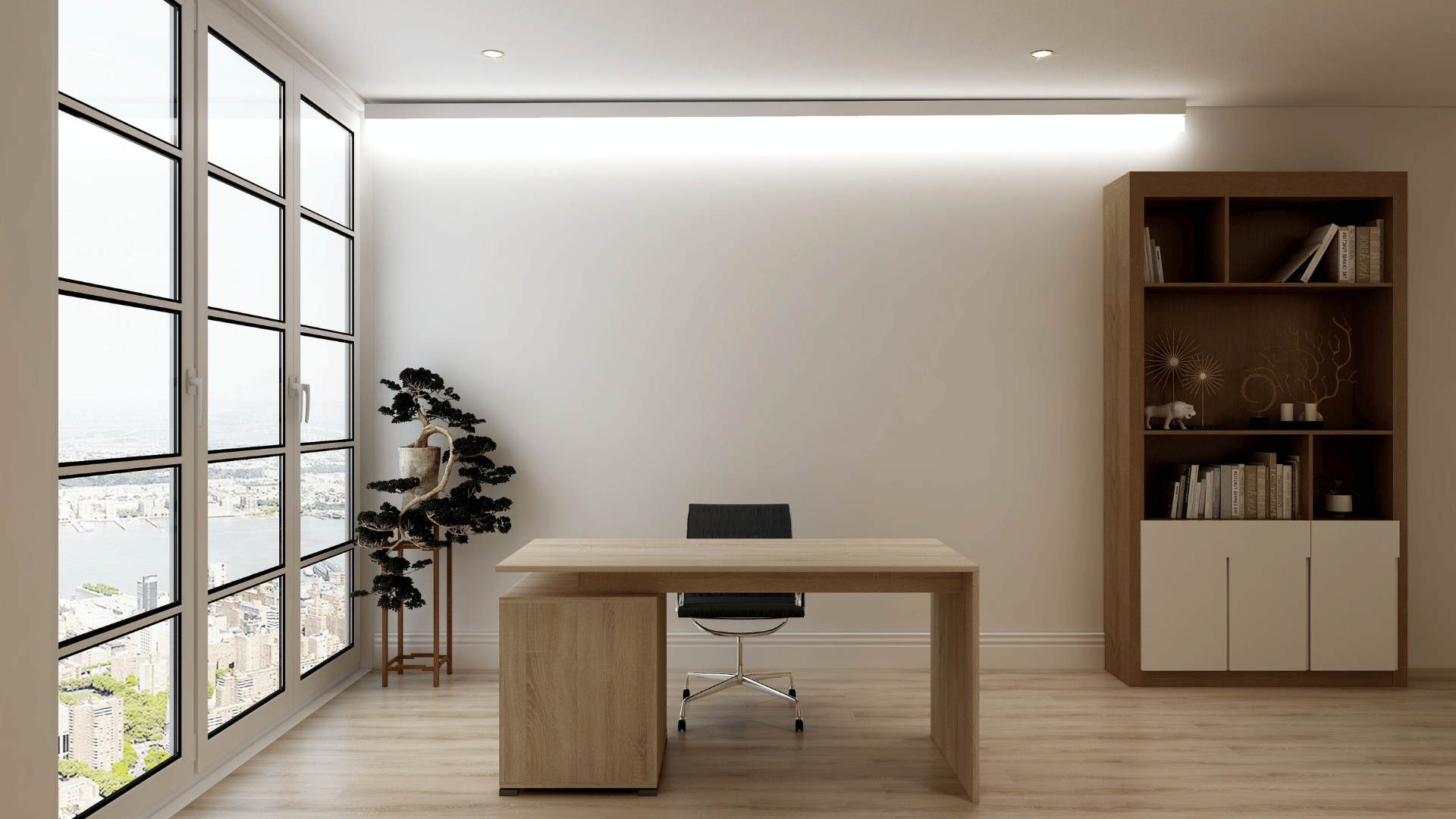
The workspace affects how well people focus
Concentration is fragile, and the environment either protects it or erodes it. An uncomfortable chair, a cramped desk, poor light or constant noise all pull at attention through the day, and the cost is paid in slower, more error-prone work rather than in an obvious line on a spreadsheet.
People simply do better work in spaces that support them physically. A comfortable, well-lit, reasonably quiet place to work is not a perk. It is the baseline for getting good output from anyone, and it is one of the few productivity levers a business fully controls.
It is worth being specific about what erodes focus, because the culprits are usually cheap to fix. Chairs that cannot be adjusted. Desks at the wrong height. Meeting areas with no acoustic separation. Lighting that flattens a room or leaves people squinting at screens. None of these are exotic problems, and none require a huge outlay to put right, yet they quietly tax the concentration of every person in the room every day they are left alone.
It affects wellbeing and whether people stay
A workspace also sends a message about how a business regards the people in it. A cramped, worn, purely functional office says the people are an overhead. A considered one, without needing to be lavish, says they are worth investing in.
That signal matters for how people feel at work and, over time, for whether they look elsewhere. Recruitment and retention are expensive problems, and the environment people spend their days in is part of the answer, one that is easy to control and easy to overlook.
This has grown more important as hybrid working has spread. If people can do the job from home, the office has to earn the commute. A workspace that is genuinely better to be in than the kitchen table, more comfortable, better equipped, more pleasant, gives people a reason to come in that no policy can manufacture. A poor one simply confirms that they were right to stay away.
It shapes how the business is seen
Visitors read the space too. Clients, partners and candidates all form an impression from the room they sit in before anyone has said much. A workspace that looks considered lends quiet credibility; one that looks neglected undercuts whatever is being said in it. This is not about impressing people with spend. It is about the space being congruent with how the business wants to be understood.
Design for how people actually work
Good workspace design starts from how the work actually happens, not from a catalogue. Most teams need both quiet, focused space and areas to collaborate, and a single open-plan floor rarely serves either well.
Give people somewhere to concentrate and somewhere to talk, and let the furniture support the switch between the two. Flexibility beats uniformity. A space that can flex around different tasks earns its keep far longer than one built around a single fixed idea of work.
It helps to watch how a team really uses a space before spending on it. Where do people go for calls? Which desks sit empty? Where do the useful conversations actually happen? The honest answers rarely match the floor plan someone drew up in advance, and designing to the real pattern rather than the intended one is what turns an office from a place people tolerate into a place that helps them work.
You do not need a big budget to do it well
None of this requires a large budget. It requires spending with intent: put the money where people sit and work, and keep the rest simple and uncluttered. A few considered pieces do more for a space than a whole fit-out of forgettable ones.
Design classics are useful here, because they are comfortable, durable and quietly signal care. A specialist such as Mobelaris offers faithful reproductions of these designs, sold honestly as reproductions, which lets a business furnish a considered workspace without a large outlay. Treat the workspace as the business tool it genuinely is, spend where it counts, and design it around how people actually work. The return is better focus, better mornings and people who want to stay, none of which shows on a furniture invoice but all of which shows in the work the business produces.