Cold cutting systems transform raw materials through sheer pressure, delivering extreme accuracy without generating thermal stress. Manufacturing facilities rely heavily on cold water processing to cut thick metals, delicate glass, and complex dense composites.
High-pressure streams mixed with sharp garnets slice through challenging substances cleanly. Modern shops adopt these methods to eliminate thermal warping while maintaining smooth edges across heavy industrial projects.
Aerospace Component Fabrication
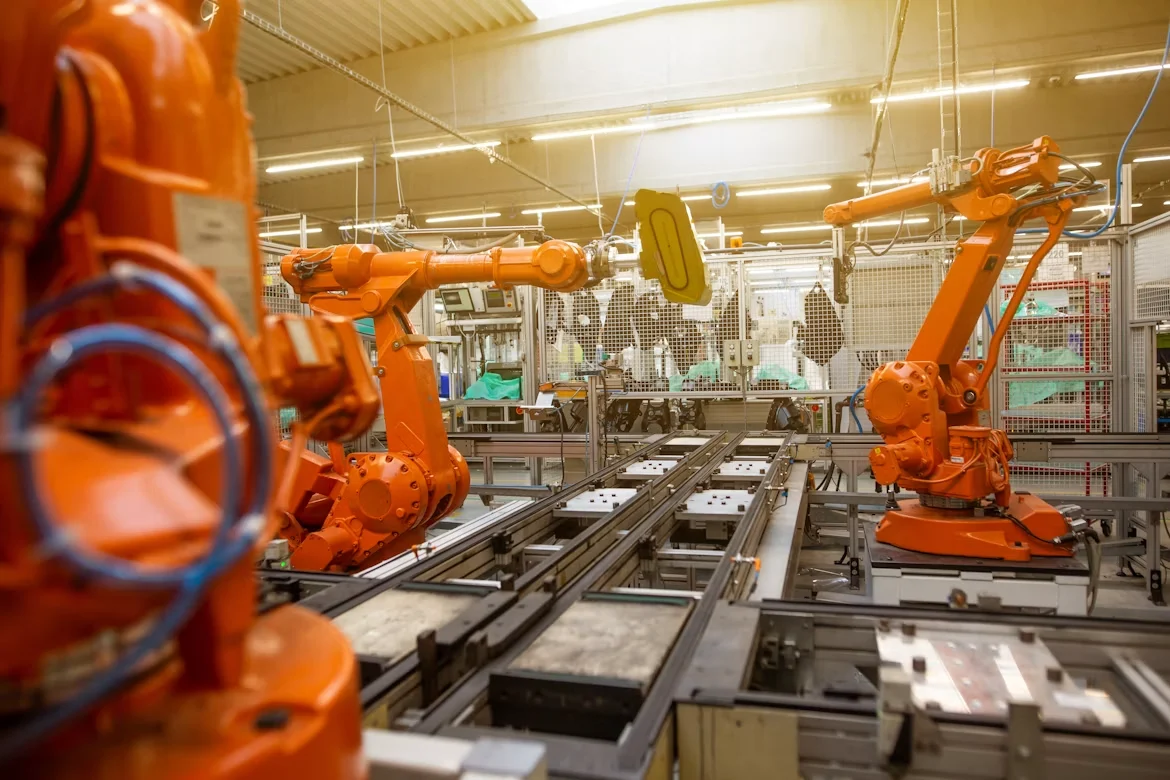
Aerospace engineering demands absolute accuracy and structural integrity for critical flight hardware. Cold jet processes create structural ribs, turbine brackets, and titanium panels without compromising material temper or leaving heat-affected zones. Engineers select precision waterjet cutting services for complex alloy shapes when thermal stress must be completely avoided. Modern aerospace facilities process raw sheet stock into finished structural sub-assemblies with minimum kerf waste.
Production facilities handle complex flight hardware through several specialized cold cutting procedures:
- Slicing thick titanium bulkheads without altering metallurgical properties
- Trimming carbon fiber composite wing panels clean without structural delamination
- Shaping heat-resistant nickel superalloy turbine shrouds precisely
Automotive Parts Manufacturing
Automotive assembly lines require rapid prototyping alongside high-volume part creation. Standard stamping dies take months to build, whereas high-pressure water streams cut complex chassis components directly from computer designs within minutes.
Research indicates that high-pressure streams push abrasive particles to create intense impact dynamics, creating clean cuts across varied material densities. Machinists cut internal engine gaskets, heavy frame brackets, and custom aluminum suspension components without secondary deburring steps.
Automotive designers rely on water jet versatility across multiple vehicle development stages:
- Rapid prototyping of structural body panels and interior brackets
- Custom cutting of thick rubber and foam insulation padding
- Precision slicing of specialized brake disc rotors and drive components
Structural Architectural Metalwork
Architectural designs frequently call for complex geometric patterns inside massive structural steel panels or thick brass sheets. Cold water jets cut intricate decorative facades, custom handrails, and heavy structural connectors without scorching or discoloration.
Recent academic papers highlight how abrasive water jet systems process diverse materials like metals, alloys, ceramics, and polymers across modern industries. Fabricators maintain smooth edge profiles regardless of plate thickness or material hardness.
Intricate architectural features require smooth edges that eliminate manual hand polishing. Water jet streams follow computerized paths to execute sharp interior angles, fine lettering, and smooth curves across expansive metal surfaces.
Medical Device Equipment Processing
Medical device manufacturers work under strict regulatory standards that prohibit heat alteration or chemical contamination during production. Water jets shape delicate surgical instruments, orthopedic implants, and heavy stainless steel enclosure cabinets cleanly.
Pure water streams slice soft silicones and medical polymers cleanly without leaving burrs or melted plastic residue. Mixed abrasive streams cut dense surgical-grade titanium sheet metal into custom bone plates with exact dimensional tolerances.
Biomedical cleanrooms profit from process sanitation since pure water operations generate zero toxic fumes or burning emissions. Components move straight from cutting tables to finishing operations with minimal cleanup.
Defense and Armored Vehicle Production
Defense contractors process extremely hard materials, including ballistic steel plates, heavy Kevlar armor layers, and thick ceramic shield panels. Traditional thermal cutting torches harden edges, making post-cut drilling or machining operations nearly impossible.
Abrasive water jets penetrate high-hardness armor plates without altering hardness characteristics or creating stress fractures. Military refurbishing depots utilize multi-axis cutting heads to trim replacement hull plates and custom turret components rapidly.
Thick composite armor panels require delicate cutting control to avoid separating internal protective layers. Precise pressure control maintains structural bonding throughout high-speed slicing operations.
Energy Sector Heavy Fabrication
Power generation facilities use heavy plate components built to withstand extreme internal pressures and harsh outdoor environments. Water jets trim thick steel boiler plates, custom heat exchanger tube sheets, and heavy turbine gaskets accurately.
Offshore wind turbine builders slice thick structural flanges and internal support rings with minimal setup time. Operations avoid hazardous fumes usually created when thermal torches cut painted or coated marine metals.
Refinements in multi-axis motion allow cutting heads to bevel pipe edges simultaneously while cutting length dimensions. Welders receive bevel-ready pipe ends directly from cutting tables, accelerating field assembly speed.
Specialized Glass and Stone Cutting
Stone fabricators and glass processors face high breakage risks when using mechanical blades or diamond saws on brittle materials. High-pressure streams puncture delicate glass sheets safely using controlled low-pressure ramp cycles before applying full abrasive force.
Custom granite countertops, thick bulletproof glass laminates, and intricate marble floor medallions are shaped with complete precision. Piercing controls eliminate micro-fracturing along cut edges, securing brittle slab integrity.
Artisan stonemasons craft detailed tile mosaics by nesting intricate shapes tightly together on raw slabs. Computerized layout software minimizes raw material loss on high-value marble or quartz inventory.
Electronic Component Substrate Processing
Microelectronic manufacturers utilize water jets to trim dense printed circuit board substrates and delicate insulating sheets. Slicing sensitive electronics requires zero thermal expansion to prevent trace fracturing or internal layer separation.
Pure water systems cleanly slice thin insulation panels, rubber gaskets, and plastic housings without generating static charges or heat. Dust remains trapped within water basins, maintaining clean ambient shop environments during delicate operations.
Thin copper-clad laminates cut neatly without edge burring or copper smearing between conductive layers. Manufacturers process high-density circuit backing boards rapidly without damaging sensitive internal structures.
Mining and Heavy Machinery Tooling
Mining equipment operates under brutal mechanical conditions, requiring massive steel wear plates, thick bucket teeth, and heavy crusher liners. High-pressure water jets slice through hardened manganese alloys and abrasion-resistant steels without creating heat stress that leads to early fatigue cracks.
Heavy machinery rebuild shops rely on cold cutting technology to slice custom repair plates and replacement excavator brackets quickly. Technicians upload raw CAD files directly into multi-axis jet software to produce replacement field parts within hours instead of waiting weeks for forged components.
Thick cutter head segments and specialized trenching teeth maintain original temper during precision sizing operations. Field crews install factory-grade replacement panels on site, keeping heavy excavation equipment running at peak efficiency.
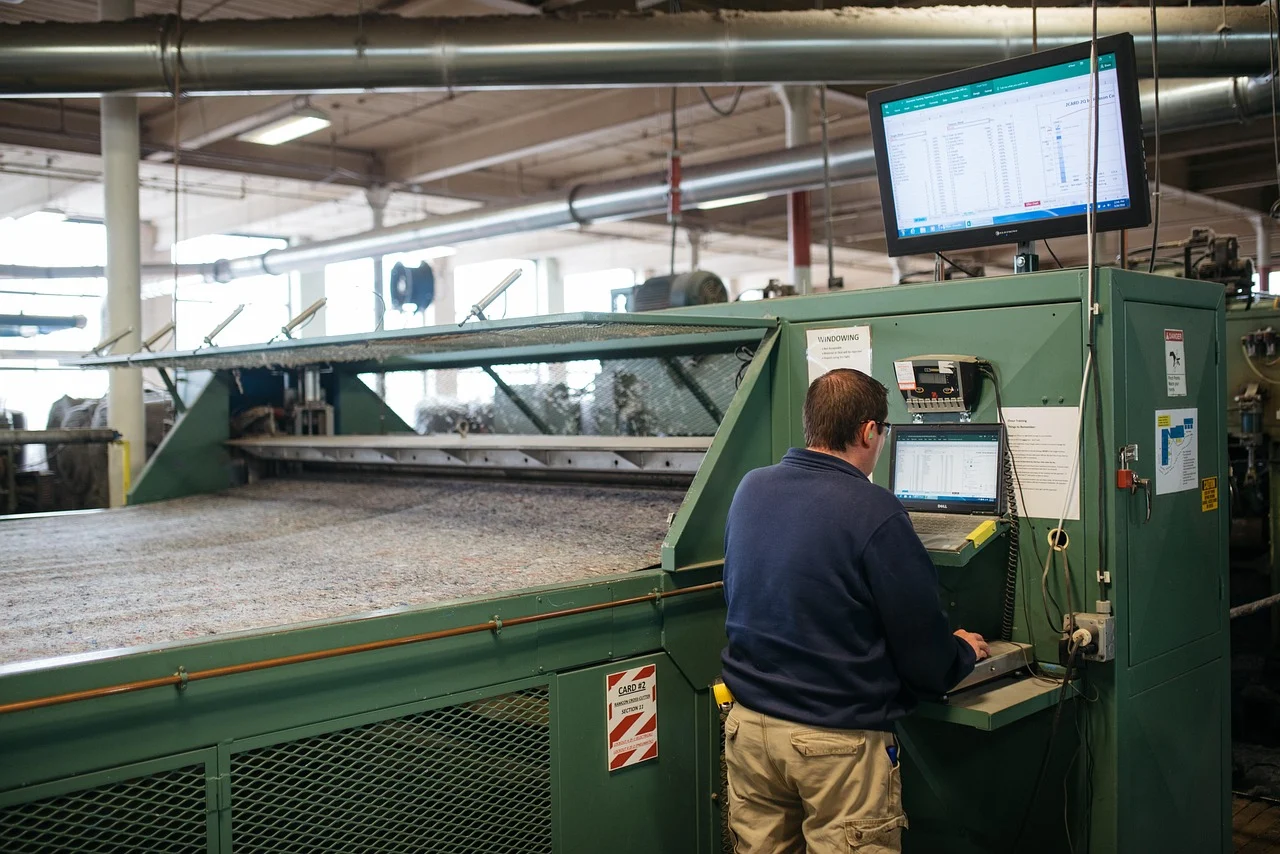
Precision waterjet technology continues to redefine modern manufacturing by delivering exceptional accuracy across diverse industrial sectors. Its unique cold cutting mechanism eliminates heat-affected zones, preserving structural integrity in everything from aerospace alloys to delicate electronic substrates.
As industries prioritize efficiency, material savings, and eco-friendly practices, waterjet systems stand out as an indispensable solution for high-precision fabrication. Embracing this versatile method empowers businesses to tackle complex design challenges while maintaining strict quality standards.