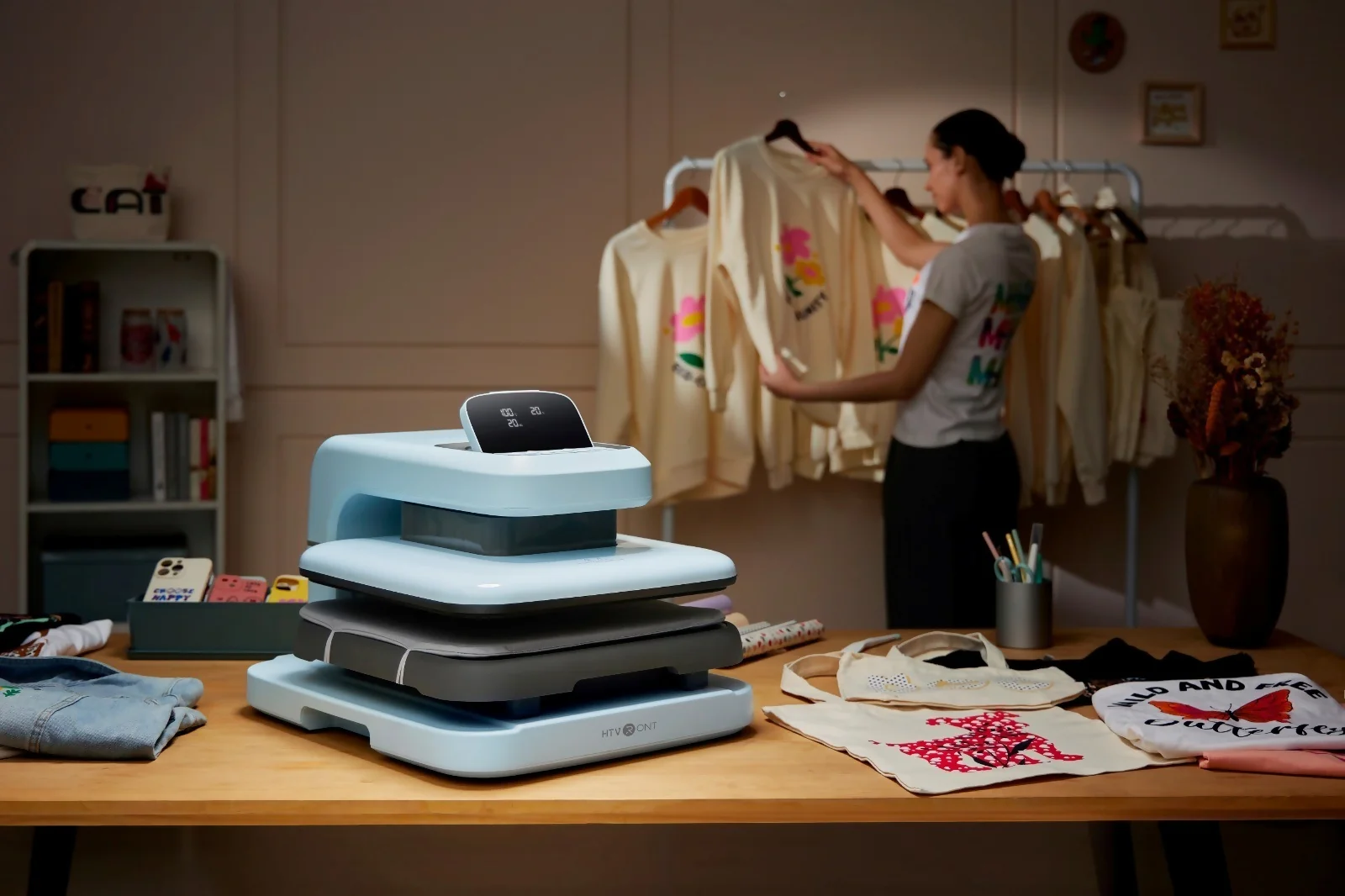
Personalized clothing has left the realm of printing companies and entered the realm of arts and crafts projects. Shirt press machine have allowed fast, easy accessibility to the shirt press. All you need to add custom illustrations or logos to shirts is an HTV vinyl, some prints, and a nice press. They provide heat and a consistent amount of pressure for a specific amount of time, similarly to an iron, except there is complete control of the pressing surface and the resulting even, consistent prints. These machines allow multiple shirts to have the same design. An investment in one of these machines simplifies the process of creating custom apparel.
Why a Shirt Press is Valuable
A shirt press is specifically designed to allow artwork to be printed on fabric with the application of heat and pressure. A shirt press takes the place of an iron for this job because there is a controlled press surface for creating drawings that are even and consistent. One of the machine’s biggest benefits is the printing time saved by having a press that is moving no longer needed to cover each part of the design. Creating custom apparel revolves around the use of a shirt press. Knowing how to use a good quality press is one of the first skills new custom apparel makers must learn in order to build their business.
Finding the Right Machine for Your Projects
Not every creator relies on the same pressing machines. It could be that a creator making shirts for their family makes more use of a smaller, less intrusive, pressing machines, but a user who receives orders for mass shirt production would want to look for a larger pressing surface with features suited for mass production. Another consideration is the size of the artwork. If, on average, a creator makes small chest artwork, they can get away with a small surface area, but users of larger artwork would require a corresponding larger surface area. Avoid overspending equipment by making each purchase based on the previously performed projects.
Reasons HTV Deserves Its Popularity Among Creators
HTV’s most significant advantage is flexibility. HTV is well suited for both straightforward text-based designs and more elaborate graphical designs. Producers do not need to undertake the full-color printing process to make a shirt with someone’s name, sports number, corporate logo or a short message. HTV comes in different finishes so producers have many options to design their products in an appealing way. For complex projects, creators should understand the whole process by starting with basic simple single-color designs.
The Weeding Process Is A Test Of Patience
After adhesive vinyl (HTV) cutting is done, designers must remove excess HTV around their designs. This process is referred to as “weeding.” This is particularly difficult for designs with small pieces around letters or detailed design areas. The process can be done much easier with the right weeding tools. Beginners should be careful not to rush as the process can lead to removing a part of the design and wasting all of the work. The process can be done much faster with good lighting and careful examination of the design.
Design Placement Matters
The placement of designs on shirts can help differentiate a professional/finished shirt from an unfinished shirt. Prior to pressing, designs must be placed in an arrangement that fits the size and style of the shirt, for example, in the case of a front or center logo, placement need not be in the exact same position as a large center graphic. If the order is part of a uniform or a team, even more so, placement needs to be consistent. Positioning can be maintained through measuring tools across multiple garments. Taking a step back and assessing the shirt helps designers identify misalignments as well.
Choosing Appropriate Fabrics
The selection of fabric also impacts the transfer process. Of the numerous custom apparel projects, many utilize cotton, however alternative fabric options exist based on the material being applied. Several synthetic fabrics can even be more temperature sensitive. Therefore, it is always safer to check the fabric’s compatibility before pressing. Ensure both the vinyl and the garment care instructions are also reviewed in accordance. When using a new fabric and a new material combination, it is always best to do a test run to avoid critical mistakes.
Common Challenges During Shirt Pressing
HTV Vinyl: First time users of shirt pressing often face several issues that include peeling edges, poor adhesion, wrinkling, uneven designs, or even misalignment of the design. There can even be a combination of issues. The transfer of heat can be the cause of several issues. So too can inconsistent pressure, time, and even uneven heating of the material. There can be factors of the garment itself such as imperfections of the fabric, uneven surfaces, moisture, and wrinkling that can also be a cause of the issues. Rather than focusing on the vinyl and the pressing equipment, it is essential to review each step of the process to understand where the inconsistency occurred.
Why Testing is Crucial
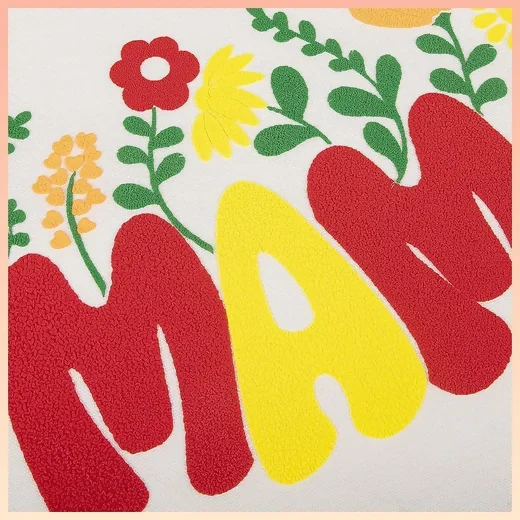
When working with new materials, testing small samples, even for simple products such as a shirt, can reveal a lot. Testing can determine the correct temperature and pressure settings to transfer an image to fabric. It can also give you an idea of the final color, and if the image will retain the expected level of detail. Small tests can save a lot of time and money for a small business. It can avoid wasting large amounts of time and money to produce a large quantity of shirts. Settings that have been successful in the past can be noted to save the time it takes to find successful settings every time a new request comes in.
Conclusion
Designing personalized apparel ranks high in both creativity and profit potential. Shirt press machines provide a safe and efficient method for applying transfers to apparel. HTV Vinyl is a simple method for adding logos, letters, numbers, and designs. Printable heat transfer vinyl provides an opportunity for even more design creativity with full color and complex images for the apparel of your choice. While owning a heat transfer press is essential, the creativity and success of the apparel depend on material science and design execution. Once the basics are mastered, users can produce great looking apparel even for the novice.