Digital tools are changing how organizations manage logistics – increasing visibility and efficiency. Manual tracking plus disconnected systems often characterize traditional logistics, which can slow communication. Businesses create reliable supply chains that meet customer requirements when they adopt digital solutions.
Organizations use these tools to manage transportation, inventory and warehouses – these technologies are helpful for data collection but also the automation of repetitive tasks. Digital tools are now necessary for operational performance because logistics networks are increasingly complex.
Increasing Supply Chain Visibility
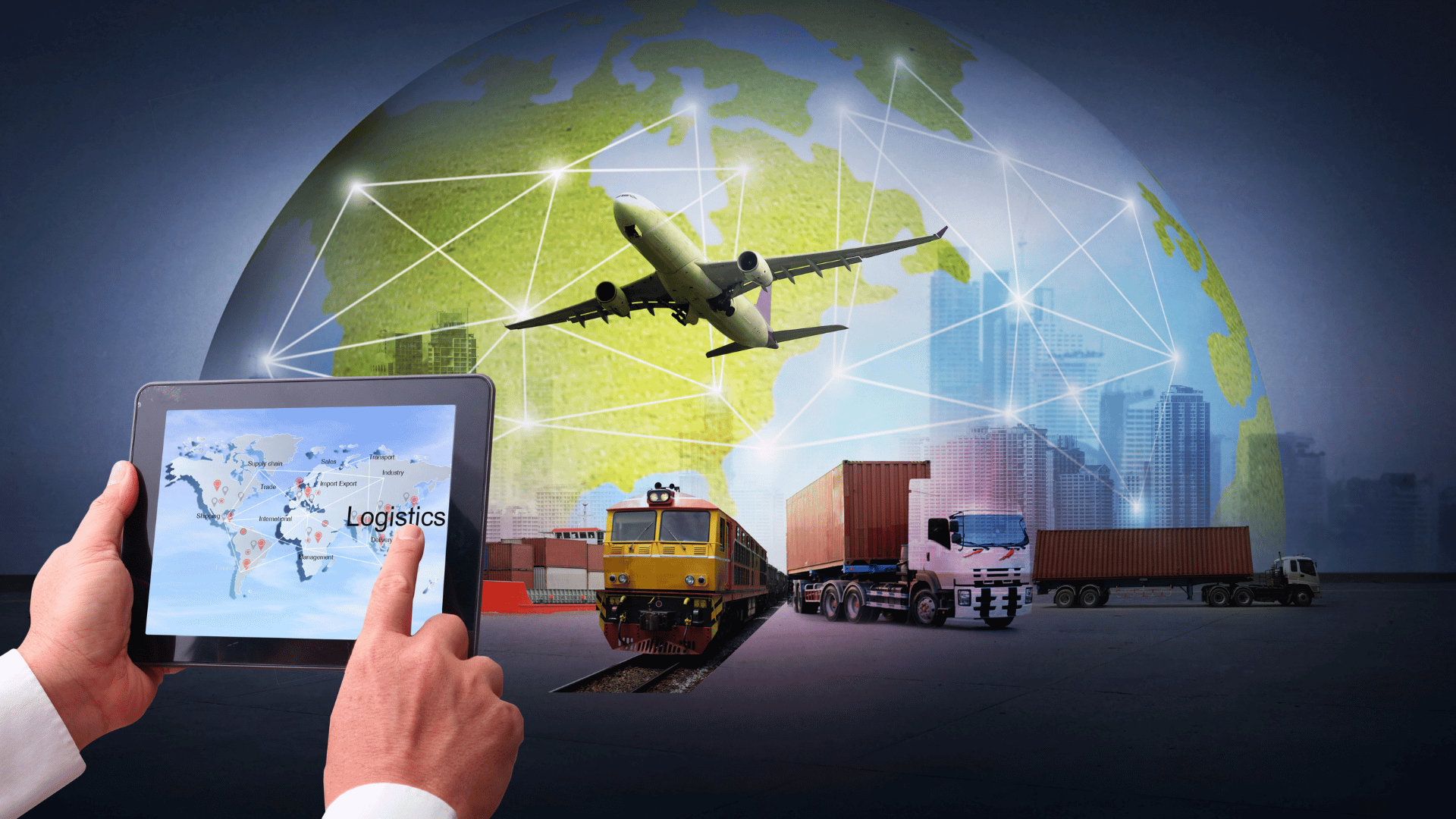
Improved visibility across the supply chain is a primary benefit of digital change. Companies monitor shipments and inventory in real time – using tracking platforms – this transparency allows managers to identify delays as well as resolve issues before they affect customers.
Communication between suppliers, warehouses and carriers is better when visibility increases. Coordination is easier when all parties have access to the same facts. Businesses that work with partners, like those providing 3PL Ontario, benefit from consistent data sharing.
Using Automation for Efficiency
Automation is useful for reducing manual labor or increasing the speed of logistics. Software handles order processing and shipment scheduling with high levels of accuracy. Employees are able to focus on planning when the risk of human error is low.
Warehouse operations are also more productive because of digital tools. Automated picking systems next to inventory software help staff organize tasks – these improvements are responsible for faster processing and the ability to manage more orders.
Developing Data Driven Decisions
Digital systems provide organizations with detailed information that supports logical decision making. Managers analyze transportation costs plus delivery statistics to improve how a business functions. Decisions are more effective when they are based on facts instead of guesswork.
Predictive tools are also available to help companies prepare for future needs. Organizations forecast changes in demand to adjust their inventory and resources. Logistics strategies are more flexible when a company uses data to adapt to market shifts.
Improving Transportation Management
Digital software helps companies plan routes but also monitor how carriers perform. Transportation management systems are used to choose shipping methods that lower costs – these tools are responsible for better coordination between different transit activities.
Platforms also improve how businesses communicate with their logistics providers. A 3PL partner often uses technology to provide updates and manage service performance – these connections are helpful for creating smooth transportation processes.
Supporting the Customer Experience
Customer expectations are high because many businesses now offer fast as well as transparent delivery. Digital tools allow companies to provide accurate tracking and reliable service – these factors create a positive experience for the person purchasing the goods.
Logistics solutions also allow businesses to react quickly to the needs of a client. Staff can identify issues or update schedules before a problem becomes significant. Digital transformation supports professional relationships – improving reliability.
Managing Logistics Security
Security and control are better when companies use digital systems. Organizations monitor access next to protect data to maintain accurate records – these steps are important for reducing risk and ensuring the supply chain is reliable.
Standardized processes are easier to create across multiple locations when using digital platforms. Consistent systems help managers maintain quality standards across large networks. Digital tools create organized operations if a business works alone or with a 3PL provider.
Conclusion
Digital transformation offers practical ways to improve performance through visibility plus data analysis. Organizations lower waste and improve delivery when they adopt modern technology. Companies that invest in digital solutions are better prepared for market challenges. A focus on technology allows an organization to build a flexible but also reliable logistics network.