Measuring the flow of thick oils is far more challenging than measuring water or other low-viscosity liquids. Heavy lubricants, crude oil, hydraulic fluids, fuel oils, and industrial greases behave differently as they move through pipelines, making conventional flow measurement methods less reliable. This is where a high viscosity oil flow meter becomes an essential tool for maintaining process accuracy and operational efficiency.
Selecting the right flow meter is about more than simply matching pipe size or flow rate. Engineers must consider fluid viscosity, temperature variations, operating pressure, measurement accuracy, maintenance requirements, and compatibility with industrial automation systems. Understanding these factors helps ensure reliable performance while minimizing downtime and operating costs.
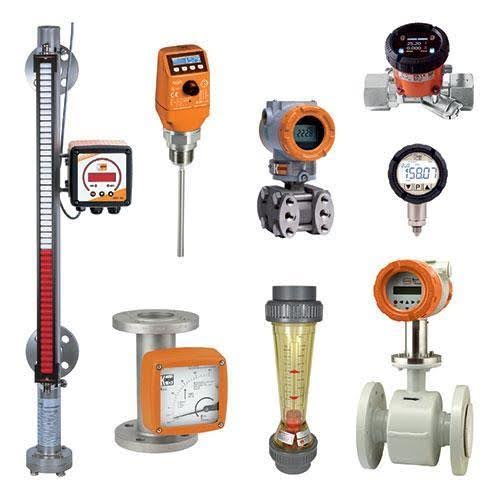
Why High Viscosity Oils Are Difficult to Measure
Viscosity refers to a fluid’s resistance to flow. High-viscosity oils move much more slowly than water, requiring greater force to circulate through piping systems. Examples include:
- Lubricating oils
- Heavy fuel oil
- Bitumen
- Gear oil
- Hydraulic oil
- Molasses-based industrial fluids
- Asphalt products
These fluids often exhibit changing flow characteristics as temperature fluctuates. Cold oil becomes thicker, while heated oil flows more easily. Such variations can significantly affect the accuracy of conventional volumetric flow meters.
Because of these challenges, specialized flow measurement technologies are required to achieve consistent and repeatable results.
What Is a High Viscosity Oil Flow Meter?
A high viscosity oil flow meter is designed specifically to measure thick fluids without sacrificing accuracy. Unlike standard flow meters that may struggle with slow-moving liquids, these instruments maintain reliable measurements across a wide range of viscosities.
Depending on the application, they may measure:
- Volumetric flow
- Mass flow
- Total accumulated flow
- Fluid density
- Temperature
Many modern flow meters also integrate directly with industrial control systems, allowing real-time monitoring and process optimization.
Factors to Consider When Choosing a Flow Meter
Choosing the right flow meter begins with understanding the operating conditions.
Fluid Viscosity
The most important consideration is the oil’s viscosity under actual operating temperatures. A flow meter designed for light lubricants may perform poorly with heavy gear oils or asphalt.
Flow Rate
Expected minimum and maximum flow rates determine the appropriate meter size. Oversized meters often reduce measurement accuracy at lower flow rates.
Temperature Range
Many oils experience dramatic viscosity changes as temperature varies. Selecting equipment rated for the operating temperature improves long-term accuracy.
Pressure Requirements
Industrial systems may operate under high pressure. The selected flow meter should withstand both operating and surge pressures.
Required Accuracy
Applications such as custody transfer, blending, and chemical dosing demand significantly higher accuracy than general monitoring applications.
Common Types of High Viscosity Oil Flow Meters
Several technologies are available for measuring viscous fluids.
Positive Displacement Flow Meters
Positive displacement (PD) meters are among the most common solutions for high-viscosity oils.
These meters trap a known volume of fluid within rotating gears, pistons, or oval gears before releasing it downstream. Since each rotation represents a fixed volume, measurement accuracy remains excellent even at low flow rates.
Advantages include:
- High accuracy
- Excellent performance with thick fluids
- Reliable low-flow measurement
- Minimal influence from viscosity changes
Typical applications include lubricating oils, hydraulic fluids, diesel fuel, and heavy industrial oils.
Coriolis Mass Flow Meters
Coriolis flow meters directly measure mass flow rather than volume.
As oil moves through vibrating tubes, tiny phase shifts caused by the Coriolis effect allow the instrument to determine mass flow with exceptional accuracy. These meters can also measure density and temperature simultaneously.
Advantages include:
- Direct mass flow measurement
- Outstanding accuracy
- Multi-variable measurement
- Suitable for automation systems
Although more expensive, Coriolis meters are widely used where product quality and precise process control are critical.
Natural Gear Flow Meters
Natural Gear flow meters use rotating gears that mesh together while transporting fluid through the measuring chamber.
They are particularly effective for:
- Lubrication systems
- Hydraulic machinery
- Resin processing
- Oil dispensing equipment
Their compact design and high repeatability make them suitable for many industrial installations.
Oval Gear Flow Meters
Oval gear meters represent a specialized form of positive displacement technology.
Their rotating oval gears create sealed chambers that precisely measure fluid movement regardless of changing viscosity.
They are especially popular for:
- Heavy oils
- Fuel distribution
- Marine applications
- Industrial lubrication systems
Turbine Flow Meters
Although turbine meters work well with low-viscosity fluids, they are generally less suitable for heavy oils because thick fluids reduce turbine responsiveness and increase pressure losses.
For highly viscous applications, positive displacement or Coriolis technologies typically offer better performance.
Industrial Applications
High viscosity oil flow meters serve numerous industries.
Oil and Gas
Refineries and storage terminals use them to measure crude oil, lubricants, heavy fuel oils, and specialty petroleum products.
Manufacturing
Industrial machinery relies on accurate lubricant measurement to maintain equipment reliability and reduce operating costs.
Food Processing
Some edible oils, syrups, and food-grade products exhibit relatively high viscosities that require specialized measurement techniques.
Chemical Processing
Chemical plants often process polymers, resins, adhesives, and other viscous fluids where precise dosing improves product consistency.
Marine Industry
Ships consume large quantities of heavy fuel oil. Accurate monitoring helps optimize fuel efficiency and simplify inventory management.
Integration with Industrial Automation
Modern flow meters have evolved far beyond simple measuring devices and are widely used in Industrial Automation.
Today’s intelligent instruments commonly support industrial communication protocols, including:
- HART
- Modbus
- EtherNet/IP
- PROFINET
- PROFIBUS
- FOUNDATION Fieldbus
This enables seamless communication with PLCs, SCADA systems, Distributed Control Systems (DCS), and Industrial Internet of Things (IIoT) platforms.
Operators can monitor equipment remotely, detect abnormal operating conditions, receive maintenance alerts, and improve overall plant efficiency through real-time data analysis.
Maintenance Considerations
Proper maintenance extends service life while preserving measurement accuracy.
Recommended practices include:
- Regular inspection for wear
- Cleaning measuring chambers when required
- Verifying calibration periodically
- Monitoring operating temperatures
- Preventing contamination from solid particles
- Following manufacturer lubrication recommendations
Preventive maintenance is especially important in applications involving abrasive or contaminated oils.
Future Trends
Digital manufacturing continues to transform industrial flow measurement.
Emerging developments include:
- Smart diagnostics
- Predictive maintenance
- Wireless connectivity
- Cloud-based monitoring
- AI-assisted process optimization
- Digital twin integration
These technologies allow facilities to detect potential problems before failures occur, reducing maintenance costs while improving production efficiency.
Conclusion
Selecting the right high viscosity oil flow meter is essential for achieving accurate flow measurement in demanding industrial environments. Since thick oils behave differently from low-viscosity fluids, engineers must carefully evaluate viscosity, operating temperature, pressure, required accuracy, and process conditions before choosing a measurement technology.
Positive displacement, gear, oval gear, and Coriolis flow meters each offer unique advantages depending on the application. When properly selected and integrated with modern automation systems, these instruments provide reliable measurements that improve product quality, optimize energy consumption, reduce waste, and support efficient industrial operations. As smart manufacturing continues to evolve, advanced high viscosity oil flow meters will play an increasingly important role in maintaining accurate, data-driven process control.