A molded part can look finished on a screen and still fail once resin enters a tool. Wall thickness, gate position, cooling rate, and shrink rarely behave exactly as planned. Prototype injection molding gives product teams a controlled way to test those variables before committing significant tooling costs. That step replaces assumption with measurable part data, which helps engineering, sourcing, and quality groups judge whether a design can move into volume production without avoidable trouble.
Faster Feedback
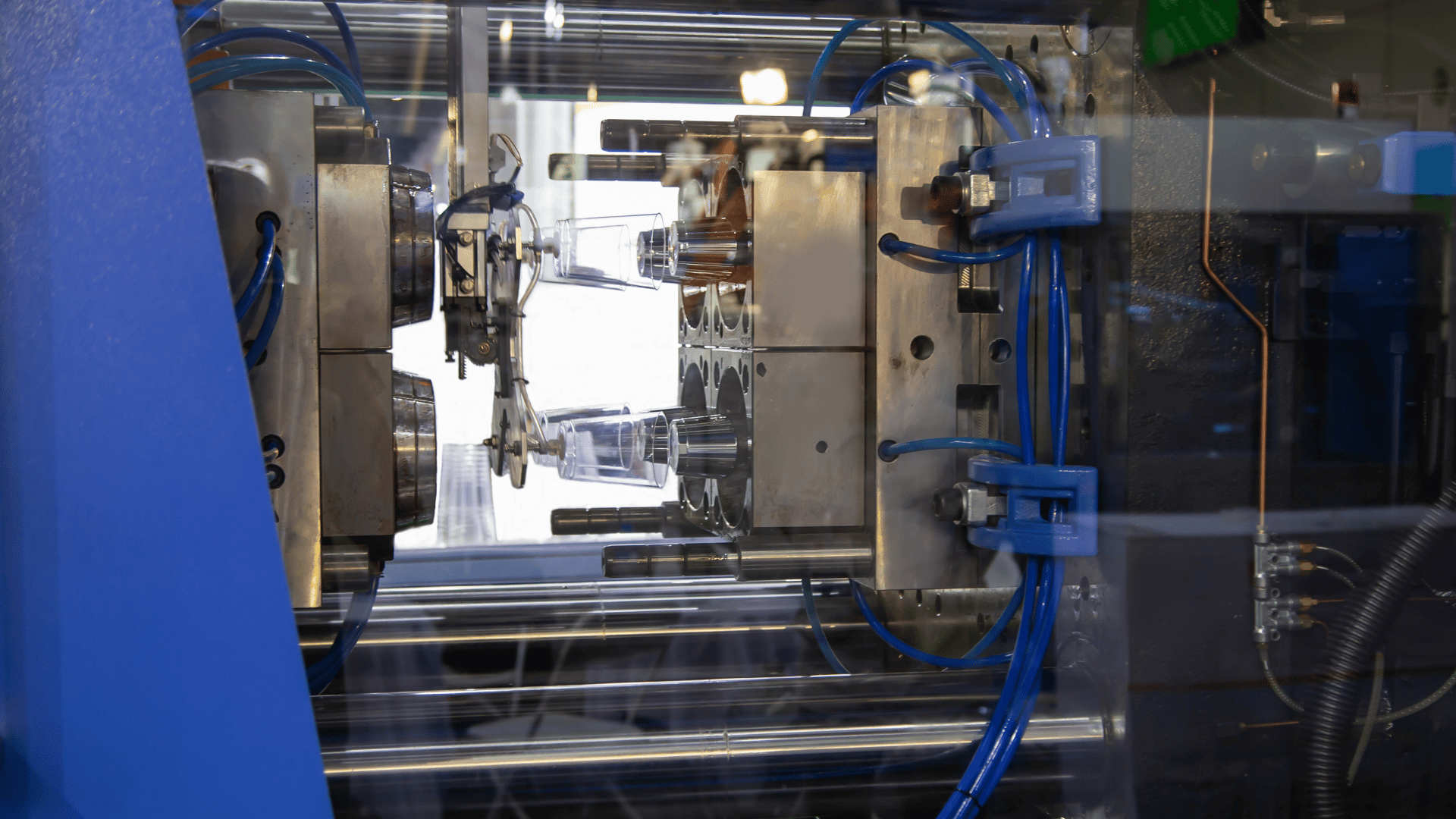
Before full-scale tooling begins, most teams need molded samples that show real flow, cooling, and surface behavior. Using prototype injection molding services gives engineers an earlier view of sink, flash, warp, fit, and gate vestige under factory conditions. That matters because part issues found at this stage are usually cheaper to correct, easier to document, and far less likely to disrupt launch timing once production planning starts.
Lower Change Costs
Production molds require larger budgets, longer lead times, and tighter control over approvals. Late revisions can affect steelwork, sampling dates, and supplier schedules simultaneously. Prototype tools reduce that risk by supporting learning before capital expenses rise. If the draft is too shallow or a latch feels overstressed, teams can revise geometry while options remain open and internal pressure stays lower.
Better Part Validation
Printed samples can confirm the shape, but they seldom match the behavior of an injection-molded thermoplastic part. Prototype molding closes that gap by forming components under realistic pressure and temperature conditions. Engineers can then inspect the shrink pattern, knit lines, gloss, stiffness, and dimensional spread using meaningful evidence. That record gives design reviews more substance and helps quality plans reflect the actual reality rather than rough predictions.
Choice of Material
Resin selection affects strength, finish, chemical exposure, and long-term dimensional stability. A grade that looks suitable on a data sheet may respond poorly in a thin wall or long flow path. Prototype runs allow direct comparison under real processing conditions. Teams can study clarity, impact response, heat resistance, and post-assembly fit before a material decision becomes expensive to reverse later.
Early Failure Discovery
Weak ribs, sharp internal corners, poor venting, and thin gates often escape notice during screen-based review. Molded samples make those weaknesses visible through cracking, drag marks, short shots, or inconsistent fill. Once a flaw appears in the hand, the discussion becomes more practical. Teams can change geometry, vent layout, or gate placement before hardened production tooling limits what can still be corrected.
Process Windows
Prototype work also shows how a part responds to fill speed, hold pressure, melt temperature, and cooling time. Those settings shape cosmetic quality, dimensional stability, and cycle consistency. Early process study helps suppliers identify a workable operating range before demand increases. With that knowledge in place, scale-up begins with observed behavior, reducing guesswork during validation and lowering the risk of unstable output.
Cross-Team Alignment
Physical prototypes help more than design engineers. Quality staff can define inspection points from actual part features. Sourcing teams can compare resin availability, tool timing, and secondary operation needs with better context. Program managers gain clearer schedule inputs. Customer-facing groups may also use sample parts for early review. One molded piece often settles questions that would otherwise linger across drawings, emails, and meetings.
Financial Risks
Tooling choices affect cost far beyond the first purchase order. A weak early decision can lead to scrap, rework, delayed approval, and field complaints after launch. Prototype molding offers a smaller financial step that tests those risks before major funds are released. That spending pattern is disciplined because it prioritizes learning over commitment and reserves full production investment for a design that has already proved itself.
Conclusion
Full production works best when a design has already been tested under true molding conditions. Prototype injection molding gives teams the evidence while change is still practical and costs remain contained. It helps confirm geometry, material behavior, process limits, and assembly fit before larger tooling decisions are locked in. For companies trying to reduce waste, protect launch timing, and improve part quality, that early validation step is often what prevents preventable mistakes from being inherited in production.