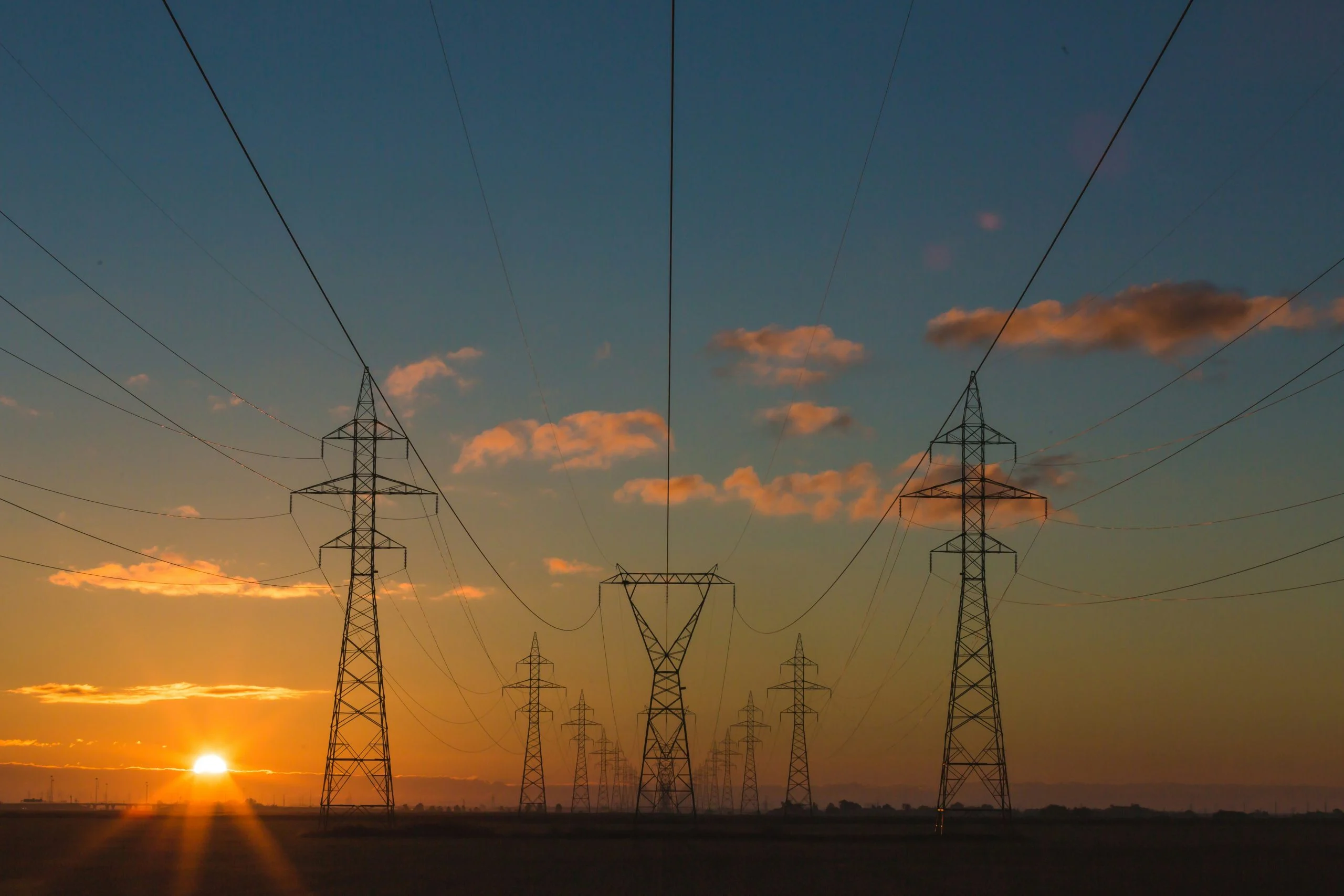
The American power grid is entering one of the biggest periods of rebuilding in its history. Electricity demand is rising. Infrastructure is aging. Utilities are being asked to support electric vehicles, data centers, renewable energy projects, battery storage facilities, and growing populations simultaneously. The system that powered the country for decades is now being pushed in new directions.
Few people understand these challenges better than Dianoush Dion Emami, Chief Executive Officer of Parkia, Inc. With more than 40 years of experience spanning nuclear power, utility operations, transmission systems, and high-voltage infrastructure projects, he has worked on every stage of the power delivery process. His career includes roles at Bechtel Power Corporation, the Los Angeles Department of Water and Power, Henkels & McCoy, and Parkia. That combination of engineering and executive leadership provides a practical view of where the grid is heading and what utilities must do next.
The numbers explain why modernization has become such a priority. According to the U.S. Department of Energy, roughly 70% of transmission lines and power transformers are more than 25 years old. Meanwhile, the North American Electric Reliability Corporation has repeatedly warned that electricity demand is increasing faster than many regions can expand capacity.
The challenge is not simply producing more power. It is moving that power where it needs to go.
Rising Demand Is Changing the Rules
For decades, utilities operated under fairly predictable conditions. Residential neighborhoods used electricity at certain times. Commercial buildings followed familiar patterns. Generation flowed from large power plants through transmission systems to consumers.
That model is changing.
Electric vehicle adoption continues to grow across the country. The International Energy Agency reported that electric vehicle sales reached nearly 14 million globally in 2023. Data centers supporting artificial intelligence, cloud computing, and advanced manufacturing are consuming enormous amounts of electricity. Some facilities use as much power as small cities.
Utilities are being forced to rethink how they plan for future demand.
Emami recalls seeing this shift firsthand during transmission planning discussions.
“Twenty years ago, most conversations focused on replacing aging equipment,” he said. “Today, utilities are asking a different question. They want to know how much additional demand the system can absorb over the next ten or fifteen years. That changes every planning decision.”
The grid is no longer being upgraded simply because the equipment is old. It is being upgraded because the entire operating environment is changing.
Transmission Is Becoming the Center of the Conversation
Generation often receives the headlines. Transmission does the heavy lifting.
Without transmission infrastructure, new power generation cannot reach customers. That reality has moved transmission projects to the center of utility planning.
According to the Princeton University Net-Zero America study, the United States may need to double or even triple transmission capacity by 2050 to support future changes in energy demand and generation.
That expansion is not easy.
Large transmission projects face permitting requirements, environmental reviews, supply chain challenges, and labor shortages. Some projects require coordination across multiple jurisdictions before construction begins.
The complexity continues increasing as more utilities expand underground transmission systems.
“On one project, we spent months coordinating construction windows because a road closure affected traffic patterns, emergency services, utility access, and local businesses,” Emami said. “People see a transmission line. They do not see the hundreds of operational decisions behind it.”
The future grid will require more transmission capacity, not less. Utilities understand this. The challenge is building it quickly enough.
Underground Infrastructure Is Moving Into the Mainstream
For years, underground transmission was viewed as a specialty solution. Today, it is becoming part of mainstream infrastructure planning.
Wildfires have accelerated the shift in states like California. Severe weather events have increased attention on system resilience nationwide.
Underground systems reduce exposure to falling trees, vehicle accidents, high winds, and wildfire-related risks. They can also improve reliability in dense urban environments where overhead expansion becomes difficult.
The tradeoff is cost.
Underground transmission projects can cost several times more than overhead systems, depending on voltage requirements and location. Utilities increasingly view those investments as long-term reliability measures rather than optional upgrades.
The discussion has shifted from cost alone to risk reduction.
That change reflects a larger trend across the industry.
Resiliency Is Becoming a Core Utility Priority
A decade ago, many utilities focused heavily on restoring power after outages occurred.
Today, the focus is increasingly on preventing outages before they happen.
The National Oceanic and Atmospheric Administration reported a record number of billion-dollar weather disasters in recent years. Hurricanes, winter storms, heat waves, and wildfires are creating new operational pressures.
Utilities are responding by strengthening substations, upgrading transmission systems, expanding redundancy, and improving system flexibility.
Resilience has become part of every major infrastructure discussion.
“Utilities used to ask how quickly they could restore service after a failure,” Emami said. “Now they are spending more time asking how they can reduce the likelihood of that failure happening in the first place.”
That shift may sound subtle. It changes how billions of dollars are allocated.
The Workforce Challenge Could Be the Biggest Obstacle
Technology and infrastructure receive the most attention. People remain the most important factor.
Many experienced utility professionals are approaching retirement age. Utilities are trying to replace decades of field knowledge while simultaneously expanding infrastructure programs.
The Center for Energy Workforce Development has identified workforce replacement as one of the industry’s most significant long-term concerns.
Transmission systems, substations, and utility operations depend heavily on experience. Field supervisors often recognize risks before they appear in reports. Engineers develop judgment through years of practical problem-solving.
That expertise takes time to build.
“I remember working with a superintendent who could walk through a jobsite and identify issues before anyone else noticed them,” Emami said. “He had spent thirty years solving similar problems. That level of judgment becomes part of project success.”
Utilities are investing more heavily in mentorship, apprenticeships, and workforce development programs because they understand the stakes.
Infrastructure projects require people as much as equipment.
The Next Grid Will Look Different
The future grid will be larger, more resilient, and more complex than the one operating today.
Utilities will build more transmission. Underground systems will expand in many urban areas. Infrastructure planning will focus on long-term reliability rather than short-term fixes. Workforce development will become as important as engineering design.
Modernization is no longer a future goal. It is an active process happening across the country right now.
The challenge facing utilities is significant. So is the opportunity.
The American grid was built for a different era of energy use. The next version is being designed for a future that demands more electricity, greater reliability, and far less tolerance for failure. The work underway today will determine how successfully the country meets that challenge for decades to come.