Most people have battled a phone mount at some point. The clip slips. The suction cup falls at 7 AM. The cradle rattles so loud you can’t hear navigation. So the real question becomes: does MagSafe actually solve these problems, or is it just the newest version of the same headache?
This article walks you through the practical differences between MagSafe and traditional mounts for everyday use. You’ll see where each type shines, where each stumbles, and which setup makes sense for how you actually drive.
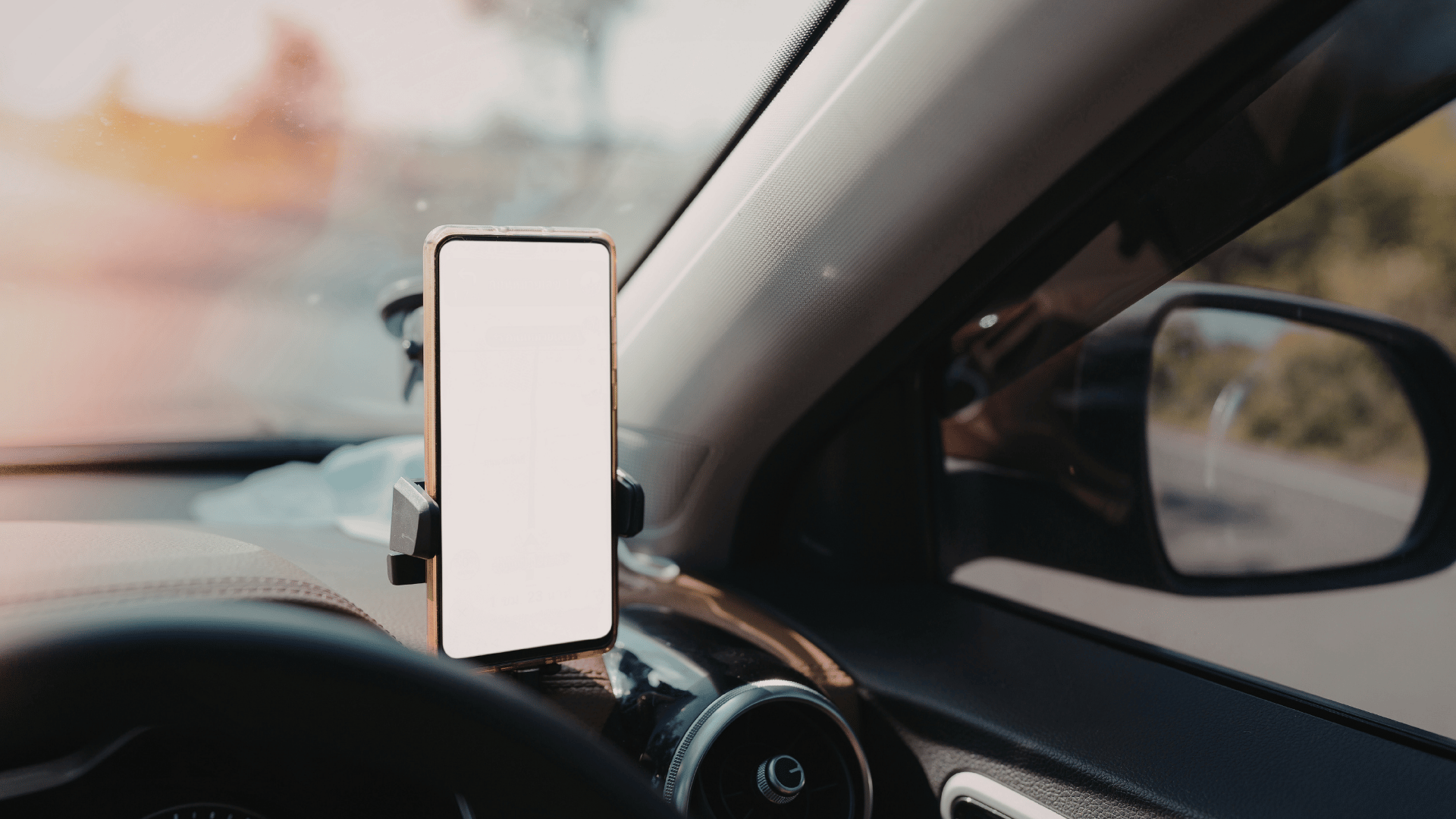
How MagSafe and Traditional Mounts Actually Work
MagSafe mounts are designed for quick magnetic attachment, making them convenient for drivers who want to place and remove their phone with one hand. Traditional mounts, on the other hand, usually rely on cradle arms or side clamps that physically hold the phone in place. The suction-based system, as seen in a phone mount from STATIK, works differently by using a vacuum seal to secure the mount to the dashboard or windshield without depending on adhesive backing. The real distinction comes down to what each design prioritizes: MagSafe focuses on fast magnetic connection, traditional mounts focus on physical phone grip, and vacuum-seal mounts focus on a stronger hold to the car’s surface.
The Magnet-First Design of MagSafe
MagSafe mounts rely on a ring of magnets built into compatible iPhones (iPhone 12 and later). Your phone snaps into place automatically. No arms to squeeze, no buttons to press. One motion attaches it; one motion removes it. The magnet array in Apple’s MagSafe spec holds up to 15 watts of wireless charging output when paired with a MagSafe charger, though car-mount versions typically max out at 7.5 watts.
Cradles, Clips, and Suction: Traditional Mount Overview
Traditional mounts use mechanical grip, spring-loaded arms that clamp around your phone’s edges, or a band that stretches across the back. They’ll work with any phone regardless of brand or case thickness; that’s a real advantage if you switch devices often. The trade-off: one-handed mounting is harder than it sounds at a red light.
Compatibility Differences Worth Knowing
MagSafe is currently an iPhone-exclusive system. Android users can buy Qi2-certified mounts that use the same magnet standard, but the ecosystem is much smaller. Traditional mounts are actually universal. If your household runs a mix of iPhones and Androids, a traditional cradle-style mount works for everyone without any adapter needed.
Daily Driving Performance: Where Each Mount Wins and Loses
Real-world conditions stress phone mounts constantly. Speed bumps, highway vibration, hard braking, temperature swings in a parked car. Both mount types handle these conditions differently, and one small weakness becomes a daily annoyance fast.
Vibration and Road Shock
MagSafe mounts hold your phone with no physical contact on the sides or edges. On smooth roads? Great. But rough pavement or a speed bump can shift the phone slightly on the magnet face, especially with thicker cases that reduce magnet contact. Traditional cradle mounts physically clamp the phone so it can’t shift laterally. For drivers on rough city streets, a cradle often wins on pure stability.
One-Handed Mounting While Driving
Here’s where MagSafe pulls ahead. You snap the phone on without looking because the magnets guide it into position. Traditional mounts need you to spread spring arms or slide your phone into a fixed holder, which usually takes two hands or a second glance. Over a daily commute, it adds up. Convenience matters more than most people realize before they try both.
Heat and Long-Term Adhesion
Suction cup mounts (a common traditional type) are notorious for losing grip in direct sun; heat softens the suction cup’s seal. A quality suction mount with a proper locking lever holds much better than budget versions, but heat is still the enemy. And here’s the thing: MagSafe mounts that attach via a ball-joint arm to a suction base face the same problem at the attachment point. It’s the mount’s base that fails first, not the magnet.
Choosing the Right Mount for Your Setup
Neither mount type is perfect for every driver. The right choice depends on your phone, your car’s interior, and how often you’re in and out of the vehicle each day.
iPhone Users vs. Android Users
If you have an iPhone 12 or newer, MagSafe mounts are genuinely worth upgrading to. The snap-on convenience and optional wireless charging in a single accessory are hard to beat. Android users should look at Qi2 magnetic mounts instead; the selection is narrower though. But a traditional cradle mount is the safest pick for anyone who switches phones regularly or shares a car with someone on a different platform.
Dashboard Placement and Vent Clip Tradeoffs
Vent clips are the most popular traditional mount style. They’re cheap, easy to install, and don’t block the windshield. The downside? They block airflow from that vent, they flex with vent adjustments, and cheaper models crack over time. MagSafe mounts often attach to a suction pad or a CD-slot base instead; this frees up your vents but requires a flat dashboard surface or a working CD slot.
When Wireless Charging in the Car Changes Things
Want your phone to charge hands-free while mounted? MagSafe is the cleaner path. A single MagSafe car mount handles both functions. With a traditional mount, you’d need to plug in a separate cable every time. For long commuters or rideshare drivers who need their phones topped off constantly, that cable-free setup is real daily convenience.
Conclusion
MagSafe vs. traditional phone mounts for daily driving isn’t a debate with one clear winner. MagSafe is faster to use, cleaner-looking, and ideal for iPhone users who want wireless charging built in. Traditional mounts cost less, work with any phone, and grip more firmly on rough roads. Go with MagSafe if you’re on an iPhone and value one-handed speed; go with a traditional mount if compatibility or budget is your first concern.