After a dog attack, the victims and families could suffer physical, emotional and financial damages that may last a lifetime. Aggressive or unruly dogs can cause serious injuries, infections, scarring, emotional trauma and high cost of medical care. Oftentimes, victims don’t know what legal options they have or if the dog owner is liable for the damages done.
Many people want to know their rights and what legal options might be available after an attack by a dog in Washington DC and will want to speak with a Washington DC Dog Bite Lawyer after the incident to get some guidance. The legal claims arising from dog bites will depend on local laws, when the incident happened and the nature of the injuries sustained by the dog bite victim. Understanding the legal aspects of dog bite incidents can assist injured parties in making informed decisions during a challenging and stressful period.
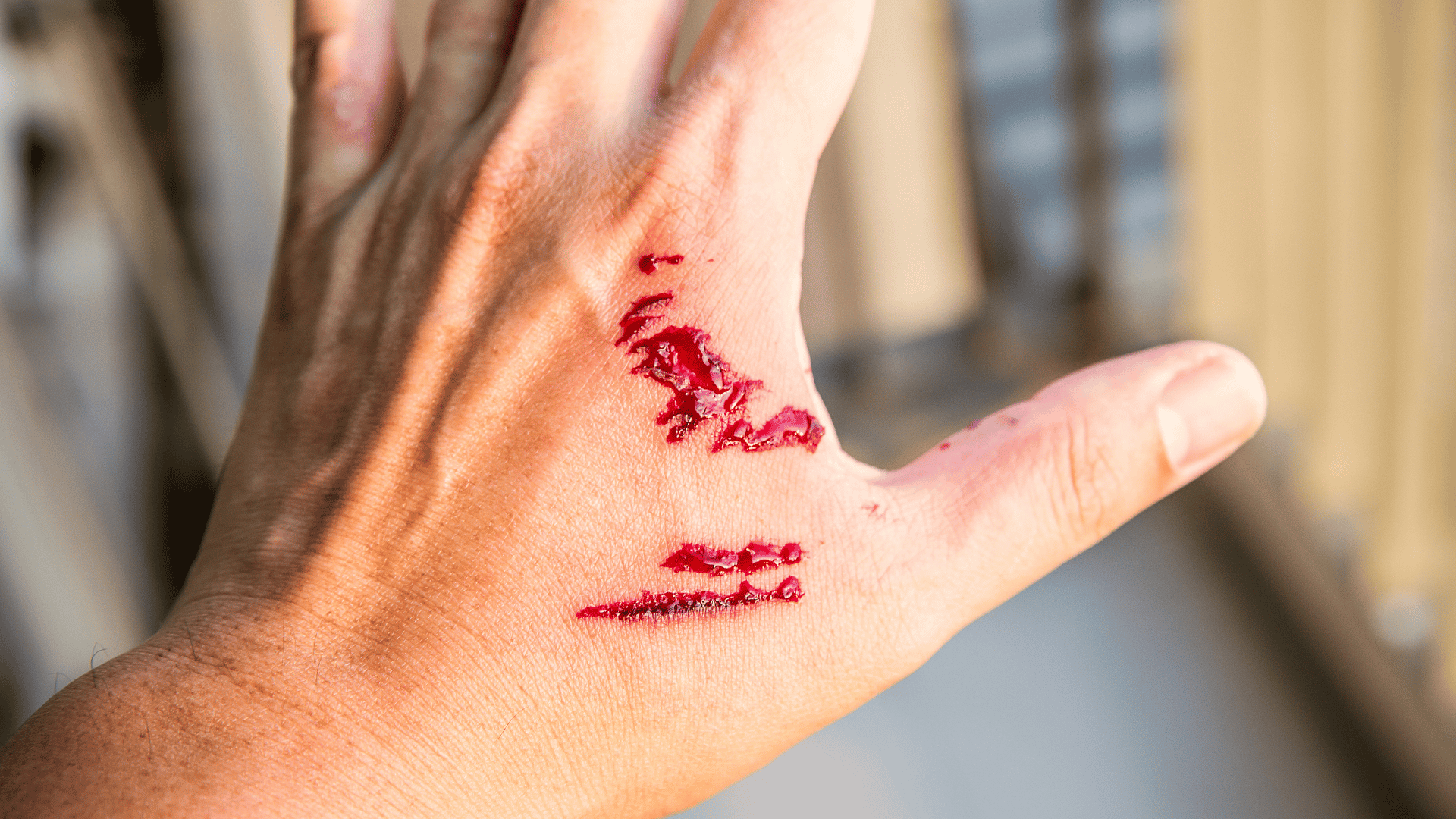
The Concept of Liability in Dog Bite Cases
One of the most important issues in dog bite claims is determining liability. Liability means that there is a legal obligation to the injured party with regard to the dog attack injuries and damages. If a dog bites or injures someone, the dog’s owner might be liable in many states. Other states use the so-called “strict liability” principle. In this method, injuries that a dog inflicts upon the owner, even if the dog had never shown aggression before, could be the responsibility of the dog owner. The victim does not have to show that the dog owner knew the dog was dangerous.
Some other states have the “one bite rule”, which typically does not require showing that the dog had a history of aggressiveness. In these cases, evidence like past attacks, threatening behavior or neighbour complaints may come into play. Even if the standard is applied, owners are usually held to reasonableness standards in preventing their dogs from harming others. If the dog is not secured, leash violation, or if a dog is allowed to be aggressive, it can increase the victim’s case. Dog bites can result in various different types of injuries, some of which may require extended treatment. Some victims may have minor wounds, others may suffer from severe physical and emotional injuries. Common injuries include:
- Deep puncture wounds
- Skin and tissue that is torn, including wounds.
- Broken bones
- Nerve damage
- Injuries to the face and scars that last a lifetime
- Rabies, tetanus or other infections
- Anxiety and psychological trauma
Dogs prey upon children due to their size and inability to defend themselves, making them very vulnerable during an attack. Face, neck and head injuries are particularly prevalent among young victims.
Not only is there physical pain, there is emotional pain that can follow well after the pain has gone away. The victim may become afraid of animals, suffer from post-traumatic stress, insomnia or emotional reactions that impact daily functioning.
Why Evidence is Important
Evidence can make a world of difference in a dog bite lawsuit. If the victim can do so, they should collect information as soon as possible after the incident. Useful evidence could comprise:
- Photographs of injuries and scenes.
- Medical records and medical treatment documents
- Witness statements
- Animal control reports
- Information on the dog and owner
It is also crucial to seek immediate medical care. Medical records not only help to ensure the victim’s health but they also provide a record of the victim’s injuries and make a direct connection between the injuries and the attack.
In some cases, the surveillance camera or nearby security camera records can also be helpful to prove the case. The more evidence that can be collected, the more likely it will be to prove liability and how much damages were incurred.
Sometimes dog owners try to avoid liability by asserting some of the following defenses. The most common defense is that the victim provoked the dog. In some jurisdictions, the owner may be held liable or not liable depending on whether they can prove that the victim intentionally threatened, hit or disturbed the animal.
Trespassing is another defense. In some situations, owners may claim that the injured party was “illegally” on the land at the time of the attack. Except for state to state and when children are concerned.
Comparative negligence might also be a concern
This legal principle is used to determine if the victim was partially responsible for the incident. If it is decided that the victim was partially to blame, compensation might be lowered. The laws governing dog bites vary from state to state and so the interpretation of the law will depend on the facts of each dog bite.
The right of children to be protected is upheld. Children’s right to protection is respected.
If your child has been injured due to a dog attack, there may be other legal issues. Courts have been aware that children may not fully realize how to interact with animals, or how there may be dangers to them.
Minors’ claims are usually made by their parents or guardians. In certain cases, the compensation can consist of emotional trauma damages, reconstructive surgery costs, counseling, or future medical expenses.
If the attack took place in a public place, neighborhood or on private property, injured persons can file a claim for damages. Dog bite laws can be complicated but dog bite victims are not helpless. Collecting evidence and seeking medical care, and knowing what laws apply, can help a dog bite victim take positive steps to protect their interests and move forward after their traumatic experience.