A strong lesson does a lot more than talk about facts. It gives students a reason to care about them.
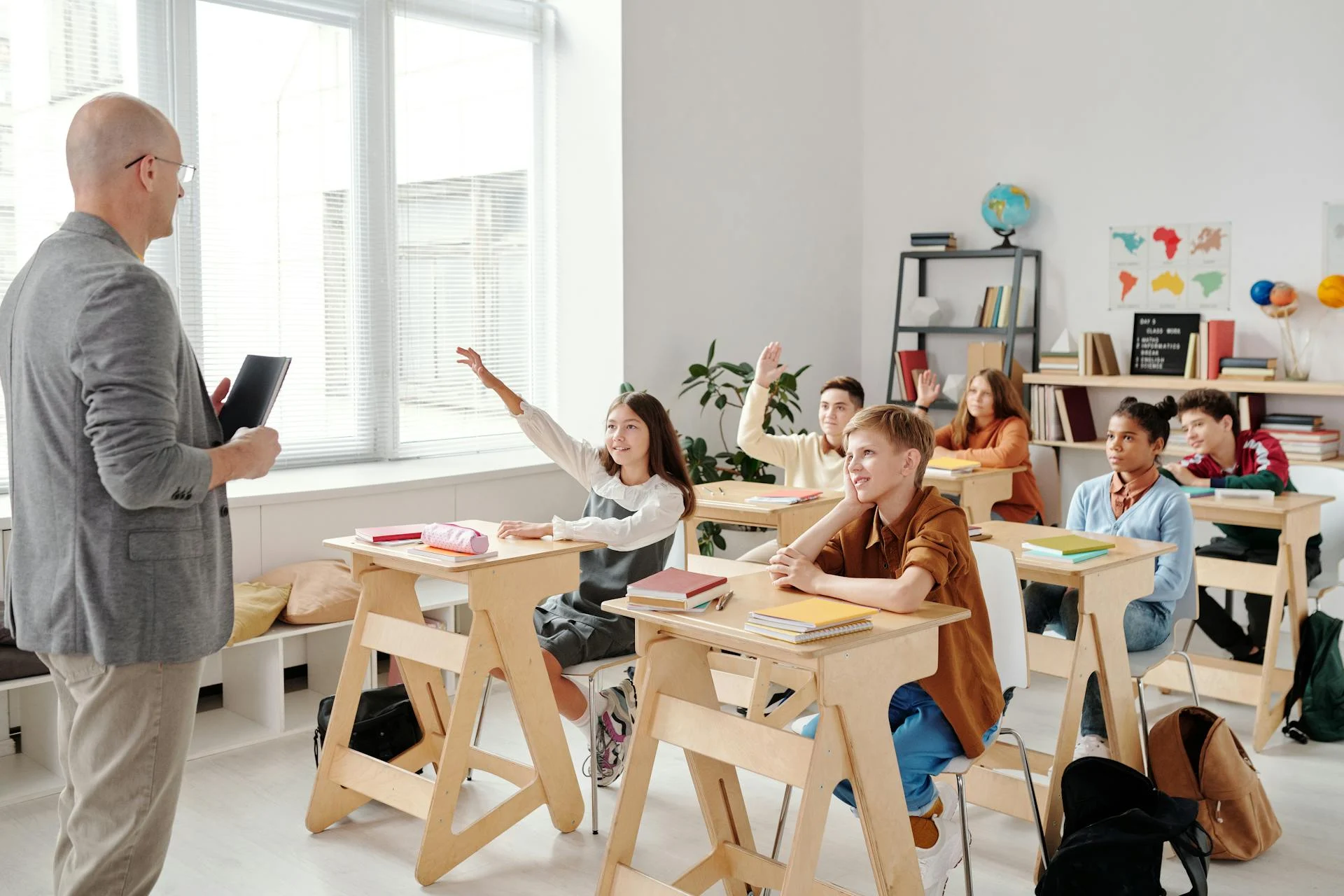
That is exactly where the future of education is headed. Less passive listening, more active learning. A class can use something like Savvas World History Interactive and turn a history topic into a lesson that students talk about, question, and remember.
Learning is moving from ‘sit and absorb knowledge’ to ‘do, test, and connect.’ We want our students to use critical thinking and to be able to use what they learn in school in their lives.
Using technology in education is also helping make classes more interesting and memorable. It also helps students be more creative, and can be a great solution for students who learn in different ways.
And the truth is, a lot of students do not feel engaged in their classrooms. Gallup reported that 25% to 54% of Gen Z K-12 students are lacking engaging school experiences. The same report found that students are most excited to learn when teachers make the material interesting and when they can work with it in hands-on ways.
What engagement really means
Engagement is not just smiling in class or clicking through a lesson. It means that a student stays with the task, sees a point in it, and feels part of it. When that happens, attention goes up. So does memory. When our feelings are activated, we memorize a lot better.
That is why the best learning solutions are the ones that help students form opinions, interact, and create something. An engaging lesson gives your students room to think, try, fail, and try again. A good platform makes the student feel like the work belongs to them and their life. It makes them feel connected to what they are learning.
However, we do need to think about accessibility. UNESCO says that only 40% of primary schools and 50% of lower secondary schools are connected to the internet, which means schools cannot assume that every learner has the same starting point. We also need to work on making these tools work for everyone.
What learning solutions are driving this change
The strongest learning tools all do a few simple things well.
They make lessons active. A student should not just read about a topic. They should sort ideas, answer questions, explore examples, and test what they already know. That is why interactive quizzes, simulations, short response checks, and collaborative tasks work so well. They will help your students focus and keep their attention.
They make learning personal. Not every student moves at the same speed. Some need more practice. Some need a harder challenge. Some need a different way in, like video, audio, or a visual map. Adaptive tools help teachers meet those differences without turning the classroom into five separate classes.
They give feedback fast. Students learn better when they know what they got right and what they missed while the lesson is still fresh. Waiting days for feedback slows everything down. Fast feedback keeps the lesson alive in their minds.
They connect school to real life. Students pay more attention when they can see why a lesson matters. A math problem tied to shopping, a science class tied to the weather, or a history topic tied to today’s news all feel more real to them than imagining scenarios that are too abstract.
Three simple tips that can make a big difference
Start small. You don’t need to rebuild an entire course at once. One short activity can change the energy of a lesson. A quick poll, a two-minute video, a partner discussion, or a digital timeline can do a lot, without overwhelming you and the class at once.
Use the tool only when it helps the lesson. Technology is not the goal. Learning is the goal. If a tool makes the lesson more confusing, drop it. The best classrooms use tech with a clear purpose, not just because it is there.
Ask students to create something. This is one of the easiest ways to raise attention. Let them make a slide, record a short response, build a map, compare two sources, or explain a concept in their own words. When students create, they process more deeply.
Why teachers still matter most
This future does not replace teachers. It gives them better ways to teach.
A strong teacher can take the same topic and make it feel alive. A weak lesson can happen with or without technology. That is why training matters just as much as tools. Teachers need time to learn the platform, test the format, and decide what fits their students.
The goal is not to make school feel like a video game. The goal is to make learning clearer, richer, and an experience your students will remember. Good learning solutions help students focus. Great teachers help them care.
Creating a better future for students
The future of education will not belong to the school with the most devices. It will belong to the school that uses its tools with purpose. Students need chances to ask questions, solve problems, and connect what they learn in school to their lives.
That is what engagement looks like.
And when learning feels real, students show up differently. They try more. They remember more. And most importantly, they believe they can do more.