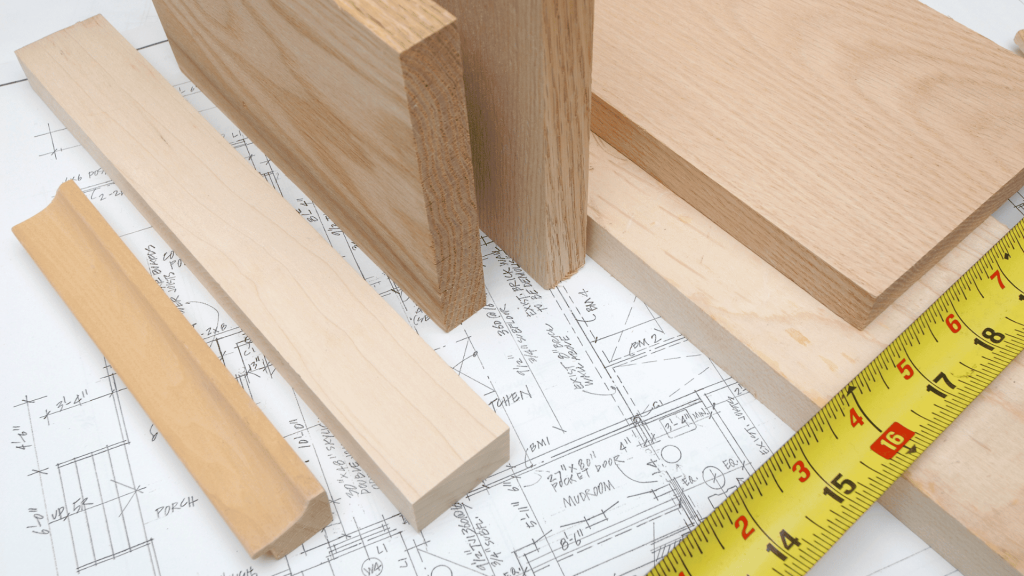
Installations run on or off schedule based on what the site is ready for. A short checklist, completed in the week before the crew arrives, prevents the most common delays.
Millwork installations that run smoothly have one thing in common. The site was ready for them. Installations that run long, cost more than estimated, or produce inferior finished work usually trace the problem to something the site was not prepared for when the crew arrived. The difference between ready and not ready is rarely dramatic. It is usually a handful of small items that should have been handled in the days before installation begins and were not. A preflight checklist, completed by the project manager or general contractor, eliminates most of these issues before they become schedule-and-budget problems.
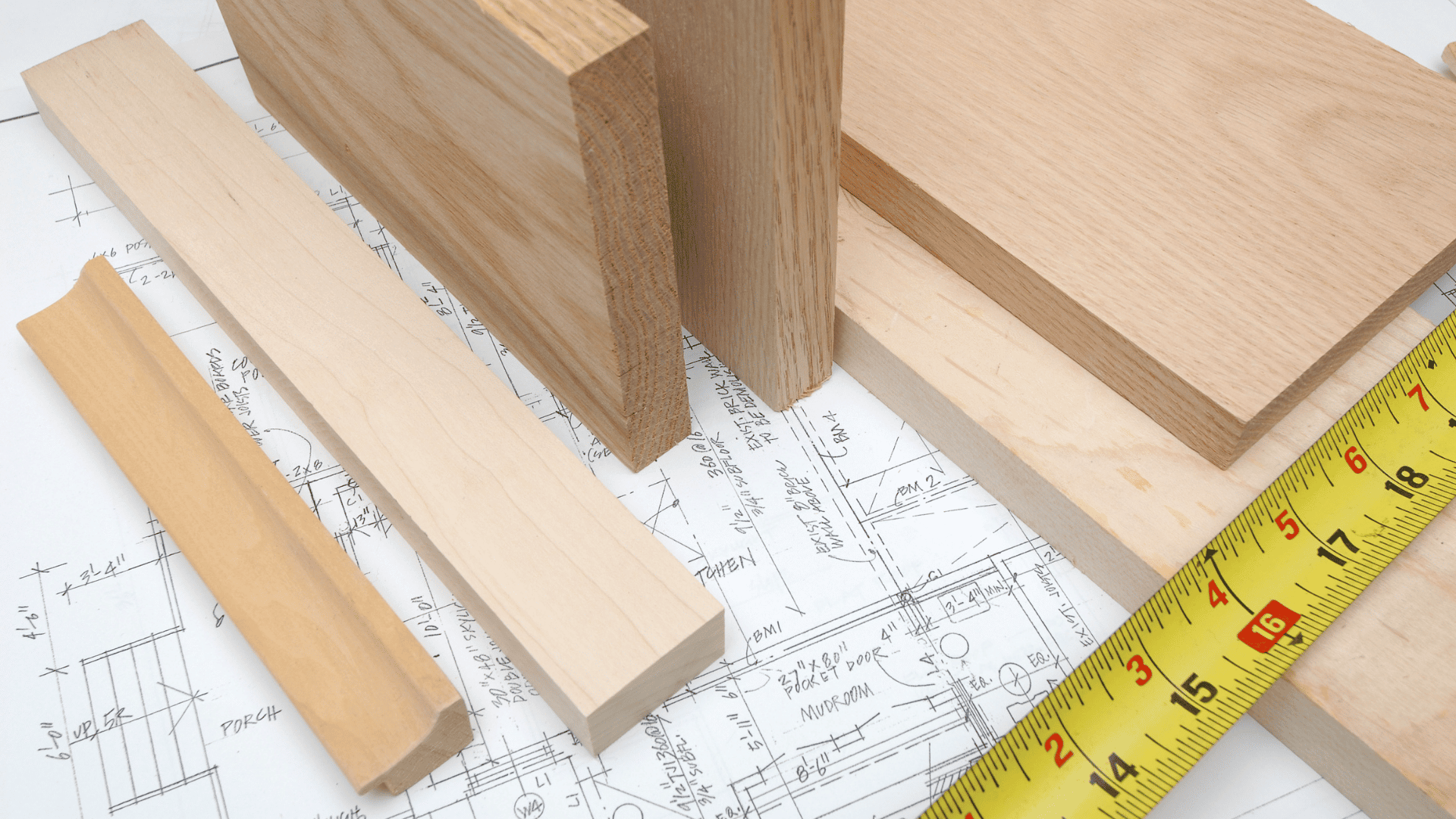
Environmental Conditions
Wood is dimensional. It responds to the moisture content of the air around it. Interior millwork installed in a building that has not yet achieved normal operating humidity will expand and contract after installation, producing gaps, cracks, and visible distortion. The installation crew cannot correct this on site. The only fix is to ensure the building is climate-controlled at normal operating conditions before the wood arrives, and that it remains at those conditions during and after installation.
This requires the HVAC system to be operational, the building envelope to be sealed against outside weather, and the interior to be within a few percentage points of its expected long-term humidity. These conditions should hold for at least several days before delivery so the materials themselves can equilibrate. Rushing this acclimatization produces finished work that looks fine on installation day and visibly degrades over the following weeks.
Preceding Trades Complete
Millwork is typically one of the last trades to enter a space. For good reason. Wood work is easily damaged by the spray, dust, and impact hazards associated with many other trades. When the installation crew arrives before earlier trades have genuinely finished, the finished work risks being damaged before it can even be protected. This leads to callbacks, rework, and tension between trades that could have been avoided with better scheduling discipline.
- Painting should be substantially complete, with any final touch-up planned after millwork installation
- Flooring should be installed to within a practical distance of walls so base millwork can sit on finished floor
- Ceilings should be finished, including any access panels, before installation of tall millwork elements
- Electrical rough-in and device installations should be complete, with device locations verified against millwork layouts
- Plumbing rough and finish should be done where it intersects with millwork such as vanity or counter installations
Access and Staging
Millwork components, especially casework and large panel elements, are bulky and need clear paths from the delivery point to their final location. Installations bog down when the delivery truck cannot park close enough to the building entry, when the corridor to the room has not been cleared, or when other trades are actively working in the path the millwork crew needs. Every minute spent navigating obstacles is a minute not spent installing, and those minutes add up to days over a full project.
Staging areas matter similarly. A protected, clean area for unpacking and preparing components is essential. Without it, components sit in the way of other work or get damaged before they are installed. A defined staging area with adequate square footage for the amount of millwork involved is one of the most overlooked site-readiness items, and one of the most consequential when it is missing.
Field Verification Before Production
Good installations start before the millwork is produced. Field dimensions should be taken after framing is complete and walls are in their final positions. Drywall thicknesses, column sizes, header heights, and beam locations should all be verified against drawings. Assumptions made at the drawing stage routinely fail to hold up in the built condition, and millwork produced to the drawings rather than the actual field dimensions will need modification or refabrication on site.
A single site visit by the millwork shop’s lead estimator or project manager, done at the right moment in construction, can identify every field variation that would otherwise surface as an installation-day surprise. This visit should be scheduled well before production begins, with enough lead time to adjust shop drawings if necessary.
Utilities and Blocking
Complex millwork often integrates with building utilities. Counters have sinks that need water, lighting that needs power, or appliances that need gas. Built-in seating sometimes houses mechanical equipment. Wall paneling may need to accommodate HVAC registers, electrical outlets, or data jacks. Each of these integrations requires coordination between the millwork shop drawings and the actual utility rough-in. Missed coordination shows up as holes in the wrong places or integrated elements that do not line up with the utilities they need to serve.
Blocking in walls to support heavy millwork elements is another frequent oversight. Custom cabinets, built-in shelving, and wall-mounted pieces all need solid backing to anchor into. When drywall goes up without blocking at the right heights, the millwork cannot be securely mounted without improvisation that compromises the finished look. Blocking should be specified in coordination drawings and installed before drywall, not fabricated into walls after the fact.
Working With the Right Partner
A millwork partner who approaches site readiness proactively will usually provide a pre-installation checklist, conduct the necessary site visits, and communicate clearly with the general contractor about what conditions are required. A partner who treats site readiness as the GC’s problem alone tends to produce installations that run into the predictable issues described above. The difference in approach shows up in the day-to-day experience of working with the partner and in the outcomes of installations.
When evaluating a partner for complex millwork installation work, buyers should ask specifically about site-readiness processes, preflight inspections, and how the partner coordinates with other trades. The answers reveal whether the partner is set up to deliver smooth installations or is likely to generate callbacks and schedule slippage. Experienced partners have systematic answers. Less experienced ones have general reassurances.
Communication in the Final Week
The week before installation is the critical communication window. The millwork shop, the general contractor, the installation crew lead, and any relevant trades should all be aligned on delivery dates, site conditions, and handoff expectations. A single coordination call in this window can surface issues that would otherwise appear on installation day as unwelcome discoveries. Thirty minutes on the phone is reliably cheaper than an hour of idle crew time on site.
The goal is always the same. When the installation crew arrives, they should be able to start installing within minutes of unloading the truck. Every minute spent fixing site conditions is a minute of crew cost without corresponding progress. Sites that are genuinely ready produce smoother installations, better finished work, and lower total cost across the project. The checklist approach is simple but unusually effective when actually followed in practice.
Frequently Asked Questions
Q1: Why does humidity matter before millwork installation?
Wood is dimensional and responds to surrounding humidity. Installing in a building that has not reached normal operating conditions causes gaps, cracks, and distortion within weeks. The building should be climate-controlled before delivery.
Q2: Should millwork be installed before or after painting?
Painting should be substantially complete before millwork installation, with only minor touch-ups planned afterward. This protects the finished wood from overspray and dust while keeping both trades on a clean handoff sequence.
Q3: Do walls need blocking for millwork installation?
Yes. Custom cabinets, built-in shelving, and wall-mounted pieces need solid backing inside the wall to anchor securely. Blocking must be installed before drywall, not added later, or the finished mount will not hold properly.
Q4: Is a site visit needed before millwork production?
Yes. Field dimensions should be verified after framing is complete and walls are in final positions. A pre-production site visit catches every field variation that would otherwise surface as an installation-day surprise.
Q5: What is the most common cause of millwork installation delays?
Site unreadiness. Earlier trades not finished, paths blocked, missing blocking, or humidity not stabilized. Most delays come from small items that should have been handled in the days before the crew arrived.