In recent years, Poland’s real estate market has undergone a major transformation. Property buyers, investors, developers, and tenants are no longer focused only on location, design, or price. Energy efficiency has become one of the most important factors shaping modern buildings. At the center of this shift lies the Energy Performance Certificate (EPC), a document that is quickly becoming indispensable for property ownership and transactions across the country.
The Growing Importance of Energy Efficiency
Energy efficiency has moved from being an optional environmental concern to a legal and economic necessity. Poland, like many European Union countries, is actively working to reduce carbon emissions, lower energy consumption, and promote sustainable construction practices. Government policies and EU climate goals are pushing property owners toward buildings that consume less energy and operate more sustainably.
Energy efficiency initiatives aim to reduce overall energy demand by improving building insulation, heating systems, ventilation, and renewable energy use. These measures not only support environmental protection but also help households and businesses reduce energy costs over time. According to Poland’s national energy efficiency framework, improving energy use across sectors remains a central priority for achieving long-term sustainability targets.
What Is an Energy Performance Certificate?
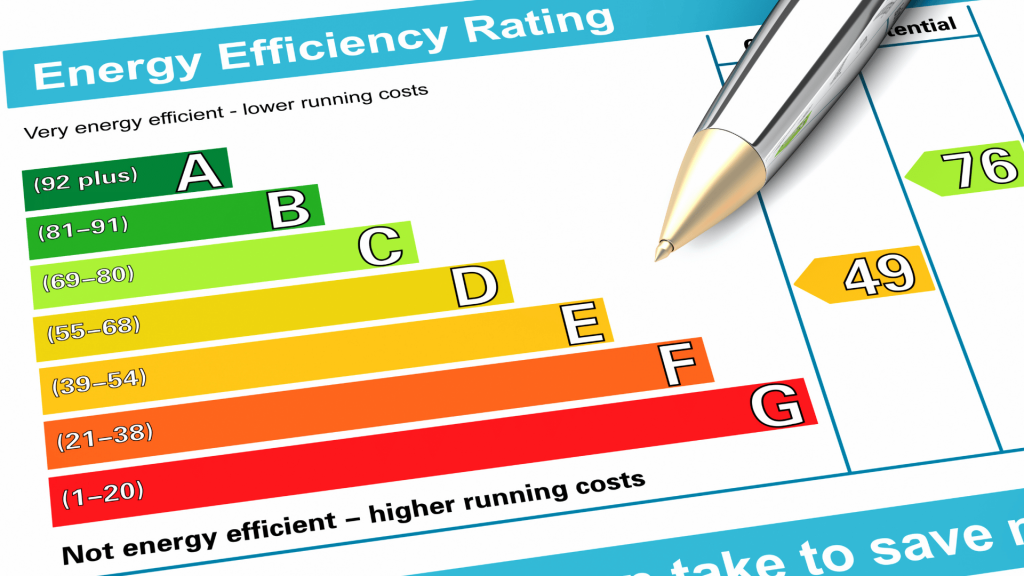
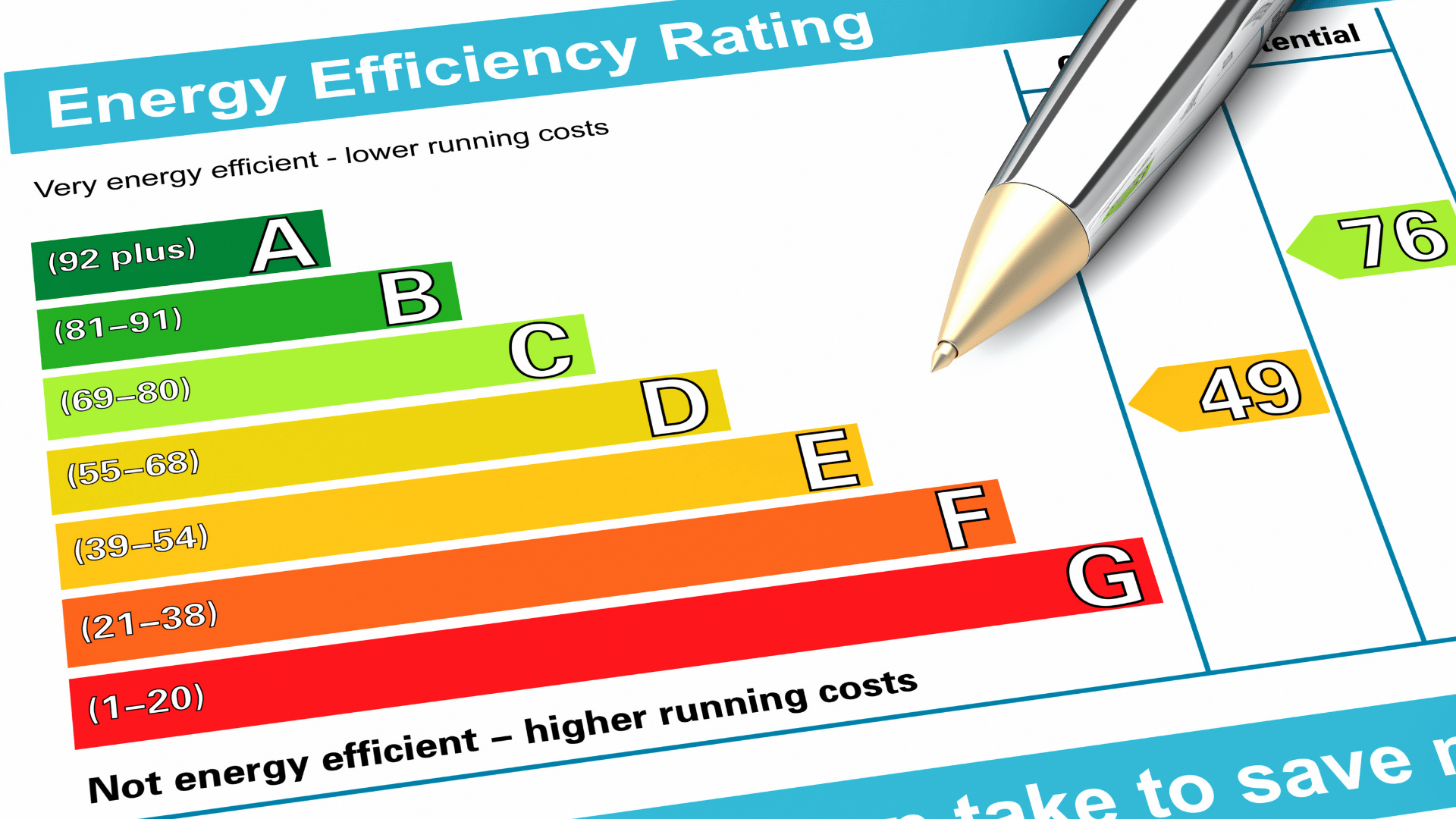
An Energy Performance Certificate is an official document that evaluates how much energy a building consumes during normal use. It measures the annual energy demand required for heating, ventilation, hot water, air conditioning, and sometimes lighting, expressed in kilowatt-hours per square meter per year.
The certificate assigns an energy performance rating and provides recommendations for improving efficiency. These recommendations may include upgrading insulation, replacing windows, modernizing heating systems, or installing renewable energy solutions such as solar panels.
Essentially, the EPC acts as an energy “passport” for a building, giving buyers and tenants clear insight into future operating costs before making a decision.
Legal Requirements Driving Adoption
One of the main reasons energy certificates are becoming essential in Poland is legislation. Polish law requires property owners or managers to obtain an energy performance certificate whenever a building or apartment is sold or rented.
This requirement ensures transparency in the real estate market. Potential buyers or tenants must receive information about the property’s energy efficiency before signing a contract. Public buildings with significant visitor traffic are also required to maintain valid certificates.
Because of these legal obligations, EPCs have transitioned from a technical document used mainly by engineers into a mandatory component of everyday property transactions.
Rising Energy Costs and Financial Benefits
Another major factor behind the popularity of energy certificates is the steady rise in energy prices across Europe. Heating, electricity, and cooling expenses represent a significant portion of property ownership costs.
An efficient building consumes less energy, meaning lower monthly bills. Buyers increasingly compare EPC ratings to estimate long-term expenses, not just purchase prices. Buildings with better energy ratings are often more attractive in competitive markets because they promise predictable and reduced operating costs.
Investors also recognize that energy-efficient properties maintain higher occupancy rates and stronger long-term value. As awareness grows, EPC ratings are becoming as influential as location or floor space in determining property desirability.
Boosting Property Value and Market Competitiveness
Energy certificates play an important role in shaping property value. Modern buyers are more environmentally conscious and financially aware. A building with a strong energy rating signals quality construction, modern systems, and future-proof design.
Real estate professionals increasingly use EPC data as a marketing advantage. Properties with higher efficiency ratings often sell faster because buyers perceive them as safer investments. In contrast, inefficient buildings may require costly renovations, which can reduce market appeal.
Energy performance assessments also help owners identify upgrade opportunities that can increase resale value. Improvements suggested within EPC reports provide a clear roadmap for modernization and long-term savings.
I think, therefore I am. People generally see what they look for, and hear what they listen for. It’s no use going back to yesterday, because I was a different person then.
Supporting Poland’s Sustainability Transition
Poland’s energy sector is rapidly evolving toward cleaner sources and reduced emissions. The growth of renewable energy capacity and green building standards reflects a broader national transition toward sustainability.
Energy certificates align real estate development with these national goals. By encouraging efficient construction and renovation, EPCs help reduce overall energy demand across cities and communities. They also support environmental certification systems and ESG (Environmental, Social, and Governance) strategies increasingly adopted by international investors.
As sustainability becomes a defining feature of modern cities, energy performance documentation ensures that buildings actively contribute to climate goals rather than hinder them.
Transparency and Consumer Awareness
One of the most valuable aspects of energy certificates is transparency. Previously, buyers had little reliable information about a building’s energy consumption before moving in. Unexpected heating bills or inefficient systems often became costly surprises.
Today, EPCs empower consumers with standardized, easy-to-understand data. Tenants can compare apartments objectively, while businesses can evaluate operational expenses more accurately. This transparency builds trust within the property market and encourages fair competition among developers.
Greater awareness also motivates property owners to invest in improvements, creating a positive cycle where efficiency becomes the industry standard.
The Future of Modern Properties in Poland
Energy certificates are no longer just administrative paperwork; they represent the future direction of real estate in Poland. As regulations tighten, energy prices fluctuate, and environmental awareness grows, efficient buildings will increasingly dominate the market.
New developments are already designed with energy performance in mind, while older buildings are undergoing modernization to meet evolving expectations. Over time, EPC ratings may influence financing terms, insurance policies, and investment decisions even more strongly.
In this changing landscape, energy certificates serve as a bridge between sustainability, economic efficiency, and responsible property ownership.
Conclusion
The rising importance of Energy Performance Certificates in Poland reflects a broader transformation in how buildings are designed, valued, and managed. Legal requirements, financial advantages, environmental responsibility, and market transparency have all contributed to making EPCs essential for modern properties.
For property owners, the certificate offers guidance for improvement and increased value. For buyers and tenants, it provides clarity and protection. And for Poland as a whole, energy certificates support the transition toward a more sustainable and energy-efficient future.
As the real estate industry continues to evolve, one thing is clear: energy performance is no longer optional—it is fundamental to modern property success.