Healthy eating used to feel like a test of willpower. A shopper had to plan meals, read labels, compare prices, remember dietary goals, and hope the food in the cart would still sound good later in the week. That is a lot to manage during a busy day.
To understand this shift, recent consumer health research, online grocery trends, and changing retail habits were reviewed to see how personalization is reshaping everyday food choices.
Today, the healthy food aisle is no longer just a physical place. It is also a digital experience shaped by preferences, habits, budgets, allergies, cooking skills, and lifestyle goals. Personalization is turning grocery shopping from a broad search into a guided experience. For many shoppers, that makes healthy eating feel less like a chore and more like a practical routine.
Why Healthy Food Shopping Is Becoming More Personal
People do not define “healthy” in the same way. One shopper may want more protein. Another may be cutting back on sugar. A family may need quick dinners that work for picky kids. Someone else may be looking for plant-based meals, gluten-free options, or foods that support heart health.
Traditional grocery shopping often treats all these needs the same. The shopper walks through the same aisles, sees the same displays, and has to sort through the options alone. Personalization changes that by narrowing the choices before decision fatigue sets in.
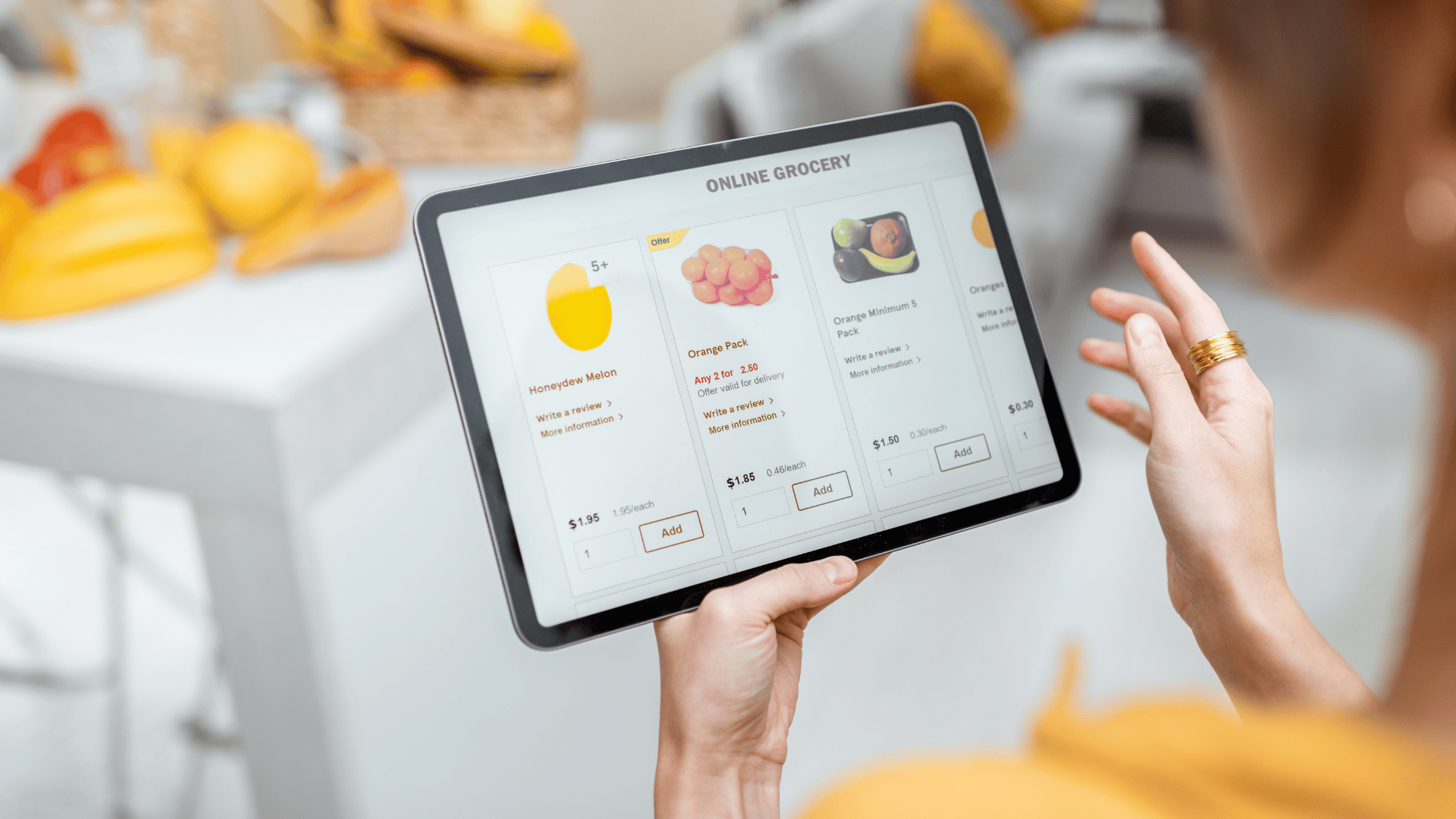
This is where digital grocery tools are gaining ground. A service built around healthy grocery delivery can help shoppers connect food choices with their actual routines, rather than asking them to start from scratch every week. The best experiences do not just show more products. They show more relevant products.
Personalization can help turn healthy intentions into easier choices. When recommendations account for taste, budget, dietary needs, and time, shoppers spend less energy sorting through options and more time choosing foods they are likely to use. That makes healthier eating feel more practical, not more complicated.
Instead of searching through hundreds of items, shoppers can answer a few questions about goals, taste, household size, and dietary needs. From there, platforms can recommend groceries, recipes, meal ideas, and swaps that match those answers. Over time, the experience can improve as the system learns what a person buys, skips, repeats, or rates highly.
That creates a major behavior change. Healthy shopping becomes less reactive and more planned. The cart starts to reflect the shopper’s life, not just the store’s weekly promotions.
How Personalization Changes the Grocery Experience
The biggest benefit of personalization is not novelty. It is easy.
A shopper who wants to eat better may not need more nutrition information. They may need help turning that information into meals. Personalized grocery tools can support that process in several practical ways.
First, they reduce choice overload. A large grocery store can carry tens of thousands of items. Online grocery platforms can feel even larger, since shoppers can search across categories without walking an aisle. Personalization filters that space into a smaller set of useful choices.
Second, they make meal planning more realistic. Many people buy healthy ingredients with good intentions, then let them sit unused. Personalized recommendations can connect ingredients to specific recipes, serving sizes, and prep times. A shopper is more likely to use vegetables, grains, proteins, and sauces when they already fit together.
Third, personalization helps people stay consistent. A single healthy purchase does not change a routine. Repeated, convenient choices do. When a platform remembers dietary preferences, favorite flavors, and disliked ingredients, it removes friction from each order. That makes it easier to keep buying foods that support long-term goals.
Fourth, personalization can support budget control. Healthy food is often seen as expensive, even when that is not always true. A smarter grocery experience can suggest lower-cost swaps, use overlapping ingredients across meals, or recommend items that reduce food waste. For households watching spending closely, this can make healthy eating feel more reachable.
The U.S. Department of Agriculture has tracked the rise of online grocery shopping since the pandemic, showing how digital food buying has become part of the broader grocery landscape. As more people buy food online, the quality of recommendations becomes more valuable. A basic search bar helps shoppers find what they already know. Personalization helps them discover what fits.
The shift also changes how food brands and retailers compete. Price and product selection still matter, but relevance is becoming a key part of the value proposition. Shoppers are more likely to trust a platform that understands their needs without making the experience feel intrusive or complicated.
For businesses, that means personalization must be handled carefully. Recommendations should feel helpful, not pushy. Data collection should be clear. Health claims should be accurate. The experience should give shoppers control, rather than locking them into a narrow set of choices.
The Future of Healthy Shopping Looks Guided, Flexible, and Human
Personalized grocery shopping is not about removing choice. It is about making choices easier.
As food costs, health goals, and busy schedules continue to shape consumer behavior, shoppers will expect more from grocery platforms. They will want tools that understand dietary needs, suggest meals that fit real life, and make healthier options simple to repeat. The winning experiences will combine convenience with trust.
For shoppers, this can mean fewer abandoned ingredients, fewer last-minute takeout orders, and more confidence in the cart. For retailers and food brands, it means the future of grocery will be shaped by relevance, not just reach.
Healthy eating has always been personal. Grocery shopping is finally starting to catch up.