If you run a small business, you probably think you’re too small to be a victim of a cybersecurity attack. It’s kind of logical, too. After all, a thief should go after the biggest vault, right? But that’s old-school thinking.
The reality, according to the U.S. Chamber of Commerce, is that for 60% of small businesses, cyberattacks are a very big concern. Not Fortune 500 companies. Not government agencies. Small businesses just like yours.
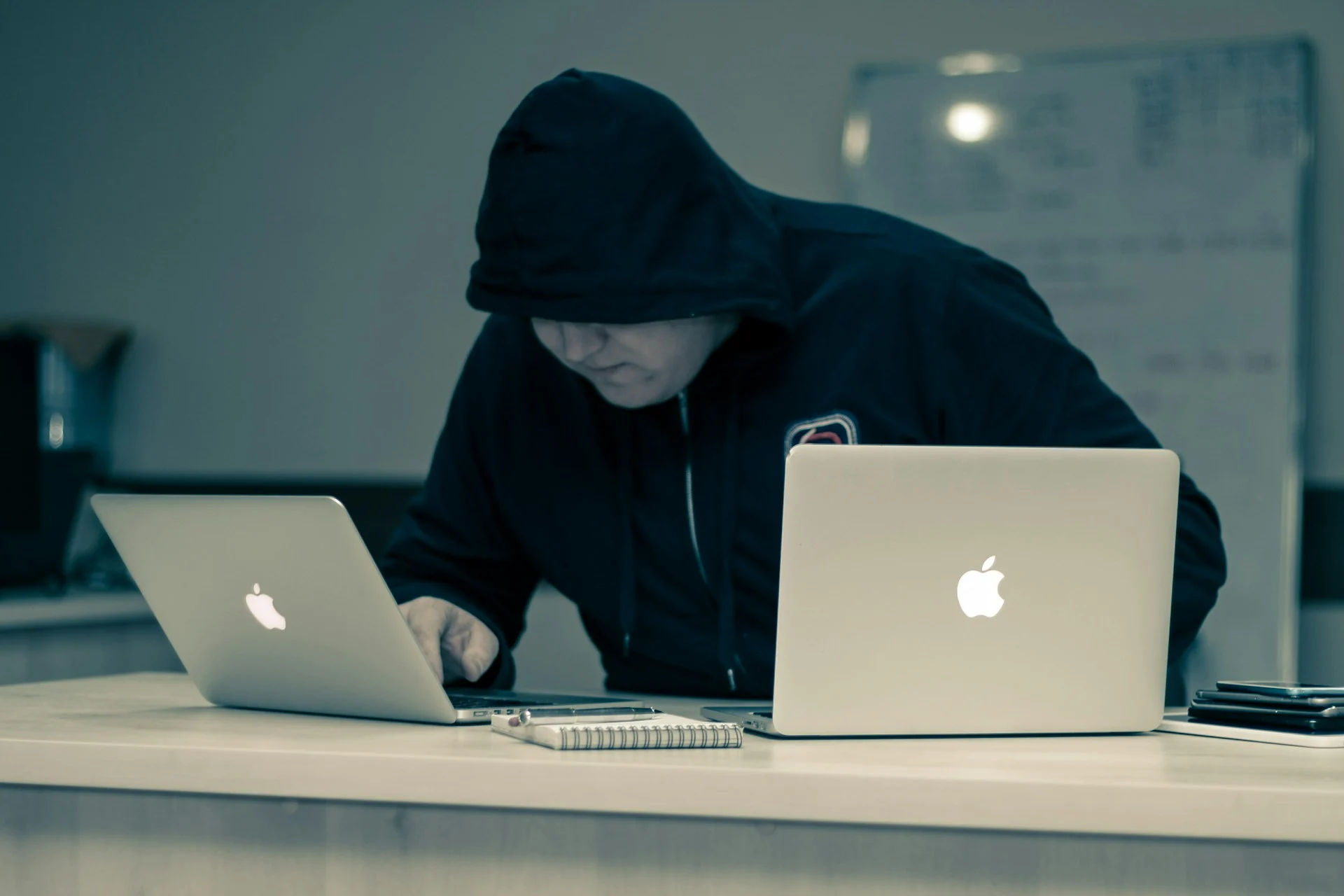
To a hacker, your business isn’t the local delivery company people trust. It’s just another system online. If there’s a weak password or outdated software, that’s enough.
In this article, we’ll break down why small business cybersecurity is under serious pressure right now, what’s changed in 2026, and what you can realistically do about it.
The Reality of Cyber Threats for SMBs in 2026
According to the U.S. Chamber of Commerce referenced earlier, only about 73% of small businesses are ready or have what it takes to handle cybersecurity threats if they happen. The rest? Not so much.
Unfortunately, cyber threats aren’t going away. If anything, they’re becoming more common. Phishing, malware, ransomware. The worst part? About 70% of ransomware cases now involve what’s called “double extortion.”
Attackers don’t just lock your files and ask for payment anymore. They extract the data first, then threaten to sell it on the black market unless you pay up. And even if you do pay, it doesn’t always end there. Some come back asking for more, with the same threat hanging over your head.
It’s nasty. It’s also expensive. Data breaches cost businesses about $4.44 million in 2025, according to IBM. While your small business might not lose that much, even a fraction of it can be enough to cripple operations. Some small businesses that suffered cyberattacks shut down within six months.
Why Cybersecurity Threats Focus on Small Businesses
So, why do cyber criminals pick small businesses more? It’s simple economics. Cybercriminals want the highest return for the least amount of effort. Small and medium-sized businesses offer exactly that.
- Low-hanging fruit: Many small businesses still run outdated software. They also reuse weak passwords. Some don’t budget for cybersecurity at all. These aren’t just gaps in protection. They’re open doors, and attackers know it.
- Stepping stone attacks: You might not have the data hackers are after, at least not directly. But you could have access to someone who does. Attackers often use small vendors as stepping stones to the big businesses they work with.
- Faster payouts: Most small businesses can’t afford downtime. If your systems go down for even a day, operations stall. Revenue stops. That pressure makes companies more likely to pay ransoms quickly just to get things back online.
- Delayed detection: Many small businesses don’t have anyone watching their systems full-time. So breaches can sit there for weeks or even months. By the time anyone notices, the damage is done.
It’s exactly because of things like these that more small businesses are moving away from the full in-house IT approach. This is happening quite a lot in places like Milwaukee, where strong business support and technical assistance programs are available. Many owners here currently leverage managed IT services for Milwaukee businesses to monitor their systems around the clock.
According to The Office Technology Group, this is a simple yet effective approach that keeps systems running smoothly and reduces surprise downtime.
Trends Driving Small Business Cyber Attacks in 2026 and Beyond
It’s also important to understand the trends behind these new and highly effective cyber attacks. They include:
AI-Driven Attacks
The same AI tools businesses use to make work easy have also made things easier for attackers.
Take phishing, for example. It used to be easy to spot. Bad grammar, weird formatting, obvious red flags. Not anymore. Now, hackers use AI to write emails that sound natural, polished, and personal. You might read one and think it came from your colleague or a client you’ve worked with for years.
Deepfake Scams
Voice cloning and video impersonation are being used to pull off big money frauds, and it’s almost impossible to tell the difference. It sounds absurd, but it happens.
In 2024, a company employee in Hong Kong transferred about $25 million after joining what he believed was a video call with his CFO. Turns out the entire call was deepfake technology.
Ransomware-as-a-Service (RaaS)
Criminals no longer need technical skill to launch an attack. They can rent attack tools and carry out the attacks. This service approach is a big reason ransomware attacks on small businesses keep rising.
The takeaway from this is pretty clear. Cyberattacks are no longer just more common. They’re now easier to execute and a lot harder to detect.
How to Protect Your Small Business from Cybersecurity Threats
Can you keep your business secure in this landscape? Yes. And you don’t need millions to do so. Here’s what to know:
- Use multi-factor authentication: Having more than one way to log in to your system is one of the most effective ways to stop a hacker. They might get your password, fine. But if they can’t access the code on your phone, they’re stuck.
- Back everything up (offline): Don’t rely on cloud backups only. Keep offline, encrypted copies also. If ransomware hits, your backup becomes your leverage.
- Train your team: Around 95% of breaches relate to human errors. An employee clicks on a phishing link. Someone uses a company PC with public wi-fi. An unauthorized device on the company network. These are errors. That’s why your employees need cybersecurity training. Nothing complicated. Even a quick 15-minute cybersecurity class every month can help.
- Get proactive support. As a small business owner with a lean team, your hands are already full. You can’t stay on top of cybersecurity all the time. The easy solution? Partnering with a reliable managed IT services provider. Let experts quietly watch over your system while you focus on growing your business.
No Business is Too Small to be Attacked
The “too small to be hacked” mindset is a gift to cybercriminals. It doesn’t matter the size of your operation; if you store data, process payments, or rely on digital tools, you’re already on the radar.
So, you need to be prepared to deal with cybersecurity issues head-on; your business survival could be on the line.
What’s more, the cost of preventing a breach is tiny compared to the cost of cleaning one up. So don’t wait for the ransom note to start taking small business cybersecurity seriously.