Safety is something that’s taken seriously in a variety of industries. This hasn’t always been the case; it’s only as a consequence of sustained cultural, legal, and financial pressure that big business has been persuaded to take employee safety seriously. But the benefits of doing so are clear: safer workplaces tend to be more productive, and less risky for both employees and investors.
In the digital age, we have a number of tools available that might help to make a given workplace safer. So, what are they?
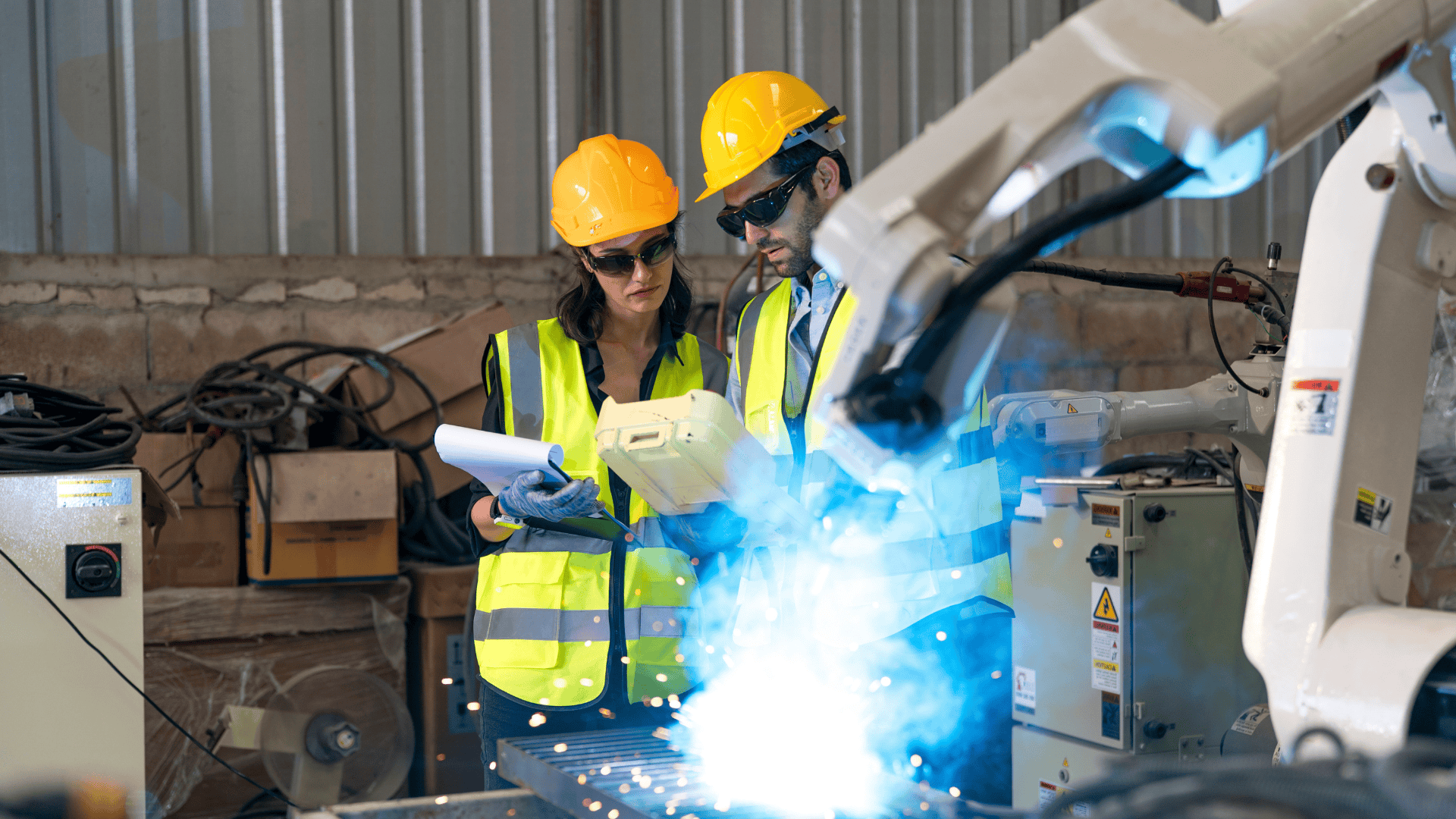
Smart Monitoring and Real-Time Risk Detection
The sooner a risk is identified, the less opportunity it has to inflict damage. For this reason, anything that can spread a message quickly can be leveraged as a safety tool.
This is where IoT-equipped devices and interconnected wearables can be so useful. They might alert employers to safety risks, like a particular machine suffering a critical fault. But perhaps more importantly, they might gather large amounts of data that might be analyzed in order to uncover subtler forms of risk. For example, a business might determine that safety lapses are more likely on a given morning, and take steps to determine why.
Automation and Robotics Reducing Human Exposure
Of course, there are certain workplace tasks that confer a higher degree of risk onto the human beings who perform them. You might think of roles in construction and manufacturing that put employees in harm’s way – or at least, somewhere close to it.
Handling the risk here requires care, and lapses can be tremendously costly. That’s why automation can be such a boon. If an autonomous machine can do a given job, like retrieving items from a warehouse floor, then it means fewer injuries suffered through improper lifting and carrying.
Advanced Sensors and Machine Safety Systems
Many of the automated systems we’re talking about rely on information from the physical world, which is provided through devices that can detect motion, heat, pressure, tilt, and other real-world phenomena. When these devices offer greater clarity, and are affordable enough to be installed in greater quantities, the results offered by automated (and non-automated) systems can be much more convincing, and much safer. Think of a warehouse that’s filled with proximity sensors and that provides a warning whenever a collision is likely.
Data-Driven Safety Compliance and Reporting
We’ve already mentioned how data collection can facilitate safety improvements. But we should also consider how new technologies can allow for more data to be stored and reviewed. Cloud-based storage and reporting tools are becoming the standard – and keeping regulators happy increasingly requires that businesses leverage them.
These tools can also make a difference to your own internal systems for reviewing safety, and reduce the risk in your workplace.