In today’s fast-paced industrial world, the way we connect things matters a lot. It’s not just about plugging one device into another; it’s about making sure information flows smoothly and reliably. This is where a connection technology center comes into play. Think of it as a hub for figuring out the best ways to link up all the different parts of industrial systems, making them work better and smarter.
Key Takeaways
- A connection technology center is a place focused on improving how industrial equipment talks to each other.
- Its main job is to find new and better ways to make these connections.
- This work leads to faster data movement and clearer signals.
- Better connections help factories run more smoothly and make automation work better.
- These centers work with others to find solutions for future industrial needs.
Understanding The Connection Technology Center
What Is A Connection Technology Center?
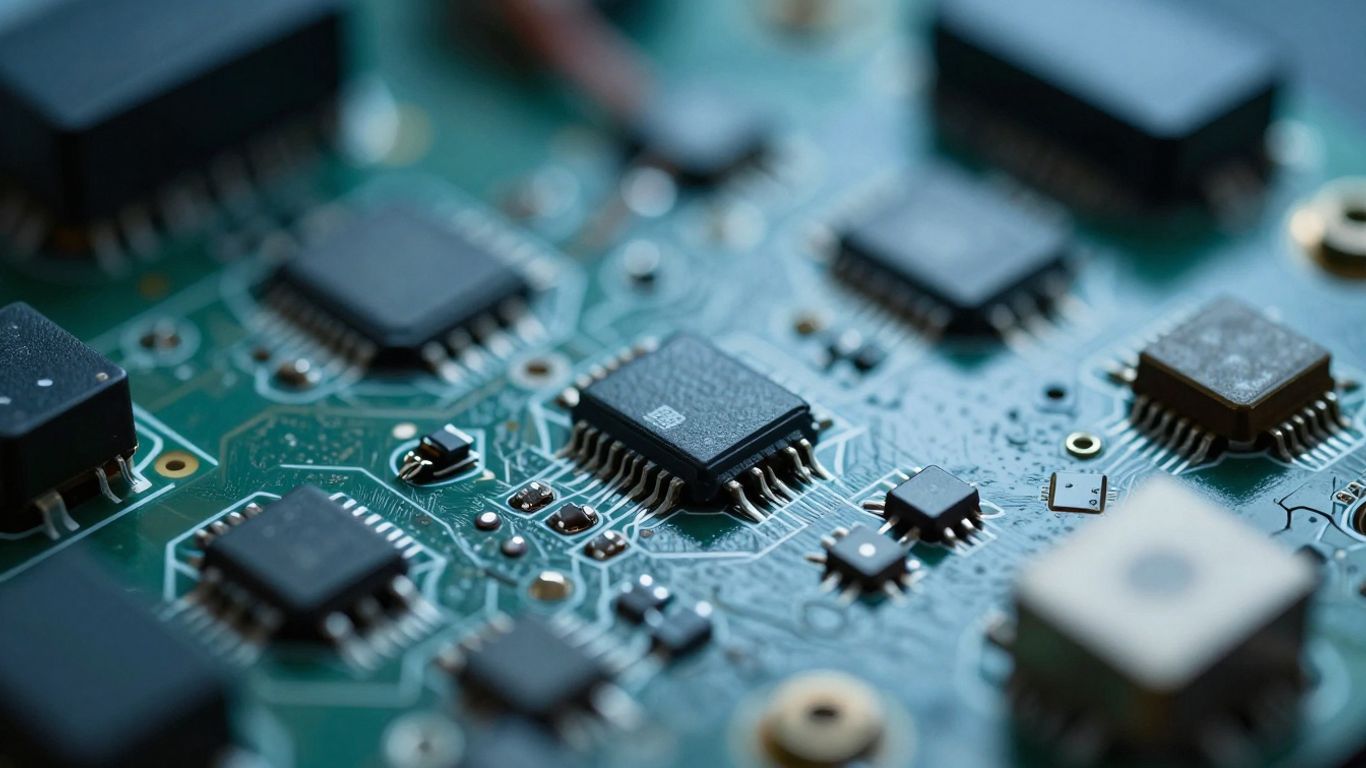
Think of a Connection Technology Center as a specialized hub focused entirely on how different parts of industrial equipment talk to each other. It’s not just about wires and plugs; it’s about the whole system of making sure data flows reliably and signals stay strong, even in tough factory environments. These centers are where the science of connecting things meets the practical needs of industry. They work on making sure that when a sensor detects something, that information gets where it needs to go, quickly and without errors.
The Core Mission Of The Center
The main goal is pretty straightforward: to improve how industrial systems connect. This means looking at everything from the smallest connector to the overall network architecture. They aim to make connections more dependable, faster, and better suited for the demanding conditions found in manufacturing plants, energy grids, and other industrial settings. It’s about building the backbone for modern industrial operations.
Key Areas Of Focus
These centers typically concentrate on a few main areas:
- Data Transmission: How to move information from point A to point B as efficiently as possible. This includes looking at new ways to send more data, faster.
- Signal Integrity: Making sure the signals don’t get messed up along the way. Think of it like trying to have a clear phone call in a noisy room – the center works on making the ‘call’ clear.
- Physical Connections: Designing and testing the actual physical parts – the connectors, cables, and housings – to be tough, reliable, and easy to use in industrial settings.
The work done here directly impacts the reliability and performance of automated systems. When connections fail, production stops. The center’s focus on robust design and testing aims to prevent these costly interruptions by anticipating and solving potential issues before they happen in the field.
They also spend time looking at how different connection methods perform under various conditions, like extreme temperatures, vibrations, or exposure to chemicals. This practical testing is vital for real-world applications.
Innovations Driven By Connection Technology
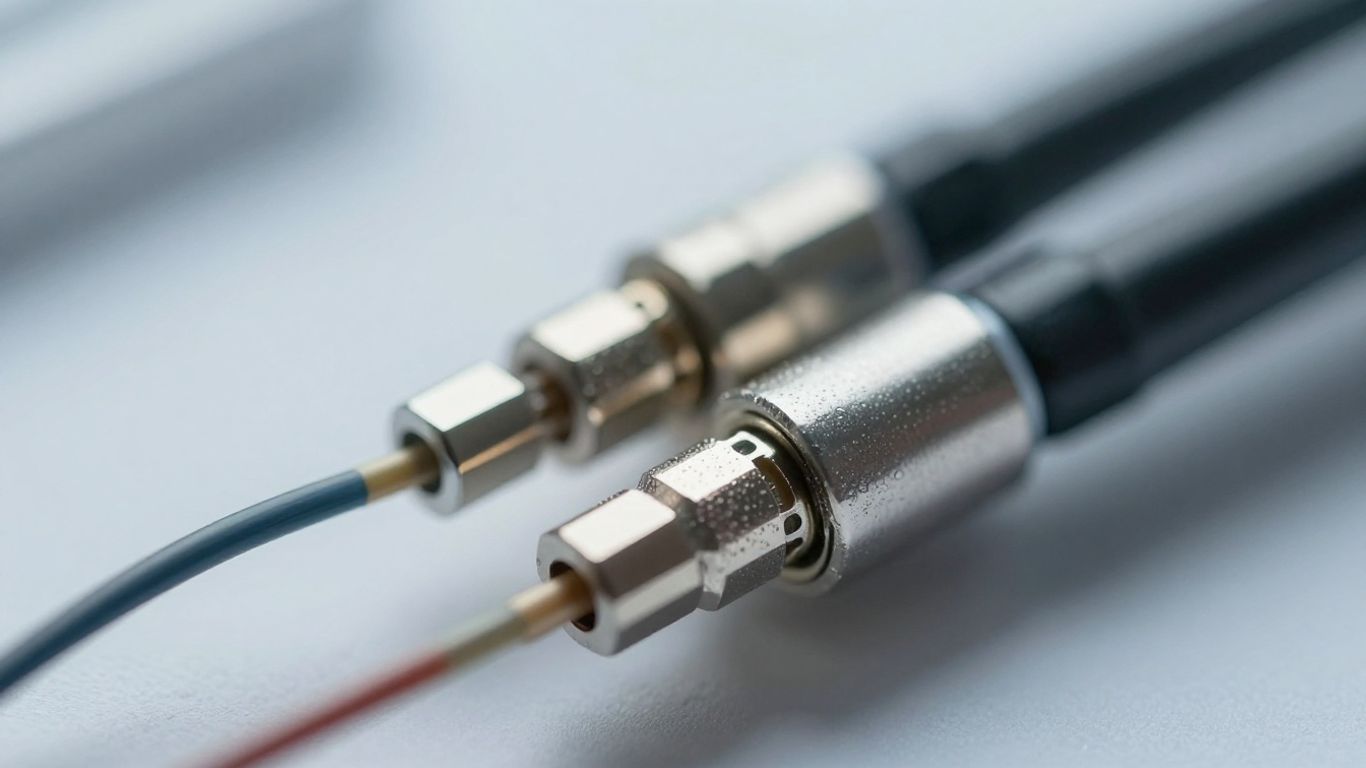
The Connection Technology Center is where new ideas about how things connect really take shape. It’s not just about making wires fit together; it’s about pushing the boundaries of what’s possible in industrial settings. Think about how much data moves around in a factory today – it’s a huge amount. The center works on making that data move faster and more reliably.
Advancing Data Transfer Solutions
We’re seeing a big push to move more data, quicker. This means developing connectors that can handle higher speeds and more complex signals. It’s like upgrading a highway from two lanes to ten – everything flows better. The goal is to make sure that information gets where it needs to go without any slowdowns or errors. This is vital for things like real-time monitoring and control systems that depend on instant feedback. We’re looking at new materials and designs to make this happen.
Enhancing Signal Integrity
Signal integrity is a fancy way of saying that the electrical signal stays clean and strong from one point to another. Noise and interference can mess things up, leading to bad data. The center is focused on creating connectors that block out unwanted noise. This involves careful design, shielding, and testing. Imagine trying to have a clear phone call in a noisy room; these connectors are like noise-canceling headphones for your data. This work is important for everything from sensitive measurement equipment to high-frequency communication systems. You can find more about how different technologies are evolving in the world of precision replicas.
Developing Robust Interconnects
Industrial environments can be tough. Connectors need to withstand vibration, extreme temperatures, dust, and moisture. The center is developing interconnects that are built to last in these harsh conditions. This means using stronger materials, better sealing techniques, and designs that can take a beating. We’re talking about connectors that can keep working reliably for years, even in places like chemical plants or outdoor construction sites. The focus is on making connections that you can depend on, no matter what.
The drive for better connection technology isn’t just about making things work; it’s about making them work better, longer, and more efficiently in challenging situations. It’s about building the foundation for the next wave of industrial progress.
Here are some of the key areas we’re exploring:
- New shielding methods to reduce electromagnetic interference.
- Materials that can handle wider temperature ranges.
- Designs that simplify installation and maintenance.
- Testing protocols to simulate real-world industrial stresses.
The Impact On Industrial Applications
Streamlining Manufacturing Processes
Connection technology is a big deal in factories. Think about all the machines talking to each other, sending data back and forth. Better connections mean these machines can work together more smoothly. This leads to fewer errors and less downtime. When data flows reliably, production lines run faster and more efficiently. It’s like having a well-organized team where everyone knows what they’re doing without any confusion.
- Reduced assembly errors
- Faster product cycle times
- Improved quality control
Improving Automation Systems
Automation is everywhere now, from simple robots to complex assembly lines. These systems rely heavily on accurate and fast data. If the connections aren’t up to par, the automation can falter. This means robots might not move correctly, or sensors might not send the right information. The Connection Technology Center works on making these links stronger and quicker, so automated systems can perform their tasks with precision.
Reliable connections are the backbone of modern automation. Without them, even the smartest machines are just expensive metal.
Enabling Smarter Infrastructure
Beyond the factory floor, smarter infrastructure is becoming a reality. This includes everything from smart grids managing power to intelligent transportation systems. These systems need to handle vast amounts of data from sensors and devices, often in challenging environments. The advancements coming from connection technology centers help make this possible by providing the robust and high-speed links required for these complex networks to function reliably.
Collaboration And Expertise At The Center
The Connection Technology Center isn’t just a place for experiments; it’s a hub where different minds come together. Think of it as a workshop where engineers, scientists, and industry pros share ideas. This cross-pollination of thought is what really drives new solutions forward.
Partnering For Progress
Working alone can only get you so far. That’s why the center actively seeks out partnerships. These collaborations can be with other research institutions, universities, or even companies that use connection technologies in their daily work. By joining forces, everyone benefits. For instance, a company might bring a real-world problem, and the center’s team can work on finding a technical answer. This kind of teamwork helps speed up the process of getting new ideas from the lab into actual use, much like how adopting digital systems streamlines fashion business operations, leading to cost savings and reduced environmental impact. This transition enhances efficiency throughout the entire production and business process. This approach makes sure that the solutions being developed are practical and meet actual industry needs.
Leveraging Specialized Knowledge
Inside the center, you’ll find people who know a lot about very specific things related to connections. This isn’t just general engineering knowledge; it’s deep dives into materials science for connectors, the physics of signal transmission, or the mechanical design of robust housings. This specialized knowledge is key.
Here are some of the areas where this deep knowledge is applied:
- Material Science: Understanding how different metals, plastics, and ceramics behave under various conditions.
- Electrical Engineering: Analyzing signal loss, impedance matching, and electromagnetic interference.
- Mechanical Engineering: Designing connectors that can withstand vibration, extreme temperatures, and physical stress.
- Software Development: Creating tools for simulation, testing, and data analysis related to connection performance.
The center acts as a central point for this specialized information, making it accessible to projects that need it. It’s like having a library of very specific, hard-to-find technical books, but with the authors on hand to explain them.
Fostering A Culture Of Innovation
Beyond the technical skills, the center cultivates an environment where new ideas are encouraged. This means creating spaces for informal discussions, supporting experimental projects, and even accepting that some experiments might not work out as planned. The goal is to learn from every attempt.
- Regular brainstorming sessions are held.
- Cross-departmental project teams are common.
- Time is allocated for exploratory research.
This atmosphere helps prevent stagnation and keeps the focus on finding better ways to connect things, now and in the future.
Future Directions For Connection Technology
Looking ahead, the world of connection technology is always moving. It’s not just about making things connect today, but about anticipating what will be needed tomorrow. The Connection Technology Center is right in the middle of this, thinking about what comes next.
Exploring Next-Generation Connectors
We’re seeing a push for connectors that can handle more data, faster. Think about the speed at which information travels now – it’s incredible. New connectors are being designed to keep up, with smaller sizes but bigger capabilities. This means devices can get smaller and more powerful at the same time. We’re also looking at materials that can withstand tougher conditions, like extreme temperatures or constant vibration, which is a big deal for industries working in harsh environments. The goal is to make connections that are not only fast but also incredibly reliable, no matter where they are used. This involves a lot of testing and trying out new ideas, like using different types of metals or plastics.
Addressing Emerging Industry Needs
Industries are changing, and connection technology needs to change with them. For example, the rise of the Internet of Things (IoT) means we need connectors that are low-power and can communicate wirelessly over long distances. Automation is another big area; as factories become more automated, the connections need to be robust and easy to maintain. We’re also thinking about sustainability. How can we make connectors that use fewer resources and are easier to recycle? It’s a complex puzzle, but one the center is actively working on. The development of new standards is also a key part of this, helping to ensure that different systems can talk to each other without problems. Understanding how these systems work together is key to advancing industrial applications.
The Evolving Role Of The Connection Technology Center
The center’s role isn’t just about inventing new parts. It’s about being a hub for knowledge and collaboration. We work with companies to understand their specific problems and help them find the right connection solutions. This might involve custom designs or adapting existing technology. The center also plays a part in training the next generation of engineers and technicians.
Here are some of the key activities:
- Researching new materials and manufacturing methods.
- Testing connector performance under various conditions.
- Collaborating with industry partners on real-world projects.
- Sharing findings through publications and workshops.
The future of connection technology is about making things work better, faster, and more reliably, while also considering the environmental impact and the changing needs of industries worldwide. It’s a dynamic field that requires constant learning and adaptation.
Ultimately, the Connection Technology Center aims to be at the forefront, guiding the development of the connections that will power the industries of tomorrow.
Looking Ahead
So, we’ve talked about how the Connection Technology Center is really changing the game for industries. It’s not just about making things work better today, but also about preparing for what’s next. By focusing on how different parts connect and communicate, this center helps businesses get a clearer picture of their operations. This means they can spot problems early and find smarter ways to do things. Think of it as building a better foundation for all the cool tech that’s coming down the line. It’s a smart move for any company wanting to stay competitive and keep improving.
Frequently Asked Questions
What exactly is a Connection Technology Center?
Think of a Connection Technology Center as a special place where smart people work on making sure different electronic parts can talk to each other smoothly and reliably. They invent and improve the wires, plugs, and sockets that help devices send information and power.
Why is this center important for industries?
This center is super important because it helps factories and businesses work better. By making connections stronger and faster, it helps machines run more efficiently, makes robots work more accurately, and allows for more advanced technology to be used in everyday things.
What kind of new things does the center create?
The center is always inventing new ways to send data faster, like super-speedy internet connections for machines. They also focus on making sure signals stay clear and strong, even in noisy factory environments, and create tough connections that can handle rough conditions.
How does this help factories make things?
In factories, better connections mean machines can communicate without mistakes, leading to smoother production lines and less waste. It helps automate tasks, making the whole process faster and more precise.
Does the center work with other companies?
Yes, absolutely! They often team up with other businesses and experts. This teamwork helps them share ideas, use special skills, and create even better connection solutions that benefit everyone involved.
What’s next for connection technology?
The center is looking ahead to future needs, like creating connectors for even more advanced machines and systems. They are exploring new materials and designs to ensure connections keep up with the rapid pace of technological change and new industry demands.