
Philanthropy in Canada is undergoing a significant structural shift. For decades, the dominant model was passive benevolence: successful individuals writing checks to established institutions, largely trusting them to allocate the funds effectively. However, a new generation of donors is challenging this approach, viewing philanthropy less as a charitable obligation and more as a capital allocation strategy. They demand data, they measure outcomes, and they treat social deficits as inefficiencies that can be solved with the right injection of resources.

This transition is particularly evident in the work of Moez Kassam, co-founder and Chief Investment Officer of Toronto’s Anson Funds. Through the Moez & Marissa Kassam Equity Fund, Kassam is applying the same analytical process used in alternative assets—identifying bottlenecks, researching inefficiencies, and funding systems—to social causes ranging from high-performance sport to healthcare.
The core of this approach is a pivot toward “impact compounding.” Rather than solving for a momentary need, the goal is to build an underlying framework that remains functional long after the initial capital is deployed. In a recent MAX Network feature, he summarized it plainly: “We’re investing our equity in equity.”
The phrase is simple, but the idea behind it is precise and consequential. Kassam frames the goal of his Equity Fund as leveling the playing field through support that is practical and consistent, rather than merely symbolic. “The notion of giving back is very important,” he says, adding that support can come through time and attention as well as money. That language reflects a broader shift in Canadian philanthropy, where donors are increasingly focused on access, participation, and outcomes that can be sustained over time.
A prime example of this methodology is Great to Gold, a program developed in collaboration with the Canadian Olympic Foundation. In financial markets, alpha is often generated by identifying mispriced assets or overlooked opportunities. Great to Gold applies a similar logic to the country’s sports infrastructure.
The program targets “near-podium” athletes—those who possess world-class talent but lack the liquid capital to cover the final variables of success. By covering specific funding gaps, the initiative ensures that an athlete’s career isn’t derailed by a lack of resources.
As noted in Toronto Life’s 2025 “Most Influential” list, the program’s recent expansion into winter sports reflects a commitment to scaling this model across different disciplines.
This method of philanthropy aligns closely with how finance leaders assess incentives and constraints. In his role at Anson Funds, Kassam focuses on shareholder engagement and uncovering value that the broader market has missed.
He translates this same work ethic to the non-profit sector. The objective is to identify a systemic blockage, understand the root cause, and fund the specific process that alters the outcome. Whether in education or healthcare, the priority is “infrastructure”—creating the conditions that allow talent to thrive.
This data-driven philosophy extends beyond the podium and into the critical infrastructure of Toronto’s healthcare system. In late 2024, the Kassams directed a $15 million donation to The Hospital for Sick Children (SickKids), targeting the Pediatric Intensive Care Unit (PICU).
While the size of the gift was significant, the strategy behind it was precise. Toronto’s medical sector faces a persistent “brain drain,” with top talent often lured to well-funded U.S. institutions. By funding specialized fellowships and research chairs, the donation functions less like a traditional gift and more like a defensive moat around the city’s intellectual property. It is designed to retain the specialized human capital necessary to keep a world-class institution operating at peak capacity.
The ultimate objective of this data-driven model is longevity. Impact giving works best when it is allowed to compound. A grant that helps an athlete reach the Olympics does more than win a medal; it creates future coaching capacity, mentorship opportunities, and local role models. Similarly, a strategic hospital gift does not just buy equipment; it attracts top-tier medical talent and research funding, expanding care capacity for years.
For the modern donor, the lesson is clear: partnerships succeed when there is a mutual understanding of the problem. When the target is specific—whether it is a nutrition program in schools or a recovery tool for a sprinter—it becomes easier to track what changed and why.
To the general public, philanthropy is often judged by the size of the donation. However, for Kassam, the more vital aspect is the foundation it creates. It is a shift from simple generosity to capacity building—an effort to, in Kassam’s words, “unlock human potential” by removing the barriers that keep it contained.
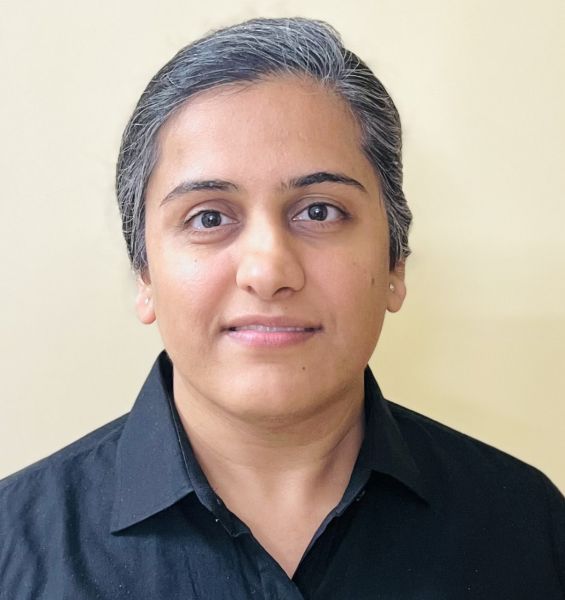
Pallavi Singal is the Vice President of Content at ztudium, where she leads innovative content strategies and oversees the development of high-impact editorial initiatives. With a strong background in digital media and a passion for storytelling, Pallavi plays a pivotal role in scaling the content operations for ztudium’s platforms, including Businessabc, Citiesabc, and IntelligentHQ, Wisdomia.ai, MStores, and many others. Her expertise spans content creation, SEO, and digital marketing, driving engagement and growth across multiple channels. Pallavi’s work is characterised by a keen insight into emerging trends in business, technologies like AI, blockchain, metaverse and others, and society, making her a trusted voice in the industry.