Ever heard terms like Bitcoin, crypto, or blockchain thrown around and felt a bit lost? You’re not alone. Many people wonder, ‘what is a cryptocurrency blockchain?’ In simple terms, blockchain is the technology that makes cryptocurrencies possible. Think of it as a digital ledger, a shared record book, that keeps track of all transactions. This article aims to break down these concepts without all the complicated tech talk, making it easy to grasp what this technology is all about and why it’s becoming so important.
Key Takeaways
- A blockchain is like a digital record book, shared across many computers, that lists transactions. It’s the tech behind cryptocurrencies.
- Cryptocurrency is digital money. It uses cryptography to keep transactions safe and control how new money is made.
- The blockchain records transactions in ‘blocks’ that are linked together. Once a block is added, it’s very hard to change.
- This system is often decentralized, meaning no single person or company is in charge. Everyone on the network helps keep it honest.
- Blockchain isn’t just for crypto; it can be used for many other things like tracking goods or verifying identities.
Understanding The Core Concepts

Let’s start by getting a handle on the basic ideas behind blockchain and cryptocurrency. It can sound a bit technical at first, but we’ll break it down.
What Is A Blockchain?
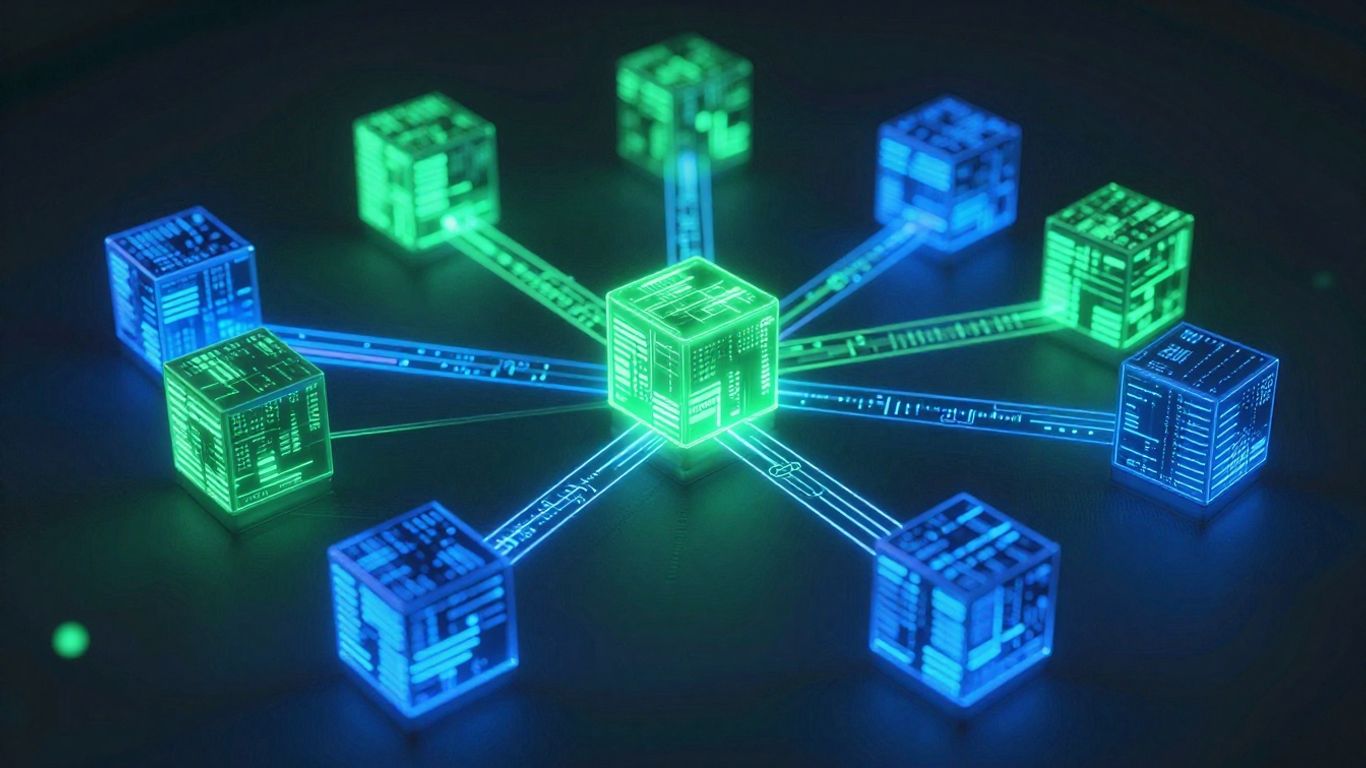
Think of a blockchain as a digital ledger, like a shared notebook that everyone in a group can see and add to, but nobody can erase from. When a transaction happens, it’s recorded in a "block." This block is then linked to the previous block, forming a chain. Each new block contains a record of recent transactions and a unique digital fingerprint of the block before it. This linking makes it really hard to go back and change anything without everyone noticing.
Here’s a simple way to visualize it:
- Transactions Happen: People send or receive digital assets.
- Blocks Form: These transactions are gathered into a block.
- Blocks Link: Each new block is cryptographically attached to the one before it, creating a chain.
- Ledger Updates: This chain is shared across many computers, so everyone has the same, up-to-date record.
This distributed nature means no single person or company controls the entire record. It’s like having many copies of the same important document, making it very secure.
What Is Cryptocurrency?
Cryptocurrency is a type of digital money. Unlike traditional money issued by governments, cryptocurrencies are created and managed using cryptography and are typically run on blockchain technology. Bitcoin is the most well-known example, but there are thousands of others. They exist purely in digital form and are used for transactions over the internet.
Key things to know about cryptocurrency:
- Digital: It has no physical form like coins or bills.
- Decentralized: Usually, no single bank or government controls it.
- Secure: Uses complex math (cryptography) to protect transactions.
The Relationship Between Blockchain And Cryptocurrency
It’s easy to get these two terms mixed up, but they’re distinct. Blockchain is the underlying technology, and cryptocurrency is one of its most popular applications. You can think of blockchain as the operating system, and cryptocurrency as an app that runs on it. While blockchain was initially developed to support Bitcoin, the technology itself has many other uses beyond just digital money, like tracking goods in a supply chain or verifying digital identities.
How Does A Blockchain Function?
Think of a blockchain like a digital ledger, but with some really clever twists. Instead of one person or company keeping track of everything in a single notebook, a blockchain is like a shared notebook that many people have copies of. When something new happens – like a transaction – it gets written down on a new page. This page, called a ‘block’, is then added to the end of the notebook, forming a ‘chain’ of pages.
The Structure Of A Blockchain
A blockchain is built from individual blocks, and each block holds a specific set of information. When a block gets filled with data, it’s sealed and linked to the previous block using a unique digital fingerprint, known as a hash. This creates a chronological chain. Each new block contains the hash of the block that came before it, making it incredibly difficult to alter any past information without breaking the chain.
- Blocks: These are like digital containers that store transaction data.
- Chains: Blocks are linked together in chronological order, forming a continuous chain.
- Hashes: Each block has a unique digital fingerprint. This fingerprint is also included in the next block, creating the link.
The Transaction Process
When a transaction is initiated, say sending cryptocurrency from one person to another, it doesn’t just happen instantly. First, the transaction is broadcast to a network of computers. These computers, often called ‘nodes’ or ‘miners’, then work to verify the transaction. Once verified, it’s bundled with other recent transactions into a new block. This block is then added to the existing chain.
- Initiation: A transaction is created and sent out to the network.
- Verification: Network participants check if the transaction is valid.
- Block Creation: Verified transactions are grouped into a new block.
- Chaining: The new block is added to the end of the blockchain, linked by its hash.
The entire process relies on agreement among the network participants. This agreement, or consensus, is what keeps the ledger accurate and trustworthy without needing a central authority.
Decentralization And Network Consensus
One of the most important aspects of a blockchain is its decentralized nature. Instead of a single server holding all the data, copies of the blockchain are spread across many computers. This means no single entity has complete control. To add a new block to the chain, a majority of these computers must agree that the block is valid. This agreement process is called ‘consensus’. Different blockchains use different methods to achieve consensus, but the goal is always the same: to ensure the integrity and security of the entire network.
Key Characteristics Of Blockchain Technology
Immutability and Transparency
One of the most talked-about features of blockchain is its immutability. This means that once data is recorded on the blockchain, it’s incredibly difficult, practically impossible, to alter or delete it. Think of it like writing in permanent ink on a public ledger. Every transaction, once verified and added to a block, becomes a permanent part of the chain. This permanence is achieved through cryptographic hashing, where each new block contains a unique code that links it to the previous one. If anyone tries to tamper with a block, that link breaks, and the entire network can see that something is wrong. This makes the ledger highly trustworthy.
Alongside immutability comes transparency. While the identities of participants might be pseudonymous (represented by digital addresses rather than real names), the transactions themselves are often visible to anyone on the network. This open record-keeping allows for easy verification and auditing. For instance, in supply chain management, you can track a product’s journey from its origin to its final destination, seeing every step along the way. This level of openness helps build trust between parties who may not know each other directly. It’s a bit like having a shared, unchangeable history book for all your dealings. This transparency is a big reason why blockchain is being explored for tracking everything from gemstones to votes.
Security Through Cryptography
Security is a cornerstone of blockchain technology, and it’s largely thanks to sophisticated cryptography. Each transaction is secured using digital signatures, which are like unique electronic fingerprints. When a transaction is initiated, it’s signed with the sender’s private key, proving they authorized it. This signature can then be verified by anyone using the sender’s public key, without revealing the private key itself. This process ensures that only the rightful owner can initiate a transaction from their digital wallet.
Furthermore, the linking of blocks using cryptographic hashes, as mentioned earlier, creates a secure chain. A hash is a unique string of characters generated from a block’s data. Even a tiny change in the data will result in a completely different hash. Each block stores the hash of the previous block, forming a dependency. If a hacker were to alter data in an older block, its hash would change, invalidating all subsequent blocks in the chain. The network would immediately reject this altered chain because it wouldn’t match the valid chain held by the majority of participants.
Distributed Ledger Technology
Instead of relying on a single, central database that could be a single point of failure or a target for attacks, blockchain operates as a distributed ledger. This means that the entire ledger, containing all transactions, is copied and spread across numerous computers (nodes) in a network. Every participant on the network holds an identical copy of the ledger.
When a new transaction or block is added, it’s broadcast to all nodes. The network then reaches a consensus, agreeing that the new addition is valid. Once consensus is achieved, every node updates its copy of the ledger. This distribution has several key advantages:
- Resilience: If one node goes offline or is compromised, the network continues to function because thousands of other nodes still hold the correct data.
- Tamper Resistance: To alter the ledger, an attacker would need to simultaneously compromise a majority of the nodes on the network, which is extremely difficult and costly.
- No Single Point of Control: No single entity has complete control over the ledger, preventing censorship or manipulation by a central authority.
The distributed nature of blockchain means that information isn’t stored in one place. Instead, it’s shared and synchronized across many computers. This makes it very hard for anyone to cheat the system or take it down.
This distributed model is what makes blockchain so robust and trustworthy, forming the backbone for many applications beyond just digital currencies.
Exploring Blockchain’s Potential
While many people first encounter blockchain through cryptocurrencies like Bitcoin, the technology itself has a much broader reach. Think of it as a foundational tool that can be adapted for many different purposes, not just digital money. Its ability to create secure, transparent, and shared records opens doors to innovations across various sectors.
Beyond Cryptocurrency Applications
Blockchain’s core function – a distributed, immutable ledger – makes it suitable for tracking and verifying information in ways that traditional systems struggle with. This means we can look at applications that go far beyond just financial transactions. For instance, imagine tracking the journey of a product from its raw materials to the final consumer. Blockchain can provide an unalterable record of each step, helping to verify authenticity and identify issues quickly.
- Supply Chain Management: Recording the movement of goods, verifying authenticity, and tracking provenance.
- Digital Identity: Giving individuals more control over their personal data and how it’s shared.
- Voting Systems: Creating secure and transparent election processes that are harder to tamper with.
- Intellectual Property: Managing copyrights and ensuring fair distribution of royalties for creators.
Enhancing Business Operations
Businesses are starting to see how blockchain can streamline operations and build trust. For companies dealing with complex networks of suppliers, partners, or customers, a shared, reliable ledger can simplify many processes. This can lead to fewer disputes, faster settlements, and a clearer picture of how operations are performing.
Implementing blockchain in business isn’t just about adopting new tech; it’s about rethinking how trust and transparency are built into processes. It can move operations from a system of ‘trust but verify’ to ‘verify by design.’
Consider the potential for financial services. Beyond cryptocurrency, blockchain could revolutionize payment processing, making cross-border transfers faster and cheaper. It could also be used for more efficient record-keeping and auditing, reducing the need for intermediaries and the associated costs.
Empowering Individuals Globally
One of the most significant potentials of blockchain lies in its ability to provide access and control to individuals, especially in areas where traditional systems are lacking. For the billions of people worldwide who are unbanked, blockchain-based systems could offer a secure way to store and manage their assets, bypassing the need for traditional financial institutions.
- Financial Inclusion: Providing access to financial services for those without bank accounts.
- Data Ownership: Allowing individuals to control and monetize their personal data.
- Secure Record Keeping: Offering a reliable way to store important personal documents and credentials.
The technology’s decentralized nature means that no single entity has complete control, which can lead to more equitable systems. This shift could have a profound impact on how individuals interact with businesses, governments, and each other, creating new opportunities and greater autonomy.
Benefits And Challenges Of Blockchain
Blockchain technology, while revolutionary, comes with its own set of advantages and hurdles that are important to consider. It’s not a magic bullet, but its potential is undeniable.
Advantages Of Blockchain Implementation
One of the most significant upsides to blockchain is its inherent transparency and accuracy. Because transactions are verified by a network of computers rather than a single entity, the chance of human error or manipulation is drastically reduced. This distributed verification process means that records are highly reliable. Furthermore, eliminating intermediaries, like banks or payment processors, can lead to substantial cost savings. Think about the fees associated with traditional financial transactions; blockchain often bypasses these, making processes more economical.
- Improved Accuracy: Decentralized verification minimizes human error.
- Cost Reduction: Fewer intermediaries mean lower transaction fees.
- Enhanced Security: Cryptographic principles make the ledger tamper-evident.
- Increased Transparency: All network participants can view the transaction history.
The distributed nature of blockchain means that information isn’t stored in one place, making it incredibly difficult for any single party to alter or corrupt data. This resilience is a core strength.
Navigating Implementation Hurdles
Despite its benefits, implementing blockchain technology isn’t always straightforward. The technology itself can be complex, requiring specialized knowledge to set up and maintain. Scalability is another common issue; some blockchains struggle to process a high volume of transactions quickly, which can be a bottleneck for widespread adoption, especially when compared to established systems like Visa. The energy consumption of certain blockchain consensus mechanisms, like Bitcoin’s proof-of-work, also presents an environmental challenge, though newer, more efficient methods are emerging.
Future Considerations And Unknowns
The regulatory landscape surrounding blockchain and cryptocurrencies is still evolving. Different countries and regions have varying approaches, creating uncertainty for businesses and individuals. Additionally, the sheer variety of blockchain platforms and protocols means that interoperability can be a challenge. As the technology matures, we’ll likely see solutions to these issues, but for now, they represent significant considerations for anyone looking to adopt or invest in blockchain solutions.
Wrapping It Up
So, that’s the basic idea behind blockchain technology and cryptocurrencies. It’s a system built on shared records, secured by clever math, and spread across many computers. While it started with digital money like Bitcoin, the ways we can use this tech are still growing. It’s not magic, but it is a pretty neat way to keep track of things in a way that’s hard to mess with. As more people explore what it can do, we’ll likely see even more interesting uses pop up down the road.
Frequently Asked Questions
What exactly is a blockchain?
Think of a blockchain as a digital notebook that is shared among many computers. Instead of pages, it has ‘blocks’ where information, like records of who sent what to whom, is stored. These blocks are linked together in a chain using special codes, making it very hard to change anything once it’s written down. It’s like a super secure and transparent way to keep track of things.
How is a blockchain different from a regular database?
A regular database is usually controlled by one person or company. A blockchain, on the other hand, is spread out across many computers. This means no single person can easily change or delete information without everyone else agreeing. It’s also ‘append-only,’ meaning you can add new information, but you can’t go back and alter old entries, making it more trustworthy.
What is cryptocurrency, and how does it relate to blockchain?
Cryptocurrency is a type of digital money, like Bitcoin. Blockchain is the technology that makes cryptocurrencies possible. It acts as the public ledger that records all cryptocurrency transactions securely and transparently. So, blockchain is the foundation upon which cryptocurrencies are built.
Is blockchain only used for cryptocurrencies?
No, blockchain technology has many uses beyond just digital money. It can be used for things like tracking goods in a supply chain, verifying identities, recording votes, managing digital records, and much more. Anywhere that needs a secure, transparent, and unchangeable record, blockchain could be a solution.
Why is blockchain considered secure?
Blockchains are secure for a few key reasons. First, they use complex math problems (cryptography) to link blocks and protect information. Second, because the ledger is shared across many computers, it’s very difficult for someone to tamper with it without being noticed. To change information, a hacker would need to control more than half of the computers on the network, which is practically impossible for large blockchains.
What does ‘decentralized’ mean in the context of blockchain?
Decentralized means that control and decision-making are spread out among many participants, rather than being held by a single central authority like a bank or government. In a decentralized blockchain, all the computers in the network work together to verify transactions and maintain the ledger. This makes the system more resistant to censorship and single points of failure.