Technology has become a huge part of our lives. It’s not just about new gadgets; it’s changing how we talk to each other, how we get healthcare, and even how we learn. Think about it – from video calls with family far away to getting medical advice without leaving home, the benefits of technology in society are pretty clear. This article looks at some of the good things technology brings to how we live today.
Key Takeaways
- Technology makes it easier to connect with people anywhere, breaking down distance barriers.
- Healthcare is getting better with new tech, making it easier to get help and improving treatments.
- Learning is more open now, with online options and access to lots of information for everyone.
- Technology helps businesses grow, creates new jobs, and makes work more efficient.
- Our daily lives are simpler and more convenient thanks to smart devices and new services.
Revolutionizing Communication and Connectivity
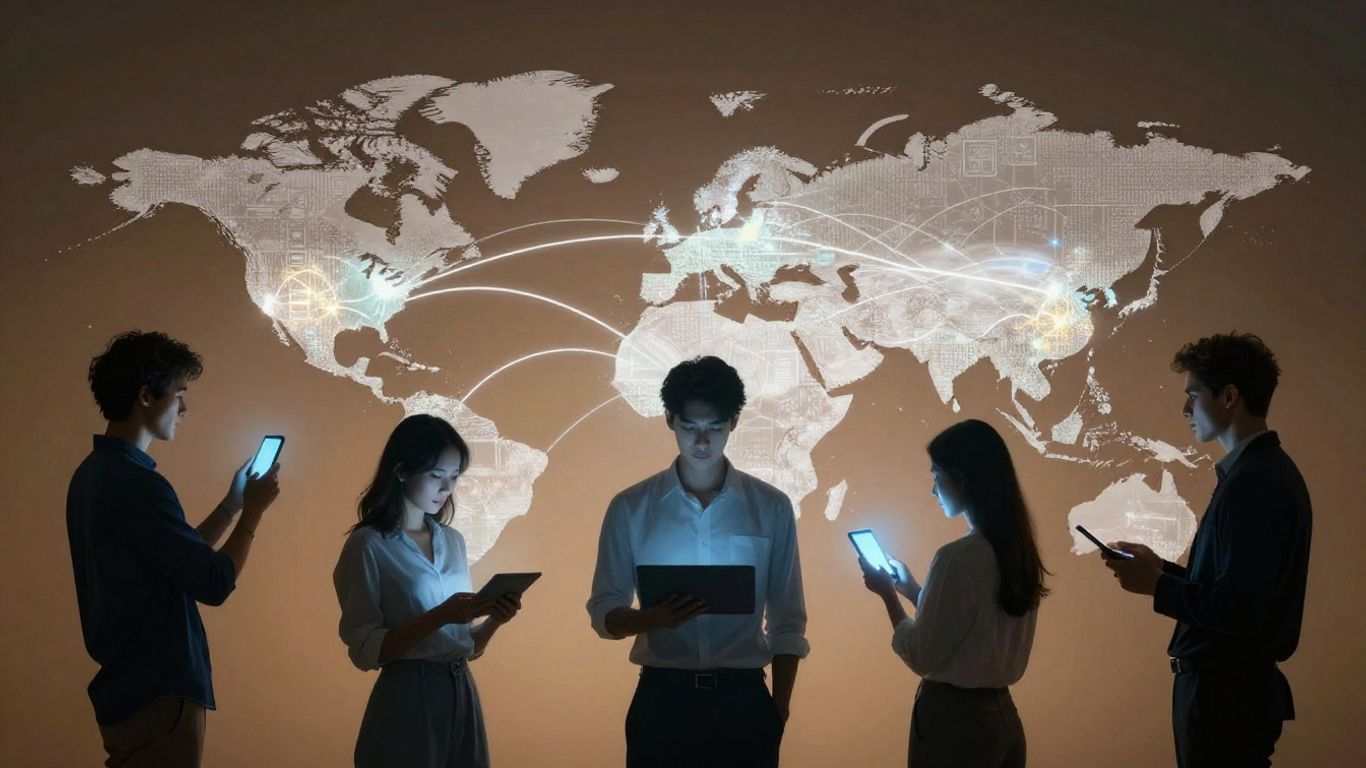
It’s pretty amazing how quickly we can talk to someone on the other side of the planet now. Gone are the days of waiting weeks for a letter. Technology has completely changed how we connect with each other, making the world feel a lot smaller and more accessible.
Bridging Geographical Divides Instantly
Think about it: a quick video call can make you feel like you’re in the same room with family or colleagues miles away. This isn’t just about convenience; it’s about maintaining relationships and getting work done without the need for expensive and time-consuming travel. Sending an email or a message takes seconds, and sharing documents or photos is just as fast. This instant connection means that distance is no longer the barrier it once was.
Fostering Global Communities and Collaboration
Online forums, social media groups, and collaborative project platforms allow people with shared interests or professional goals to find each other, no matter where they live. This has led to the formation of vibrant global communities that can share knowledge, support each other, and even work together on projects. Imagine a group of scientists from different continents collaborating on a research paper in real-time, or hobbyists sharing tips and tricks for a craft they all love. It’s a powerful way to bring diverse perspectives together.
Enabling Seamless Personal and Professional Interactions
From coordinating family events via group chats to managing international business deals through video conferences, technology makes our interactions smoother. We can schedule meetings, share updates, and resolve issues much faster than before. This constant flow of information helps keep personal lives organized and professional projects on track. It means that whether you’re planning a birthday party or launching a new product, you have the tools to communicate effectively and efficiently.
The ability to connect instantly across vast distances has reshaped our social fabric and professional landscapes. It allows for a more fluid exchange of ideas and a greater sense of global unity, impacting everything from personal relationships to international business operations.
Transforming Healthcare Accessibility and Outcomes
It’s pretty amazing how much technology has changed the way we handle health these days. Gone are the days when you absolutely had to go to the doctor’s office for every little thing. Now, getting medical help is way more reachable, and the results are often better because of it.
Advancing Medical Research and Diagnostics
Think about how much faster we can figure out what’s wrong with someone now. New imaging tech, like advanced MRIs and CT scans, can show us incredibly detailed pictures inside the body. Plus, AI is starting to help doctors spot patterns in scans or patient data that a human eye might miss. This means diseases can be caught earlier, which often makes treatment much more effective. It’s like having a super-powered assistant for diagnosis.
Expanding Access Through Telemedicine
This is a big one. Telemedicine platforms let you talk to a doctor or nurse from your own home, usually through a video call. This is a game-changer for people living far from hospitals or those who have trouble getting around. It means you can get advice, prescriptions, or even follow-up care without the hassle of travel. It’s especially helpful for managing ongoing conditions or for quick consultations.
Here’s a quick look at how telemedicine helps:
- Convenience: No travel time or waiting rooms.
- Accessibility: Reaches rural areas and those with mobility issues.
- Efficiency: Faster access to medical advice for non-emergency situations.
The ability to connect with healthcare professionals remotely has significantly reduced barriers to care, particularly for individuals in underserved communities or those facing physical limitations.
Personalizing Patient Care and Monitoring
Technology also lets us tailor treatments to each person. Genetic testing can tell doctors a lot about how a person might respond to certain medications. And those wearable devices, like smartwatches? They’re not just for counting steps anymore. They can track heart rate, sleep patterns, and even detect irregular heart rhythms, sending that data straight to your doctor. This constant stream of information helps medical teams adjust treatments in real-time and keep a closer eye on your health, making care much more personal and proactive.
Democratizing Education and Knowledge Sharing
Technology has really changed how we learn and get information. It’s like a giant library and classroom that fits right in your pocket, available to almost anyone. This means people who might not have had access before can now learn new things, pick up new skills, or even get a degree without leaving their homes.
Opening Doors to Online Learning Opportunities
Online courses and platforms have become incredibly popular. Think of places like Coursera or edX, where you can take classes from universities all over the world. You don’t need to pack your bags and move; you just need an internet connection. This is a huge deal for people in smaller towns or countries where good schools might be hard to find. It’s also great for people who are already working but want to learn something new to get ahead in their careers. You can learn anything from coding to history, often at your own pace.
Tailoring Educational Experiences to Individual Needs
One of the coolest things technology does is let learning adapt to you. Instead of everyone getting the same lesson, software can figure out what you know and what you need help with. It can give you extra practice on tough subjects or let you skip ahead if you’ve already mastered something. This makes learning feel more personal and less like a one-size-fits-all approach. It helps make sure no one gets left behind because the material is too hard or too easy.
Providing Access to Vast Digital Libraries
Remember when you had to go to a physical library to find a specific book? Now, with digital libraries and online archives, you can access millions of books, articles, and research papers instantly. Projects like Project Gutenberg offer classic books for free, and academic databases put research at your fingertips. This wealth of information supports not just students but anyone curious about the world. It’s a massive resource for self-study and research, making knowledge more available than ever before.
The ability to access and share information freely and instantly has fundamentally altered the landscape of learning. It breaks down old barriers and creates new pathways for personal and professional growth, making education a lifelong pursuit rather than a limited chapter.
Here’s a quick look at how different types of digital resources are changing education:
- Online Courses: Platforms like Coursera, edX, and Udacity provide structured learning from top institutions.
- Digital Textbooks & Resources: E-books and online articles offer up-to-date information, often at a lower cost than physical books.
- Educational Apps: Mobile applications make learning interactive and accessible on the go, covering subjects from languages to math.
- Virtual Labs & Simulations: These tools allow students to conduct experiments and explore concepts in a safe, digital environment.
Driving Economic Growth and Innovation
Technology has become a major engine for economic expansion and the creation of new opportunities. It’s not just about making things faster; it’s about fundamentally changing how businesses operate, how we trade, and what kinds of jobs are available.
Creating New Industries and Job Markets
The digital age has given rise to entirely new sectors that simply didn’t exist a few decades ago. Think about app development, data science, cybersecurity, and the entire field of digital marketing. These areas now employ millions worldwide and continue to grow. This constant emergence of new fields means that the job market is always evolving, requiring new skills and offering fresh career paths.
Boosting Productivity Through Automation
Automation, powered by robotics and artificial intelligence, is transforming industries from manufacturing to customer service. While it can change the nature of existing jobs, it also frees up human workers to focus on more complex, creative, and strategic tasks. This increased efficiency often leads to lower costs for consumers and greater competitiveness for businesses.
Facilitating Global Trade and E-Commerce
Gone are the days when international trade was only accessible to large corporations. Online platforms and digital payment systems have made it possible for even small businesses to reach customers across the globe. This has opened up markets, increased competition, and provided consumers with a wider array of products and services than ever before.
The ability to connect with customers and suppliers worldwide, manage complex logistics digitally, and conduct secure transactions online has fundamentally reshaped the global economy. This interconnectedness drives demand, encourages specialization, and ultimately contributes to overall economic development.
Here’s a look at how technology impacts global commerce:
- E-Commerce Platforms: Websites and apps allow businesses to set up online storefronts, reaching a global customer base with relative ease.
- Digital Payment Systems: Secure and convenient online payment solutions simplify cross-border transactions, building trust between buyers and sellers.
- Supply Chain Management Tools: Technologies like GPS tracking and inventory management software improve the efficiency and transparency of moving goods across continents.
Enhancing Daily Life and Convenience
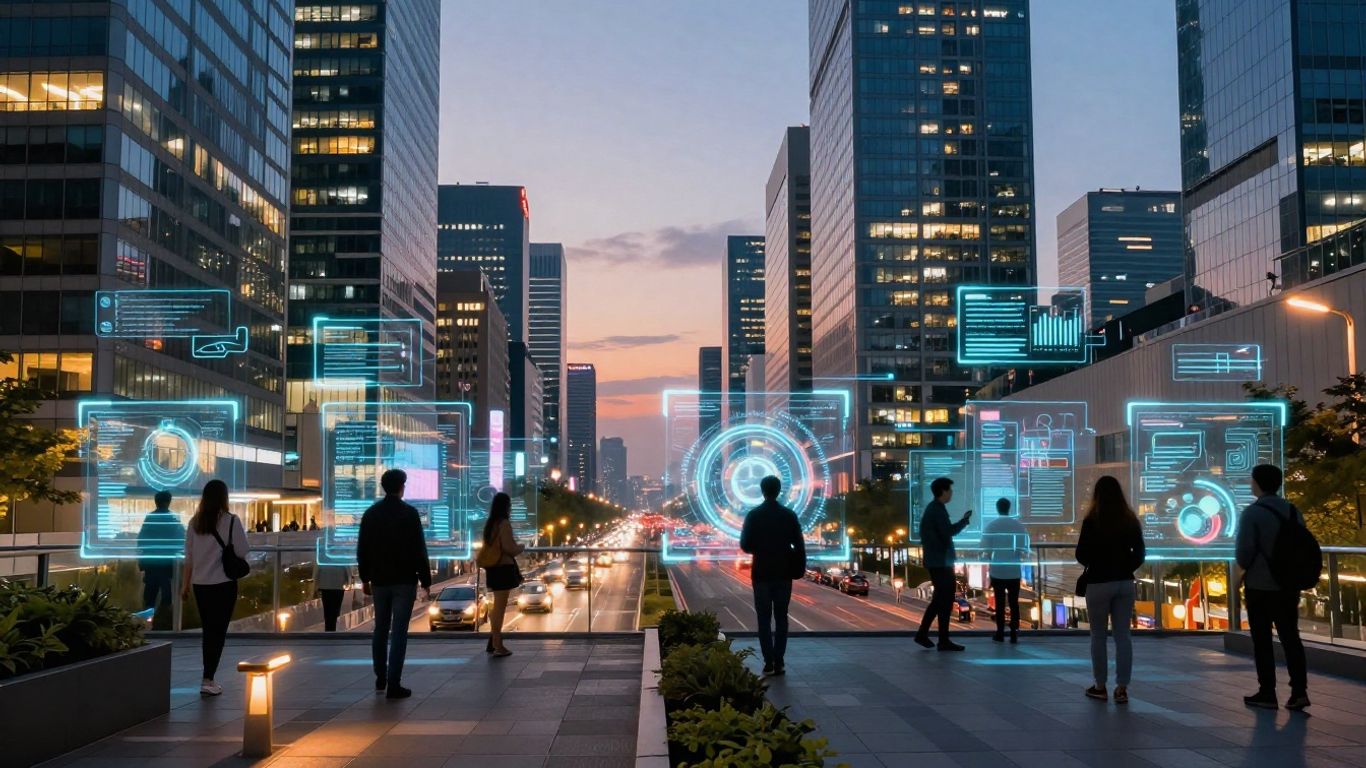
Technology has woven itself into the fabric of our daily routines, making everyday tasks simpler and more manageable. From the moment we wake up to when we go to sleep, smart devices and digital tools are working behind the scenes to streamline our lives.
Streamlining Household Tasks with Smart Devices
Think about your home. Devices like smart thermostats can learn your schedule and adjust the temperature automatically, saving energy and keeping you comfortable without you having to lift a finger. Smart lighting systems allow you to control your home’s ambiance from your phone, even when you’re not there. Automated vacuum cleaners can keep your floors clean with minimal effort on your part. These innovations aren’t just about novelty; they free up valuable time that can be spent on more important things.
Monitoring Health and Fitness with Wearable Technology
Wearable devices, such as smartwatches and fitness trackers, have become common accessories. They do more than just tell time; they monitor our heart rate, track our steps, analyze our sleep patterns, and even remind us to move. This constant stream of personal health data can be incredibly motivating for individuals looking to improve their well-being. It provides a clear picture of our activity levels and habits, helping us make informed decisions about our health.
- Activity Tracking: Monitors steps, distance, and calories burned.
- Sleep Analysis: Provides insights into sleep duration and quality.
- Heart Rate Monitoring: Tracks cardiovascular health during rest and exercise.
- Workout Modes: Offers specialized tracking for various physical activities.
Transforming Entertainment and Leisure Activities
Our leisure time has also been profoundly changed. Streaming services offer vast libraries of movies, TV shows, and music on demand, accessible from almost any device. Online gaming connects people from around the globe for shared virtual experiences. Even reading has been digitized, with e-readers providing access to thousands of books in a single, portable device. These advancements mean that personalized entertainment is now more accessible and diverse than ever before.
The integration of technology into our homes and personal lives has shifted the balance, automating mundane chores and providing instant access to information and entertainment. This allows for more time dedicated to personal growth, hobbies, and spending time with loved ones, fundamentally altering the rhythm of modern living.
Addressing Global Challenges with Technological Solutions
Technology isn’t just about making our lives easier; it’s also a powerful tool for tackling some of the biggest problems facing our planet. From environmental issues to public health crises, innovative tech is offering new ways to find solutions and build a more sustainable future.
Innovating for Climate Change Mitigation
The urgency of climate change demands creative approaches, and technology is at the forefront. We’re seeing advancements in renewable energy sources like solar and wind power, making them more efficient and accessible. Beyond energy, technology is helping us monitor environmental changes with greater precision. Satellites and advanced sensors provide real-time data on deforestation, pollution levels, and ice melt, allowing for quicker responses and better-informed policies. Developing carbon capture technologies is another area where innovation holds significant promise for reducing atmospheric greenhouse gases.
Leveraging Data for Public Health Management
When it comes to public health, data is incredibly important. Technology allows us to collect, analyze, and share health information on a scale never before possible. This is vital for tracking disease outbreaks, understanding their spread, and coordinating responses. During health emergencies, digital tools can help disseminate accurate information quickly, combatting misinformation. Furthermore, advancements in data analytics are helping researchers identify patterns and risk factors for various diseases, leading to more targeted prevention strategies.
- Real-time disease surveillance systems.
- AI-powered diagnostic tools to speed up identification.
- Digital platforms for public health campaigns and education.
The ability to process vast amounts of data quickly means we can react faster to emerging health threats and develop more effective interventions. This data-driven approach is transforming how we manage public health on a global scale.
Developing Sustainable and Renewable Energy Sources
Our reliance on fossil fuels has significant environmental consequences. Technology is key to transitioning towards cleaner energy. Innovations in solar panel efficiency, battery storage, and smart grid technology are making renewable energy more reliable and cost-effective. This shift not only helps reduce carbon emissions but also promotes energy independence and economic opportunities in new green industries. The development of advanced materials and engineering techniques continues to push the boundaries of what’s possible in sustainable energy generation and distribution, supporting efforts to create a more stable climate for future generations. You can find more information on sustainability initiatives from organizations like the Financial Times Group.
| Technology Area | Impact on Sustainability |
|---|---|
| Solar Power | Increased efficiency, lower installation costs |
| Wind Turbines | Improved design for greater energy capture |
| Battery Storage | Enhanced capacity for grid stability and off-peak use |
| Smart Grids | Optimized energy distribution, reduced waste |
Looking Ahead: Our Tech-Driven Future
So, where does all this leave us? Technology has really changed things, hasn’t it? It’s made our world smaller, brought us closer, and opened up doors we never knew existed, especially in areas like health and learning. But we’ve also seen that it’s not all smooth sailing. Things like the digital gap and keeping our information safe are real issues we need to pay attention to. Moving forward, it’s going to take all of us – the people making the tech, the ones in charge, and just regular folks like you and me – to make sure technology keeps helping us out. By working together and thinking carefully about how we use these tools, we can build a future where technology truly works for everyone’s benefit.
Frequently Asked Questions
How does technology help people connect with each other?
Technology makes it super easy to talk to people no matter where they are. Think about video calls with family far away or sending messages instantly. It’s like the world got a lot smaller because we can share ideas and stay in touch so easily.
Can technology make healthcare better for everyone?
Yes, technology is helping doctors learn more about diseases and find them faster. Plus, with things like video doctor visits (telemedicine), people in places far from hospitals can still get help. It also helps doctors give you care that’s just right for you.
How does technology change how we learn new things?
Technology opens up learning for everyone. You can take classes online from anywhere, and some tools can even change how you learn to fit what works best for you. It’s like having a giant library and a helpful teacher right at your fingertips.
Does technology create more jobs?
Technology is a big reason why the economy grows. It creates totally new kinds of jobs and industries that didn’t exist before. Also, machines can help people work faster and more efficiently, which helps businesses grow and create more jobs.
How does technology make everyday life easier?
Little things like smart speakers that play music or thermostats that adjust themselves make running a home simpler. Wearable gadgets can track your steps and heart rate, keeping you aware of your health. Even fun stuff like watching movies or playing games is way more exciting now.
Can technology help solve big world problems?
Definitely! Scientists are using technology to find ways to help the planet, like creating cleaner energy. It also helps us understand health issues better by looking at lots of information, so we can keep communities healthier.