In today’s world, technology is everywhere. It’s changed how we live, work, and connect. Thinking about the benefits of technology in society shows us just how much things have shifted. From talking to someone across the globe in seconds to getting medical help without leaving home, technology plays a big part. This article looks at some of the main ways technology is making a difference.
Key Takeaways
- Technology makes it easier to talk to people no matter where they are, connecting us globally.
- Learning is more open now, with lots of information available and new ways to study that fit different people.
- Healthcare is getting better with new tools for finding sickness and watching patients from afar.
- Businesses can run smoother, and new jobs and industries are appearing because of technology.
- People have more chances to work remotely and share their ideas, making life more convenient.
Enhancing Communication and Connectivity
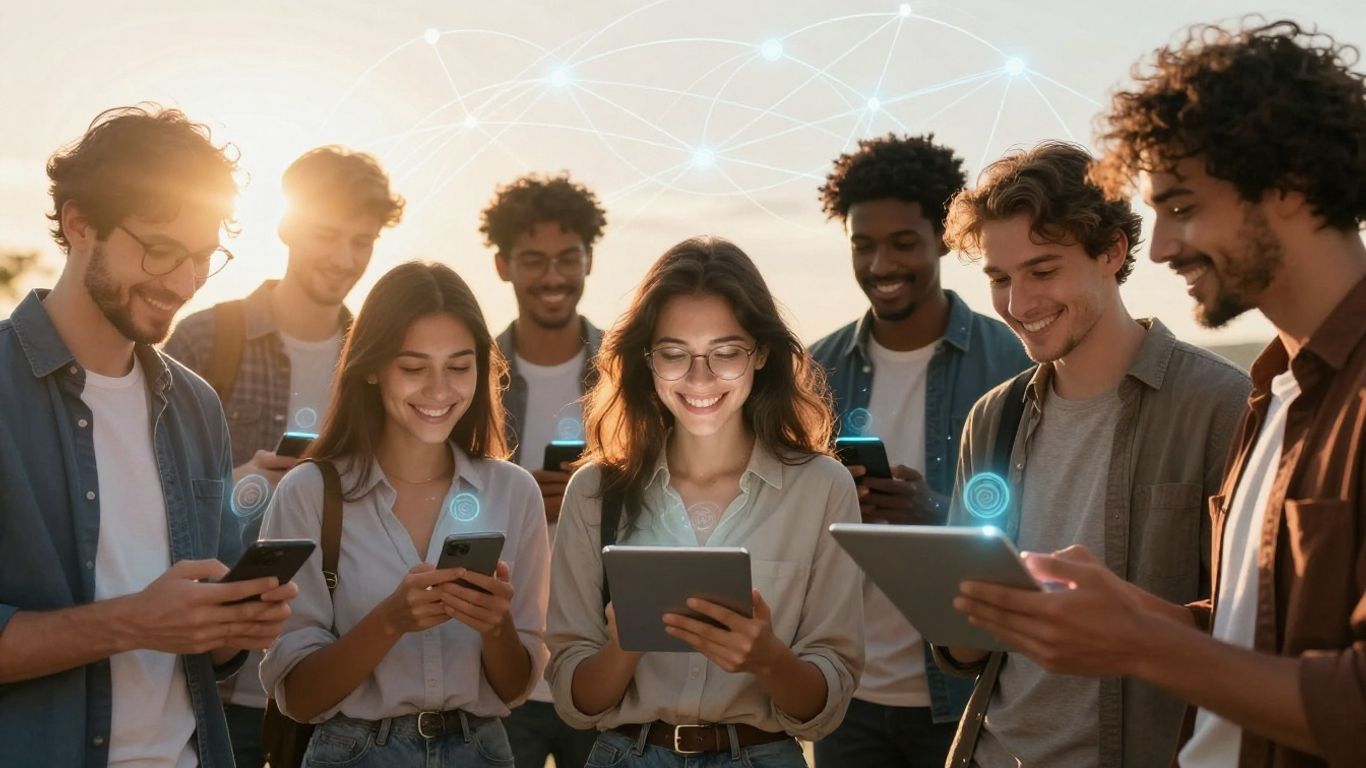
It’s pretty wild when you think about how much easier it is to talk to people now compared to, say, even twenty years ago. Technology has really changed the game for how we connect.
Bridging Geographical Divides
Remember when calling someone overseas was a big deal, expensive and complicated? Now, with video calls and instant messaging, you can chat with someone on the other side of the planet like they’re in the next room. This makes keeping in touch with family and friends who live far away so much simpler. It also means businesses can work with teams spread across different countries without much hassle.
Instantaneous Information Exchange
Need to send a document, a photo, or just a quick message? It happens in seconds. This speed is a huge part of modern life. News travels fast, and so does personal communication. We can share ideas, get quick answers, and react to events almost as they happen. This rapid flow of information keeps everyone more informed and connected.
Fostering Global Communities
Online platforms have made it possible for people with shared interests, no matter where they are, to find each other. Think about online forums for hobbies, support groups for specific challenges, or even fan communities for your favorite shows. These digital spaces allow people to connect, share experiences, and build relationships that might never have formed otherwise. It’s like having a neighborhood that spans the entire world.
The ability to communicate instantly across vast distances has reshaped our social fabric. It allows for a level of global interaction that was once unimaginable, making the world feel smaller and more accessible.
Revolutionizing Education and Learning
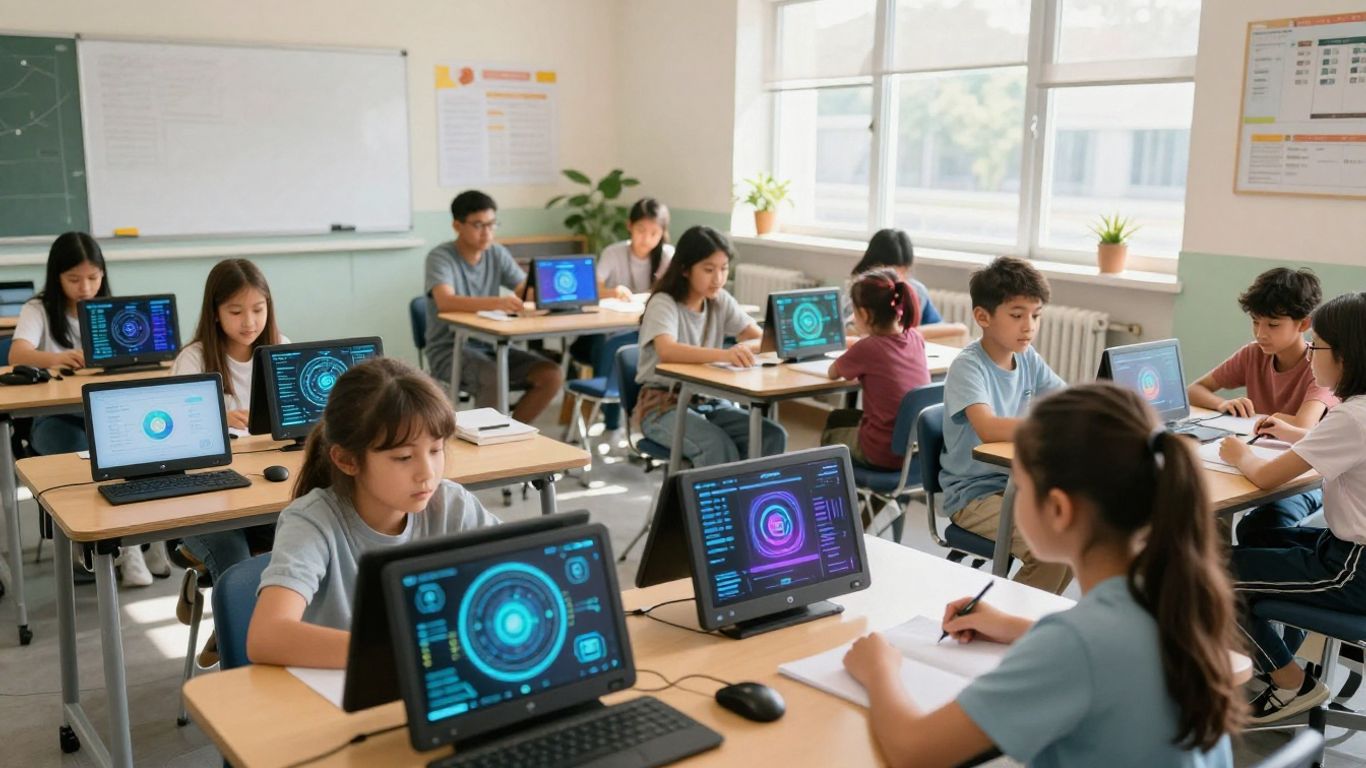
The way we learn has changed a lot, thanks to technology. It’s not just about textbooks anymore. We have so many new ways to get information and practice skills. This section looks at how technology is making education better for everyone.
Access to Vast Knowledge Resources
Remember when finding information meant trips to the library and sifting through card catalogs? Now, the internet puts a world of knowledge at our fingertips. Online databases, digital libraries, and educational websites mean students and lifelong learners can explore almost any topic imaginable. This accessibility breaks down barriers, allowing people in remote areas or those with limited mobility to access the same learning materials as someone in a major city. It’s like having a personal library that’s always open.
Personalized Learning Experiences
One of the most exciting parts of technology in education is how it can tailor learning to each person. Not everyone learns at the same pace or in the same way. Adaptive learning platforms use algorithms to figure out what a student knows and where they struggle. They then adjust the difficulty and type of content presented. This means students get the support they need exactly when they need it, without feeling rushed or bored. It makes learning more effective and less frustrating.
Interactive and Engaging Educational Tools
Forget dry lectures. Technology has brought us tools that make learning fun and interactive. Think about educational games that teach math concepts, virtual reality field trips to ancient Rome, or simulations that let students conduct science experiments safely. These tools grab attention and help people remember information better because they’re actively involved.
- Gamification: Turning learning into a game with points, levels, and rewards.
- Simulations: Allowing practice of skills in a safe, virtual environment.
- Multimedia Content: Using videos, animations, and interactive graphics to explain complex ideas.
Technology has shifted education from a one-size-fits-all model to something much more adaptable. It’s about giving learners the tools and resources they need to succeed on their own terms, making education more inclusive and effective than ever before.
Transforming Healthcare and Well-being
Technology has really changed how we approach health. It’s not just about new medicines anymore; it’s about how we find out what’s wrong, how we keep an eye on people, and how we get health information to everyone.
Advancements in Medical Diagnosis
Think about how doctors figure out illnesses. Technology has made this so much better. We have imaging machines that can see inside the body with amazing detail, like MRIs and CT scans. These aren’t just fancy gadgets; they help doctors spot problems early, sometimes even before a person feels sick. AI is also starting to help analyze these images, pointing out things that might be missed by the human eye. This means quicker, more accurate diagnoses, which is a big deal for treatment.
Remote Patient Monitoring
This is a game-changer, especially for people with ongoing health issues or those living far from a doctor. Devices can now track vital signs like heart rate, blood pressure, and even blood sugar levels from home. This information can be sent directly to healthcare providers. This constant stream of data allows for proactive care, catching potential problems before they become serious. It means fewer trips to the clinic for routine checks and more peace of mind for patients and their families.
Improved Access to Health Information
Gone are the days when getting health advice meant waiting for an appointment. The internet has opened up a world of health resources. People can look up symptoms, learn about conditions, and find support groups online. While it’s important to be careful about where you get information, having this access means people can be more informed about their own health. Telemedicine platforms also connect patients with doctors remotely, making it easier to get advice and prescriptions without leaving home.
The integration of technology into healthcare isn’t just about making things faster; it’s about making care more accessible, precise, and personal. It shifts the focus from just treating sickness to actively promoting wellness and preventing illness through continuous monitoring and informed decision-making.
Driving Economic Growth and Innovation
Technology has become a major engine for economic expansion and new ideas. It’s not just about making things faster; it’s about creating entirely new ways of doing business and generating wealth.
Streamlining Business Operations
Businesses today use technology to work more efficiently. Think about how software can manage inventory, track sales, or handle customer service. This automation reduces errors and saves time, allowing companies to focus on growth. For example, cloud computing lets teams collaborate from anywhere, making projects move along quicker. Supply chains are also getting smarter, with tracking systems that show exactly where goods are, cutting down on delays and waste. This operational efficiency is a direct contributor to a company’s bottom line.
Creating New Industries and Jobs
New technologies often lead to the birth of entirely new sectors. Consider the rise of the internet, which spawned e-commerce, social media, and digital marketing. These weren’t major industries just a few decades ago. Now, they employ millions. The development of artificial intelligence, renewable energy, and biotechnology are further examples of tech-driven innovation creating jobs that didn’t exist before. These fields require specialized skills, pushing education and training to adapt.
Facilitating Global Commerce
Technology has made it much easier for businesses to reach customers worldwide. Online marketplaces and digital payment systems allow even small businesses to sell products internationally. This global reach opens up huge new markets. Communication tools also play a big part, letting businesses connect with partners and clients across different time zones without much hassle. This interconnectedness speeds up trade and makes the global economy more dynamic.
The constant evolution of technology means that businesses must remain adaptable. Those that embrace new tools and methods are better positioned to thrive in a competitive landscape. Ignoring technological advancements can lead to falling behind quickly.
Here’s a look at how different sectors have seen growth:
- Manufacturing: Automation and robotics increase production speed and quality.
- Retail: E-commerce platforms provide access to a global customer base.
- Finance: Digital banking and fintech solutions offer new ways to manage money.
- Entertainment: Streaming services and digital content creation have reshaped the industry.
Empowering Individuals Through Access
Technology has really changed how people can get information and do things for themselves. It’s not just about big companies or governments anymore; individuals have more control. This shift means more people can learn, work, and create in ways that weren’t possible before.
Democratizing Information
Before the internet, getting reliable information often meant going to a library or subscribing to specific publications. Now, a vast amount of knowledge is just a few clicks away. This access helps people make better decisions about their health, finances, and daily lives. It also means that people can learn about different cultures and perspectives without leaving their homes.
Enabling Remote Work Opportunities
Working from home or anywhere with an internet connection is a big deal. Technology makes this possible through video conferencing, cloud storage, and project management tools. This flexibility can improve work-life balance and open up job opportunities for people who might have trouble commuting or living near major job centers. It’s a game-changer for many.
Providing Tools for Creativity and Expression
Creating art, music, writing, or videos used to require expensive equipment and specialized skills. Today, many apps and software programs are affordable or even free, making creative pursuits accessible to more people. Online platforms also allow individuals to share their work with a global audience, potentially building communities around their creations.
The ability to access and use digital tools has leveled the playing field in many areas. It allows individuals to participate more fully in society and the economy, regardless of their location or background.
Improving Daily Life and Convenience
Technology has woven itself into the fabric of our daily routines, making everyday tasks simpler and more efficient. It’s not just about big, groundbreaking changes; it’s also about the small, consistent improvements that add up.
Smart Home Automation
Think about your home. Devices that once required manual operation can now be controlled with a tap on your phone or even by voice command. Lights can turn on as you enter a room, thermostats can adjust themselves based on your schedule, and security systems can be monitored from miles away. This level of automation means less time spent on mundane chores and more time for what matters. It’s about creating living spaces that are more responsive to our needs and lifestyles.
Efficient Transportation Solutions
Getting from point A to point B has been fundamentally changed. GPS navigation systems have become standard, guiding us through traffic with real-time updates. Ride-sharing apps connect people needing a ride with drivers nearby, often providing a more convenient and sometimes cheaper alternative to traditional taxis. Public transport systems are also seeing improvements, with apps offering real-time arrival information and digital ticketing, reducing wait times and simplifying the commuting process.
Streamlined Access to Services
Many services that used to require a physical visit or a lengthy phone call are now available at our fingertips. Online banking lets you manage your finances without leaving your couch. Telehealth appointments allow you to consult with doctors remotely, saving travel time and hassle. Even simple things like ordering groceries or booking appointments can be done online, freeing up valuable time in our busy schedules. This shift towards digital access is making essential services more reachable than ever before.
The integration of technology into daily life isn’t about replacing human interaction, but rather about augmenting our capabilities and freeing up our time. It allows us to focus on more meaningful activities by handling the routine and the repetitive.
Here’s a look at how some common tasks have become easier:
- Communication: Instant messaging and video calls connect us with loved ones across distances.
- Information Gathering: Quick searches provide answers to questions that once required a trip to the library.
- Entertainment: Streaming services offer vast libraries of movies and music on demand.
- Shopping: Online platforms provide access to a global marketplace with convenient delivery options.
Looking Ahead
As we wrap up our look at technology’s role today, it’s clear that its influence touches nearly every part of our lives. From how we connect with each other to how we work and learn, technology keeps changing things. It’s not always perfect, and we’ve seen some challenges along the way, but the overall picture shows a world that’s more connected and has more information at its fingertips than ever before. Thinking about the future, it’s likely that technology will continue to evolve, bringing new possibilities and, yes, new questions for us to consider. Staying aware and adaptable will be key as we move forward together.
Frequently Asked Questions
How does technology help people talk to each other, even if they are far apart?
Technology, like video calls and social media, lets us connect with friends and family no matter where they live. It’s like having a superpower to shrink long distances, making it easy to share news and stay in touch instantly.
Can technology really make learning better for students?
Absolutely! Technology gives students access to tons of information online, like digital libraries and educational videos. It also offers fun, interactive ways to learn that can be adjusted to how each student learns best, making schoolwork more engaging.
In what ways is technology improving our health?
Doctors can use technology to find out what’s wrong with people more accurately. Plus, devices can help keep an eye on patients from their homes, and it’s easier than ever to find reliable health advice online.
How does technology help businesses and the economy grow?
Technology makes it simpler for companies to do their work, like managing orders or communicating with customers. It also leads to new kinds of jobs and businesses, and helps companies sell their products all over the world.
Does technology give regular people more power?
Yes, technology puts a lot of information at our fingertips, which is great for learning and making informed choices. It also allows many people to work from home and provides tools for people to share their art, music, and ideas with others.
How does technology make everyday tasks easier?
Things like smart home devices that control lights or thermostats make living more comfortable. Technology also helps create faster ways to get around, like navigation apps, and makes it simpler to access services like banking or ordering food.