Cancer care moves at a lightning-fast pace right now. New drugs and therapies appear every few months, and doctors find it tough to keep up. Specialists need ways to stay sharp without spending weeks away from their patients.
Online platforms and digital tools offer a solution that fits into a busy schedule. These resources help teams deliver the best care possible. Modern training focuses on practical skills that clinicians can use immediately in the clinic. Every professional wants to stay at the top of their game for the benefit of their patients.

Staying Current With Cancer Treatments
Medical breakthroughs happen in laboratories every single day. Doctors must understand how new molecules interact with the human body. Learning about these changes helps providers avoid mistakes and improve patient outcomes. Pharmaceutical companies release information about drug interactions and side effects constantly.
A physician needs to filter through all this data to find what matters for their specific case. Keep a high standard of knowledge for every specialized team. Scientists find new ways to target tumors using the body’s own immune system.
Flexible Learning For Busy Clinicians
Finding time for professional development is a constant struggle for nurses and surgeons. High-quality education provides the necessary updates for staff working in clinical settings. Doctors and nurses rely on these modules to maintain their certifications.
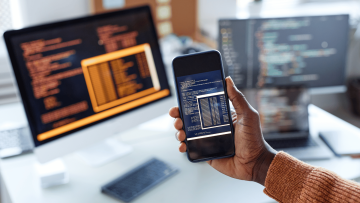
Shift work makes it hard to attend a classroom session at a set time. Online oncology education lets users pause and resume whenever they have a free moment. Most programs now work on phones and tablets.
A surgeon can review a surgical technique during a short break in a waiting room. Nurses can study drug safety protocols during a quiet night shift. Flexibility removes the stress of missing work just to learn something new.
Focus On Patient Management Skills
Cancer treatment involves more than just prescribing the right pills. A well-known healthcare support group provides a 2026 prospectus for those in the field. The prospectus highlights e-learning and live courses designed for health and social care staff.
- Managing emotional distress in patients
- Communicating complex news to families
- Coordinating care between different departments
- Navigating insurance and financial hurdles
- Supporting the mental health of caregivers
Clinicians who master these soft skills see better results in their daily practice. A patient feels more comfortable when their doctor speaks in a way they can understand.
Training helps them handle the stress that comes with the job. Better communication will result in fewer errors and happier families. Staff feel more confident when they have the right words to use.
New Technologies In Oncology Training
Advanced therapies like CAR T-cell treatments require very specific knowledge. An educational summit group currently lists various on-demand courses for clinicians. One class covers the use of bispecific antibody therapy for difficult cases.
The courses explain how to manage adverse events that might happen during treatment. Accessing these materials through 2026 helps staff stay updated on the latest protocols. Technology changes how medicine is practiced every single year.
Software helps radiologists spot tiny changes in a scan that a human might miss. Online training makes it easy to learn about new hardware and software. High-tech solutions require a high-tech approach to learning. Science never stands still for long.
Advancing Knowledge In Specialized Fields
Specialized care needs a deep understanding of unique cancer types. Providers look for ways to narrow their focus to specific organs or systems. Study these niche areas for a more personalized approach to medicine.
Small changes in a treatment plan can cause big improvements for a patient. A breast cancer specialist needs different info than someone treating leukemia. Tailored resources provide the exact data required for a specific patient group.
Navigating The Digital Shift In Medicine
The move toward digital education is a permanent change in the medical world. Old textbooks are becoming less useful as they go out of date so quickly. Electronic resources can be updated in an instant when a new drug is approved.
Quick updates are a huge advantage for everyone involved in healthcare. Medical students now start their careers using apps and interactive simulations. Experienced doctors are adopting these new ways of learning, too.
The transition is smooth for most as the interfaces are easy to use. Learning is no longer a chore that happens once a year at a big event. It is a continuous part of the daily routine for a modern clinician.
Providing top-tier cancer care is a lifelong commitment for medical teams. Modern training options are more accessible than they have ever been and easier to use. Specialists can find exactly what they need with just a few clicks on a computer.
Staying informed protects patients and supports the entire medical community. Every hour spent learning translates into better health for someone in need. A strong foundation of knowledge is the best tool a doctor can have. Success in the clinic starts with the right preparation and a willingness to grow.