Crafting a compelling AI chatbot character is more than just assigning a name; it’s about building a personality that users will connect with. This guide will walk you through the process, from initial ideas to advanced character development, ensuring your ai chatbot character is memorable and engaging. We’ll explore how to define traits, set a tone, and even use tools to help bring your creation to life. Let’s get started on building a bot that truly stands out.
Key Takeaways
- Start by visualizing your ai chatbot character in different situations to understand how they might act and speak.
- Define core personality traits, likes, dislikes, and goals to give your character depth and consistency.
- Choose a unique name and craft an introduction that sets the stage for the character’s persona.
- Use AI tools to help generate character traits and responses, streamlining the creation process.
- Continuously refine your ai chatbot character based on user interactions to maintain coherence and improve engagement over time.
Conceptualizing Your AI Chatbot Character
Before you start building, it’s important to have a clear idea of who your AI chatbot will be. This initial stage is all about imagination and laying the groundwork for a character that feels real and engaging. Think of it as sketching out the blueprint for a new friend or a fascinating persona.
Visualizing Character Scenarios
Imagine your AI character in different situations. What would they be doing? How would they react? Visualizing these scenarios helps bring the character to life and gives you a better sense of their personality. For example, picture your character helping someone find a lost item, or perhaps reacting to a surprising piece of news. These mental images can spark ideas for their background and how they interact with the world.
- A character helping a user solve a complex problem.
- A character reacting with surprise to an unexpected event.
- A character sharing a personal anecdote.
Visualizing scenarios isn’t just about creating interesting moments; it’s about understanding how your character operates within a given context. This helps in defining their capabilities and limitations.
Defining Core Character Traits
What makes your character unique? Jot down the main personality traits. Are they curious, witty, calm, or perhaps a bit mischievous? These core traits will guide how the AI responds and behaves. It’s helpful to think of a few key adjectives that sum them up. For instance, a character might be ‘analytical,’ ‘patient,’ and ‘encouraging.’
| Trait | Description |
|---|---|
| Curiosity | Always asking questions and seeking new information |
| Empathy | Understanding and sharing the feelings of others |
| Humor | Possessing a lighthearted and amusing disposition |
Crafting a Unique Name and Introduction
Choosing a name is more than just picking a label; it’s the first step in giving your character an identity. The name should fit their personality and background. Following the name, think about their introduction. This is their first impression on the user. It should be welcoming and give a hint of who they are without revealing everything at once. A good introduction might be something like: "Hello there! I’m Alex, your friendly guide to all things creative. What can I help you explore today?"
- Select a name that aligns with the character’s persona.
- Develop a brief, inviting introduction.
- Consider if the introduction should hint at their purpose or background.
This initial conceptualization phase is where the magic begins. By thinking through scenarios, traits, and introductions, you’re building a solid foundation for a memorable AI character.
Defining the Persona and Core Details
Now that you have a general idea of your AI chatbot’s character, it’s time to get specific. This section is all about laying down the foundational elements that will shape how your character is perceived and how it interacts. Think of it as building the blueprint for your AI’s personality.
The Importance of the Persona
The persona is, in many ways, the heart and soul of your AI character. It’s the collection of traits, attitudes, and characteristics that define who they are. A well-defined persona makes your character feel more real and relatable, guiding their responses and actions in a consistent way. Without a clear persona, your AI might feel generic or unpredictable, which can break the immersion for users.
Selecting Key Descriptors
To build a strong persona, start by choosing a set of key descriptors. These are the adjectives and short phrases that best capture your character’s essence. Aim for a focused list, perhaps around five to ten descriptors, to keep the character manageable and distinct. It’s often helpful to list the most defining traits first. For example, a character might be described as: "Curious, resourceful, slightly cynical, loyal, and a lover of old books."
Here’s a way to think about different types of descriptors:
- Personality Traits: How they generally behave (e.g., cheerful, reserved, impulsive).
- Motivations/Goals: What drives them (e.g., seeking knowledge, protecting others, finding peace).
- Quirks/Habits: Unique mannerisms or recurring actions (e.g., tapping fingers, humming softly, always carrying a specific item).
- Values/Beliefs: What they hold important (e.g., honesty, fairness, tradition).
Structuring Persona Traits
Organizing these traits is just as important as selecting them. You want to present them in a way that’s clear and easy for the AI system to interpret. A common approach is to list them in order of importance, with the most defining characteristics at the top. Some systems allow for more detailed structuring, perhaps using tags or specific formatting to differentiate between core personality traits, background elements, and behavioral tendencies.
A good persona isn’t just a list of adjectives; it’s a cohesive picture of a being. Consider how these traits might interact. Does their loyalty conflict with their cynicism sometimes? How does their love for books influence their resourcefulness? Thinking about these internal dynamics adds depth and realism.
For instance, you might structure it like this:
- Primary Traits: Brave, Protective, Optimistic
- Secondary Traits: Inquisitive, Slightly Impatient, Humorous
- Underlying Motivations: Desire for justice, need for companionship
- Defining Quirks: Whistles when nervous, collects unusual buttons
Building an Engaging AI Chatbot Character
So, you’ve got the basic idea for your AI character down. Now comes the fun part: making them feel real, like someone you’d actually want to talk to. This isn’t just about giving them a name; it’s about breathing life into them so users feel a connection.
Setting the Tone with Greetings
Think of the greeting as your character’s first handshake. It’s the very first thing a user sees, so it needs to make an impression. A good greeting should hint at who your character is without giving everything away at once. It should invite conversation and set the mood for the interaction.
Here are a few ways to approach greetings:
- Direct and Enthusiastic: "Hey there! Ready for an adventure? I’m so excited to chat!"
- Calm and Curious: "Hello. I was just reading. What brings you here today?"
- Mysterious and Welcoming: "Greetings, traveler. The path has led you to me. What secrets do you seek?"
The initial greeting is your character’s chance to establish their personality and invite the user into their world. It’s a small detail that makes a big difference in how the user perceives the character from the start.
Incorporating Appearance and Body Language
Even though your AI doesn’t have a physical body, describing its appearance and how it might
AI Character Creation Tools and Techniques
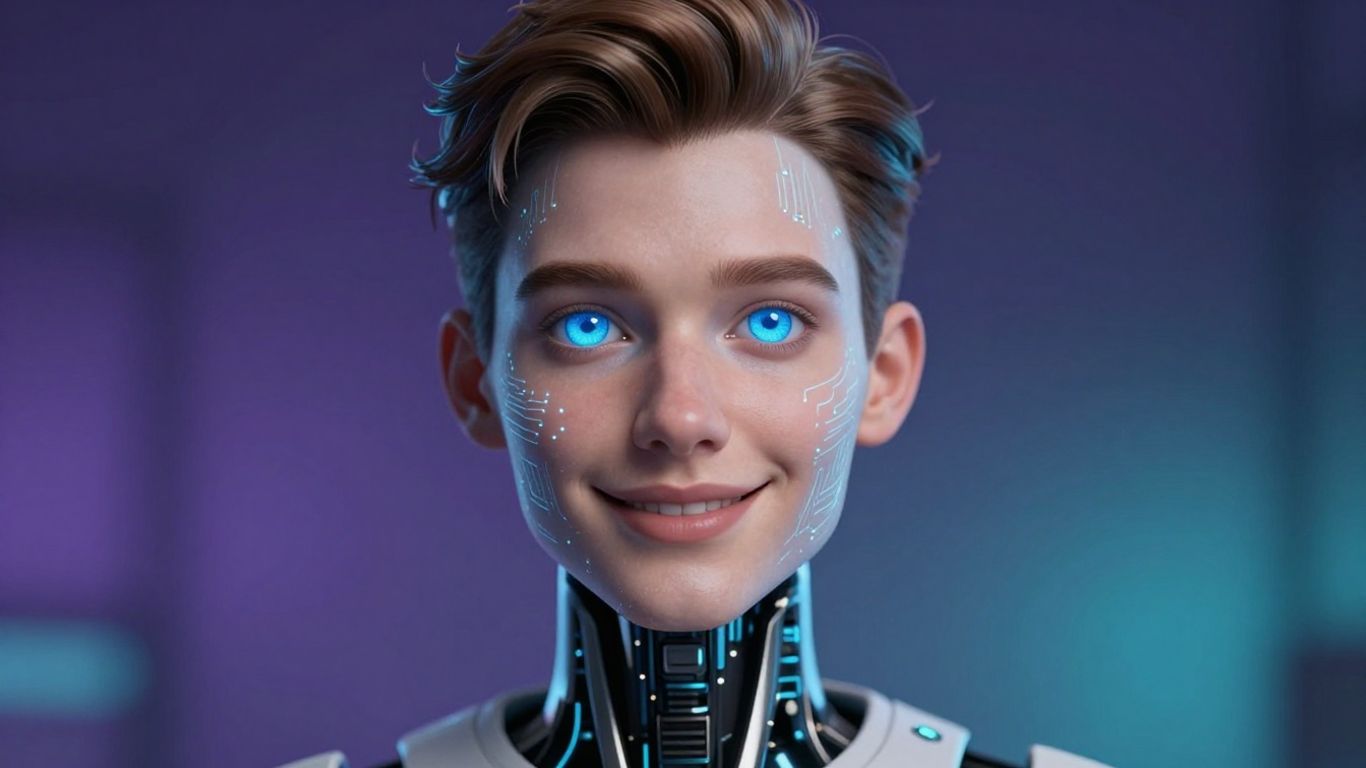
Creating an AI character can feel like a big project, but thankfully, there are tools and methods to help. Think of it like having a set of specialized tools for building something complex. These resources can make the process smoother and more effective.
Exploring Different AI Character Systems
AI character systems aren’t all the same. They’re built for different jobs. Some are designed purely for chatting, like a digital pen pal. Others focus on telling stories, where your choices change the plot. There are also systems that help you visualize what your character looks like, almost like a digital sketchpad. And then there are the helpful AI companions, like virtual assistants, that are there to assist you.
- Chatbot Systems: For conversational interactions.
- Interactive Storytelling AI: For dynamic narrative experiences.
- Character Design AI: For visual creation and concept art.
- Virtual Assistants: For helpful, companion-like roles.
Leveraging AI for Trait and Response Generation
How does AI actually come up with character traits or what a character says? It’s a bit like how people learn. AI systems look at huge amounts of text and data to find patterns in language and behavior. This helps them create responses that make sense and fit the character. They can also learn from how people interact with them, making the character better over time and more personal to the user.
AI uses machine learning and natural language processing to understand and generate human-like text. By analyzing vast datasets, it learns grammar, context, and even subtle nuances of conversation, allowing it to create believable character interactions.
Advantages of AI-Assisted Character Design
Using AI in character creation isn’t just about making things faster, though it certainly does that. It can also spark new ideas you might not have thought of. AI can suggest diverse traits or unique dialogue options, pushing your creativity. Plus, when AI helps tailor characters to what users like, the interactions become more engaging and feel more real.
- Efficiency: Speeds up the creation process significantly.
- Creativity Boost: Offers novel ideas for traits and dialogue.
- Personalization: Allows for characters that adapt to user preferences.
- Consistency: Helps maintain a stable personality and tone.
Advanced Strategies for AI Character Development

Once you have a solid foundation for your AI character, it’s time to think about how to make them truly dynamic and believable. This involves going beyond basic traits and considering how the AI will actually behave and interact. It’s about adding those layers that make a character feel alive and consistent.
Guiding Response Structure with Prompts
Think of prompts as the director’s notes for your AI actor. They tell the AI not just what to say, but how to say it, and in what kind of structure. This is super important for keeping conversations on track and making sure the AI’s responses fit the character you’ve built. For example, you might want your character to always start responses with a question, or perhaps they tend to use metaphors. These aren’t just random quirks; they’re deliberate choices that shape the interaction.
Here’s a simple way to think about prompt structure:
- Opening: How does the character typically begin a response? (e.g., a greeting, a direct answer, a thoughtful pause)
- Core Message: What is the main point the character needs to convey?
- Elaboration/Detail: Does the character add examples, explanations, or personal anecdotes?
- Closing: How does the character wrap up their response? (e.g., a question, a statement, an offer)
By defining these elements in your prompts, you give the AI a clear framework to work within, leading to more predictable and character-appropriate dialogue.
Implementing Nuanced Behavior with ‘How to Act’ Prompts
Beyond just the structure of responses, you’ll want to guide the AI’s behavior. This is where ‘how to act’ prompts come in. These are instructions that define the character’s emotional state, their attitude, and their general demeanor in different situations. For instance, if your character is supposed to be shy, a ‘how to act’ prompt might instruct the AI to use shorter sentences, express hesitation, or avoid direct eye contact (in a text-based way, of course).
Consider these behavioral aspects:
- Emotional Range: What emotions can the character express, and under what circumstances?
- Attitude: Is the character generally optimistic, cynical, curious, or indifferent?
- Interaction Style: Does the character interrupt, listen patiently, offer unsolicited advice, or remain quiet?
- Reaction to Specific Stimuli: How does the character react to praise, criticism, confusion, or unexpected events?
These behavioral cues are what truly bring a character to life, making them feel less like a script and more like an individual.
Expanding Lore with Advanced Definitions
To make your character feel deeply rooted and believable, you need to build out their lore. This means defining their background, their world, their relationships, and their personal history. Advanced definitions allow you to provide the AI with a rich tapestry of information that it can draw upon during conversations. This could include:
- Backstory: Key events that shaped the character.
- World Details: Information about the setting the character inhabits.
- Relationships: How the character feels about and interacts with other individuals (even if those individuals are also AIs).
- Motivations and Goals: What drives the character forward?
By providing these detailed definitions, you equip the AI with the context needed to generate responses that are not only consistent with its personality but also deeply informed by its unique history and circumstances. This depth makes interactions far more engaging and believable for the user.
Maintaining Coherence and Evolving Your Character
Handling Context and Ensuring Dialogue Consistency
Keeping your AI chatbot’s conversations on track is a big part of making it feel real. This means the bot needs to remember what’s been said and react in a way that makes sense with the ongoing chat. Think of it like talking to a friend; they don’t just forget what you told them a minute ago, right? Your AI should do the same. It needs to hold onto the context of the conversation, whether it’s a simple question or a complex story you’re building together. This helps avoid those awkward moments where the bot says something completely out of the blue or contradicts itself. Consistent dialogue makes the user feel like they’re talking to a single, believable entity, not a collection of random responses.
Iterative Refinement Based on User Interaction
Once your character is out there, interacting with people, you’ll start to see how they actually behave. This is where the real magic of improvement happens. Pay attention to the conversations. Are users getting confused by certain responses? Does the character sometimes act in a way that doesn’t quite fit their personality? These interactions are goldmines for feedback. You can use this information to tweak the character’s settings, add more specific instructions, or even rewrite parts of their backstory. It’s a cycle: create, test, observe, and refine. This ongoing process is what turns a basic AI into a truly memorable character.
Adapting to User Preferences for Personalization
People like characters that feel like they understand them. As your AI chatbot interacts with users, it can learn what kind of conversations they prefer. Maybe a user enjoys deep, philosophical discussions, while another prefers lighthearted banter. Your AI can adapt to these preferences over time. This doesn’t mean changing the core personality, but rather adjusting the way the character expresses itself. For example, if a user frequently asks for advice, the AI could learn to offer more thoughtful guidance. If a user enjoys humor, the AI might inject more jokes. This personalization makes the user feel more connected and keeps them coming back for more interactions. It’s about making the experience feel unique to each person who talks to your bot.
Here’s a look at common areas for refinement:
- Response Relevance: Does the AI’s answer directly address the user’s input?
- Tone Consistency: Does the AI maintain its established personality and mood?
- Information Accuracy: If the AI provides facts, are they correct and in character?
- Engagement Level: Does the AI’s response encourage further conversation?
Building a character is not a one-time task. It’s a continuous journey of observation and adjustment. Think of it like tending a garden; you plant the seeds, water them, and then prune and shape as they grow to ensure they flourish in the intended way. The more attention you give, the more vibrant and engaging your character will become.
Wrapping Up Your Character Creation Journey
So, we’ve walked through the steps of building a unique AI chatbot character. It’s a process that blends imagination with a bit of technical know-how. Remember, the goal is to create a personality that feels real and engaging for whoever interacts with it. Don’t be afraid to experiment with different traits and backstories. The best characters often come from trying new things and seeing what works. Keep refining your creations, and you’ll find yourself building bots that truly stand out. Happy creating!
Frequently Asked Questions
What’s the first step in making an AI character?
Before you start building, it’s super helpful to imagine your character in different situations. Think about how they’d act, what they’d say, and even how they’d stand or move. This helps you get a clear picture of who they are.
Why is the ‘Persona’ so important?
The persona is like your character’s personality code. It tells the AI the most important things about your character, like their main traits and what makes them tick. Getting this right helps the AI act and talk like your character.
How do I make my AI character feel real?
To make your character feel genuine, pay attention to their greeting – it’s their first impression! Also, think about their appearance and how they might show feelings with body language. This helps users connect with them better.
Can AI help me create character details?
Yes, absolutely! AI tools can help you come up with ideas for character traits and even suggest how they might respond in different situations. This can speed up the creation process and give you new ideas.
How can I make my AI character’s conversations stay on track?
It’s important for your AI character to remember what you’ve talked about. You can guide the AI by giving it specific instructions on how to act or what to focus on. This helps keep the conversation flowing smoothly and consistently.
Can my AI character change or get better over time?
Definitely! The best AI characters learn and grow. You can update them based on how people interact with them, and even adjust them to fit what users like best. This makes them more interesting and personalized.