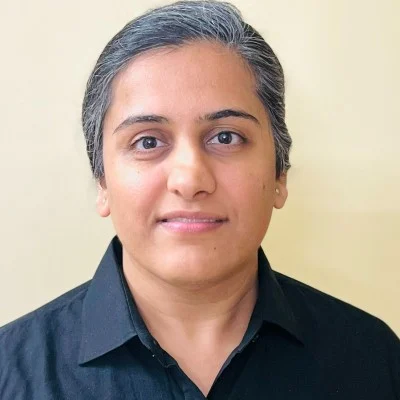
Bryan Scott McMillan has never chased attention. His career was built quietly, one decision at a time, guided by discipline, patience, and a focus on people. Over more than 30 years in the medical device industry, he helped turn complex ideas into working businesses, often stepping in when teams were stuck or direction was unclear. His path offers a clear example of how steady leadership can create long-term success.

Early Life and the Roots of Responsibility
McMillan was born in Las Vegas and raised in North Las Vegas. His family lived modestly, and as the oldest child, he took on responsibility early. Both of his parents worked, which meant he often looked after his younger brothers. That experience shaped how he viewed leadership long before he entered the workplace.
“My first leadership role was at home,” he has said. “I learned quickly that authority doesn’t mean much if people don’t trust you.”
Faith also played a central role in his upbringing. His family joined the Mormon church, where long Sundays and strict routines reinforced structure and discipline. Growing up alongside families with far more resources taught him how to move comfortably across different worlds, a skill that later proved useful in corporate leadership.
Related Content: pedrovazpaulo coaching
Education and Competitive Discipline
School became McMillan’s way forward. He focused on academics and wrestling, a sport he began at age five. Wrestling demanded focus, endurance, and humility. Losses were public. Progress was earned.
“Wrestling taught me how to stay calm under pressure,” he once noted. “That skill translated directly into business.”
He attended Arizona State University, earning a Bachelor of Arts in Political Science and Business. He graduated with academic honours, including the Regents Merit Scholarship and membership in Pi Sigma Alpha. Later, he completed executive programmes at Harvard University and the University of Texas at Austin, sharpening his strategic and leadership skills.
A 30-Year Career in Medical Devices
McMillan entered the medical device industry early in his career and stayed for more than three decades. Over time, he rose into senior executive and advisory roles. His work spanned operations, sales, marketing, regulatory strategy, product launches, and global partnerships. He was often brought in when companies faced declining performance or unclear strategy.
“One of my strengths was listening before acting,” McMillan has said. “Most problems weren’t technical. They were human.”
He became known for stabilising teams, improving execution, and aligning leadership around clear goals. His approach avoided flash. Instead, he focused on systems, accountability, and trust. In several roles, this led to improved productivity and sustainable growth.
Turning Point Through Personal Loss
The loss of his wife to cancer marked a turning point in McMillan’s life. While he continued working, his definition of success began to change. Supporting his children through grief exposed him to the gaps families face after tragedy.
He brought his children to The WARM Place, a grief support organisation for families. That experience left a lasting impression.
“I saw how powerful consistent support could be,” he said. “Not advice. Not solutions. Just people showing up.”
In 2006, he began volunteering with The WARM Place. He later supported Camp Sanguinity, a summer camp for children with cancer and blood disorders. In 2018, he founded Families with Holes, an organisation focused on helping families navigate loss by connecting them with support and counselling resources.
Applying Business Thinking to Service
McMillan approached his charitable work with the same mindset he used in business. He identified needs, reduced friction, and focused on execution. Families with Holes was designed to be practical, personal, and flexible.
“In business, you learn to solve problems by removing obstacles,” he explained. “Grief is no different. Families need fewer barriers and more access to help.”
His background allowed him to bring structure without bureaucracy. The result was an organisation that prioritised people over process.
Life After Corporate Leadership
Today, McMillan describes himself as an early retiree, volunteer, and traveller. He remains active in his church, continues mentoring others, and supports families through grief counselling. Health and routine play a central role in his life.
One habit he often mentions is walking without headphones.
“Some of my clearest thinking happens when I walk in silence,” he said. “It’s where I sort through decisions and reset.”
While no longer in a corporate role, his influence continues through mentorship and service. His career shows that big ideas do not always arrive loudly. Often, they are built quietly, through consistency, discipline, and care for people.
A Career Built on Steady Impact
Bryan Scott McMillan’s story is not about rapid success or bold claims. It is about showing up, listening well, and turning experience into action. From leading medical device teams to supporting grieving families, his work reflects a belief that real impact comes from steady effort over time.
“Leadership isn’t about being the smartest person in the room,” he has said. “It’s about creating space for others to do their best work.”
That approach has shaped his career, his service, and the life he continues to build.